
Choosing the right marine equipment can make all the difference in your boating experience. From engines to electronics, safety gear to accessories, reliable reviews and honest product tests help you invest in quality and avoid costly mistakes.
Why Read Product Reviews Before Buying?
Boating gear is a long-term investment. A well-informed purchase means better performance, safety, and satisfaction. Our expert reviews combine hands-on testing, user feedback, and industry knowledge to guide you.
What We Test and Review:
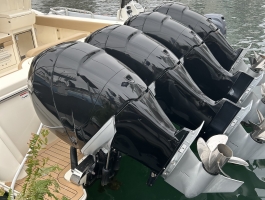
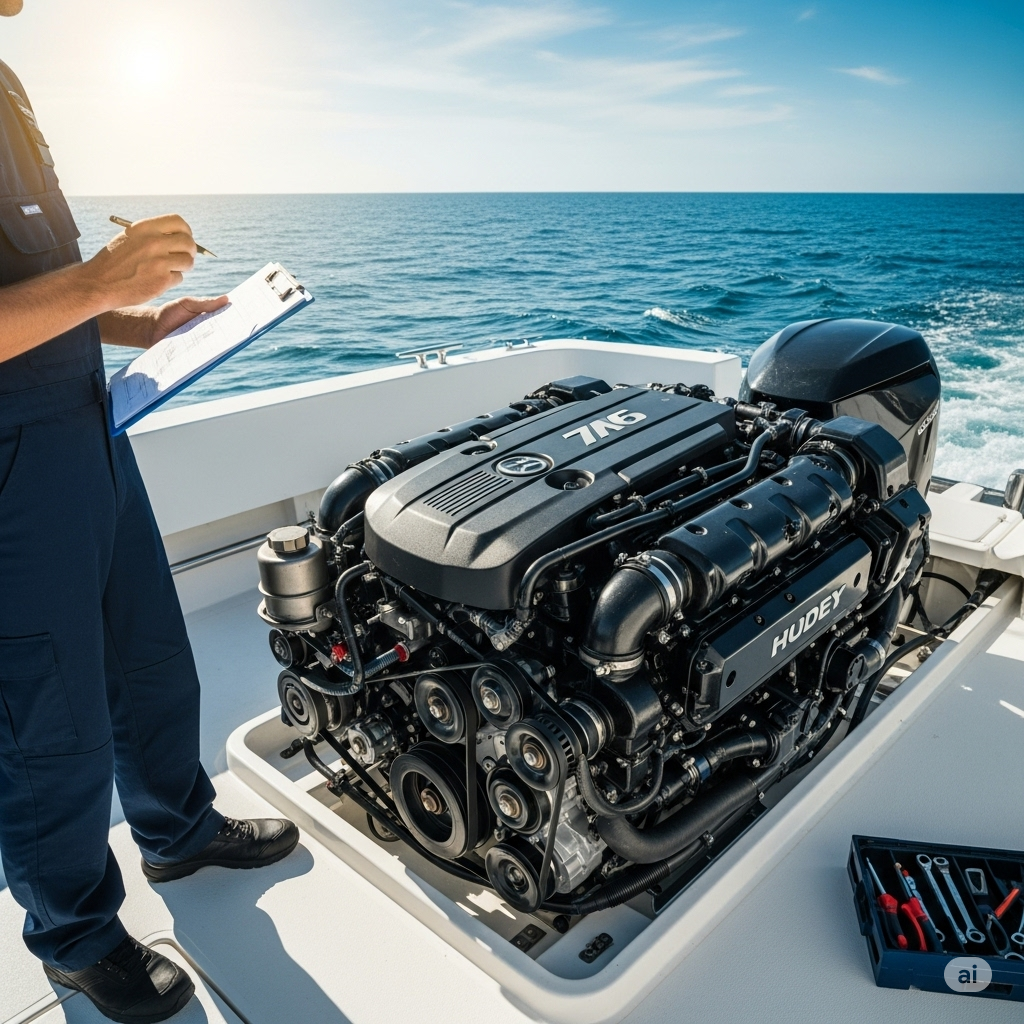
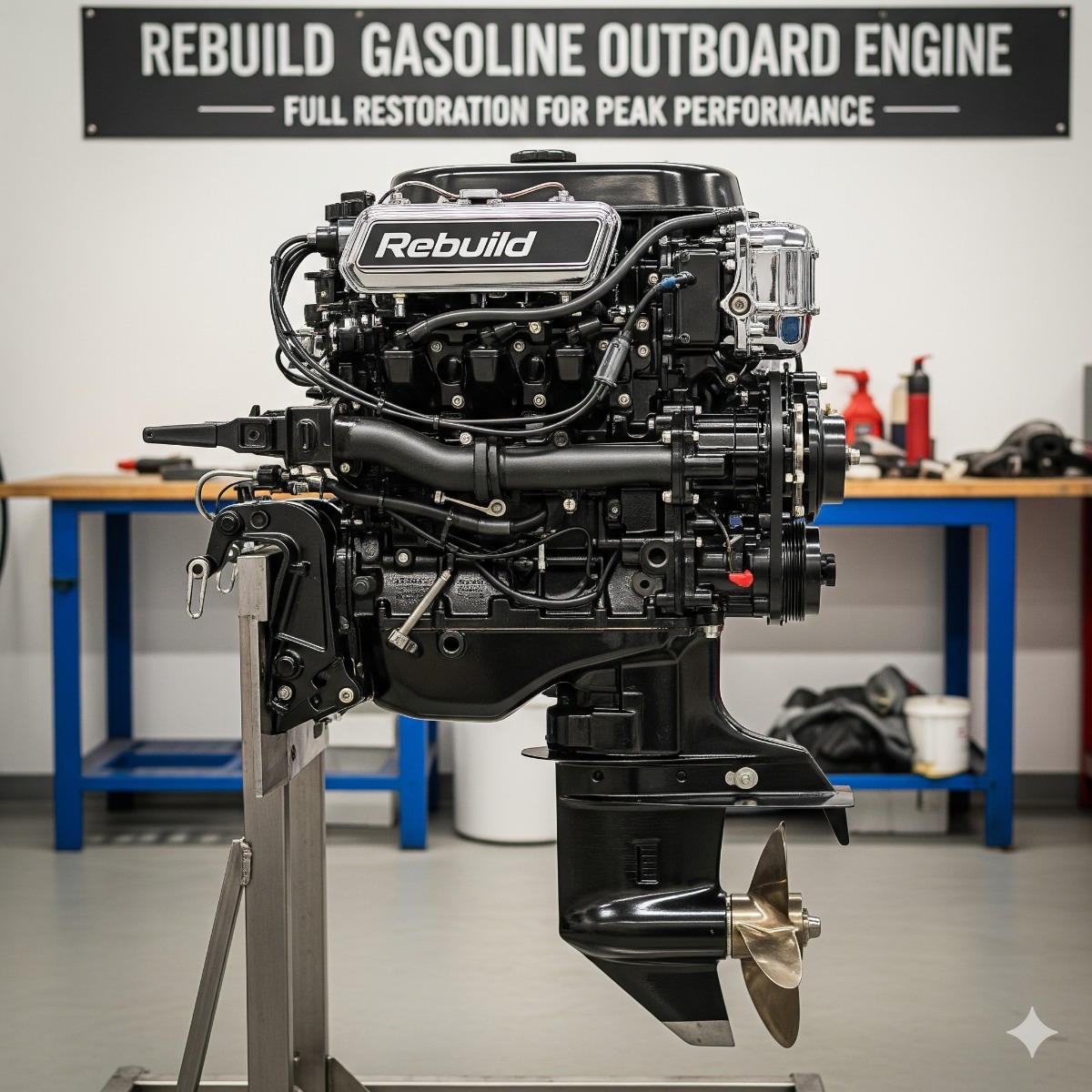
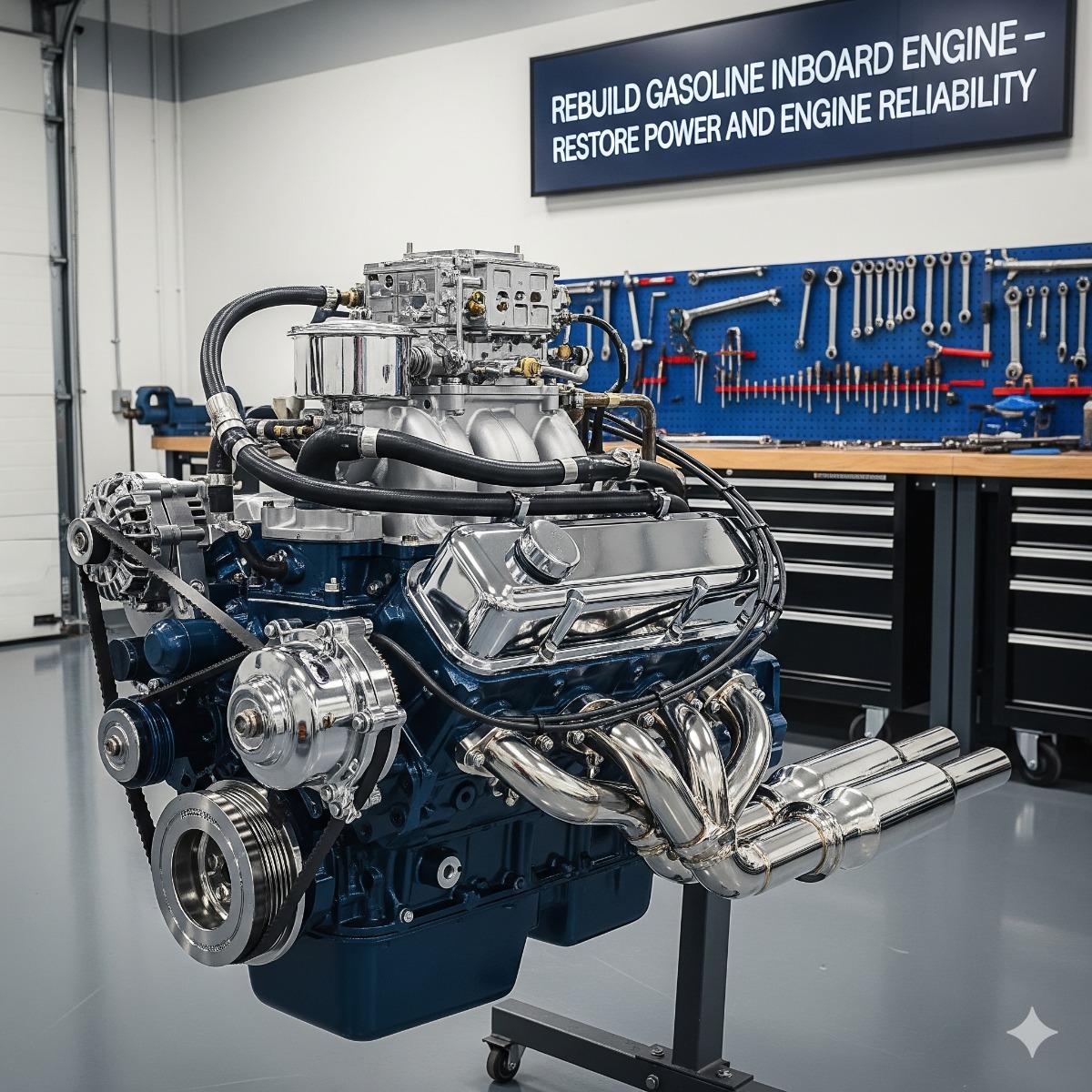
- Outboard and inboard engines
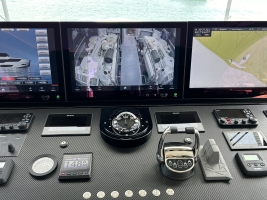
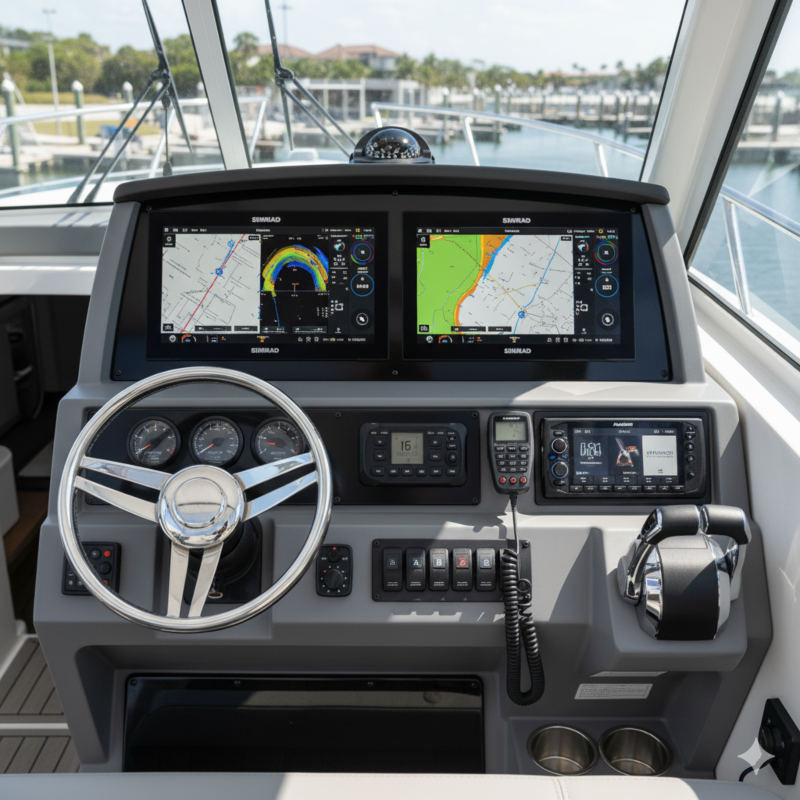
- Marine GPS and navigation systems
- Boat safety equipment (life jackets, flares, radios)
- Fishing gear and accessories
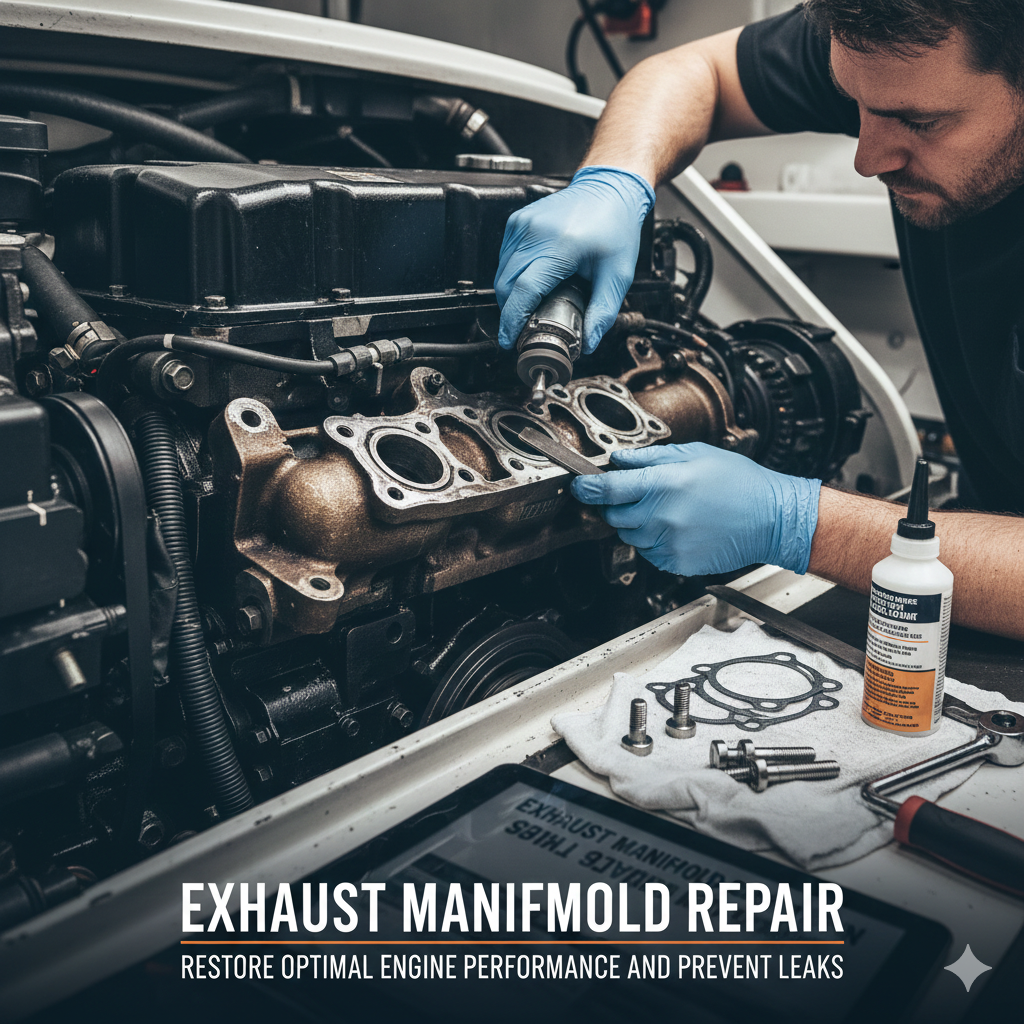
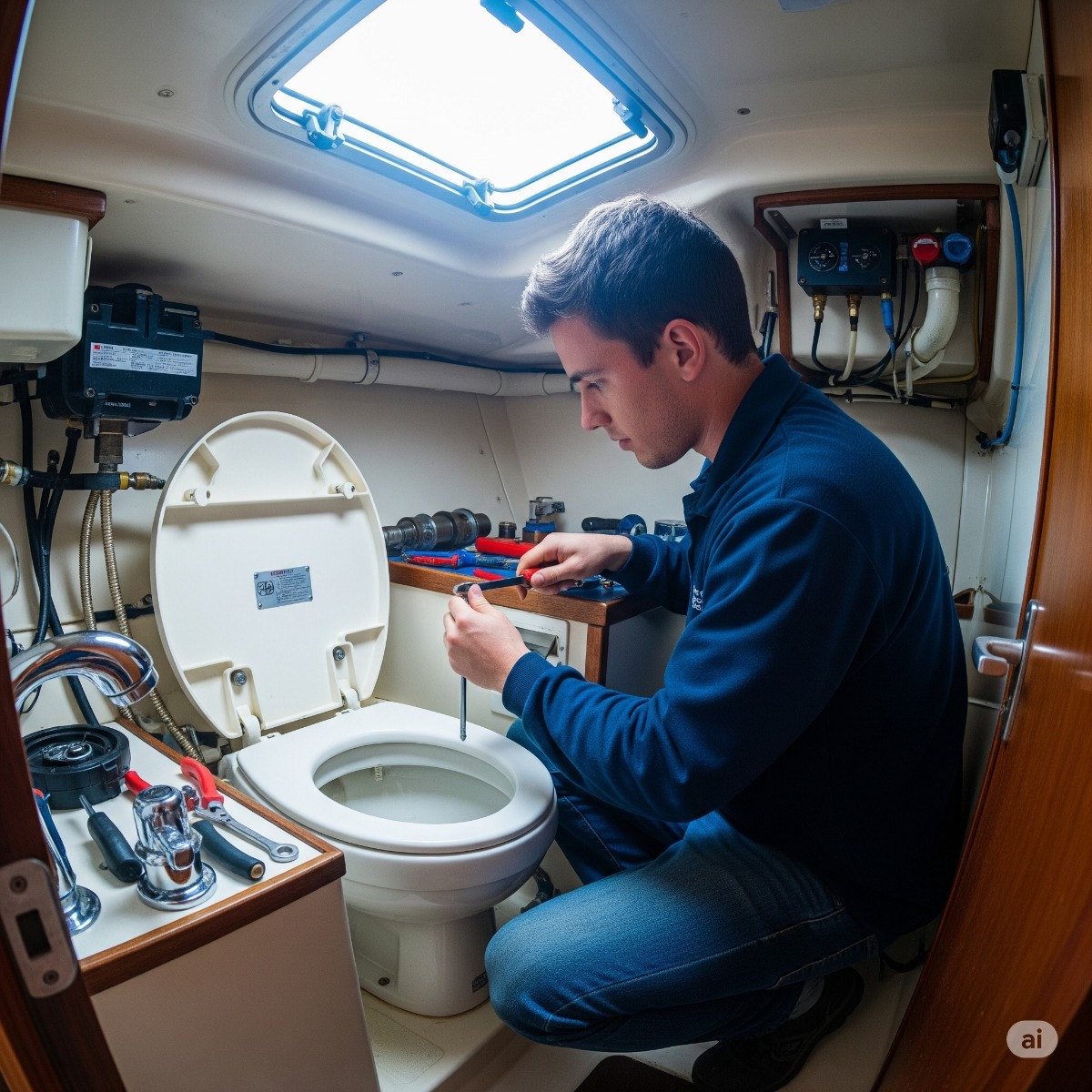
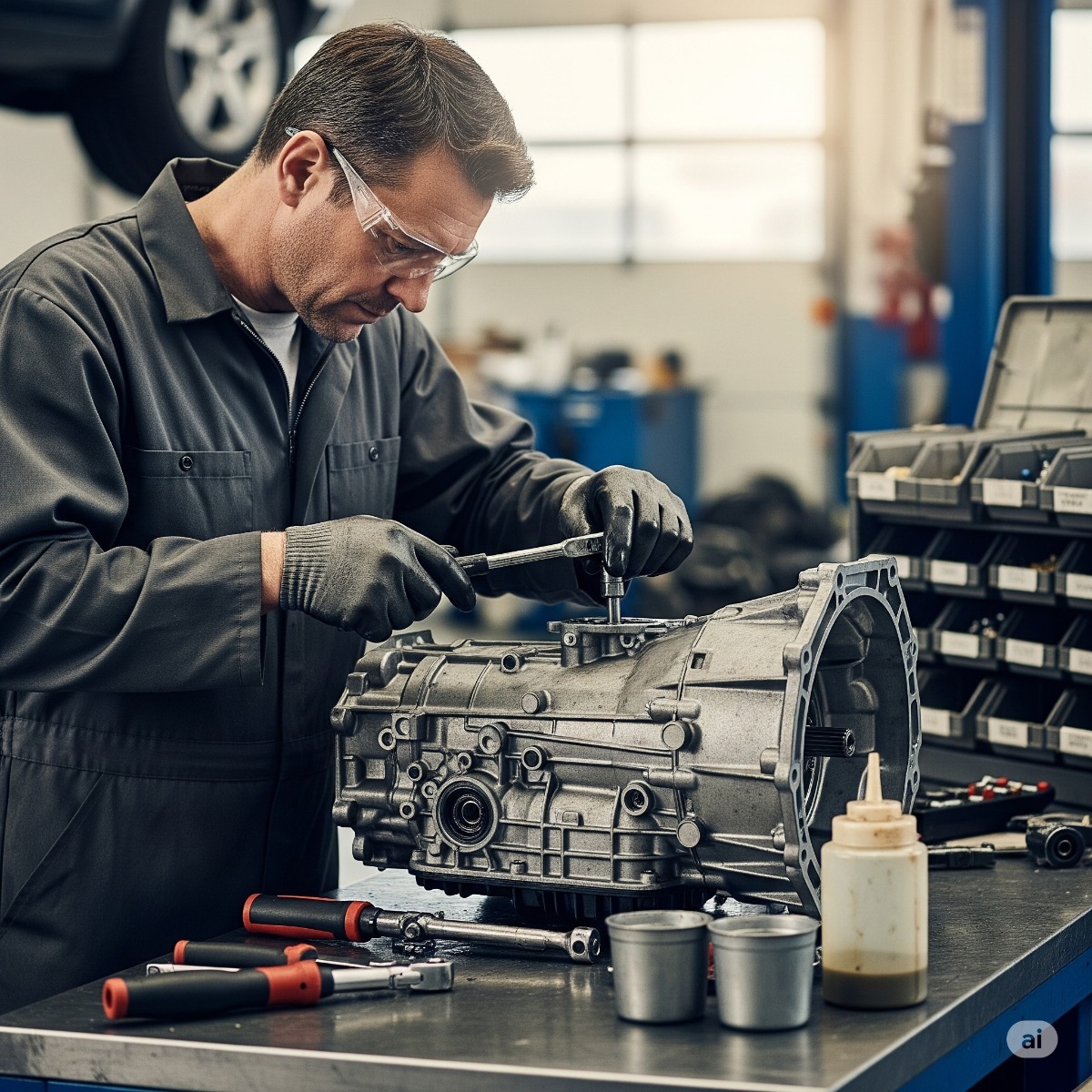
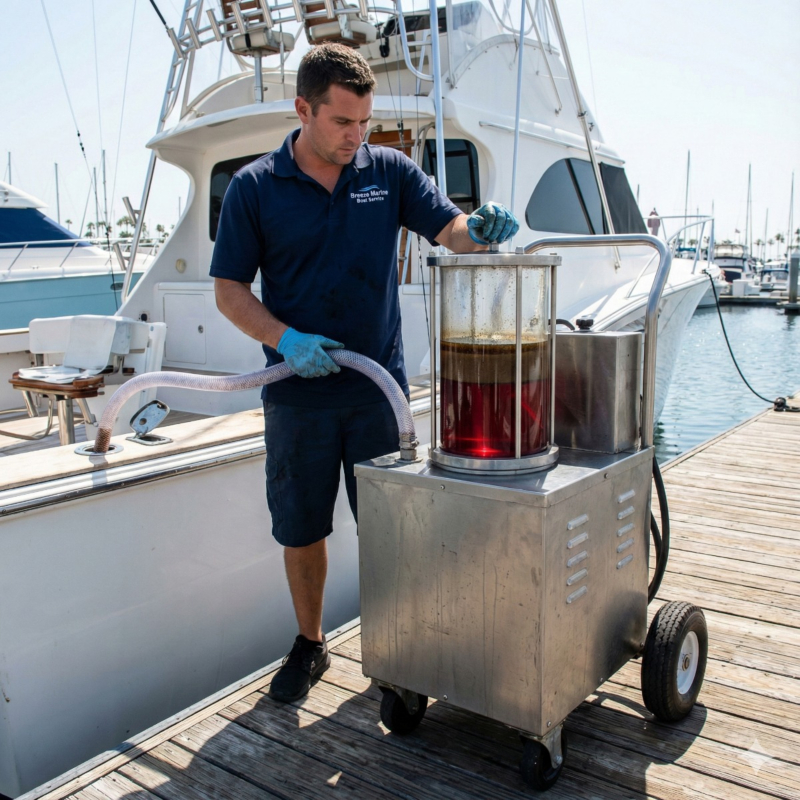
- Maintenance tools and products
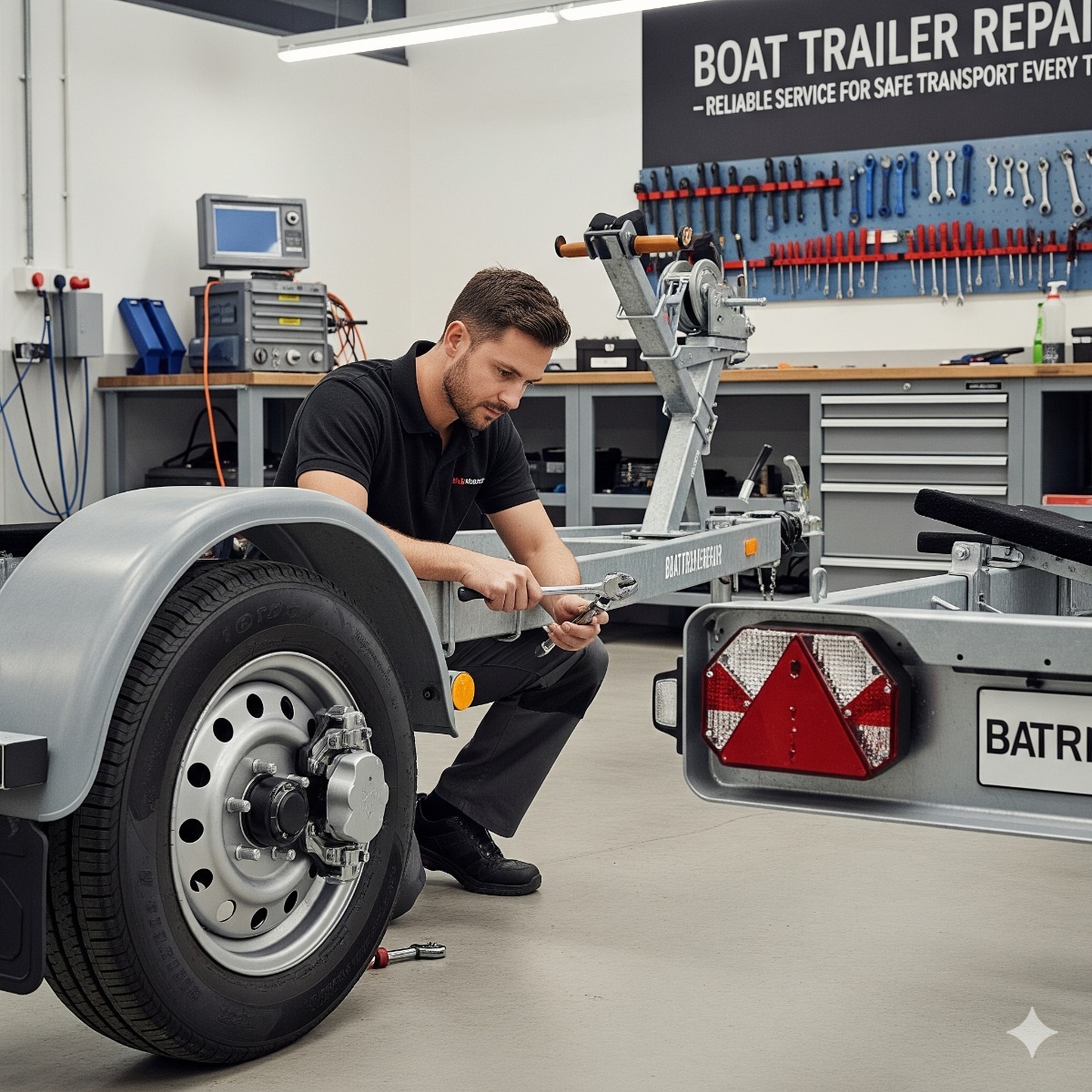
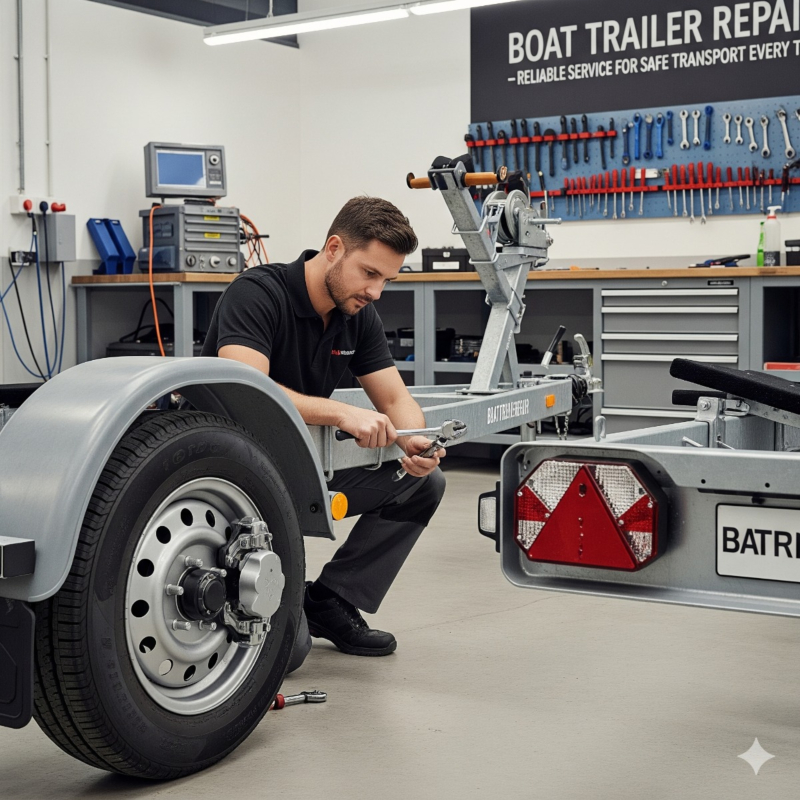
- Boat covers, trailers, and storage solutions
How We Conduct Our Tests
1. Real-World Usage
We test products in real boating conditions — different weather, water types, and scenarios — to ensure reliable performance.
2. Durability and Build Quality
We assess materials, craftsmanship, and long-term resilience to wear, corrosion, and impact.
3. Ease of Use
Installation, operation, and maintenance are key. We rate how user-friendly each product is, even for beginners.
4. Value for Money
Performance relative to price is critical. We compare products across price ranges to recommend the best options.
Recent Reviews Highlights
- Mercury 150HP Outboard: Powerful, fuel-efficient, and quiet with advanced diagnostics.
- Garmin GPSMAP 86sci: Compact, reliable marine GPS with built-in sonar and satellite messaging.
- Stohlquist Life Jackets: Comfortable, durable, and safety-certified for all ages.
- Yamaha Maintenance Kit: Comprehensive tools and fluids tailored for Yamaha engines.
Submit Your Gear for Review
If you have boating products you'd like us to test or review, contact us! We welcome suggestions and new gear trials to keep our community informed.
Why Trust Services Boats Reviews?
- Experienced marine technicians and boaters
- Objective, hands-on testing
- Focus on safety, reliability, and user experience
- Updated regularly with the latest products and innovations
Stay Informed and Equipped
Subscribe to our newsletter to get the latest product reviews, boating tips, and exclusive offers delivered to your inbox.
Contact Services Boats for expert advice or help choosing the right gear for your boat and lifestyle.
Choosing boat repair supplies that hold up on the water
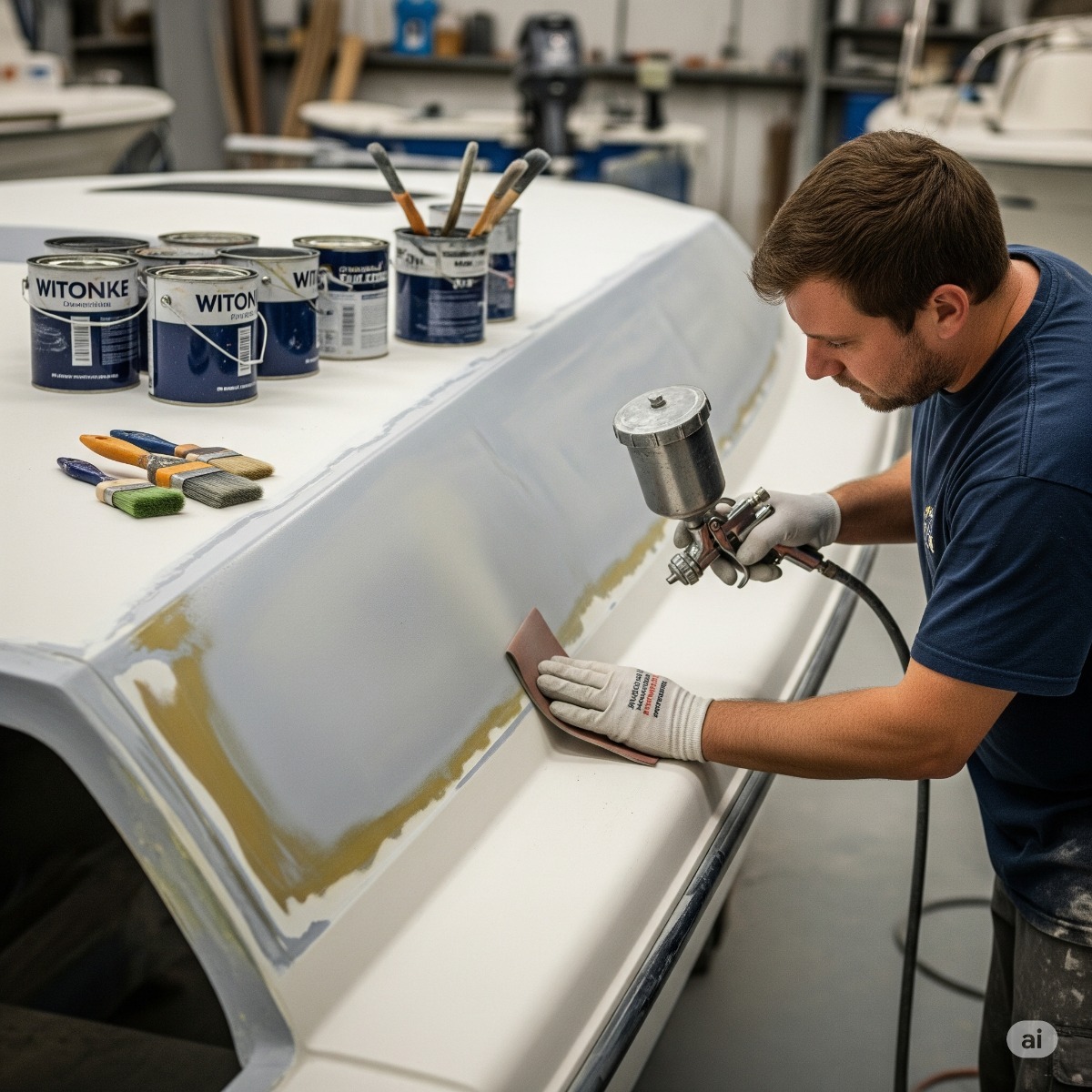
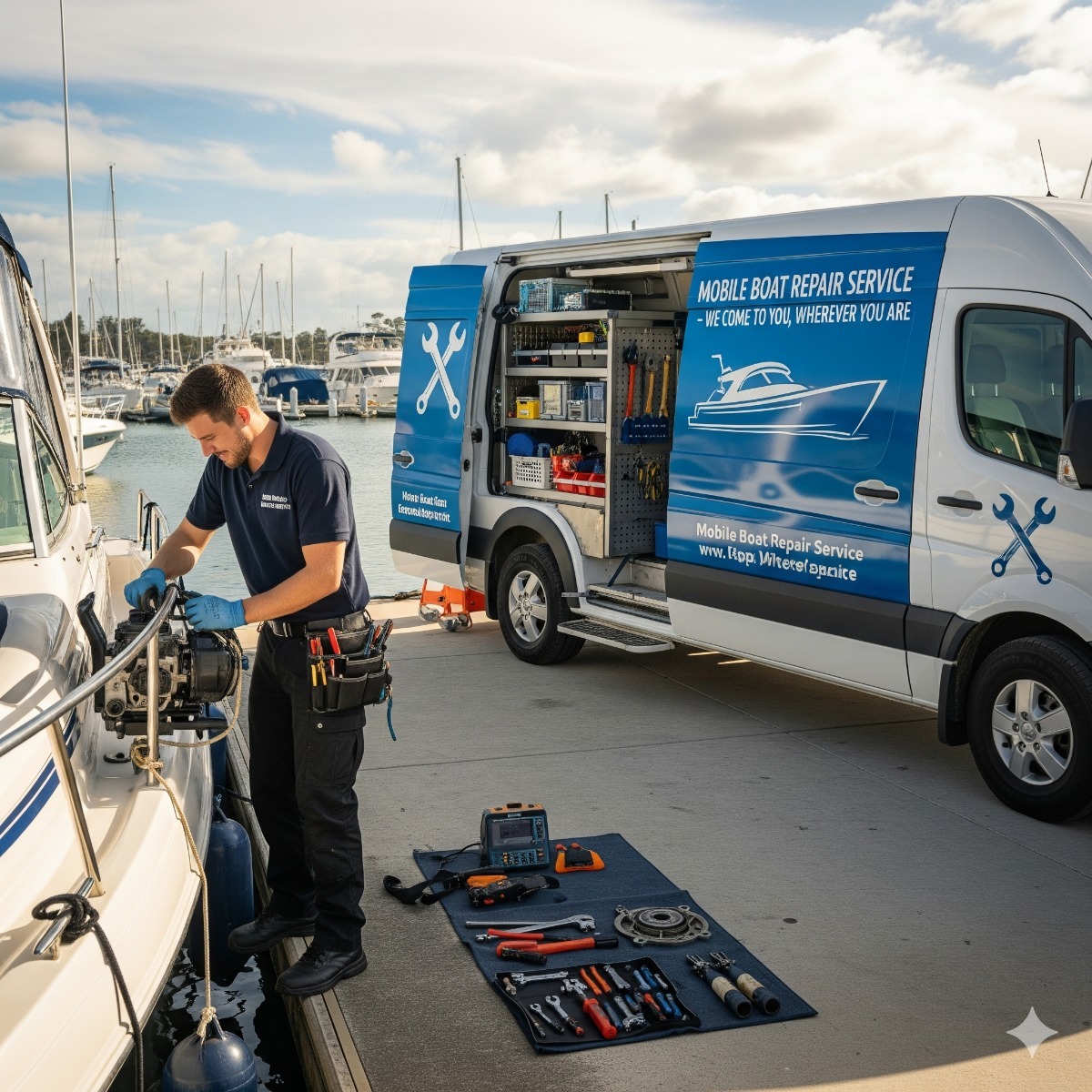
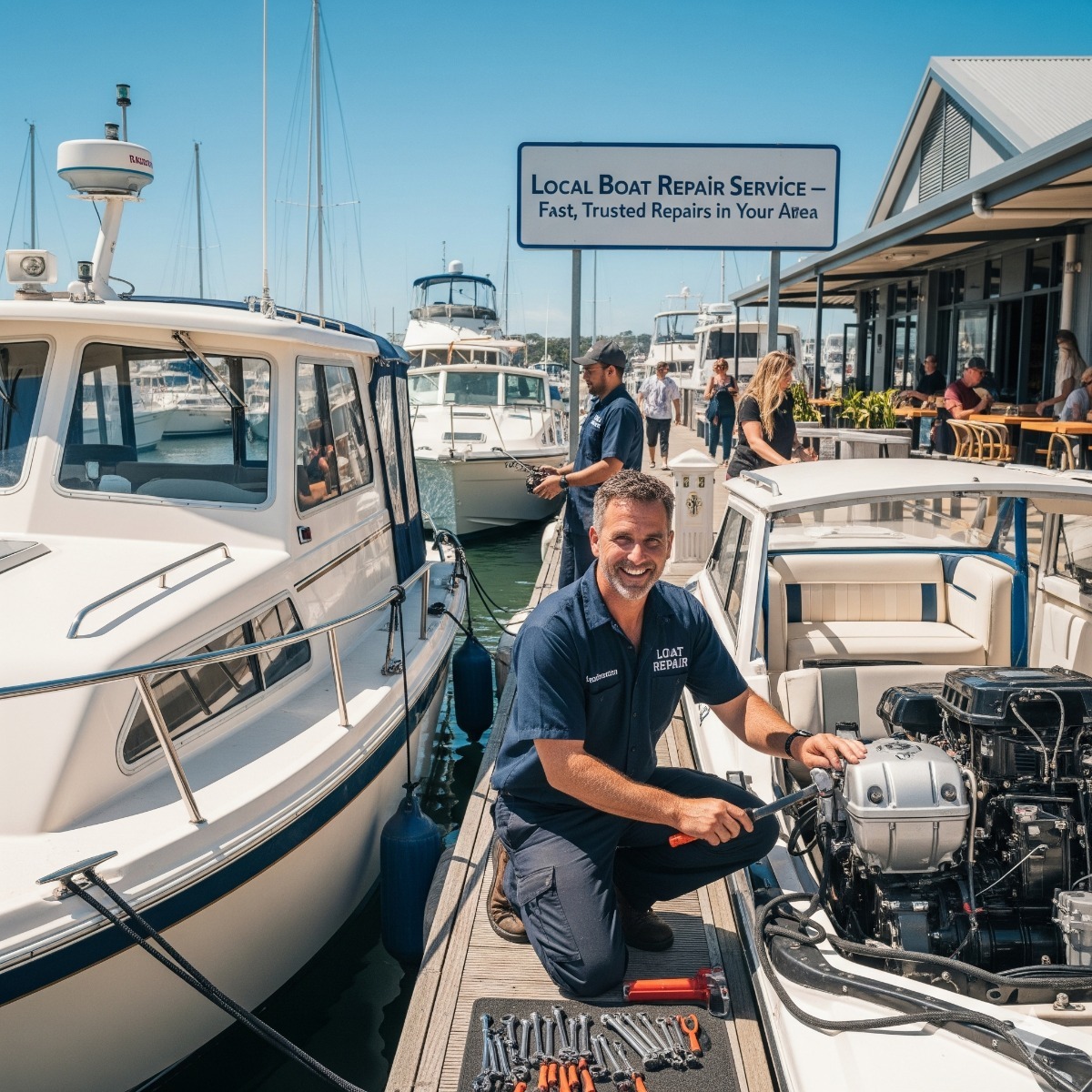
The criteria we use in our tests also apply to boat repair supplies such as sealants, adhesives, fasteners, hose clamps and wiring. Look for marine-rated materials made to resist salt, moisture and corrosion, and check that each product suits the place it will be used, whether below the waterline, near fuel or in the bilge. Read the installation and curing instructions before you start, since ease of use matters as much as strength. If you are unsure what fits the job, contact Services Boats for advice.
Frequently asked questions: marine product reviews
What should I look for when choosing a marine GPS chartplotter?
Consider screen size and readability in direct sun, the charts available for your area, whether you want built-in sonar, and how it connects to other marine electronics through NMEA 2000. Mounting space and power draw matter too. Marine product reviews help narrow the list, but try the menus in person if you can, since layouts and controls vary between brands.
Are marine-grade parts really worth it over automotive or household parts?
Usually yes, for anything exposed to salt, moisture or fuel vapors. Marine-rated wiring, fittings, pumps and electrical components are designed for corrosion resistance and, where needed, ignition protection. Household or automotive substitutes may work for a while but often fail early or create safety risks. For cosmetic items stored in dry areas, the difference may matter less.
How can you tell if a life jacket is Coast Guard approved?
Look for the US Coast Guard approval label, usually inside the jacket, which lists the approval number, type or performance level, and the size or weight range. Newer labels use performance levels and icons instead of the older Type I to V system. The jacket must also be in good condition and correctly sized for the wearer to count as required equipment.
Which safety gear should I upgrade first on an older boat?
Start with items that expire or wear out: life jackets with damaged straps or faded fabric, outdated flares, and fire extinguishers past their service life. Then consider a VHF radio with DSC and, for offshore trips, a personal locator beacon or EPIRB. Test navigation lights and bilge pumps too, since they are easy to overlook until they fail.