
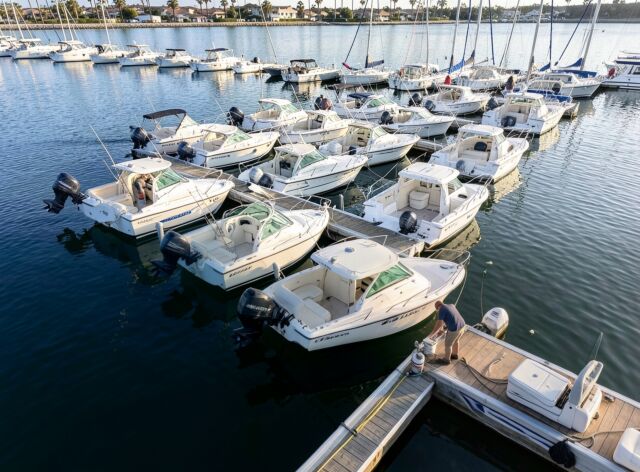
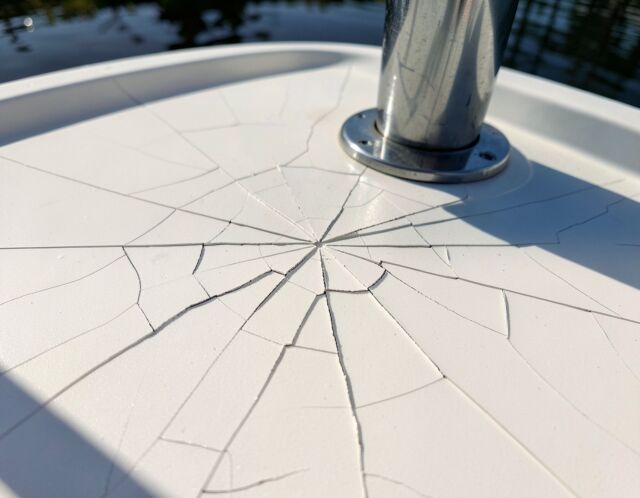
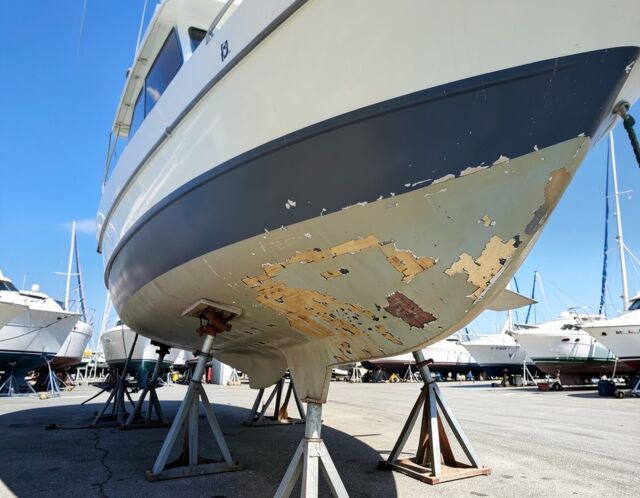
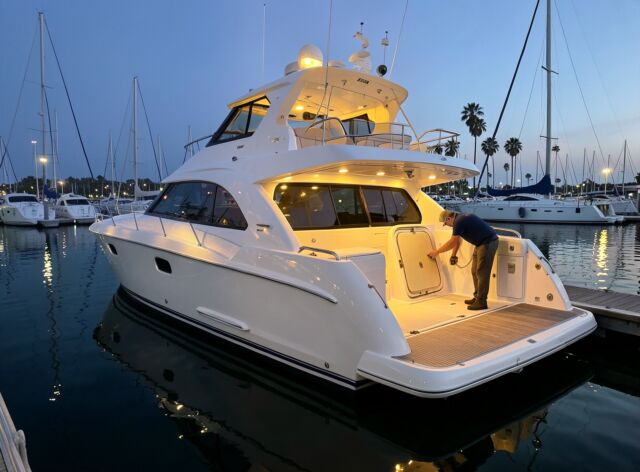
Managing a yacht means coordinating many people: the owner, the captain, the marina, cleaners, canvas makers, surveyors and the mechanics who keep the engines and systems working. A good yacht management maintenance partner takes the hands-on technical work off your plate while leaving you in control of the boat and the owner relationship. This article explains what that partnership should cover, how approvals usually work under the owner's authorization, and what to ask before you choose a partner.
What a maintenance partner should cover
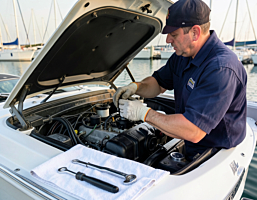
- Scheduled maintenance: engine and generator service on the manufacturer's intervals, cooling and fuel systems, belts, impellers, filters and gear oil.
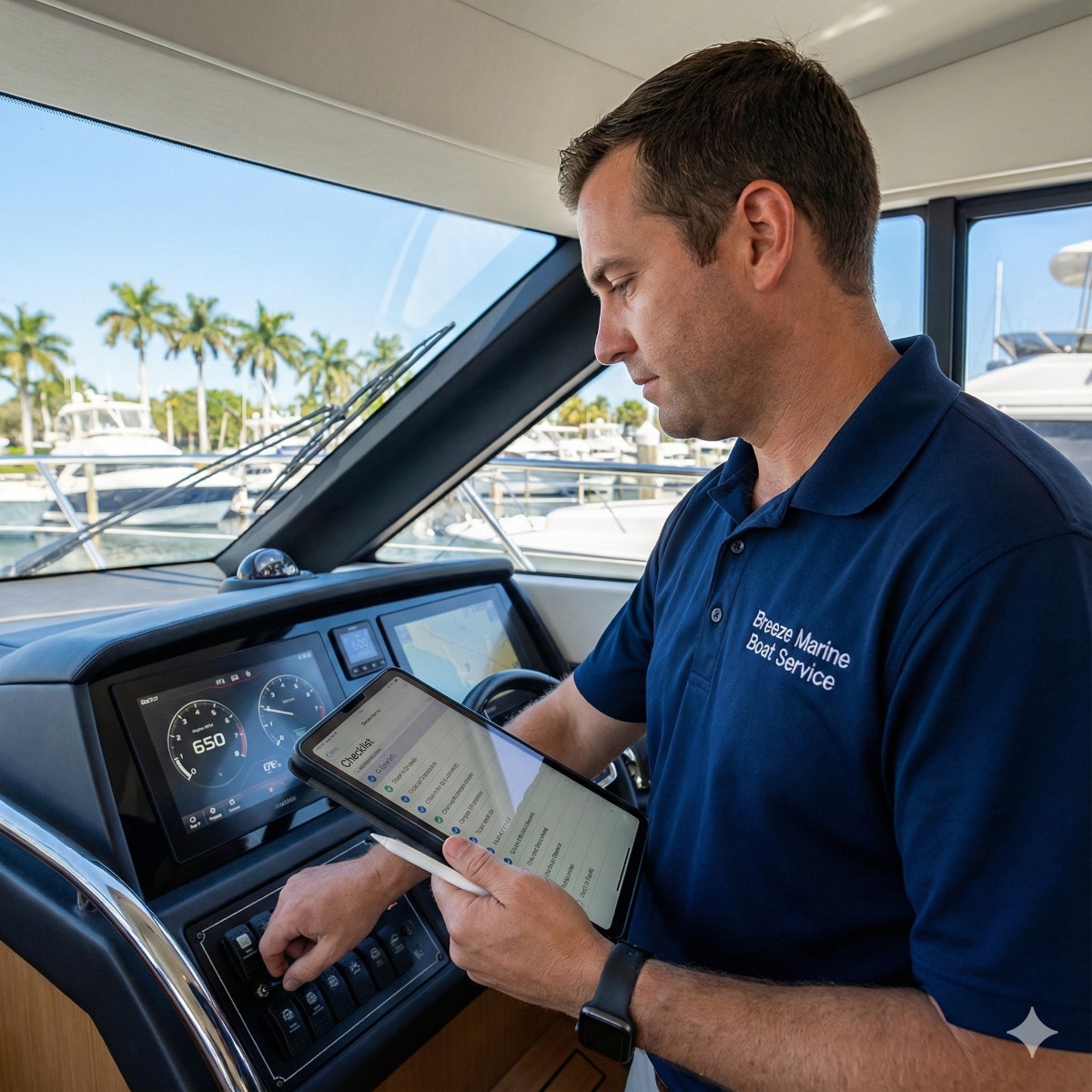
- Systems checks between trips: batteries and chargers, bilge pumps and float switches, high-water alarms, an engine run-up and a look around the engine room.
- Repairs: diagnostics and repairs on engines, electrical systems, steering, pumps and onboard systems.
- Seasonal work: commissioning before the owner's season and lay-up afterwards.
Cleaning, detailing, canvas and upholstery are usually separate trades. A partner who is clear about where their work ends makes your coordination easier, not harder. These are the yacht maintenance services most managers want from a single mechanic team.
Approvals and the owner's authorization
Most owners give their manager or captain authority to approve work up to a set amount, and anything bigger goes back to the owner. Your maintenance partner should fit into that:
- Every repair is quoted in writing before work starts.
- Quotes go to the person who holds the owner's authorization, not to whoever happens to be on the dock.
- Agree in advance what happens when a problem threatens the boat, for example a bilge pump that runs constantly: who is called and what may be done right away to protect the boat.
Writing these rules down at the start avoids awkward conversations with the owner later.
Reports that are useful to owners
Owners who live far away judge a yacht's care by what they receive. A useful visit report includes:
- What was checked and what was found, with photos of anything worth noting.
- Engine and generator hours at the visit.
- Parts replaced and work done.
- Recommendations ranked by urgency: now, before the next trip, or at the next service.
A photo report you can forward without rewriting saves you time on every visit.
Access, keys and marina rules
Practical details matter more than they seem. Agree how keys and gate access are handled, whether the marina office needs to be told about contractor visits, and what paperwork the marina requires from contractors. Plan visits around the owner's trips and any charters, so the boat is never opened up for work when someone expects to use it.
Keep the maintenance history in one place
Each yacht should have a single maintenance history: dates, hours, work done, parts and open items. It helps when a surveyor inspects the boat, when an insurer asks questions, when a warranty claim is made and when the owner sells. If the maintenance partner keeps records, make sure you can get them in a form that stays with the boat.
Questions to ask before choosing a partner
- Will you work from our maintenance plan, or help us build one?
- Who receives quotes, and how are approvals recorded?
- What does a visit report look like? Can we see an example?
- Which engines and systems do you work on, and what do you send elsewhere?
- How do you handle keys, access and marina check-in?
- How are the terms and invoices set up for several yachts?
In Long Beach and San Pedro, our yacht management maintenance partner service is set up around these points, and you can find all of our services for businesses on the commercial and fleet boat services page. For boats that sit between trips, the Monthly Captain's Check is a simple place to start, and good yacht management maintenance often begins exactly there.
Yacht Management Maintenance FAQ
Should the captain or the manager approve repairs?
Whoever holds the owner's authorization. On many yachts the captain approves smaller items and the manager handles larger ones; the important thing is that the rule is written down.
How often should a managed yacht be checked?
It depends on how much the boat is used. Boats that sit for weeks benefit from a monthly check and engine run-up; boats in regular use follow the engine maker's service intervals by hours.
Can one partner look after several yachts?
Yes. A shared schedule and the same reporting format for every boat make a group of yachts easier to manage.