
Your boat’s shifter mechanism is essential for smooth and safe gear changes between forward, neutral, and reverse. A malfunctioning shifter can cause jerky movements, difficulty engaging gears, or even transmission damage. This guide explains common shifter problems, how repairs are done, and what to expect from professional service.
Why Boat Shifter Health Matters
Proper gear shifting ensures control during docking, acceleration, and maneuvering. A faulty shifter risks engine damage, unexpected stops, and unsafe situations on the water.
Common signs of shifter issues:
- Hard or sticky gear changes
- Gear slipping or not engaging
- Loose or wobbly shifter lever
- Grinding noises when shifting
- Delayed gear engagement
Types of Boat Shifters and When to Repair
1. Mechanical Cable Shifters
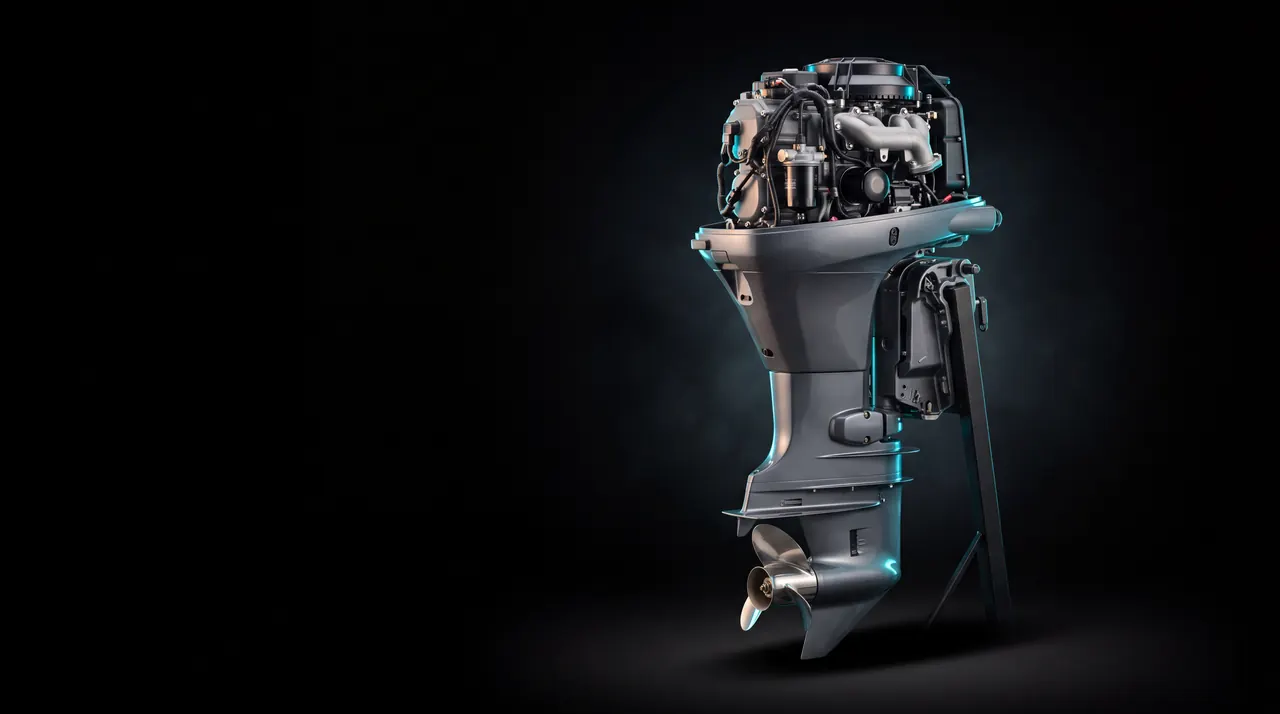
Most common on smaller boats and outboards. Cables may stretch, fray, or bind and need replacement every 5–7 years.
2. Electronic or Hydraulic Shifters
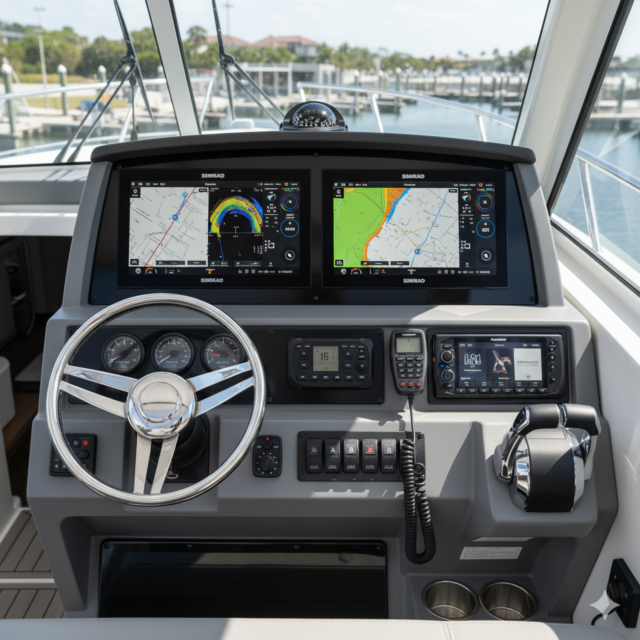
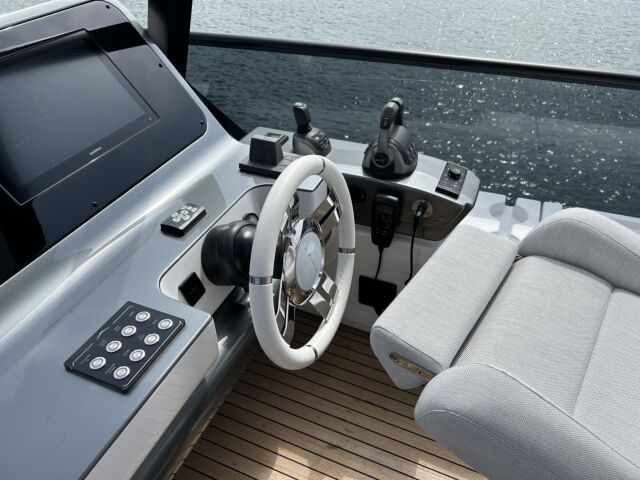
Found on modern and larger vessels. Sensitive to electrical faults or hydraulic leaks. Require regular diagnostics and fluid checks.
Pro tip: Regularly lubricate cable connections and inspect for corrosion to avoid premature wear.
Shifter Repair – What It Involves
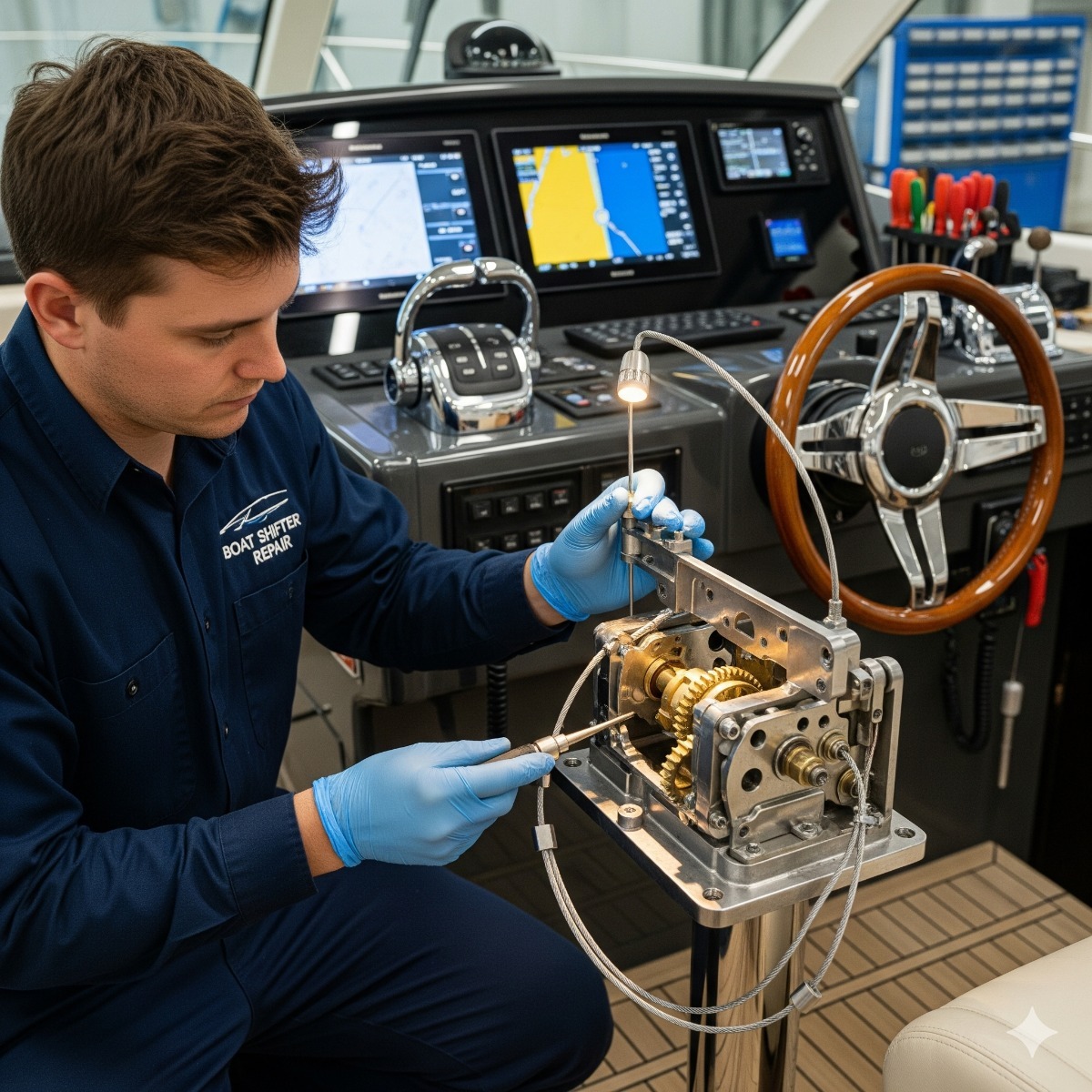
Professional boat shifter repair includes:
- Inspecting shifter assembly and cables
- Boat shift cable replacement when cables are worn or stretched
- Adjusting cable tension and alignment
- Repairing or replacing shift linkage and controls
- Testing smooth gear engagement under load
Common repair issues:
- Broken or kinked shifter cables
- Worn shift linkage bushings
- Misadjusted or seized controls
- Electronic shift sensor faults
Professional Shifter Service – What to Expect
At Breeze Marine Boat Service, a typical shifter service includes:
- Full shifter system inspection
- Cable replacement or adjustment
- Linkage lubrication and alignment
- Electronic diagnostics and sensor check
- Sea trial to ensure smooth shifting
We work with: Teleflex, SeaStar, Mercury, Yamaha shifter systems.
Tips to Keep Your Shifter Smooth
- Lubricate cables annually
- Inspect cables for wear or corrosion
- Avoid forcing the shifter lever
- Schedule regular maintenance checks
- Replace damaged components immediately
Boat Shifter Repair Near You
If you’re in Long Beach, San Pedro, Huntington Harbor, or Marina del Rey, our experienced marine technicians can:
- Replace or repair mechanical and electronic shifters
- Adjust and align shift cables
- Perform full diagnostic and test runs
Contact Breeze Marine Boat Service to book your shifter repair and enjoy smooth gear control on every trip.
Frequently asked questions: boat shifter repair
Is my stiff boat shifter caused by the cable or the control box?
You can usually tell by disconnecting the shift cable at the engine end, with the engine off, and moving the control lever. If the lever now moves smoothly, the stiffness is in the cable or the engine's shift mechanism; if it is still stiff, the control box is the likely problem. Note the cable position so it can be readjusted correctly afterward.
Can I replace a boat shift cable myself?
Handy owners sometimes do, but routing and adjustment are critical. The new cable must match the old length and type, follow smooth bends without tight kinks, and be adjusted so the control's neutral detent lines up with the engine's neutral position. Misadjustment can cause incomplete gear engagement or unexpected shifting, so many owners leave boat shifter repair to a technician with a sea trial.
Why would my boat engine start while the shifter is in gear?
It should not; a neutral safety switch is designed to allow starting only in neutral. If the engine starts in gear, the switch or its adjustment has failed, and the boat could lurch forward or backward unexpectedly. Stop using the boat until the neutral safety switch and shift adjustment have been checked and repaired.
Is upgrading to digital throttle and shift controls worth it?
For some boats it is. Digital controls, available on many newer engines, replace mechanical cables with wiring, which gives smooth shifting with light lever effort and makes multiple helm stations simpler. The upgrade requires compatible engines and electronics, so it is not possible on every boat. On older engines, new cables and a properly adjusted mechanical control often restore smooth shifting.