
Your boat’s generator is essential for powering lights, electronics, appliances, and climate systems while away from shore. When your marine generator fails or runs erratically, it can disrupt your trip—or leave you stranded. This guide covers common generator issues, the importance of diagnostics, and what professional repair involves.
Why a Reliable Generator Matters
A well-maintained generator supplies steady electrical power, supports safety systems, and ensures comfort on extended trips. Generator issues can cause power surges, battery drain, or total system shutdown—especially dangerous at night or offshore.
Common signs of generator problems:
- Hard starting or failure to start
- Rough running or unusual vibration
- Frequent shutdowns or overheating
- Low voltage or flickering lights
- Unusual smoke, fuel smell, or high fuel/oil use
Key Components of a Marine Generator System
1. Engine
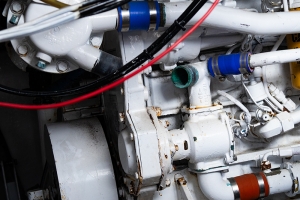
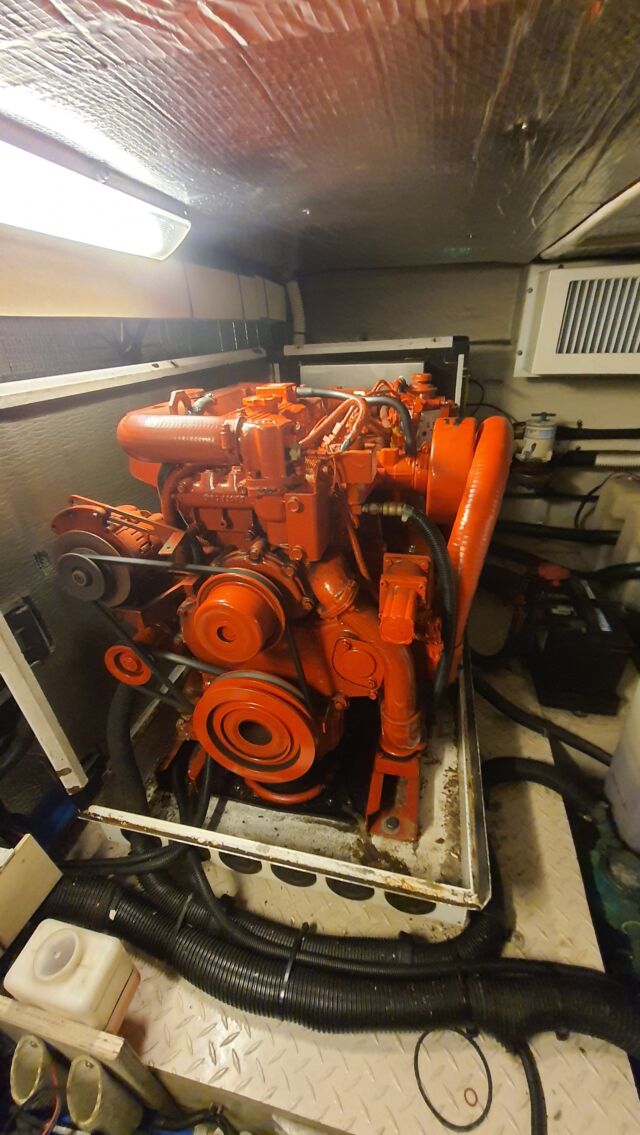
Drives the generator head. Needs regular oil changes, cooling system checks, and fuel filter replacement every 100–200 hours.
2. Alternator / Generator Head
Converts mechanical energy to electricity. Inspect for output voltage and wear on brushes or windings.
3. Voltage Regulator
Maintains consistent electrical output. Faulty regulators may cause power surges or low voltage.
4. Control Panel & Sensors
Displays generator status. Includes shutdown protection based on oil pressure, coolant temp, and battery level.
Pro tip: Never run your generator with low oil—it can trigger an emergency shutdown or cause major engine damage.
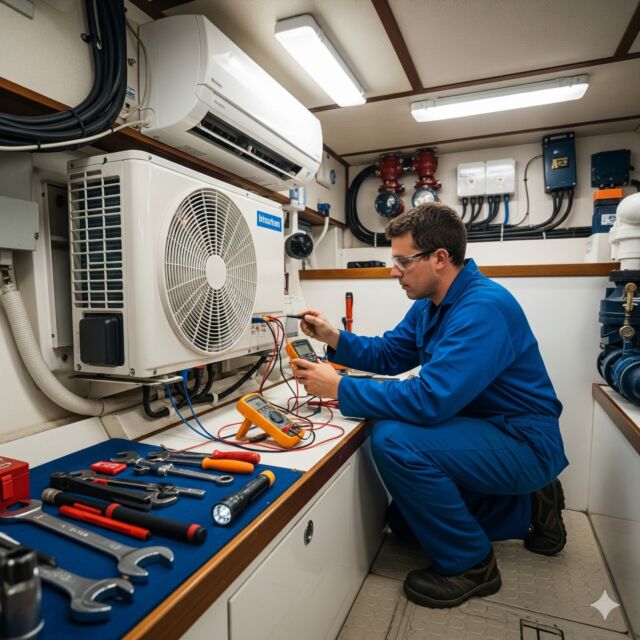
Generator Diagnostics and Repair – What It Involves
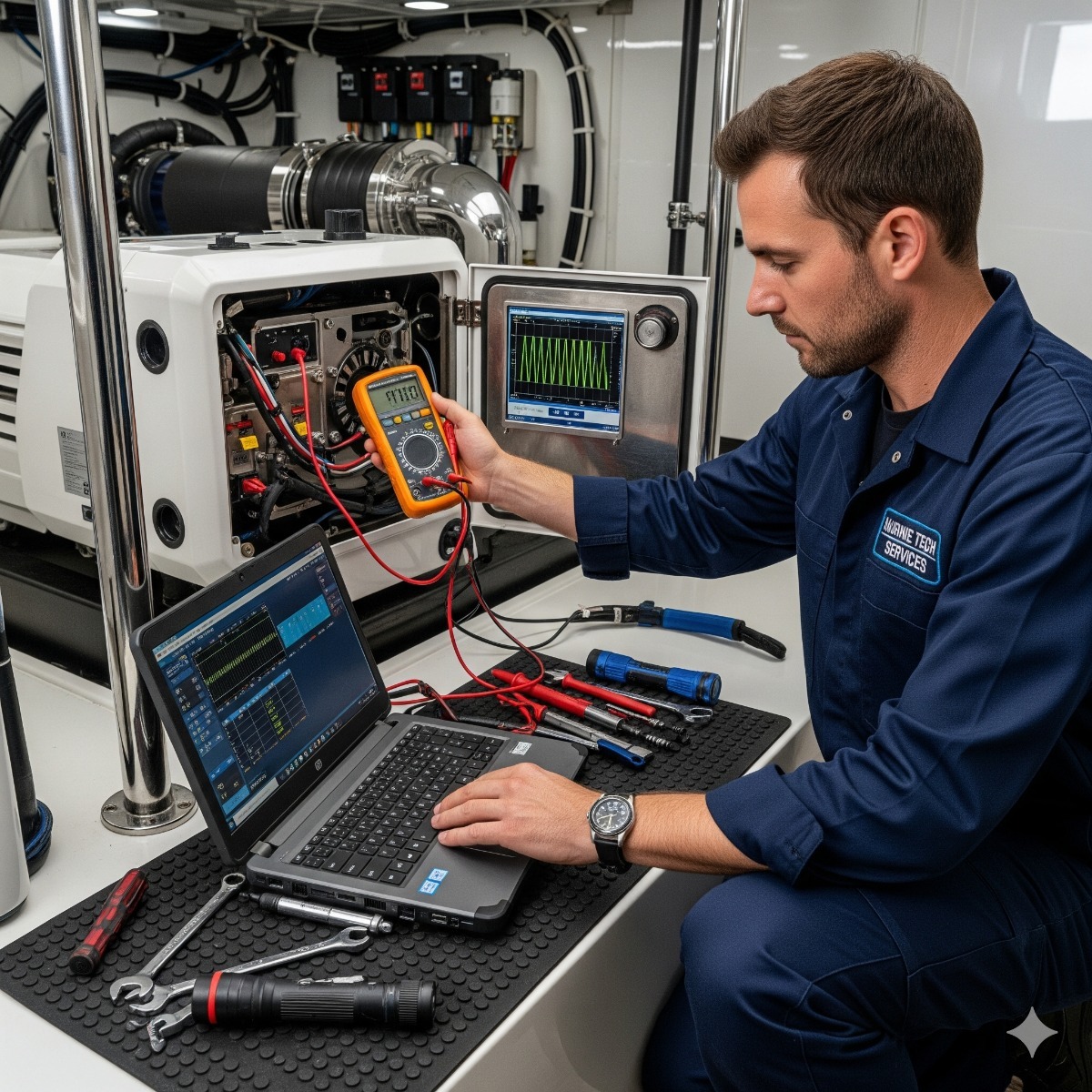
A full diagnostic and service visit may include:
- Start-up and load test
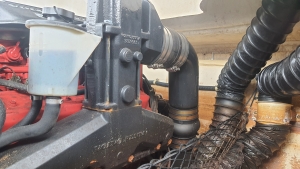
- Oil, coolant, and fuel system inspection
- Battery and charging system check
- Voltage regulation and AC output test
- Cleaning or replacing filters, sensors, and worn parts
Common repair scenarios:
- Overheating from clogged raw water intake or worn impeller
- Fuel starvation due to dirty filters or bad fuel
- Electrical failure from corroded terminals or faulty relays
- Low power output from worn brushes or failing windings
Professional Generator Service – What to Expect
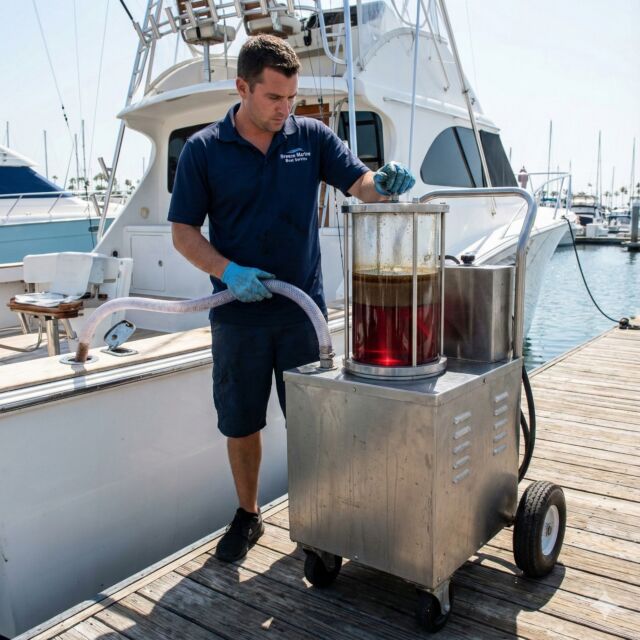
At Breeze Marine Boat Service, a typical boat generator service includes:
- Generator start-up, load simulation, and runtime evaluation
- Compression, spark, and fuel pressure test
- Alternator and voltage regulator diagnostics
- Inspection of exhaust, cooling, and fuel systems
- Replacement of damaged or aged parts using OEM standards
We service: Kohler, Onan, Westerbeke, Northern Lights, Fischer Panda, and more.
Tips to Maintain Your Marine Generator
- Run your generator under load monthly
- Change oil and filters every 100–150 hours
- Flush the cooling system seasonally
- Keep fuel clean and use stabilizers during storage
- Monitor battery voltage and sensor alerts
Boat Generator Repair Near You
If you're in Long Beach, San Pedro, Huntington Harbor, or Marina del Rey, our mobile marine techs can:
- Diagnose and repair onboard generator issues
- Perform routine servicing and filter changes
- Replace voltage regulators, alternators, or control panels
Contact Breeze Marine Boat Service for expert generator diagnostics and reliable repair—ensuring your power stays on when you need it most.
Choosing a generator for boats and when a rewind is needed
A generator for boats is built differently from a portable unit: it is water-cooled, uses a wet exhaust, and gasoline models have ignition-protected parts for an enclosed engine space. Size it by adding up the loads you run at the same time, such as air conditioning, the water heater and battery chargers, plus the starting surge of motors and compressors.
Before paying for a marine generator rewind service, rule out simpler causes of low or no AC output, such as worn brushes, a failed voltage regulator or capacitor, or lost residual magnetism. Testing the output, regulator and windings shows whether a rewind is really needed.
Frequently asked questions: marine generator repair
What causes a marine generator to run with no AC power output?
Common causes include a tripped generator output breaker, a selector switch left on shore power, a failed voltage regulator or capacitor, worn brushes, or a loss of residual magnetism in the generator field. Check the breakers and selector switch first. If those are correct, leave the testing to a technician experienced in marine generator repair, because AC voltage can be dangerous.
Is carbon monoxide from a boat generator dangerous while anchored?
Yes. Generators produce carbon monoxide, and exhaust can collect around the swim platform, cockpit or cabin, especially in calm air or when rafted near other boats. Keep working marine CO alarms in accommodation spaces, never let anyone swim or sit near the exhaust outlet, and have exhaust hoses, mufflers and fittings inspected regularly by a qualified marine technician.
Why should a boat generator be run under load instead of with nothing turned on?
Diesel generators that run lightly loaded for long periods can suffer from wet stacking, where unburned fuel and soot build up in the exhaust and cylinders. Running under a reasonable load brings the engine to full operating temperature, burns off deposits and circulates oil and coolant. Switching on air conditioning or the water heater during monthly exercise runs is an easy way to add load.
Can I run my boat generator while plugged into shore power?
Only if the boat's selector or transfer switch keeps the two sources separate. The AC panel should be fed by either shore power or the generator, never both at once, which prevents back-feeding and damage to equipment. If your panel lacks this protection or the switch is damaged, have a qualified marine electrician inspect it before using either power source.