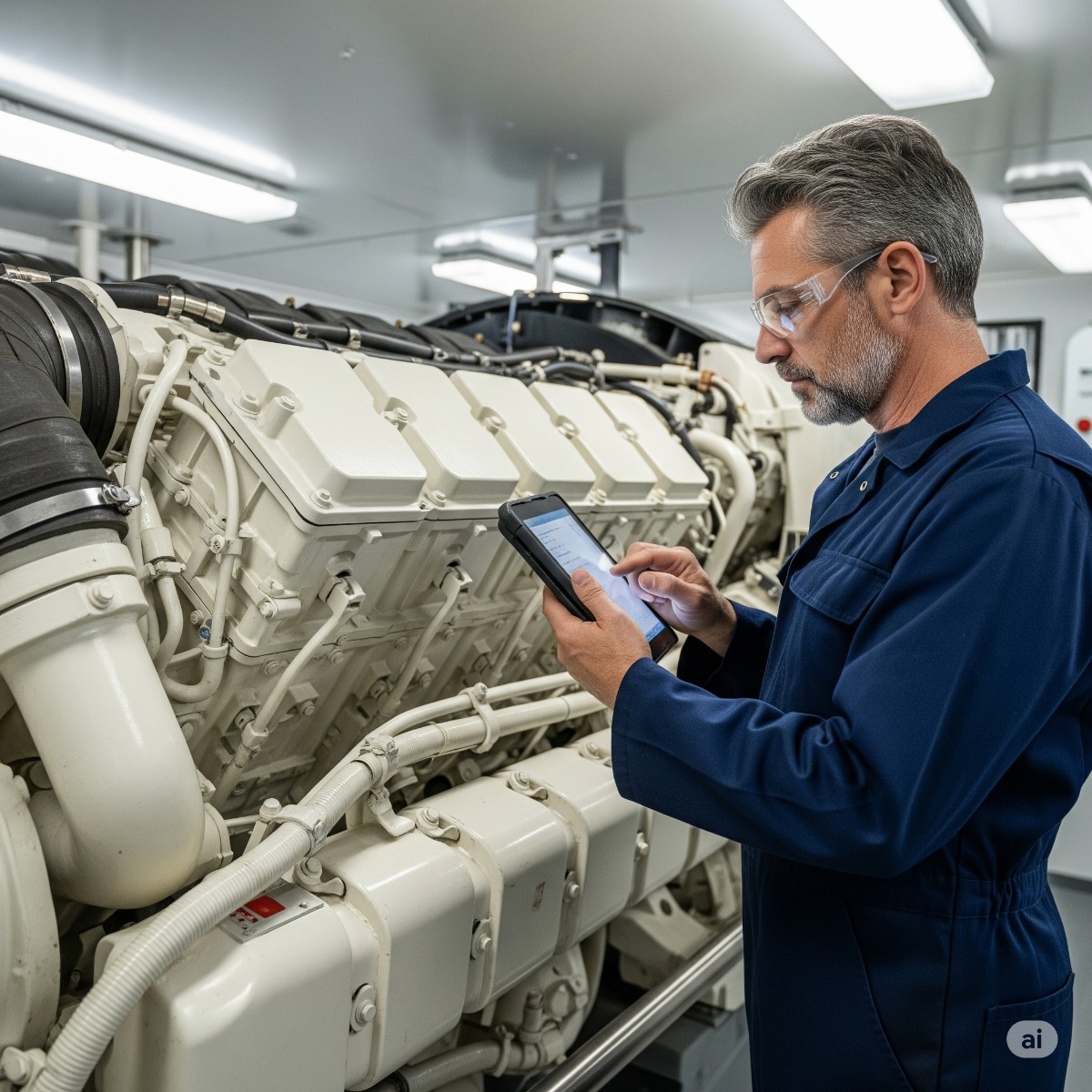

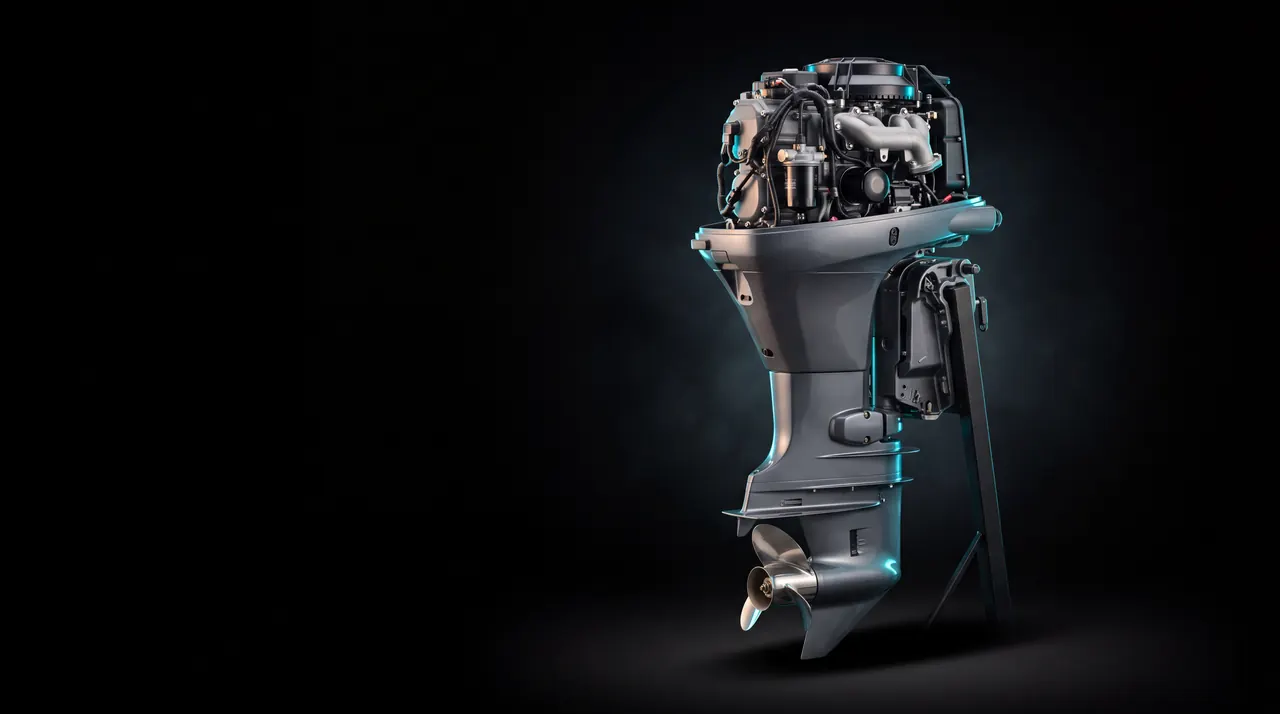
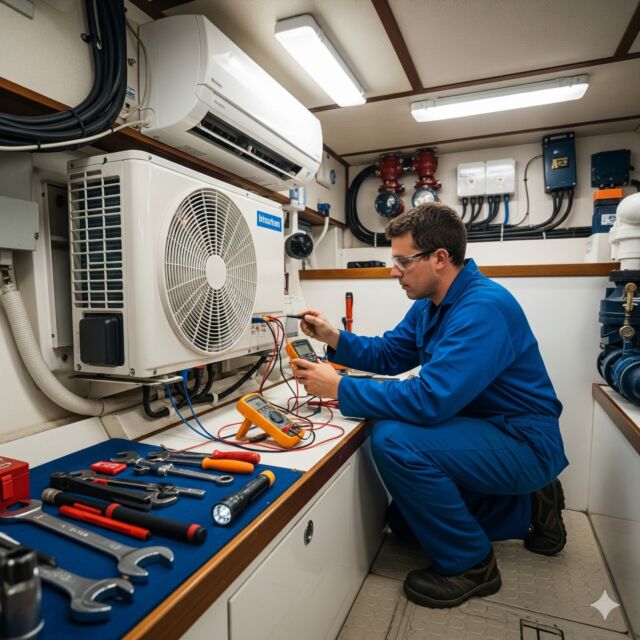
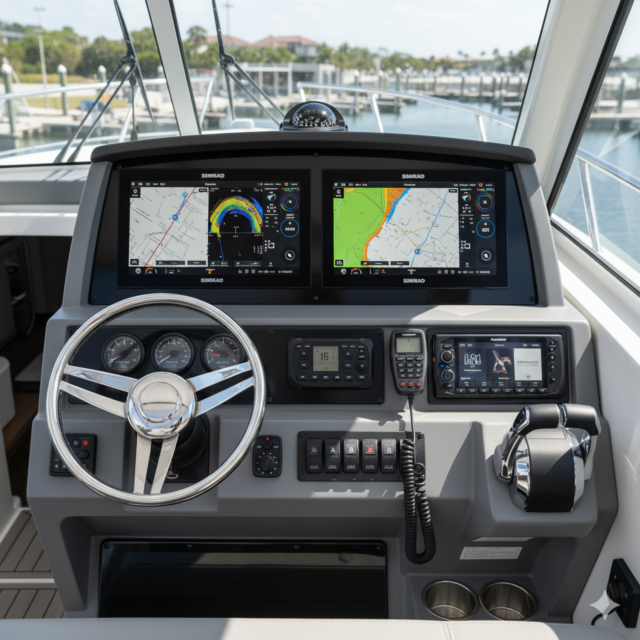
Your boat’s engine is the heart of your vessel, providing the power and reliability you need to enjoy the water safely. When your marine engine experiences problems, quick and professional repair is essential to restore performance and prevent costly downtime. This guide covers common engine issues, why expert diagnostics matter, and what a trusted marine engine repair service offers.
Why Professional Marine Engine Repair Matters
Marine engines operate in harsh environments—exposure to saltwater, vibration, and heavy loads can lead to wear and failure. Professional repairs ensure:
- Accurate diagnosis using marine-specific tools
- Use of OEM or marine-grade parts
- Proper engine tuning and calibration
- Extended engine lifespan and better fuel efficiency
- Increased safety and reliability on the water
Common marine engine problems:
- Hard starting or no start
- Loss of power or rough running
- Overheating and cooling system failures
- Excessive smoke or fuel consumption
- Electrical faults and sensor failures
Key Areas Covered in Marine Engine Repair
1. Engine Diagnostics
Using advanced diagnostic tools, technicians identify issues related to fuel delivery, ignition, cooling, and electronics.
2. Fuel System Repair
Includes cleaning or replacing fuel injectors, fuel pumps, filters, and lines to ensure proper combustion.
3. Cooling System Service
Inspection and repair of raw water pumps, thermostats, heat exchangers, and hoses to prevent overheating.
4. Electrical System Repair
Testing and fixing wiring, sensors, batteries, and charging systems to maintain engine performance.
5. Mechanical Repairs
Addressing wear and damage to pistons, valves, gaskets, and other internal components.
Pro tip: Regular maintenance and early repairs save money and avoid emergencies on the water.
What to Expect from a Professional Marine Engine Repair Service
At Breeze Marine Boat Service, our experienced technicians provide:
- Comprehensive engine inspection and diagnostics
- Transparent repair estimates and OEM parts sourcing
- Efficient repairs, including manufacturer warranty work
- Post-repair testing and sea trials
- Preventive maintenance plans tailored to your boat
Tips for Maintaining Your Marine Engine
- Follow manufacturer-recommended service intervals
- Use high-quality marine fuels and lubricants
- Flush cooling system after saltwater use
- Regularly inspect belts, hoses, and clamps
- Monitor gauges and warning lights carefully
Marine Engine Repair Near You
If you're boating in Long Beach, San Pedro, Marina del Rey, or Huntington Harbor, our mobile and shop services offer reliable marine engine repair wherever you need it.
- Fast boat engine diagnostics to get you back on the water quickly
- Experienced technicians with marine engine expertise
- Competitive pricing and honest advice
Contact Breeze Marine Boat Service today for trusted marine engine repair services and keep your boat running strong season after season.
Frequently asked questions: marine engine repair
What should I check first when my boat engine loses power on the water?
Start with the simple items: fuel level, a clogged fuel filter or water separator, the temperature gauge, warning lights, trim position and anything wrapped around the propeller. If power returns after the engine cools or the fuel filter is cleared, you have a strong clue. If it keeps happening, head back at low speed and schedule a marine engine repair diagnosis before the next trip.
How many hours is considered high for a boat engine?
It depends heavily on engine type and care. As a very rough guide, many gasoline engines are considered high-hour somewhere around 1,500 hours, while well-maintained marine diesels often run several thousand hours before a major overhaul. Maintenance records, compression readings and oil analysis tell you far more about remaining life than the hour meter alone.
Why is it important to flush a marine engine after saltwater use?
Flushing with fresh water removes salt from cooling passages, manifolds and pumps before it dries and hardens. Salt buildup restricts flow, speeds corrosion and is a common cause of gradual overheating on raw-water-cooled engines. Follow your engine manual for the flushing method, since outboards, sterndrives and closed-cooled inboards connect differently, and never run the engine without steady water flow.
What does a sea trial check after a boat engine repair?
A sea trial confirms the repair under real load. The technician typically checks that the engine reaches its rated wide-open-throttle RPM, watches temperature, oil pressure and charging voltage, listens for vibration or unusual noises, and verifies shifting and steering. Running on the water reveals problems a dockside test can miss, such as overheating that only appears at cruising speed.