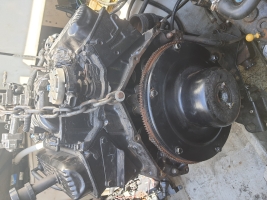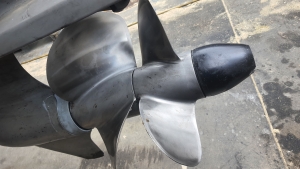
The marine transmission is responsible for transferring power from your engine to the propeller, enabling forward, neutral, and reverse motion. A faulty transmission can cause shifting delays, loss of propulsion, or grinding noises—potentially leaving your boat stranded. This guide explains common transmission issues, repair steps, and how proper maintenance ensures smooth and reliable performance on the water.
Why Transmission Health Is Critical
A marine transmission ensures efficient power delivery and maneuverability. When it fails, you may experience:
- Delayed or failed gear engagement
- Slipping gears or jerky transitions
- Loud noises or vibrations during shifting
- Loss of propulsion despite engine running
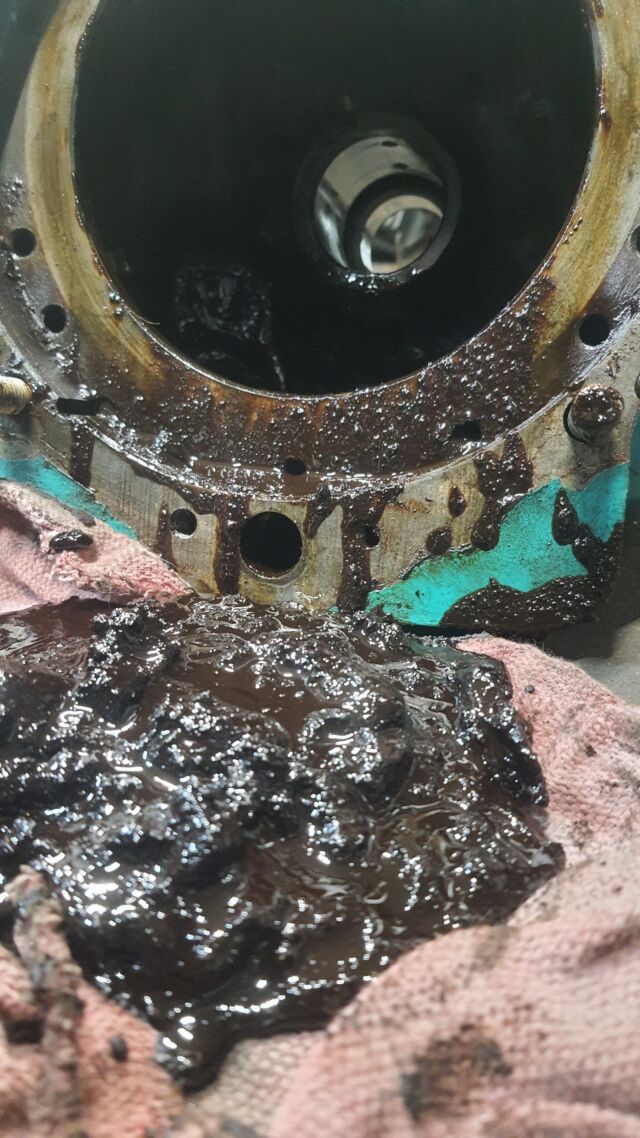
- Burnt transmission fluid smell or discoloration
Common Signs of Transmission Problems:
- Hard or delayed shifting between gears
- Whining or clunking sounds from gearbox
- Transmission overheating warning
- Fluid leaks under the engine compartment
- Propeller not spinning despite engine revving
Components and Repair Considerations
1. Clutch Assemblies and Plates
Worn or glazed clutches can cause slipping or harsh shifts and may need resurfacing or replacement.
2. Transmission Fluid and Filters
Old or contaminated fluid reduces lubrication and can damage internal components. Filters must be clean and replaced regularly.
3. Shift Linkage and Cables
Loose, stretched, or corroded linkages can prevent full gear engagement or cause control issues.
Pro tip: Never force the throttle into gear. Hard shifting is a sign something needs inspection or adjustment.
What’s Involved in Marine Transmission Repair
Professional transmission repair typically includes:
- Full diagnostic testing and performance evaluation
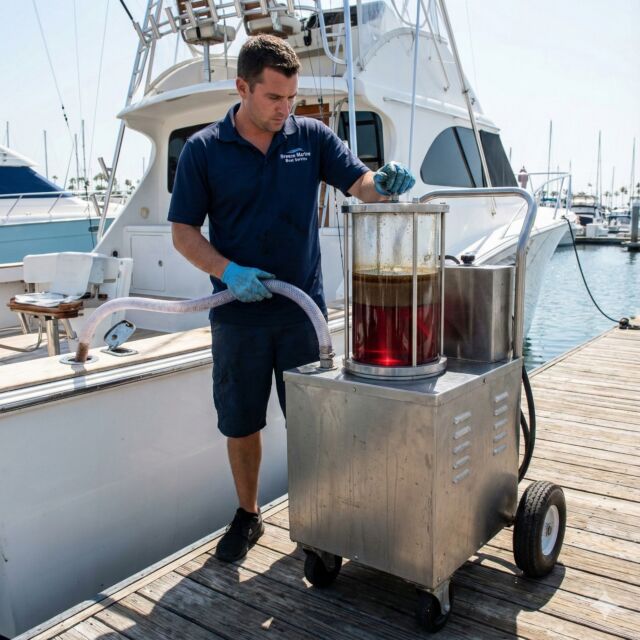
- Transmission fluid flush and filter replacement
- Disassembly and inspection of clutch packs and gears
- Replacement of worn or damaged parts
- Reassembly, alignment, and water-tested functionality
Common Repair Scenarios:
- Slipping transmission from worn clutches
- Contaminated fluid causing overheating
- Damaged shift cable or control arm
- Internal seal or bearing failure
Expert Transmission Service by Breeze Marine
At Breeze Marine Boat Service, we diagnose and repair marine transmissions for:
- Straight inboard and V-drive engines
- Sterndrive (I/O) systems
- High-performance and diesel-powered boats
We use OEM-spec parts and verify every repair with full sea-trial testing or dyno simulation where available.
Tips for Maintaining Your Marine Transmission
- Check fluid levels and color regularly
- Replace fluid and filters every 100–150 hours
- Inspect shift linkage and controls annually
- Flush cooling circuits if integrated with transmission
- Listen for new noises or shifting delays
Marine Transmission Repair Near You
If you’re in Long Beach, San Pedro, Marina del Rey, or Huntington Harbor, our experienced technicians offer on-site or in-shop transmission diagnostics, service, and repairs.
- Fluid changes and filter service
- Gear and clutch replacement
- Shift cable adjustment or installation
- Complete transmission rebuilds
Contact Breeze Marine Boat Service today for smooth, reliable shifting and total power control on the water.
Frequently asked questions: marine transmission repair
What color should marine transmission fluid be, and what does milky fluid mean?
Fresh fluid is typically red if your gearbox uses ATF, or amber if it uses engine oil, so check your manual for the specified type. Milky or pinkish fluid usually means water is getting in, often through a failed transmission oil cooler or seal, and needs prompt attention. Dark fluid with a burnt smell points to overheating or clutch wear.
Can I use automatic transmission fluid in my boat's gearbox?
Only if the manufacturer specifies it. Many marine gearboxes are designed to run on ATF, while others call for engine oil or a specific gear oil. Using the wrong fluid can cause clutch slipping, harsh shifts or internal damage, so confirm the fluid type and fill level in the transmission or engine manual before topping off or changing it.
What causes a boat transmission to overheat?
Common causes are low or incorrect fluid, slipping clutches and a restricted transmission oil cooler. Many inboard gearboxes are cooled by raw water passing through a small cooler, so scale, debris or impeller fragments blocking it, or weak raw water flow, will raise transmission temperature. A marine transmission repair diagnosis usually checks fluid condition, cooler flow and operating pressure together.
What is a damper plate and how do I know it has failed?
A damper plate is a spring-loaded coupling between the engine flywheel and an inboard transmission that absorbs torsional shock. A failing plate often causes a rattling or chattering noise at low RPM, a loud clunk when shifting or, when its splines strip, a sudden loss of drive while the engine runs normally. Replacing it requires separating the transmission from the engine.
A diesel engine rebuild can breathe new life into your vessel's propulsion system by replacing worn components with fresh ones, restoring optimal performance.