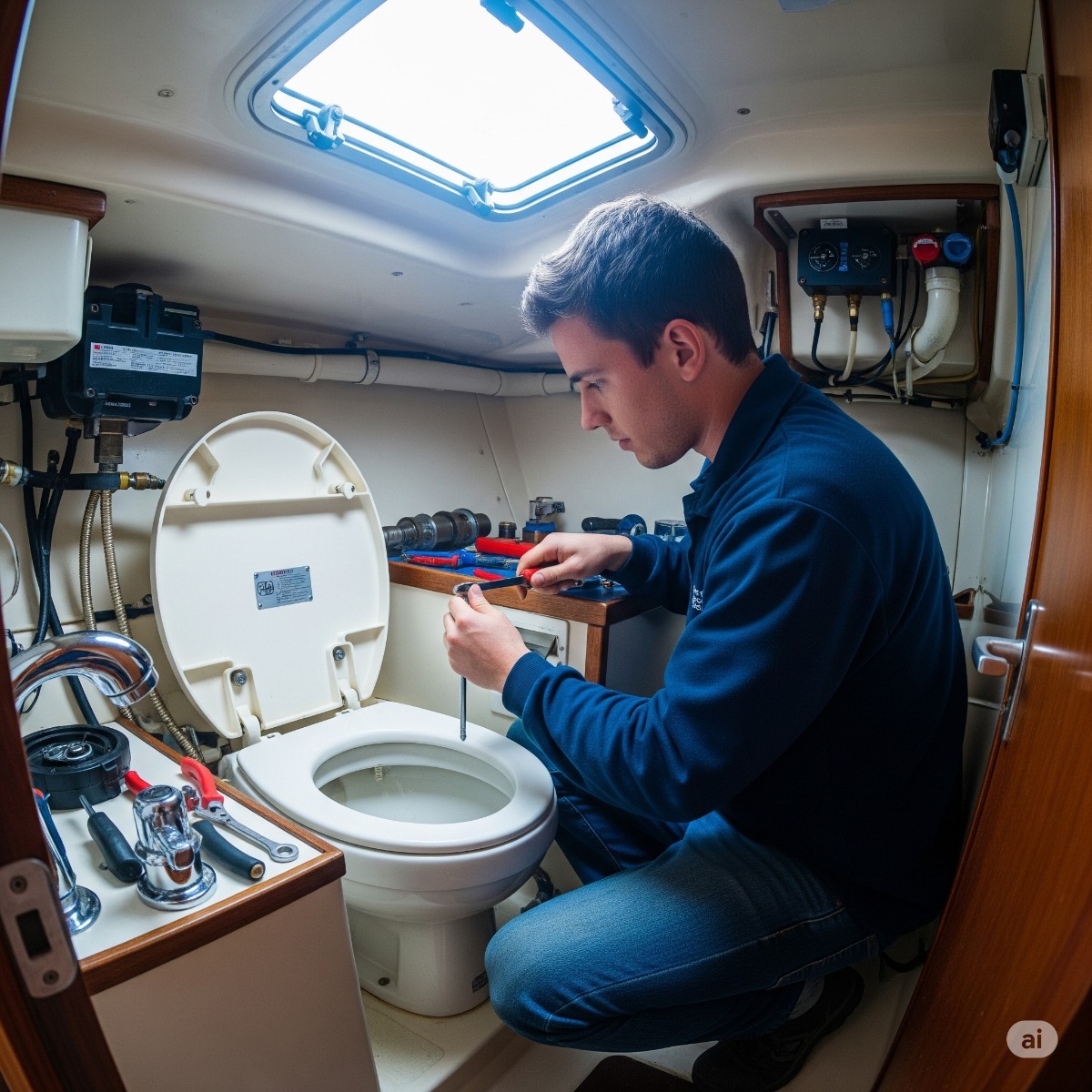
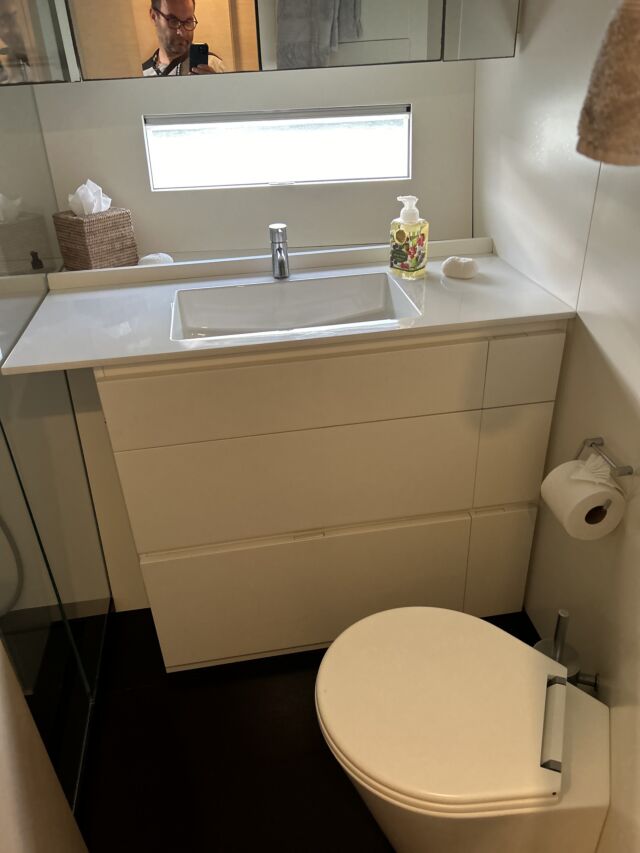
The marine toilet system is essential for comfort and sanitation during any boat trip. A malfunctioning toilet can lead to foul odors, water leaks, or system blockages – all of which can ruin your day on the water. This guide explains common marine toilet issues, repair procedures, and how regular service ensures reliable and hygienic onboard function.
Why Marine Toilet Function Is So Important
A properly working marine toilet provides clean and efficient waste removal while preventing contamination and odors. When the system fails, you may face:
- Foul smells from holding tanks or leaking seals
- Clogged lines causing toilet backup
- Non-functional pumps or electric flushing systems
- Leaks causing water damage or flooding
- Health hazards due to untreated waste exposure
Common Signs of Marine Toilet Problems:
- Toilet not flushing or flushing weakly
- Unpleasant smells in the head compartment
- Manual pump resistance or air leaks
- Slow draining or backed-up bowl
- Water or waste leaks around toilet base or hoses
Components and Repair Considerations
1. Toilet Pump (Manual or Electric)
Worn valves, impellers, or motors often need cleaning, seal replacement, or full rebuild.
2. Seals and Joker Valves
These parts keep waste and odors sealed in the system. Cracked or aged rubber must be replaced.
3. Hoses and Holding Tanks
Clogged or permeated hoses can leak odor. Holding tanks may need cleaning, vent repair, or full replacement.
Pro tip: Use only marine-grade toilet paper and regular tank treatments to reduce clogs and odor buildup.
What’s Involved in Marine Toilet Repair
Professional boat head repair includes:
- Inspection of toilet operation and pump function
- Disassembly and deep cleaning of internal parts
- Replacement of seals, valves, and impellers
- Leak testing and hose pressure inspection
- System reassembly and full function test
Common Repair Scenarios:
- Worn joker valve causing backflow
- Blocked or collapsed discharge hose
- Faulty macerator or electric flush pump
- Air leaks preventing full manual flush
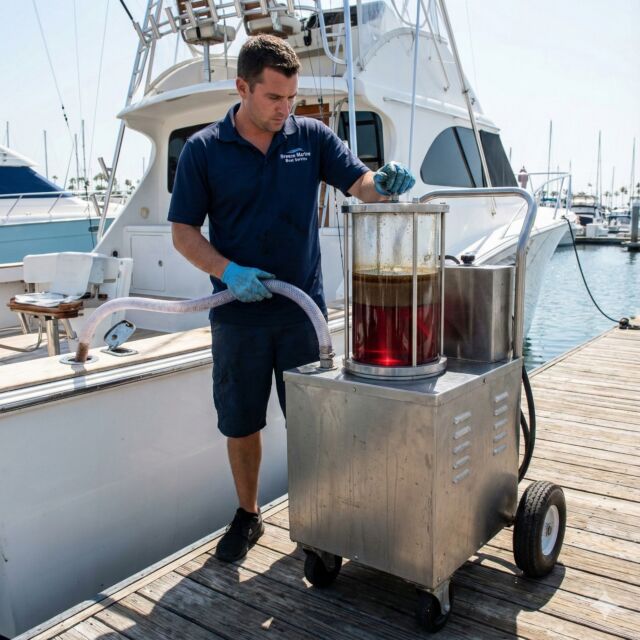
Expert Marine Toilet Service by Breeze Marine
At Breeze Marine Boat Service, we specialize in marine sanitation repair, diagnosing and repairing systems for:
- Manual and electric marine toilets
- Vacuum-flush and macerator systems
- Freshwater and saltwater-flush configurations
We use OEM-grade marine sanitation parts and ensure full disinfection and pressure testing after repairs.
Tips for Maintaining Your Marine Toilet System
- Flush with plenty of water after each use
- Use holding tank treatments regularly
- Replace joker valve annually
- Inspect hoses for leaks and odor permeation
- Never use household cleaners – they damage seals and valves
Marine Toilet Repair Near You
If you're located in Long Beach, San Pedro, Marina del Rey, or Huntington Harbor, our mobile technicians provide fast and hygienic marine toilet repair on-site or in-shop.
- Manual and electric toilet repairs
- Seal and valve replacement
- Macerator diagnostics
- Odor source tracking and elimination
Contact Breeze Marine Boat Service today to restore comfort and sanitation on your vessel – and enjoy worry-free trips again.
When a Macerator or Holding Tank Pump Fails
A boat holding tank pump that hums but moves nothing is usually jammed by wipes, excess paper or a worn impeller, while one that stays silent more often points to a blown fuse, bad switch or corroded wiring. Avoid running a pump that is jammed or dry, since many macerator pumps use a flexible impeller that wears quickly without water. Macerator pump repair typically means clearing the chopper blade and housing, replacing the impeller and seals, and checking the discharge hose and valves for blockages before the system is tested again.
Frequently asked questions: marine toilet repair
What causes water to slowly fill my marine toilet bowl between uses?
Most often, seawater is siphoning in through the intake side, usually past a worn pump seal or valve, especially when the toilet sits near or below the waterline. If the water entering is dirty, the joker valve is more likely letting discharge flow back into the bowl. A properly installed vented loop on the intake line, where required, helps prevent siphoning.
How can I tell if my boat's sanitation hose is permeated?
Rub a section of hose with a warm, damp cloth, then smell the cloth; if it carries the odor, the hose itself is permeated and cleaning will not fix it. Older hoses are common culprits, and replacing them with a quality low-permeation sanitation hose usually solves the smell. Also check the holding tank vent, because a blocked vent causes odors too.
Is it legal to discharge a boat toilet in California coastal waters?
Not with untreated sewage. Federal rules prohibit discharging raw sewage in US waters within three nautical miles of shore, and many California harbors and bays are designated No Discharge Zones where even treated sewage cannot go overboard. In practice, local boaters use holding tanks and marina pump-out stations. Check current rules for the harbor you use, since designations vary.
Can I convert a manual marine toilet to an electric one?
Yes, many manual toilets can be converted with a manufacturer kit, or replaced with an electric macerating toilet. Plan for battery capacity, correctly sized wiring and circuit protection, and consider a freshwater flush option to reduce odors. The new unit must match your holding tank and discharge plumbing, so many owners handle the upgrade during a marine toilet repair.