The ignition system is the heart of your boat’s engine start-up and overall performance. When ignition components fail, they can cause hard starts, engine misfires, or complete no-start situations—leaving you stranded. This guide covers common ignition issues, component repairs, and how proper maintenance ensures safe and smooth operation every time you turn the key.
Why Ignition System Health Is Critical
A reliable ignition system provides the spark that ignites fuel in your engine. Faulty components can lead to:
- Hard starting or failure to start
- Rough idle and engine misfiring
- Reduced fuel efficiency
- Loss of power or stalling at sea
- Damage to coils, plugs, and other engine parts
Common Signs of Ignition System Problems:
- Engine cranks but won’t start
- Weak or no spark at spark plugs
- Frequent stalling or hesitation under load
- Dashboard warning lights (on EFI engines)
- Backfiring or surging
Components and Repair Considerations
1. Ignition Coil and Module
These generate high voltage for spark. Failure causes weak or intermittent ignition and must be tested or replaced.
2. Spark Plugs and Wires
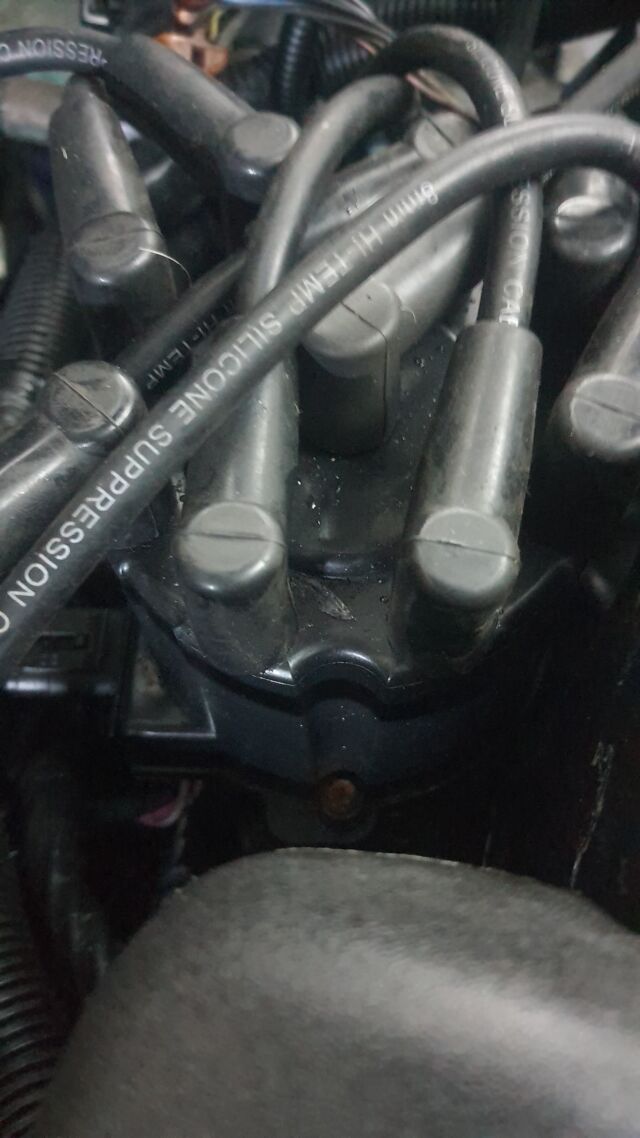
Corroded plugs or worn wires reduce spark quality. Proper gapping and marine-rated components are essential.
3. Distributor or ECM (Electronic Control Module)
For older engines, distributor caps and rotors need inspection. EFI engines may require ECM diagnostics and resets.
Pro tip: Always use marine-grade ignition parts—automotive equivalents can fail quickly in saltwater environments.
What’s Involved in Ignition System Repair
Professional ignition system repair includes:
- Diagnostic testing of ignition voltage and spark signal
- Visual inspection of wires, plugs, and coils
- ECM fault code scanning (for modern engines)
- Replacement of faulty ignition parts
- Timing adjustments and engine test run
Common Repair Scenarios:
- No-start due to failed ignition coil
- Corroded spark plugs or broken wires
- Faulty kill switch or ignition key switch
- ECM errors preventing ignition function
Expert Marine Ignition Repair by Breeze Marine
At Breeze Marine Boat Service, we repair and tune marine ignition systems on:
- Inboard and outboard engines (2-stroke and 4-stroke)
- Carbureted and EFI marine systems
- Gasoline or dual-fuel engine configurations
We use OEM-grade ignition parts, waterproof connectors, and advanced diagnostic tools to restore safe and dependable engine operation.
Tips for Maintaining Your Boat’s Ignition System
- Inspect spark plugs and wires every 100 hours
- Use dielectric grease on ignition connectors
- Keep ignition components dry and protected
- Test the kill switch regularly
- Store ignition key away from saltwater or corrosion
Ignition System Repair Near You
If you’re in Long Beach, San Pedro, Marina del Rey, or Huntington Harbor, Breeze Marine’s mobile techs offer reliable ignition diagnostics and repair at your dock or in our shop.
- Ignition troubleshooting and spark testing
- Spark plug and coil replacement
- Kill switch and starter diagnostics
- EFI ignition system reprogramming and calibration
Contact Breeze Marine Boat Service today to restore your ignition system and enjoy smooth, confident engine starts every time you hit the water.
Choosing Replacement Plugs for a Marine Engine
If you shop boat spark plugs yourself, start with the plug type, heat range and gap listed in your engine manual rather than a generic cross-reference. The wrong heat range can foul plugs at low speed or overheat them under load, and an incorrect gap weakens spark. Choose marine-rated plugs and check the gap before installation. At every spark plug replacement, put a thin film of dielectric grease inside the boots, tighten to the manufacturer's torque and replace plugs as a set so every cylinder fires evenly.
Frequently asked questions: ignition system repair
Can a kill switch lanyard stop a boat engine from starting?
Yes, and when a boat won't start, it is one of the first things to check. If the lanyard clip is missing or not fully seated, the kill switch grounds the ignition, so the engine may crank without firing or refuse to crank on some models. A corroded or failing switch can do the same. A quick continuity test of the switch is part of a thorough ignition system repair.
What do spark plug colors tell you about a marine engine problem?
A light tan or gray insulator usually indicates healthy combustion. Dry black soot suggests a rich mixture or weak spark, wet oily plugs can point to oil burning or a dead cylinder, and white or blistered tips may signal overheating or a lean condition. Compare plugs from all cylinders, since one plug that looks different often identifies the problem cylinder.
Why would a boat engine misfire at high RPM but idle smoothly?
Weak spark is a common reason, because a failing coil, worn plug gap or cracked plug wire may fire at idle but break down under the higher cylinder pressure of heavy load. Fuel delivery problems such as a clogged filter or weak fuel pump can feel similar, so a technician usually tests spark under load and checks fuel pressure before replacing parts.
What does dielectric grease do on boat ignition connectors?
Dielectric grease seals connectors against moisture and salt, which helps prevent the corrosion behind weak or intermittent spark. It does not conduct electricity, so it is applied as a thin film inside plug boots and on connector seals rather than packed between contacts. Reapplying it whenever plugs or wires are serviced is a simple habit that protects marine ignition parts.
See also: Boat Overheating? How to Spot a Failing Water Pump.