

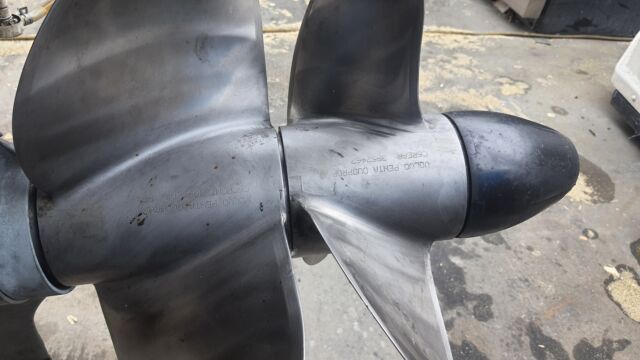
The propeller is your boat’s direct connection to the water. It converts engine power into movement and affects speed, fuel consumption, and control. A damaged or unbalanced propeller can lead to vibration, engine strain, and even drivetrain damage. This guide covers common prop issues, how to repair them, and why proper propeller care ensures smooth and efficient boating.
Why Propeller Condition Is Critical
Even minor damage to a propeller affects performance. A properly repaired prop helps maintain:
- Maximum thrust and acceleration
- Fuel efficiency and engine life
- Smooth vibration-free cruising
- Precise handling and docking control
- Protection of shaft seals and bearings
Common Signs of Propeller Problems:
- Visible dings, bends, or chips on blades
- Unusual vibration or noise at speed
- Reduced top speed or fuel economy
- Difficulty maintaining a straight course
- Cavitation or aeration during acceleration
Components and Repair Considerations
1. Blade Edge and Shape
Even small nicks or bends in the blade affect performance. Skilled repair restores original contour and balance.
2. Hub and Rubber Bushing
Damaged hubs may cause slippage. Bushing replacement restores secure power transfer.
3. Propeller Shaft Interface
Misalignment from a bent prop can damage the shaft or transmission. Precision balancing is essential.
Pro tip: Don’t ignore vibration — it’s often a sign of hidden prop or drivetrain issues that worsen over time.
What’s Involved in Propeller Repair
Professional propeller repair includes:
- Visual inspection and dynamic balancing
- Measuring blade pitch and diameter
- Straightening bent blades
- Welding and refinishing damaged edges
- Hub or bushing replacement if needed
Common Repair Scenarios:
- Dock or rock strike damage
- Bent or cracked blade tips
- Excessive cavitation from damaged surfaces
- Hub spinning under load
Expert Propeller Service by Breeze Marine
At Breeze Marine Boat Service, we offer precision propeller repair and replacement services for:
- Aluminum and stainless-steel props
- 3, 4, and 5-blade configurations
- Sailboats, outboards, inboards, and sterndrives
We restore proper pitch, balance, and polish to ensure peak performance and safety.
Tips for Maintaining Your Propeller
- Inspect blades regularly for nicks or cracks
- Check for fishing line wrapped around the shaft
- Remove the propeller once a season to inspect the hub and seals
- Lubricate the shaft with marine grease
- Address any vibration immediately
Propeller Repair Near You
If you're in Long Beach, San Pedro, Marina del Rey, or Huntington Harbor, Breeze Marine offers mobile and in-shop propeller diagnostics, repair, and replacement.
- Blade reconditioning and balance
- Hub and bushing replacement
- Welding and pitch restoration
- Propeller removal and reinstallation
Contact Breeze Marine Boat Service today to get your boat running smoother, faster, and more efficiently with expert propeller repair.
How to balance a boat propeller
Balancing a prop means more than making the blades weigh the same. First, the pitch of every blade is measured, because a slightly bent blade or one with a different pitch causes vibration even when the prop weighs out evenly. The prop then goes on a balancing stand: the heavier blade swings to the bottom, and a little metal is removed from it until the prop stays level in any position.
Without a stand and pitch gauges this is hard to do at home. You can check for fishing line, a spun hub and visible dings yourself, but leave the measuring and balancing to a propeller repair shop.
Frequently asked questions: propeller repair
Is it worth repairing a damaged aluminum prop or should I buy a new one?
It depends on the damage. Minor dings, bent tips and small nicks on an aluminum prop are often worth repairing, since a skilled shop can restore pitch and balance. Large missing sections, cracks near the hub or heavy corrosion can make replacement the better choice. A propeller repair inspection that measures pitch and checks the hub gives you a clear answer before you spend money.
What is the difference between propeller cavitation and ventilation?
Ventilation happens when surface air or exhaust gets drawn into the blades, often in tight turns or with the engine trimmed or mounted too high, and the prop suddenly loses grip. Cavitation is the formation of vapor bubbles on the blade surface from low pressure, often made worse by damaged edges, and it can erode the metal over time. Both can make RPM jump without added speed.
Which propeller pitch is right for my boat and engine?
The right pitch lets the engine reach the wide-open-throttle RPM range listed in its manual with a typical load aboard. If it falls short of that range, the pitch is usually too high; if it runs past the top, the pitch is often too low. As a rough guide, each inch of pitch changes RPM by about 150 to 200, and a damaged prop can skew readings.
Why does my engine rev up but the boat will not accelerate?
A spun propeller hub is a common cause, especially after the prop has struck something. When the rubber or plastic hub insert slips inside the prop, the engine revs up while little thrust reaches the water. Ventilation and a slipping transmission or drive can feel similar, so have the prop and hub checked; replacing the hub insert or bushing often restores full power transfer.
Regular maintenance is key to extending the life of your marine screws and keeping your boat running smoothly.