
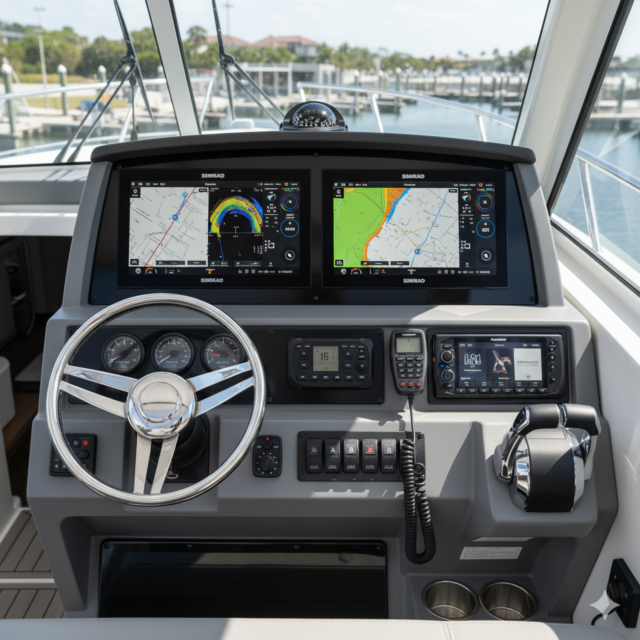
Your boat’s steering system is what gives you full control on the water. Whether you’re using a cable steering system or a hydraulic helm setup, any failure can quickly turn dangerous. This guide covers how to detect steering problems, when to repair or replace components, and what professional marine steering service includes.
Why Steering System Health Is Critical
A responsive and reliable steering system is essential for docking, high-speed turns, and safe maneuvering in tight spaces. Wear, salt, corrosion, or air in the system can cause loss of control—putting your boat, crew, and nearby vessels at risk.
Common signs of steering issues:
- Stiff or locked steering wheel
- Play in the wheel or inconsistent response
- Visible fluid leaks near the helm or cylinder
- Steering pulls to one side
- Grinding noise when turning
Types of Marine Steering Systems and When to Service Them
1. Mechanical (Cable) Steering
Most common in small to mid-size boats. Cables stretch or seize with age. Expect replacement every 5–7 years.
2. Hydraulic Steering
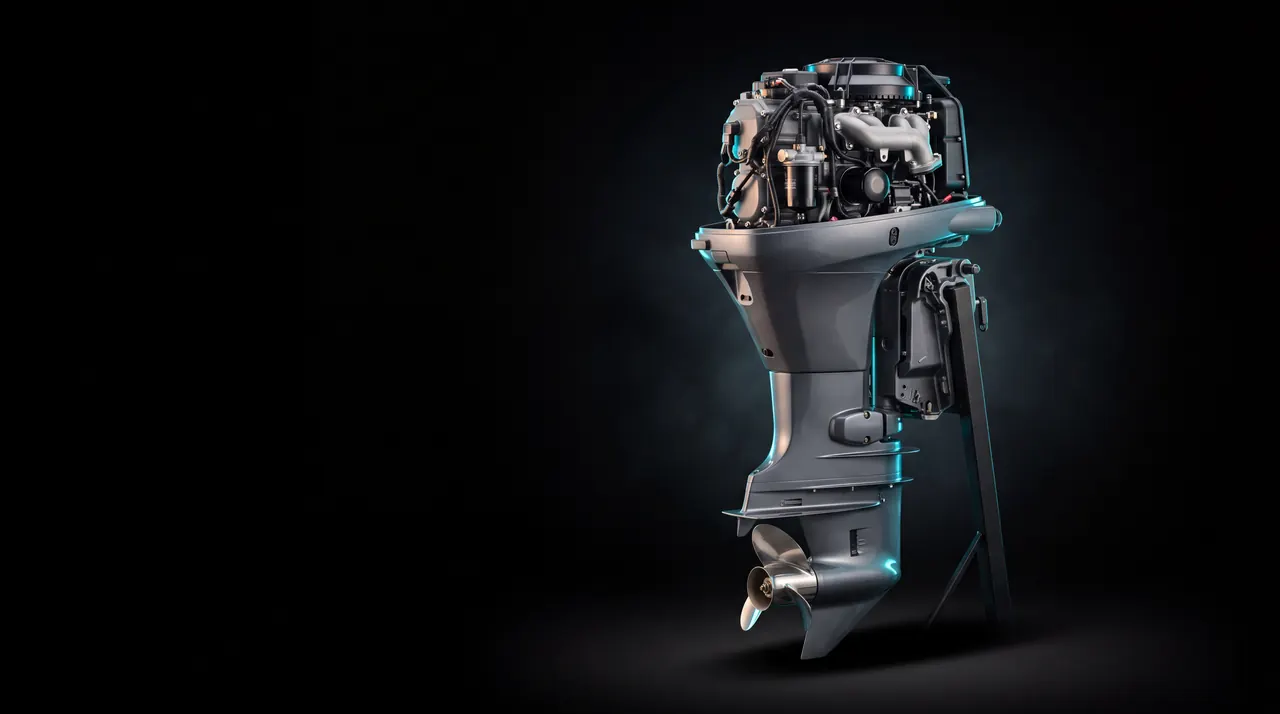
Ideal for larger boats and outboards. Air in the lines or fluid loss leads to sluggish or spongy steering. Service every 2–3 seasons.
Pro tip: Don’t ignore minor stiffness—it’s often the first sign of cable fraying or fluid loss in hydraulic setups.
Steering System Repair – What It Involves
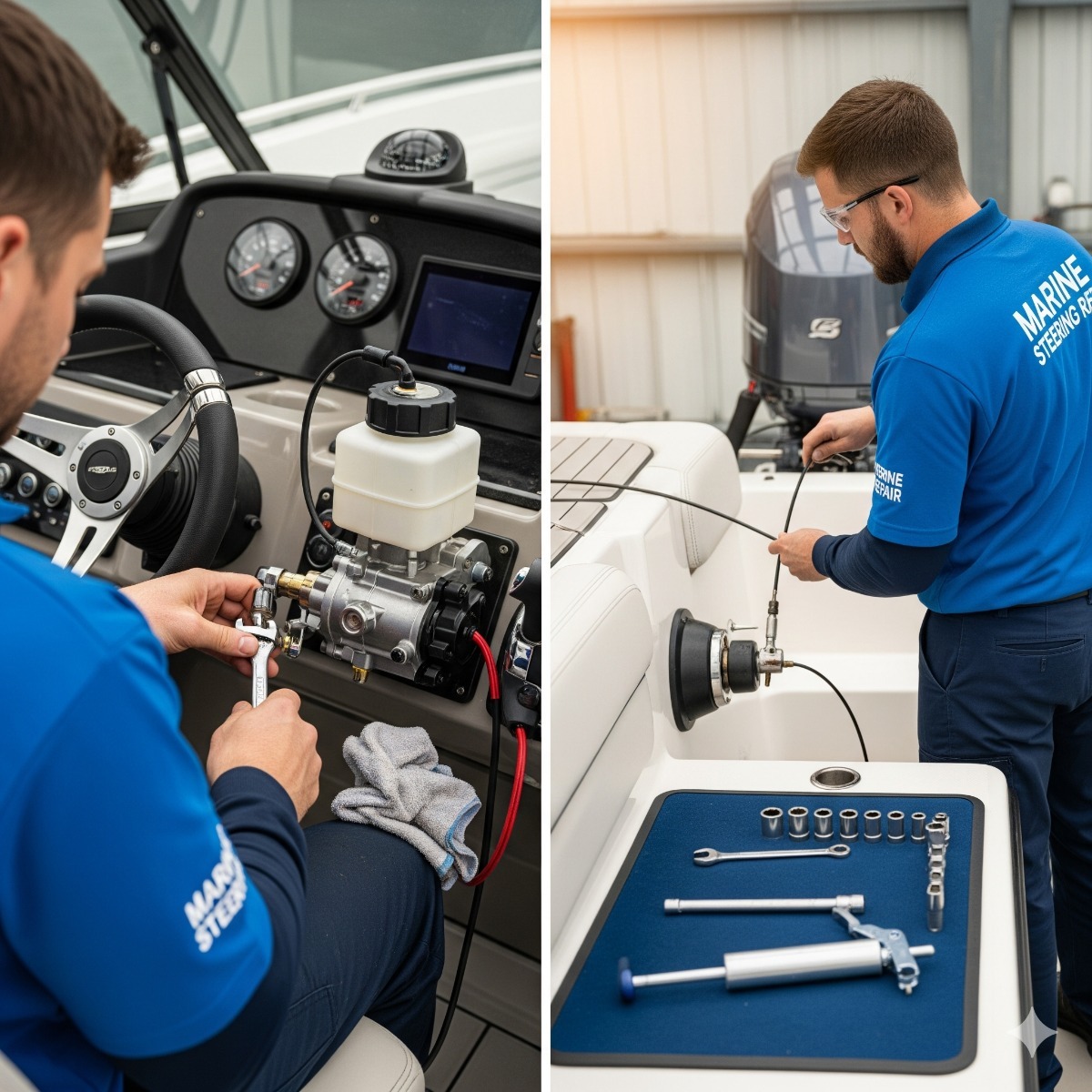
A professional marine steering repair includes:
- Inspecting helm, cable, or hydraulic components
- Checking fluid levels and bleeding air (for hydraulic)
- Steering cable replacement for kinked or frozen cables
- Testing cylinder seals and helm pump pressure
- Lubrication and alignment adjustment
Common repair scenarios:
- Broken or seized steering cable
- Leaky helm pump or ram seals
- Trapped air causing spongy turns
- Rust or salt corrosion on steering hardware
Professional Marine Steering Service – What to Expect
At Breeze Marine Boat Service, steering service typically covers the following, depending on whether your boat needs cable or hydraulic steering repair:
- Steering inspection (cable tension or hydraulic pressure)
- Cable lube or hydraulic fluid replacement
- System bleed (SeaStar, BayStar, Uflex, etc.)
- Helm and cylinder service or replacement
- Alignment test and water trial
We service: SeaStar Solutions, Teleflex, Uflex, and OEM steering systems.
Tips to Keep Your Boat Steering Smooth
- Flush and bleed hydraulic fluid every 2 years
- Use corrosion guard on exposed linkages
- Keep steering cables greased at both ends
- Store wheel straight and centered to reduce cable wear
- Check for play or stiffness before every trip
Marine Steering Repair Near You
If you're in Long Beach, San Pedro, Huntington Harbor, or Marina del Rey, our mobile techs can:
- Replace or adjust cable steering systems
- Flush and bleed hydraulic steering setups
- Carry out helm pump repair or install new helm pumps or cylinders
Contact Breeze Marine Boat Service to book a marine mechanic in Long Beach or nearby harbors for expert steering repair and get back in control—fast and safe.
Frequently asked questions: marine steering repair
What makes boat steering hard to turn in only one direction?
On cable systems it often points to a corroded or kinked cable, or a seizing tilt tube on an outboard. On hydraulic systems it can indicate air in the system, a leaking cylinder seal or low fluid. Engine torque and trim can also make steering heavier one way. Have it checked before it gets worse, since a seized cable can lock the wheel.
What kind of fluid goes in hydraulic boat steering?
Use the fluid your steering manufacturer specifies. Many hydraulic steering systems call for a dedicated hydraulic steering fluid or a specific hydraulic oil, and mixing incompatible fluids can damage seals. Some older systems approve other fluids, but not all do. Check the label on the helm pump or the owner's manual before topping off, and look for the leak that caused the low level.
Is it safe to boat with some play in the steering wheel?
A small amount of play can be normal on some cable systems, but new or increasing play is a warning sign. It may mean a worn helm, loose mounting hardware, a stretched cable or air in a hydraulic system. Because steering failure is dangerous, have any change checked before heading out, especially before running at speed or in a crowded harbor.
Can I upgrade my boat from cable steering to hydraulic steering?
Yes, many boats can be converted, and it is a common upgrade on larger outboards where cable steering feels heavy. The kit must be matched to engine horsepower, boat size and cylinder mounting, and the system needs proper filling and bleeding. Some high-horsepower setups need power assist. A marine steering repair technician can confirm the right components for your boat.