
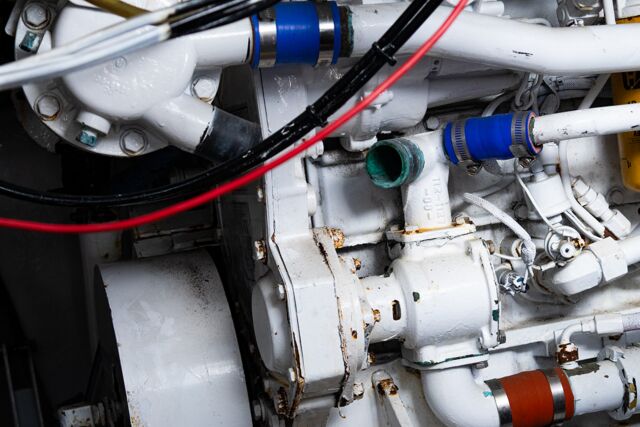
Your boat's cooling system is vital to keeping the engine from overheating. At the heart of it lies the marine water pump, which circulates cooling water through the engine and exhaust. If it fails, your trip can end fast. In this guide, we cover when to repair or replace your water pump, how to spot early warning signs, and what a professional service includes.
Why Water Pump Health Is Critical
Boat engine overheating is never minor: a marine engine running without proper cooling for even a few minutes can suffer catastrophic damage. The water pump prevents this by pushing seawater or coolant through heat exchangers and exhaust manifolds, maintaining safe operating temperatures.
Common signs of a failing marine water pump:
- Engine running hotter than usual
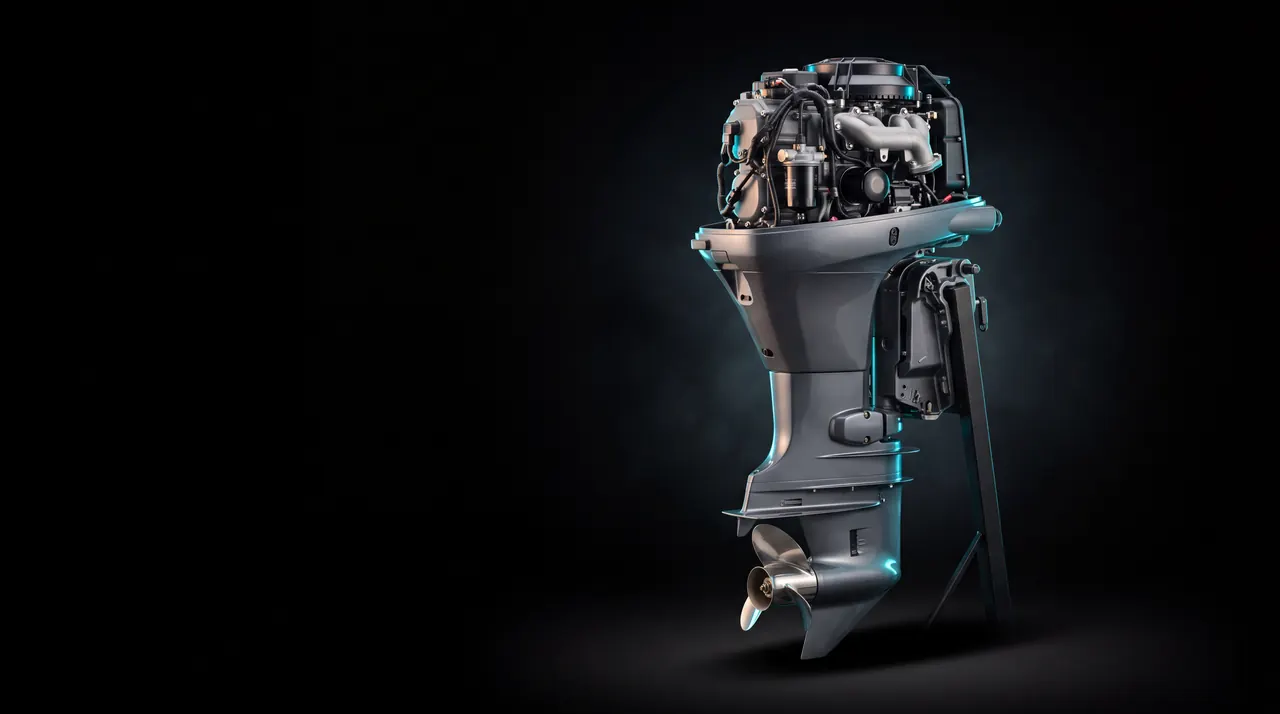
- Low water pressure at the telltale (pee stream) on outboards
- Overheat alarm triggered
- Steam or white smoke from exhaust
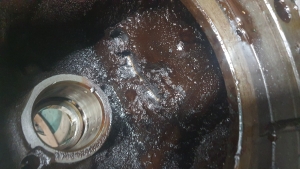
- Impeller fragments in cooling passages
Types of Marine Water Pumps and When to Replace Them
1. Raw Water Pumps
Used in most marine engines to pull seawater for cooling. The impeller inside typically lasts 1–2 seasons depending on use.
2. Circulating (Closed Loop) Pumps
Common in inboard engines with heat exchangers. Usually last 5+ years but should be inspected regularly for bearing or seal wear.
Pro tip: Plan an impeller replacement every 100 hours or annually—whichever comes first.
Cooling System Repair – What's Involved
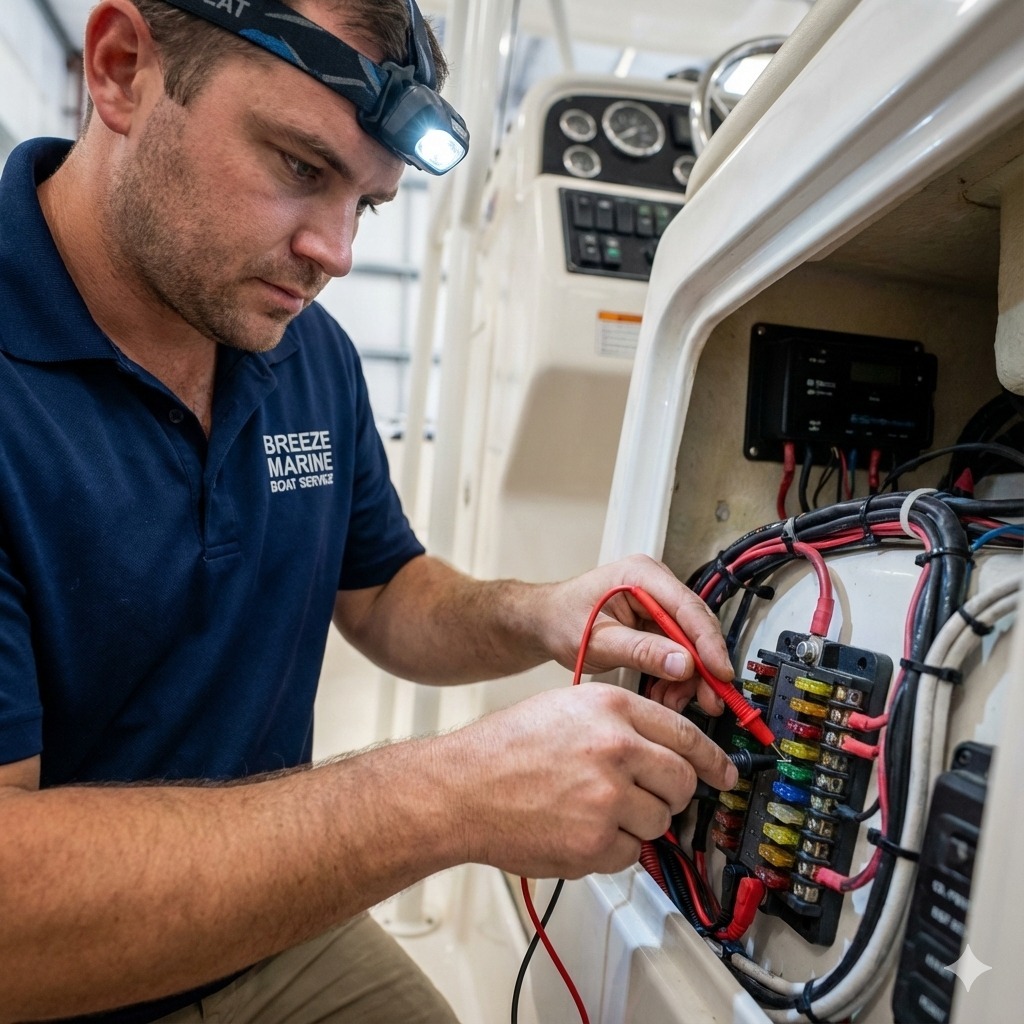
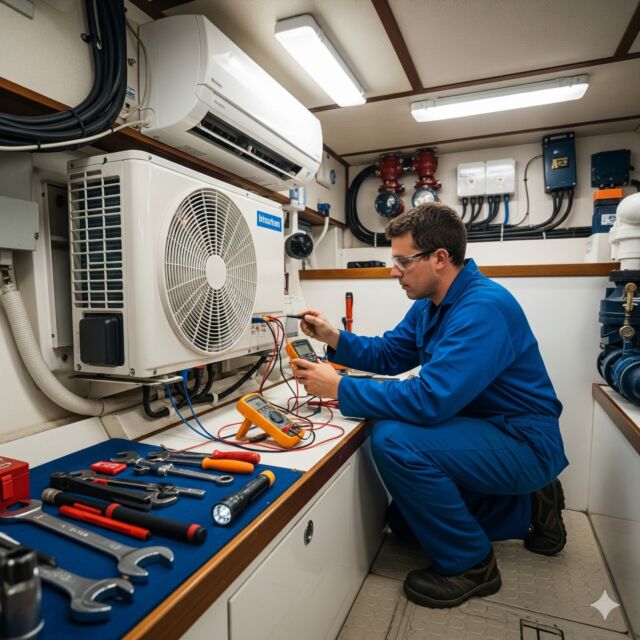
A full marine cooling inspection covers these components:
- Raw water pump and impeller
- Thermostat function and housing
- Heat exchanger or intercooler (if equipped)
- Cooling hoses and clamps
- Water intake and strainers
Common issues during repair:
- Melted or worn-out impellers
- Blocked intake grates or strainers
- Thermostat stuck closed
- Leaks at pump seals or gasket surfaces
Professional Water Pump Service – What to Expect
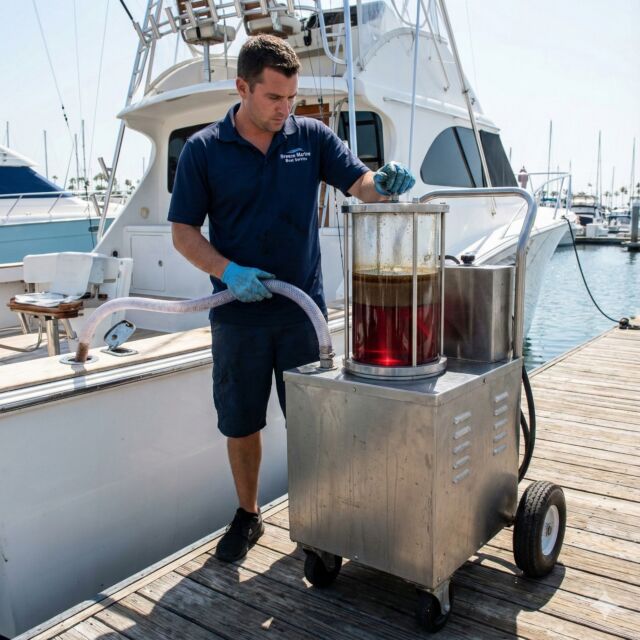
At Breeze Marine Boat Service, a typical water pump service includes:
- Cooling system pressure and temperature test
- Impeller removal and inspection
- Cleaning of pump housing and passages
- Install new impeller, seals, and gaskets
- Flush cooling system with freshwater or descaler
- Test-run engine to confirm proper temperature and flow
We service top engine brands: MerCruiser, Volvo Penta, Yamaha, Honda Marine, Indmar.
Tips to Prevent Cooling Failures
- Never run your engine dry (without water)
- Flush the boat cooling system after saltwater use
- Install a seawater strainer to catch debris
- Check water flow before every trip
- Replace the impeller annually or as per manual
Marine Water Pump Repair Near You
If you're in Long Beach, San Pedro, Huntington Harbor, or Marina del Rey, our mobile techs can:
- Replace raw water pump impellers dockside
- Flush and test full cooling systems
- Service or upgrade thermostats and hoses
Contact Breeze Marine Boat Service to book your next water pump service with a Long Beach marine mechanic and keep your boat cool under pressure.
Frequently asked questions: marine water pump repair
Why is there no water coming out of my outboard's telltale?
A blocked telltale passage is a common cause, not always a failed pump. Salt, sand or debris can clog the small outlet, and clearing it gently with a thin piece of wire often restores the stream. If the flow stays weak after clearing, suspect the water pump impeller or a blocked intake screen, and stop running the engine if the temperature rises.
Can I run my outboard on the trailer without hurting the impeller?
Yes, as long as the pump has a steady water supply the whole time. Use flush muffs or a test tank as your engine manual describes, turn the water on before starting, keep the engine at idle and watch for a steady telltale stream. Some models are meant to be flushed through a port with the engine off, so check the manual first.
What is a heat exchanger and how does it affect engine cooling?
On closed-cooled inboards, a heat exchanger transfers heat from the engine's coolant to raw water pumped in from outside, much like a radiator. Over time, scale, salt and impeller fragments can clog its tubes and reduce cooling even when the pump is fine. Periodic cleaning or descaling, as your engine manual recommends, belongs in a complete marine water pump repair and cooling service.
Should I replace the water pump housing along with the impeller?
Not always, but it should be inspected every time. On outboard and sterndrive pumps, a worn or scored housing, cup or wear plate reduces pumping efficiency even with a new impeller, which is why many kits include those parts. If the housing shows grooves, heat discoloration or melted plastic from a dry run, replacing it is usually the better choice.
See also: Boat Overheating? How to Spot a Failing Water Pump.