


When and How to Replace Marine Batteries and Fix Charging Systems
Your boat’s electrical system is only as reliable as its marine battery and charging system. Whether you’re preparing for a fishing trip, offshore cruise, or weekend getaway, a faulty battery or alternator can leave you stranded. This guide covers when to replace a marine battery, how to diagnose charging issues, and what to expect during repair.
Why Marine Battery Health Is Critical
Marine batteries power everything from engine starts to lighting, GPS, bilge pumps, radios, and trolling motors. A failing battery doesn’t just affect convenience—it’s a safety risk on the water.
Common signs of a failing marine battery:
- Slow or no engine cranking
- Dim lights or unresponsive electronics
- Battery won’t hold a charge
- Corrosion or bloated casing
- Voltage below 12.4V when idle
Types of Marine Batteries and When to Replace Them
1. Starting Batteries
Used to crank the engine. Expect a lifespan of 2–3 years under normal conditions.
2. Deep Cycle Batteries
Power onboard electronics. Last 3–5 years depending on maintenance and usage.
3. Dual-Purpose Batteries
A hybrid of both, with average life 2–4 years.
Pro tip: Replace your battery if it’s over 3 years old and shows signs of weakness—even if it still works.
Charging System Repair – Key to Reliable Power
Your charging system includes:
- Alternator or stator
- Voltage regulator
- Battery isolators or combiners
- Shore power charger or solar system
Common charging problems:
- Battery not charging while engine runs
- Overcharging (voltage >14.7V)
- Alternator not outputting sufficient amps
- Shore charger not turning on
Professional Marine Battery Replacement – What to Expect
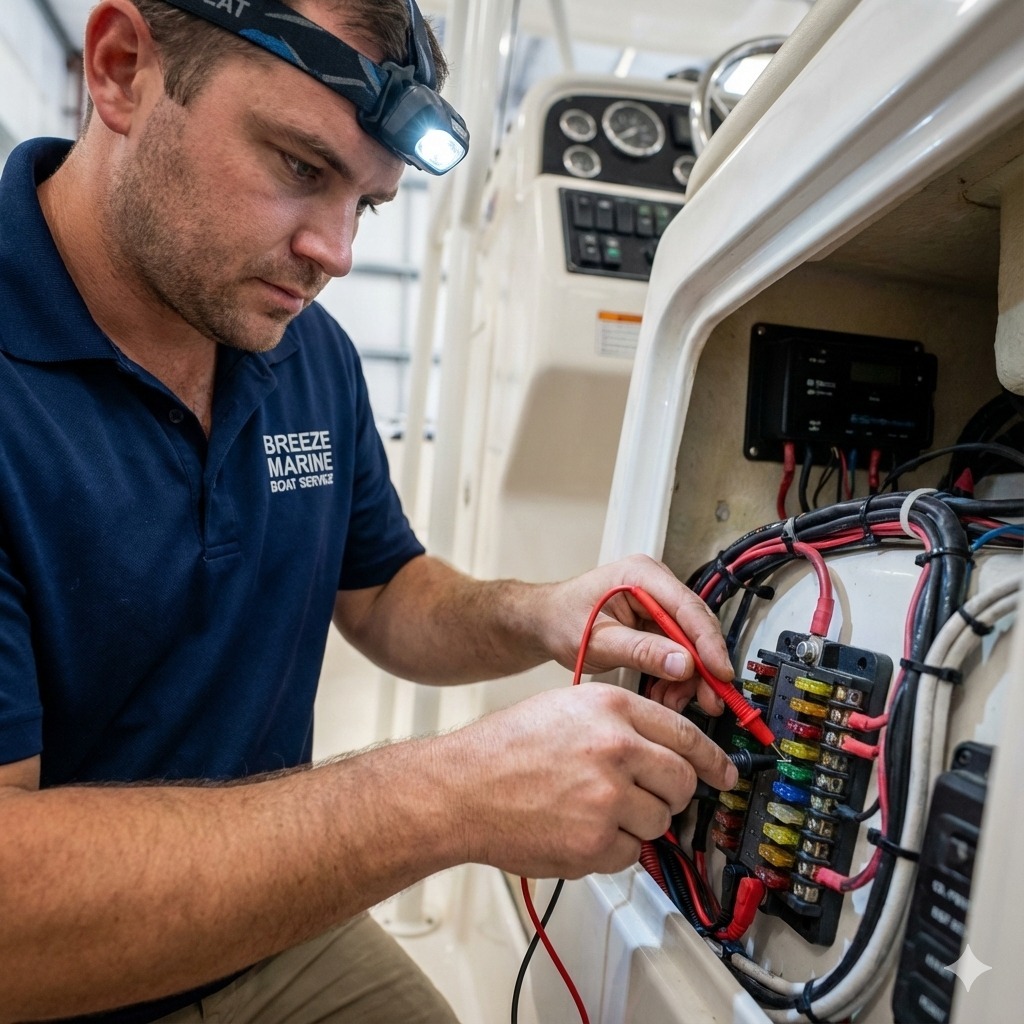
At Breeze Marine Boat Service, a typical battery replacement visit includes:
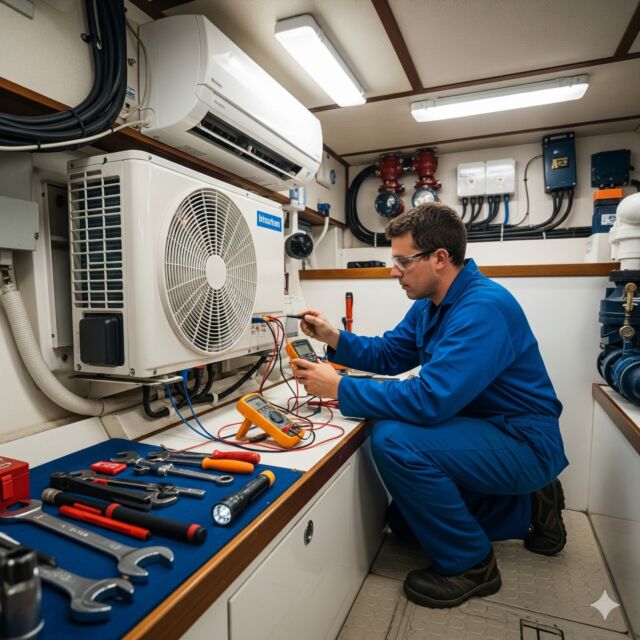
- Full electrical inspection
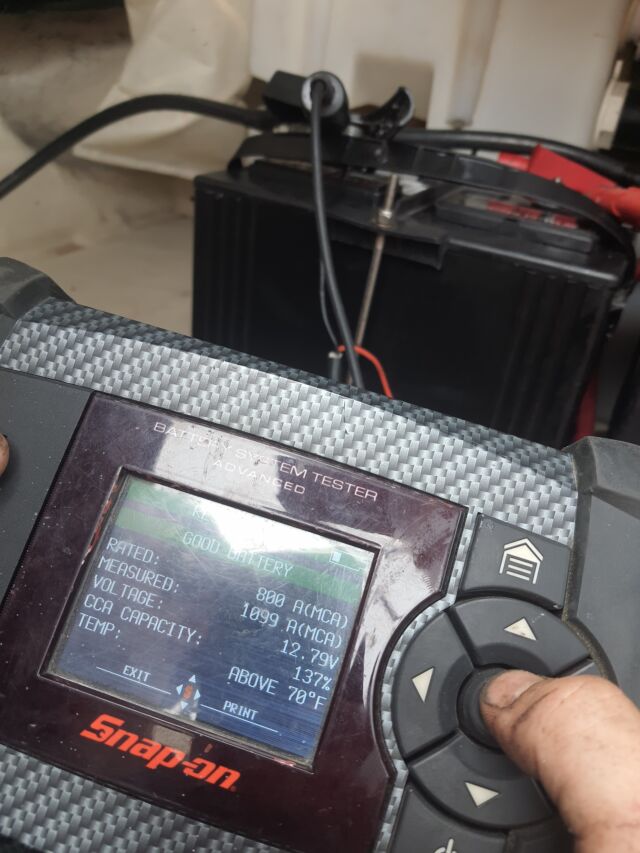
- Battery load test
- Check alternator and voltage output
- Install new AGM, GEL, or Lithium marine battery
- Corrosion cleanup and terminal protection
- System voltage calibration and recharging
We use trusted brands: Optima, Deka, Odyssey, Victron.
Tips to Extend Marine Battery Life
- Use a smart charger with float mode
- Disconnect battery when storing your boat
- Install a battery switch to prevent phantom loads
- Clean terminals regularly with baking soda and water
- Monitor battery voltage and amps via a digital monitor
Marine Battery Replacement Near You
If you're in Long Beach, San Pedro, Huntington Harbor, or Marina del Rey, our experienced technicians can:
- Replace marine batteries dockside
- Diagnose charging issues
- Upgrade alternators or install solar kits
Contact Breeze Marine Boat Service to schedule a diagnostic or other boat electrical service and protect your next trip on the water.
Why is my boat battery not charging?
When a battery stays low after a run, the cause can be the battery itself or the charging system. A load test shows whether the battery can still hold a charge. If it passes, boat charging system repair usually starts with the alternator or stator output, the voltage regulator, battery isolators or combiners and corroded connections. If the battery only fails to charge at the dock, check whether the shore charger turns on. A new battery will not fix a charging fault, so it pays to test both first.
Frequently asked questions: marine battery replacement
Can I mix old and new batteries in the same boat battery bank?
It is best not to. In a paralleled bank, an older battery with higher internal resistance drags down the newer one and both age faster. Replace batteries in the same bank together, using the same type, size and age. A starting battery on its own separate circuit can be replaced independently, as long as the charger suits both battery types.
What is the difference between cold cranking amps and marine cranking amps?
Cold cranking amps are measured at 0 degrees Fahrenheit, while marine cranking amps are measured at 32 degrees Fahrenheit, so the MCA number is always higher for the same battery. When choosing a starting battery, meet or exceed the cranking rating your engine manufacturer specifies, and compare batteries using the same rating so a bigger-looking number does not mislead you.
Is it safe to charge a swollen or hot marine battery?
No. A swollen case, hissing, a rotten-egg smell or a battery that gets hot while charging are signs of internal failure or overcharging. Stop charging, ventilate the compartment and keep sparks and flames away, since lead-acid batteries can release explosive hydrogen gas. Have the battery replaced and the charger or alternator output checked by a qualified technician.
What does a battery load test show that a voltage reading does not?
A resting voltage reading only shows state of charge, and a weak battery can read nearly full yet collapse under load. A load test draws a heavy current and measures how far voltage drops, revealing lost capacity or a failing cell. It is the most reliable way to decide whether marine battery replacement is needed before a trip.