

As a boat owner, you're likely aware of the importance of having reliable and accurate marine electronics on board to navigate safely and enjoy your time on the water. But with so many brands and technologies available, finding the right professional marine electronics installer can be overwhelming. You need an expert who understands not just the latest systems but also how they integrate with your vessel's hardware and software.
This article is for boat owners looking for guidance on what to look for in a marine electronics installation company and how to choose the right installer for their needs. We'll walk you through a step-by-step checklist, key questions to ask before hiring an installer, and tips on ensuring that your electronics installation is done correctly.
What to Look for in a Marine Electronics Installation Company
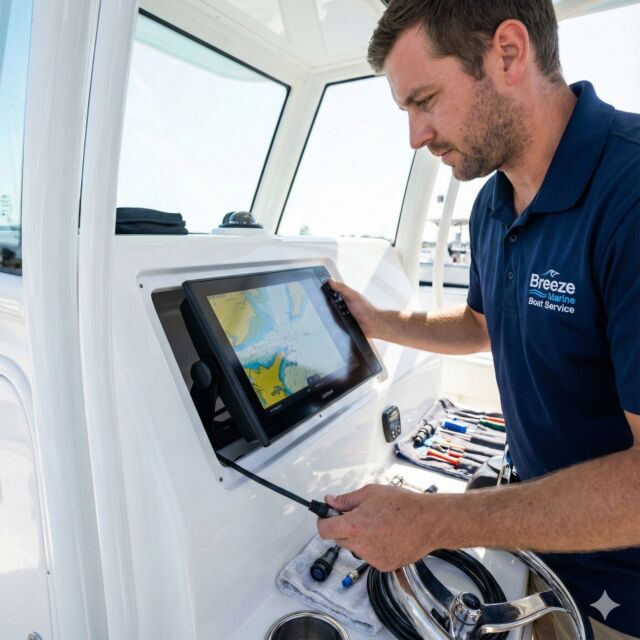
A professional marine electronics installation company should have experience with major marine electronics brands, including Garmin, Simrad, Lowrance, and Raymarine Systems. They should be familiar with various types of transducers, such as thru-hull, transom-mount, and shoot-thru-hull transducers for accurate sonar readings.
- Look for a company that specializes in marine electronics installation, not just general boat repair or maintenance.
- Check if the installer has experience with radar systems and autopilot integration.
- Ensure they have a good understanding of marine-grade wiring and proper fusing to prevent electrical issues.
A reputable marine electronics installation company will also be knowledgeable about various types of navigation and fish finder systems, as well as marine audio and entertainment solutions. They should be able to design and install custom systems that meet your specific needs and preferences.
Step-by-Step Checklist for Choosing Your Installer
When selecting a professional marine electronics installer, consider the following key steps:
- Research local installers with experience in maritime electronics installation, including their expertise with major brands such as Garmin and Raymarine Systems.
- Check online reviews and ask friends or fellow boaters about their experiences with different companies to gauge their reputation for quality workmanship and customer service.
- Verify that the installer has a solid understanding of local marine navigation requirements, including knowledge of waterways, harbors, and coastal regulations.
- Ensure the company provides detailed documentation and explanations of the installation process, including what you can expect during and after the job is completed.
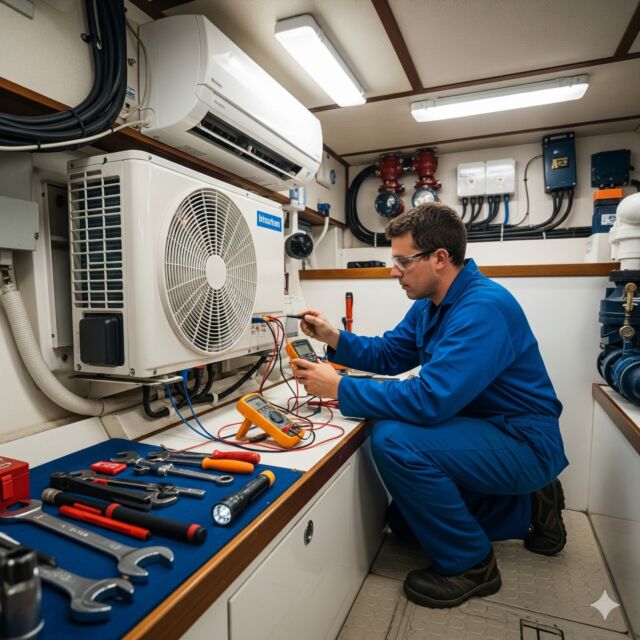
- Inspect the installer's work area to ensure it meets marine-grade wiring standards, with clean cable management and proper fusing.
- Confirm that the installer will provide ongoing support for troubleshooting and maintenance, including access to manufacturer resources and technical expertise.
Key Questions to Ask Before Hiring an Installer
Certifications and Expertise
Before hiring a marine electronics installer, ask about their certifications and expertise in working with your specific brand of equipment. A professional installer should be familiar with major brands like Garmin, Simrad, Lowrance, and Raymarine Systems. They should also have experience with various types of transducers, radars, autopilot systems, and audio equipment.
Work Quality and Warranty
Ask about their work quality standards and what kind of warranty they offer on their installations. A reputable installer will stand behind their work and provide a warranty that covers defects in materials and labor. They should also be able to explain the difference between a DIY job and a professional install, highlighting the importance of marine-grade wiring and proper fusing.
Experience with Your Vessel Type
Finally, ask about their experience working on vessels similar to yours. A good installer will have worked on various types of boats, including sailboats, powerboats, and fishing vessels. They should be able to assess your specific needs and provide a solution that meets your requirements.
Ensuring Your Electronics Installation is Done Right
Testing Your Installation
Before taking your boat out on the water, thoroughly test every component of your new system to ensure it's functioning as expected. This includes checking for any errors in display settings, verifying that all wiring is secure and not damaged, and confirming that your autopilot system is calibrated correctly.
Regular Maintenance and Updates
To keep your marine electronics installation running smoothly, schedule regular maintenance with a qualified technician who can inspect and update your system as needed. This may involve checking for software updates, cleaning transducers, or replacing worn-out components to prevent costly repairs down the line.
If you would rather have a professional handle professional marine electronics installer, see our Marine Electronics Installation and Audio Upgrades page.
Professional Marine Electronics Installer FAQ
What experience should a professional marine electronics installer have with different brands of navigation systems?
A professional marine electronics installer should be familiar with major brands such as Garmin, Simrad, Lowrance, and Raymarine Systems for multifunction displays (MFDs), chartplotters, and fish finders.
How do I know if a marine audio setup is designed to cut through wind and engine noise?
A custom marine audio setup should be designed with high-power water-resistant amplifiers, subwoofers, and speakers that are specifically chosen for their ability to produce clear vocals and deep bass in a noisy environment.
What sets professional wiring from a DIY job or another installer?
Professional wiring involves using marine-grade cabling, proper fusing, and clean cable management to ensure safe and reliable operation of the electronics system.


