
Your boat’s fuel pump plays a critical role in delivering the correct amount of fuel to your engine for smooth operation and reliable power. A failing pump can lead to poor performance, hard starts, or complete engine shutdown. This guide covers signs of a failing marine fuel pump, how repairs are performed, and why professional marine service matters.
Why Marine Fuel Pump Health Is Crucial
Whether mechanical or electric, your fuel pump must handle the vibrations, moisture, and salt typical of marine environments. A faulty pump doesn’t just reduce efficiency—it can leave you stranded offshore.
Common symptoms of a failing fuel pump:
- Hard starting or no-start condition
- Engine stalling at idle or high RPM
- Loss of power under load
- Whining sound from the pump
- Visible fuel leaks or fuel smell in engine compartment
Types of Marine Fuel Pumps and When to Service Them
1. Mechanical Fuel Pumps
Found in older carbureted engines. Prone to diaphragm wear and vapor lock. Service every 2–3 seasons.
2. Electric Fuel Pumps
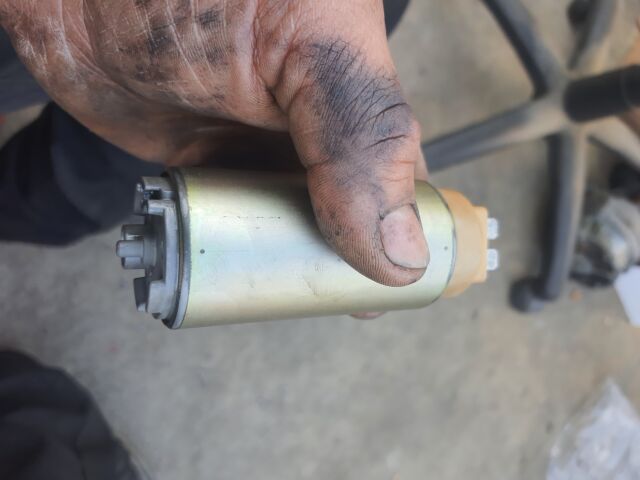
Common in modern EFI systems. Can fail from corrosion, overheating, or clogging; a burned-out unit usually calls for electric fuel pump replacement. Should be checked annually.
Pro tip: Always replace your fuel filter when servicing the pump to prevent early failure.
Fuel Pump Repair – What It Involves
Professional marine fuel pump service includes:
- Fuel pressure testing and diagnostic scan
- Fuel line inspection and filter replacement
- Pump removal and condition check
- Replacement with OEM or marine-rated aftermarket unit
- System prime and leak test
Common repair scenarios:
- Clogged pickup tube or debris in tank
- Internal pump wear or motor burnout
- Wiring or ground faults in electric pumps
- Fuel vapor lock due to heat and low ventilation
Professional Marine Fuel Pump Service – What to Expect
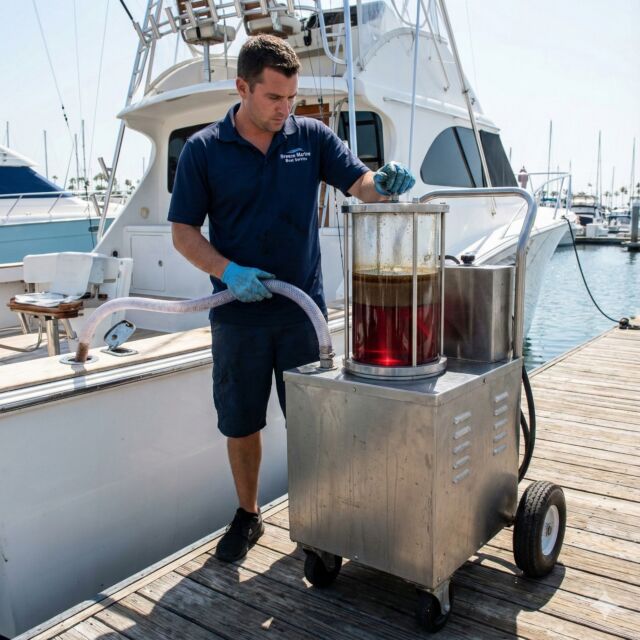
At Breeze Marine Boat Service, a typical fuel pump service includes:
- Engine diagnostics and fuel system scan
- Fuel pressure check and flow verification
- Fuel pump access and inspection
- Marine-grade fuel pump installation
- Fuel filter replacement and system flush
- Post-repair water test and throttle response check
We service fuel systems on: MerCruiser, Yamaha, Suzuki, Volvo Penta, and more.
Tips to Protect Your Fuel Pump
- Use ethanol-free or stabilized marine fuel
- Replace inline and water-separating filters annually
- Avoid running your tank below 1/4 full
- Inspect fuel hoses regularly for cracks or swelling
- Keep bilge area clean and dry to prevent corrosion
Marine Fuel Pump Repair Near You
If you’re in Long Beach, San Pedro, Huntington Harbor, or Marina del Rey, our mobile marine techs can:
- Diagnose and replace fuel pumps dockside
- Install high-pressure EFI pumps
- Flush and test your fuel delivery system
Contact Breeze Marine Boat Service to restore fuel flow and engine performance with professional repairs you can count on.
Frequently asked questions: marine fuel pump repair
What is vapor lock in a boat engine and how can I prevent it?
Vapor lock happens when fuel gets hot enough to turn to vapor in the lines or pump, starving the engine; it often shows up as stalling or hard restarts after a hot run. Good engine compartment ventilation, fuel lines routed away from exhaust heat, and a working fuel cooler on engines equipped with one all help. Persistent cases call for a fuel system diagnosis.
Can a stuck anti-siphon valve feel like a failing fuel pump?
Yes. Many boats have an anti-siphon valve at the tank outlet, and if it sticks or is too restrictive, the engine can starve for fuel at higher RPM, which mimics a weak pump. Clogged tank pickups and fuel filters cause similar symptoms. A fuel pressure or vacuum test helps separate a restriction from a true marine fuel pump repair.
Is it safe to put an automotive fuel pump on a boat?
No. Fuel pumps on gasoline boat engines must be ignition protected and meet marine standards, because a spark or fuel leak in an enclosed engine compartment can cause a fire or explosion. Automotive pumps generally lack those protections. Use the pump your engine manufacturer specifies, or a marine-rated equivalent, installed by a qualified marine technician.
What makes a boat engine sputter when the fuel tank runs low?
Low fuel lets the pickup draw air in rough water or when the bow rises, and sediment or water that has settled at the bottom of the tank is more likely to be drawn into the system. The result can be sputtering and stalling that mimic pump failure. Keeping the tank reasonably full and changing filters on schedule helps protect the pump.
See also: Boat Overheating? How to Spot a Failing Water Pump.