
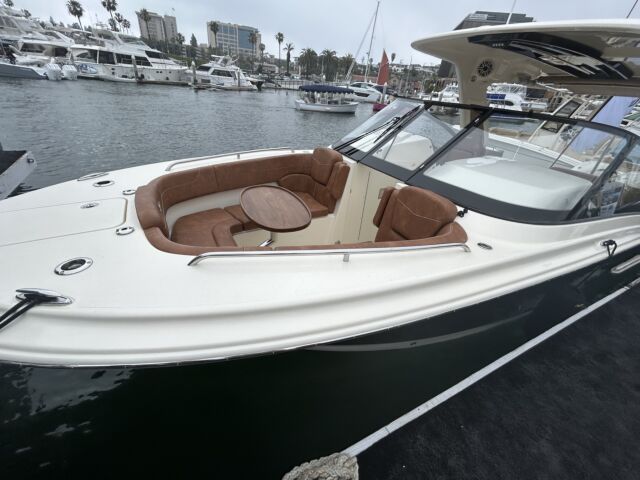
The paint and gelcoat on your boat not only enhances its appearance but also protects the hull and superstructure from UV damage, saltwater corrosion, and general wear. Over time, chips, scratches, and fading can ruin the boat’s finish and reduce its value. This guide covers common paint issues, restoration techniques, and how professional repairs can restore your boat’s original shine.
Why Proper Paint Repair Matters
A flawless finish is more than cosmetic—it helps prevent structural damage and prolongs your boat’s life. Neglected paint damage can lead to:
- UV degradation and chalking
- Water intrusion in fiberglass or wood
- Oxidation and surface weakening
- Corrosion in metal components
- Decreased resale value
Common Signs of Paint and Gelcoat Damage:
- Visible chips, scratches, or peeling paint
- Oxidized, dull, or chalky surfaces
- Spider cracks or stress fractures in the gelcoat
- Color fading from sun exposure
- Bubbles or blisters in the paint layer
Components and Repair Considerations
1. Paint and Gelcoat Layers
Marine paint and gelcoat require proper sanding, surface prep, and color-matching for a durable and seamless repair.
2. Fillers and Primers
For boat scratch repair, deeper scratches and chips may need to be filled and primed before repainting to ensure smooth coverage and long-lasting adhesion.
3. Protective Clear Coat
A UV-resistant topcoat or clear finish protects the repair and enhances gloss and durability.
Pro tip: Avoid DIY paint repairs unless you have marine-grade materials and experience—improper blending or surface prep can worsen the damage.
What’s Involved in Boat Paint Repair
Professional boat paint restoration typically includes:
- Full surface inspection and damage assessment
- Color-matched gelcoat or paint blending
- Wet sanding and polishing
- Scratch and chip repair with epoxy or filler
- Application of marine-grade topcoat or clear coat
Common Repair Scenarios:
- Dock rash and fender scrapes
- Paint blistering or sun-faded areas
- Gelcoat spider cracks and oxidation
- Trailer loading scuffs and keel wear
Expert Boat Paint Services by Breeze Marine
At Breeze Marine Boat Service, we offer mobile and in-shop paint and gelcoat repair services for:
- Fiberglass hulls and topsides
- Metal hull and aluminum boats
- Full restoration or targeted touch-up areas
We use professional-grade products and match your boat’s original color and finish for a seamless result.
Tips for Maintaining Your Boat’s Finish
- Wash your boat regularly with marine-safe soap
- Apply UV protectant wax every few months
- Store in shade or under cover when possible
- Inspect for new chips or cracks after each outing
- Avoid abrasive brushes and harsh cleaners
Boat Paint Repair Near You
If you’re in Long Beach, San Pedro, Marina del Rey, or Huntington Harbor, our expert technicians provide precise paint touch-ups, gelcoat repairs, and complete finish restoration—on-site or in our workshop.
- Custom color matching and blending
- Paint chip repair and oxidation removal
- Gelcoat crack filling and polishing
- Protective coating application
Contact Breeze Marine Boat Service today to restore your boat’s appearance and preserve its value with professional marine-grade paint repairs from a mobile Long Beach boat service.
Frequently asked questions: boat paint repair
Can gelcoat be painted over, or should it be repaired with gelcoat?
Both are possible. Small chips and scratches are usually repaired with color-matched gelcoat, which blends into the original finish and can be wet-sanded and polished. Heavily oxidized, crazed or thin gelcoat is sometimes refinished with a marine topcoat paint instead, but once a hull is painted it generally stays a painted boat. The right choice depends on the gelcoat's condition and thickness.
What causes blisters to form in boat hull paint?
Paint blisters usually form when moisture or solvent is trapped under the coating, often because of poor surface prep or painting in humid or cold conditions. Below the waterline, blisters can also be osmotic, meaning water has entered the gelcoat or laminate itself, which is a different and more serious repair. Checking how deep the blisters go tells you which problem you have.
How long does new gelcoat or boat paint need to cure before launching?
It depends on the product, temperature and humidity, so follow the manufacturer's data sheet. Gelcoat repairs often need a day or more before final sanding and polishing, and marine topcoats and bottom paints list specific minimum and maximum times before launch. Cool or damp weather slows curing, and launching too early can soften the finish or weaken adhesion.
Is buffing enough to fix a chalky, oxidized boat finish?
Often yes, if the oxidation is only on the surface. Light chalking usually comes back with a marine compound followed by polish and a UV-protective wax, while heavier oxidation may need wet sanding first. If the color stays dull after compounding, or the gelcoat is worn through, a boat paint repair or refinish is likely the better long-term fix.
If your boat's marine refinish is looking dull and worn out, it's time to restore its original shine. Chips, scratches, and fading can compromise the paint and gelcoat, exposing the hull to damage from UV rays, saltwater corrosion, and wear. A professional touch-up or restoration not only revives the appearance but also protects the structure, ensuring a flawless finish that prolongs your boat's life.
Marine Refinish: FAQ
What causes paint issues on my boat?
Common problems include scratches, chips, fading, and oxidation from exposure to sun, saltwater, and general wear. These imperfections can lead to water intrusion, corrosion, and structural damage if left unaddressed.
How long does a marine paint restoration take?
The duration of the process depends on the extent of the damage and the type of finish required. A simple touch-up may be completed in a few days, while a full restoration can take several weeks to achieve a flawless, showroom-quality finish.
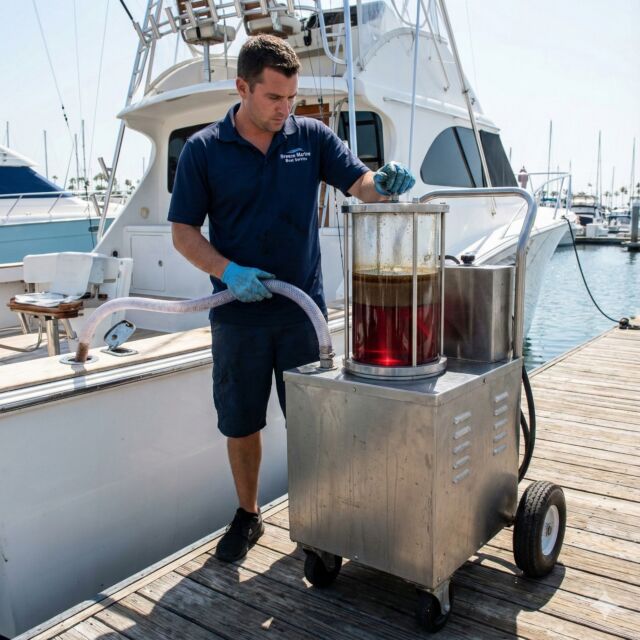
For optimal performance and protection, consider pairing professional paint repair with regular marine fuel polishing to ensure your engine runs smoothly and efficiently.