

Your boat’s bilge system plays a critical role in removing water from the hull and keeping vital equipment safe and dry. If your bilge pump fails or the system becomes clogged, it can lead to water accumulation, electrical damage, or even sinking. This guide walks through signs of bilge system failure, how repairs are done, and why professional inspection and restoration matter.
Why a Working Bilge System Is Essential
The bilge area collects water from leaks, rain, or condensation. A properly functioning bilge pump and float switch prevent that water from building up. Failure can cause corrosion, fuel contamination, engine damage, and safety hazards.
Common signs of bilge system problems:
- Bilge pump not turning on automatically
- Excess water in the bilge after rain or rough seas
- Burnt smell or blown fuse from the pump
- Slow water discharge or clogged hoses
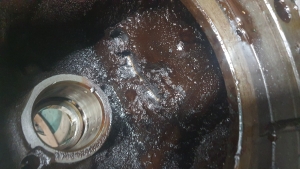
- Visible sludge or oil in the bilge
Components of a Bilge System and When to Service Them
1. Automatic Bilge Pump
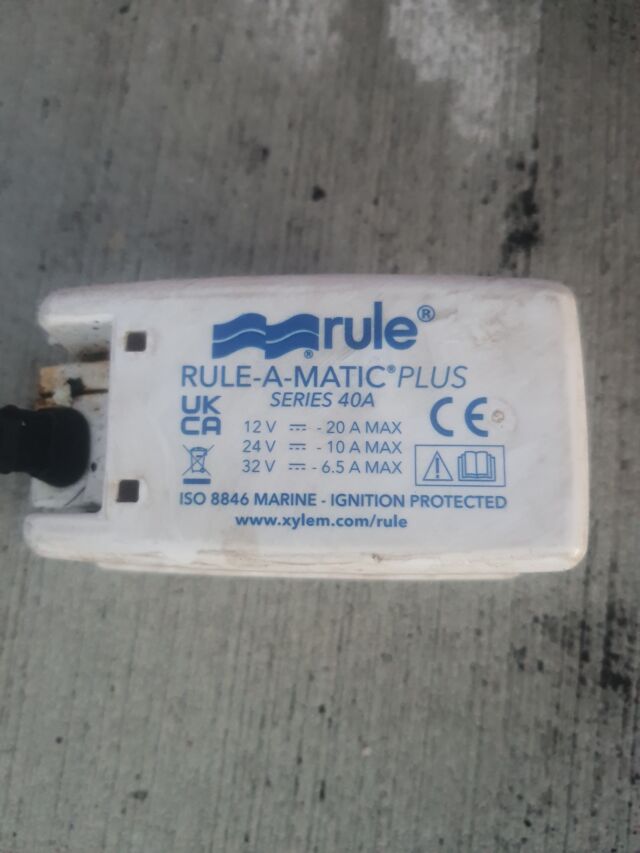
Removes water when the float switch is triggered. Replace or service every 2–3 seasons or if performance drops.
2. Float Switch or Water Sensor
Activates the pump. Should be tested monthly, with float switch replacement at the first sign of failure or sticking.
3. Hoses and Discharge Lines
Carry water overboard. Must be checked for clogs, cracks, or collapsed sections every season.
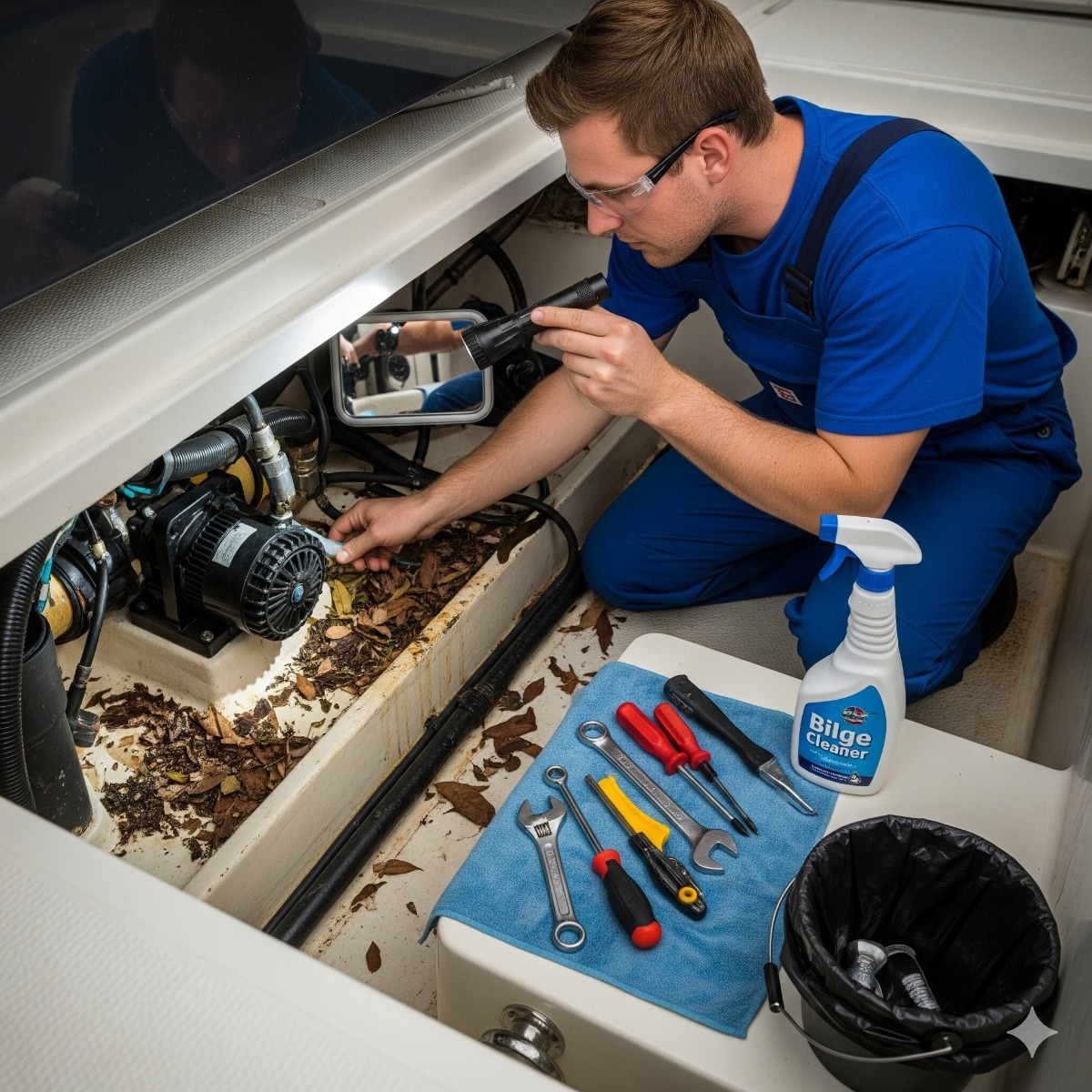
Pro tip: Clean your bilge area regularly so oil, sludge, or debris does not leave you with a clogged bilge pump.
Bilge System Repair – What It Involves
A complete bilge system service includes:
- Inspection of pump, wiring, and switches
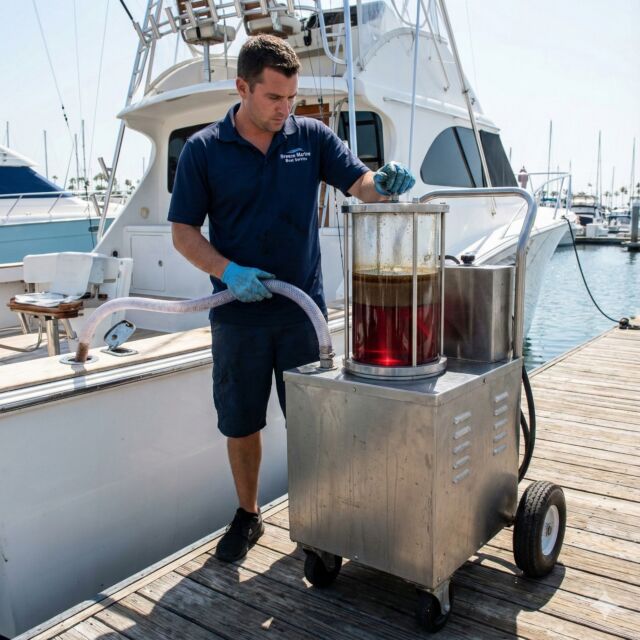
- Removal of debris and oil residue from bilge
- Testing and replacing float switch or sensor
- Flushing and unclogging bilge hoses
- Installing new marine-grade bilge pump if needed
Common repair scenarios:
- Pump burns out due to blockage or dry run
- Float switch stuck in OFF or ON position
- Oil or fuel contamination damaging pump internals
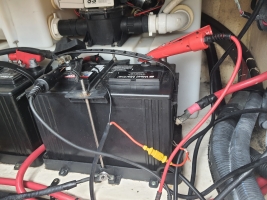
- Disconnected or corroded wiring and fuses
Professional Bilge System Service – What to Expect
At Breeze Marine Boat Service, a typical bilge system service includes:
- Bilge area cleaning and visual inspection
- Pump and float switch test or replacement
- Electrical and fuse box check
- Hose flush or reroute if needed
- System test under water load simulation
We install: Rule, Attwood, Johnson Pump, Whale, and other marine-certified systems.
Tips to Maintain a Healthy Bilge System
- Clean your bilge every few months
- Use a bilge pad to catch oil/fuel before it hits the pump
- Test your float switch monthly
- Keep discharge hoses free of clogs or marine growth
- Replace the pump if output is weak or intermittent
Bilge System Repair Near You
If you're in Long Beach, San Pedro, Huntington Harbor, or Marina del Rey, our mobile techs can:
- Inspect and clean your entire bilge system
- Replace or upgrade bilge pumps and float switches
- Fix clogged or damaged hoses on-site
Contact Breeze Marine Boat Service for professional bilge system repair and enjoy dry, safe boating year-round.
Which Pumps on Board Need the Most Attention?
A typical boat relies on several boating pumps: the bilge pump, the engine's raw-water pump and often a freshwater or washdown pump. The bilge pump protects the hull and electrical equipment from standing water, so it deserves the most regular checks. Test it and its float switch monthly, keep the intake free of oil and sludge, and replace a pump whose output is weak or intermittent before it fails completely.
Frequently asked questions: bilge pump repair
How do I test my automatic bilge pump float switch?
With the pump set to automatic, lift the float by hand or add enough water to raise it; the pump should start within a few seconds and stop when the float drops. Some electronic sensors have a test button or need water to trigger. If nothing happens, check the fuse, wiring and switch before assuming the pump itself is bad.
Should my bilge pump be wired directly to the battery?
Often yes for the automatic circuit. Many boats wire the float switch circuit to the battery through its own fuse so the pump still works when the main battery switch is off. That circuit must be fused close to the battery and use marine-grade wire and sealed connections. Because wiring mistakes can drain batteries or cause fires, have a qualified marine technician check it.
What makes a bilge pump run without pumping any water out?
The usual causes are a clogged intake or strainer, an air lock, a kinked or collapsed discharge hose, a stuck check valve, or a damaged impeller. Clean the pump base first, then follow the hose to the overboard fitting. A pump that runs but moves little water may have been damaged by running dry, and replacement is then the practical bilge pump repair.
What size bilge pump do I need for my boat?
It depends on hull length, bilge layout and how you use the boat, but choose capacity with real-world losses in mind. Pump ratings are measured with no discharge head, so long hose runs, lift and low voltage can cut actual output significantly. Many owners fit a primary pump plus a larger backup mounted slightly higher, each on its own fused circuit.