
The exhaust manifold is a crucial part of your boat’s engine system, responsible for collecting exhaust gases from the cylinders and directing them safely out of the engine. A damaged or leaking manifold can cause poor engine performance, increased noise, and dangerous exhaust fumes entering your boat. This guide explains common exhaust manifold issues, repair processes, and why timely maintenance matters.
Why Proper Exhaust Manifold Function Is Critical
The exhaust manifold helps maintain engine efficiency and reduces harmful emissions. Leaks or cracks can cause:
- Loss of engine power and fuel efficiency
- Excessive engine noise
- Overheating of engine components
- Exposure to carbon monoxide inside the boat
- Damage to surrounding engine parts due to heat
Common signs of exhaust manifold problems:
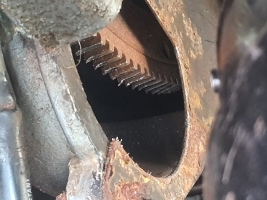
- Visible cracks or rust on the manifold
- Loud ticking or popping noises during acceleration
- Strong exhaust smell near the engine compartment
- Engine overheating or rough running
- Decreased fuel efficiency or power loss
Components and Repair Considerations
1. Exhaust Manifold
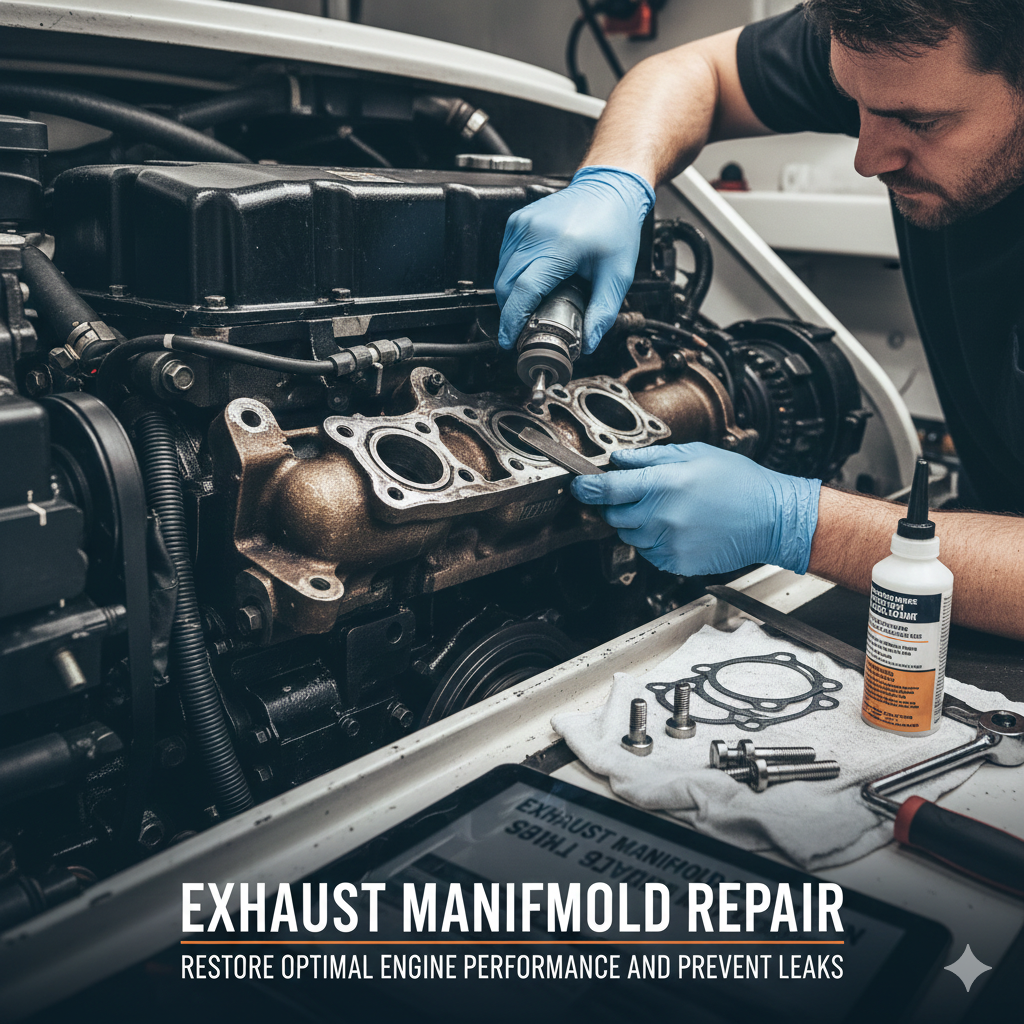
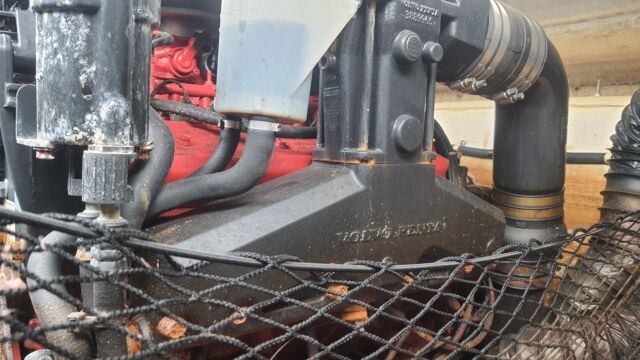
Usually made from cast iron or stainless steel. Cracks or corrosion require repair or replacement.
2. Gaskets and Seals
Worn or damaged exhaust manifold gaskets can cause leaks and must be replaced during repairs.
3. Exhaust Pipes and Flanges
Check for corrosion or misalignment affecting manifold performance.
Pro tip: Regular inspection of the exhaust system during routine marine engine service can prevent costly engine damage and improve safety.
What’s Involved in Exhaust Manifold Repair
Professional manifold repair typically includes:
- Visual inspection and leak testing
- Cleaning corrosion and rust from the manifold
- Welding cracks or replacing the manifold if needed
- Replacing gaskets and seals
- Reassembling and testing for proper function
Common repair scenarios:
- Cracked or broken manifold from heat stress
- Corroded or rusted manifold causing leaks
- Blown or damaged gaskets leading to exhaust leaks
- Loose or damaged mounting hardware
Expert Exhaust Manifold Service for Marine Engines
At Breeze Marine Boat Service, we specialize in exhaust manifold repair and replacement for:
- Inboard gasoline and diesel engines
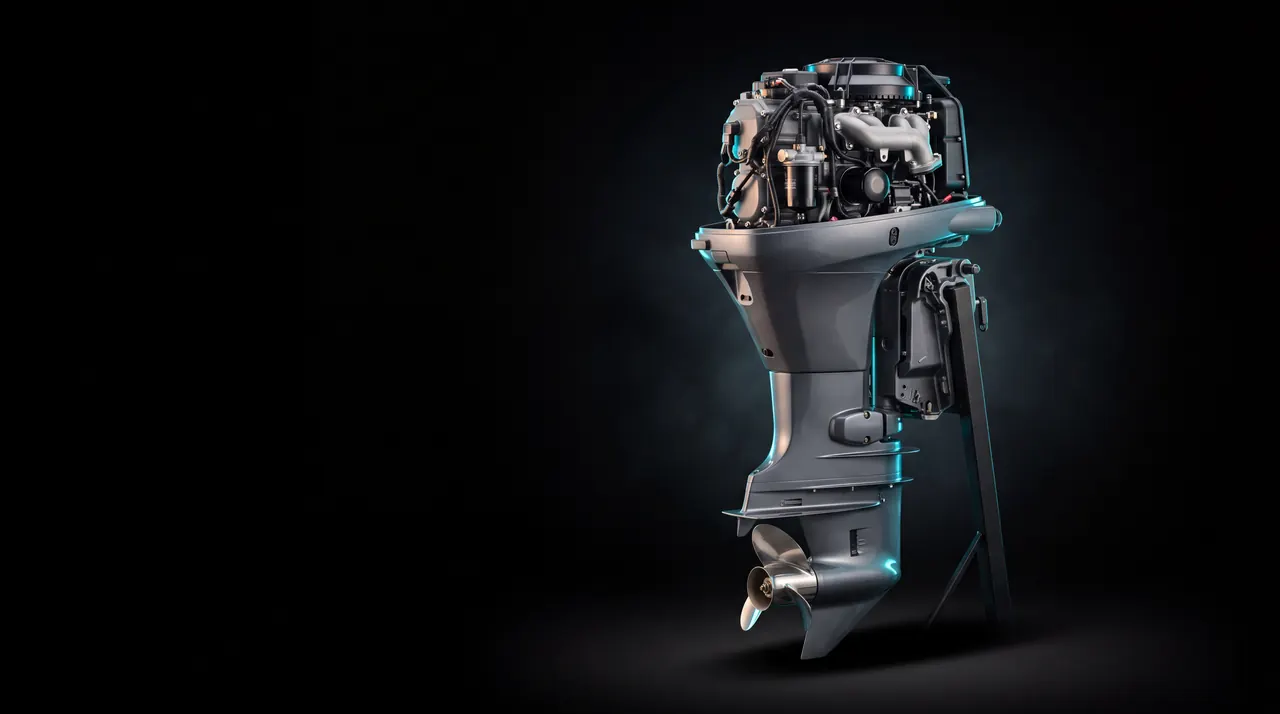
- Outboard engines with exhaust manifolds
- Sterndrives and jet drives
We use high-quality marine-grade parts and ensure every repair meets strict safety and performance standards.
Tips for Maintaining Your Exhaust System
- Inspect the exhaust manifold and pipes regularly for corrosion
- Replace gaskets at the first sign of leaks
- Flush the exhaust system after saltwater use
- Keep engine cooling systems well-maintained to prevent overheating
- Address unusual noises or smells promptly
Exhaust Manifold Repair Near You
If you're in Long Beach, San Pedro, Marina del Rey, or Huntington Harbor, our mobile technicians provide fast and reliable exhaust manifold repair services at your location or in our shop.
- Complete inspection and diagnosis
- Manifold welding or replacement
- Gasket and seal replacement
- Post-repair testing to ensure performance
Contact Breeze Marine Boat Service today to restore your engine’s performance and keep your boat safe and efficient.
Frequently asked questions: exhaust manifold repair
How often do marine exhaust manifolds and risers need replacing?
There is no single interval, because life depends on saltwater or freshwater use, cooling system condition and engine hours. Cast iron manifolds and exhaust risers on saltwater boats often last only a handful of seasons, so many owners have them inspected regularly. Rust streaks, overheating or water found in a cylinder are signs to act now. Check your engine manufacturer's guidance.
Can a cracked exhaust manifold let water into the engine?
Yes. On many marine engines the manifold and riser are water-jacketed, so an internal crack or a failed riser gasket can let cooling water reach the exhaust ports and run back into a cylinder. Warning signs include rough running at start-up, white smoke, milky oil or an engine that will not turn over. Stop using the engine and have it inspected promptly.
What are the signs of carbon monoxide from a boat exhaust leak?
Early symptoms of carbon monoxide exposure include headache, dizziness, nausea and fatigue, which are easy to mistake for seasickness. Exhaust smell in the cabin or soot around manifold joints are warning signs on the boat itself. Install and test marine-rated CO alarms, move anyone with symptoms to fresh air and get medical help, and have a qualified marine technician fix the leak before running the engine again.
Is it better to weld a cracked exhaust manifold or replace it?
Exhaust manifold replacement is often the safer choice for a cracked marine manifold. Cast iron is difficult to weld reliably, and a water-jacketed manifold may have internal corrosion you cannot see from outside. Welding can make sense for some stainless or dry exhaust components. Either way, a proper exhaust manifold repair includes new gaskets and a leak test before the boat goes back in service.