
Your boat trailer is essential for moving your boat safely over land. Whether you're hauling to the ramp, storage yard, or between marinas, trailer issues can lead to costly delays, accidents, or damage to your vessel. This guide outlines common trailer problems, what repairs are involved, and why consistent maintenance is key to safe and stress-free transport.
Why Boat Trailer Condition Is Critical
Even small trailer issues can compromise road safety. A properly repaired and maintained trailer ensures:
- Safe, secure transport of your boat
- Reduced risk of highway breakdowns
- Protection for hull, keel, and transom
- Improved fuel economy and towing control
- Compliance with DOT safety regulations
Common Signs of Trailer Problems:
- Uneven or worn tires
- Rust or cracks on the frame or tongue
- Lights not working properly
- Soft brakes or grinding noise during stops
- Wobble or pull during towing
Components and Repair Considerations
1. Tires and Wheel Bearings
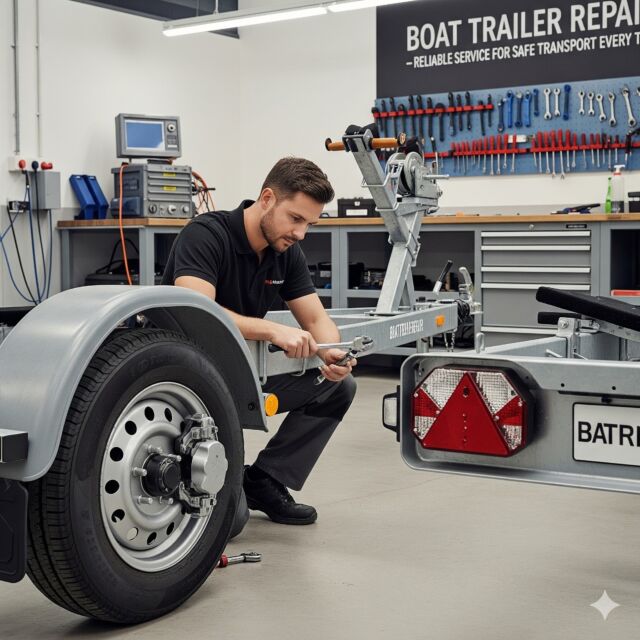
Old tires and dry bearings are a leading cause of trailer breakdowns. Regular boat trailer maintenance, including bearing greasing and tire inspections, prevents costly blowouts or seized wheels.
2. Brakes and Hubs
Brake systems—especially those exposed to saltwater—require routine cleaning and inspection. Drum or disc brake rebuilds may be necessary to ensure full stopping power.
3. Wiring and Lights
Broken or corroded wiring is a common trailer issue. We replace damaged lines with marine-grade, waterproof connections and modern LED lighting.
Pro tip: Trailer lights that work one day and fail the next often indicate hidden corrosion. Test your lights before every trip!
What’s Involved in Boat Trailer Repair
Professional boat trailer repair services include:
- Frame inspection and corrosion treatment
- Axle alignment and suspension checks
- Brake repair or replacement (disc or drum)
- Wheel bearing service or repack
- Trailer light rewiring and upgrades
- Bunk or roller repair and realignment
Common Repair Scenarios:
- Frozen wheel bearings or hub failure
- Lights or brakes failing before a trip
- Winch or strap damage during loading
- Axle misalignment from rough roads or curb strikes
Expert Boat Trailer Repair by Breeze Marine
At Breeze Marine Boat Service, we specialize in complete trailer repair services for all types of boat trailers, including:
- Single- and tandem-axle trailers
- Galvanized and aluminum frames
- Surge and electric braking systems
- Custom-fit bunk and roller setups
We’ll make sure your trailer is road-ready, safe, and legally compliant—so you can focus on enjoying the water.
Tips for Maintaining Your Boat Trailer
- Grease wheel bearings every 6–12 months
- Check tire pressure and inspect tread before each haul
- Test all trailer lights regularly
- Flush the trailer frame with fresh water after saltwater use
- Replace rusted or worn winch straps and chains
Boat Trailer Repair Near You
If you're located in Long Beach, San Pedro, Marina del Rey, or Huntington Harbor, Breeze Marine provides in-shop and mobile boat trailer repairs and diagnostics.
- Full wheel bearing and brake service
- LED light upgrades and waterproof wiring
- Frame cleaning, coating, and welding
- Bunk adjustment and hull support balancing
Contact Breeze Marine Boat Service today to schedule expert boat trailer repair and get peace of mind before your next launch or haul.
What to do about a cracked or rusted trailer frame
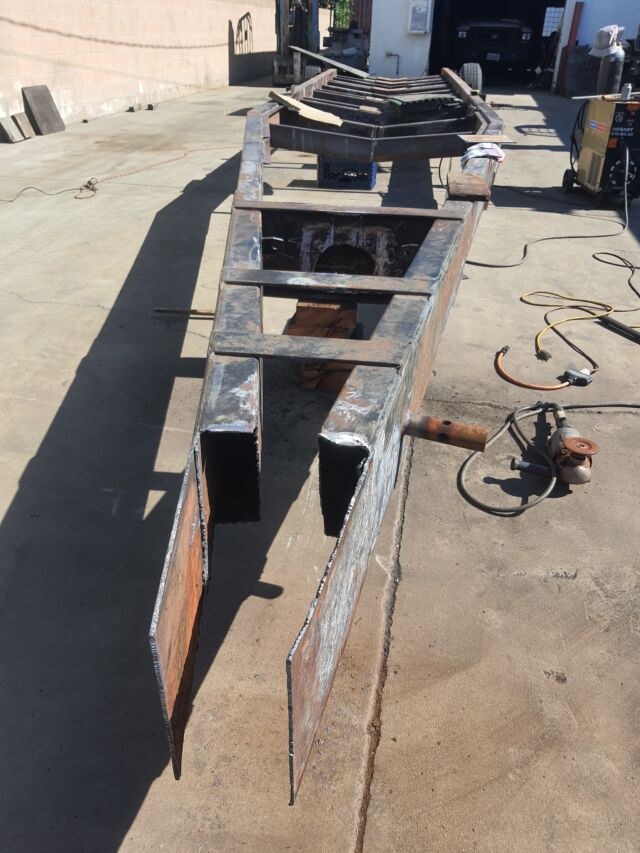
Rust or cracks on the frame or tongue are the usual reason owners look for boat trailer welding services, especially on a trailer that has gone into saltwater for years. A crack tends to grow with every haul, so have the trailer inspected before its next trip. For boat trailer repair in Long Beach, San Pedro, Marina del Rey and Huntington Harbor, Breeze Marine handles frame cleaning, coating and welding. A new weld next to rusted steel will not last, so the corrosion around it needs treatment too, and on galvanized steel recoating the repaired area matters as much as the weld itself.
Frequently asked questions: boat trailer repair
How do I know if my boat trailer wheel bearings are going bad?
Heat, noise and play are the usual warning signs. After a drive, carefully hold your hand near each hub; one that runs much hotter than the others needs attention. Grinding or rumbling sounds, grease slung onto the wheel and a wobble when you rock a jacked-up tire also point to dry or worn bearings that should be repacked or replaced before the next haul.
Should I let my trailer hubs cool down before backing into the water?
Yes, when you can, give them a few minutes. Hot bearings dunked in cold water contract quickly and can pull water past the seals, which leads to rust and early bearing failure. A short wait at the staging area helps, and bearing protectors or oil-bath hubs add another layer of defense, especially on trailers used in saltwater.
How often should boat trailer tires be replaced if the tread still looks good?
Trailer tires usually age out before they wear out, so many owners and tire makers plan on replacement after roughly three to six years, whatever the tread depth. Check the date code on the sidewall, look for cracks in the sidewalls and between the treads, keep them at the pressure printed on the tire, and use tires rated for trailer service and your loaded weight.
Do surge brakes on a boat trailer need extra care after saltwater launches?
Yes, saltwater is hard on surge brakes and they benefit from routine attention. Rinse the brakes, hubs and actuator with fresh water after each launch, check the actuator fluid, and have drums or rotors inspected for rust at least once a season. Grinding noises, a trailer that pushes the tow vehicle when stopping, or one hot wheel are signs that boat trailer repair should not wait.
A properly repaired and maintained trailer ensures safe transport of your boat. For a seamless on-water experience, consider complementing your newly serviced trailer with custom boat dash panels for enhanced functionality and style.
See also: What's New boat.