

Fuel Water Separator Installation
Labor estimate Usually 1–2 hours
Book sends us a ticket; nothing is charged online. Before any work you get a written estimate for labor, parts and the trip fee, and nothing is done without your OK.
Trip fee By distance, one way: $30 in San Pedro, $50 in Long Beach
- San Pedro$30
- Wilmington, Terminal Island$40
- Long Beach: Shoreline, Rainbow Harbor$50
- Long Beach Marina, Alamitos Bay$60
- Redondo Beach$60
- Seal Beach, Huntington Harbour$75
- Marina del Rey$85
- Newport Beach$110
Farther away: $25 plus $2.50 a mile, one way from our San Pedro shop. No trip fee when the boat comes to our shop, or for plan members. The work of a visit is at least $150; the trip fee is on top.
- Registered in California
- Breeze Marine Boat Service LLC, San Pedro
- Where we work
- At your slip from Marina del Rey to Newport Beach, or in our San Pedro shop
- Questions first
- (213) 693-0224 or submit a ticket
About this service
Clean Fuel.
Protected Engine.
Modern marine engines demand clean fuel. We install high-capacity Racor fuel filters and other quality fuel-water separators to stop water, sludge and debris before they reach your injectors. If the fuel in the tank has phase-separated, no filter can fix it; the fuel has to be removed.
Micron Filtration
We match the exact micron rating (2, 10, or 30-micron) required by your engine manufacturer. This stops microscopic rust and debris before it can clog your high-pressure fuel injectors.
Clear Sight Bowls
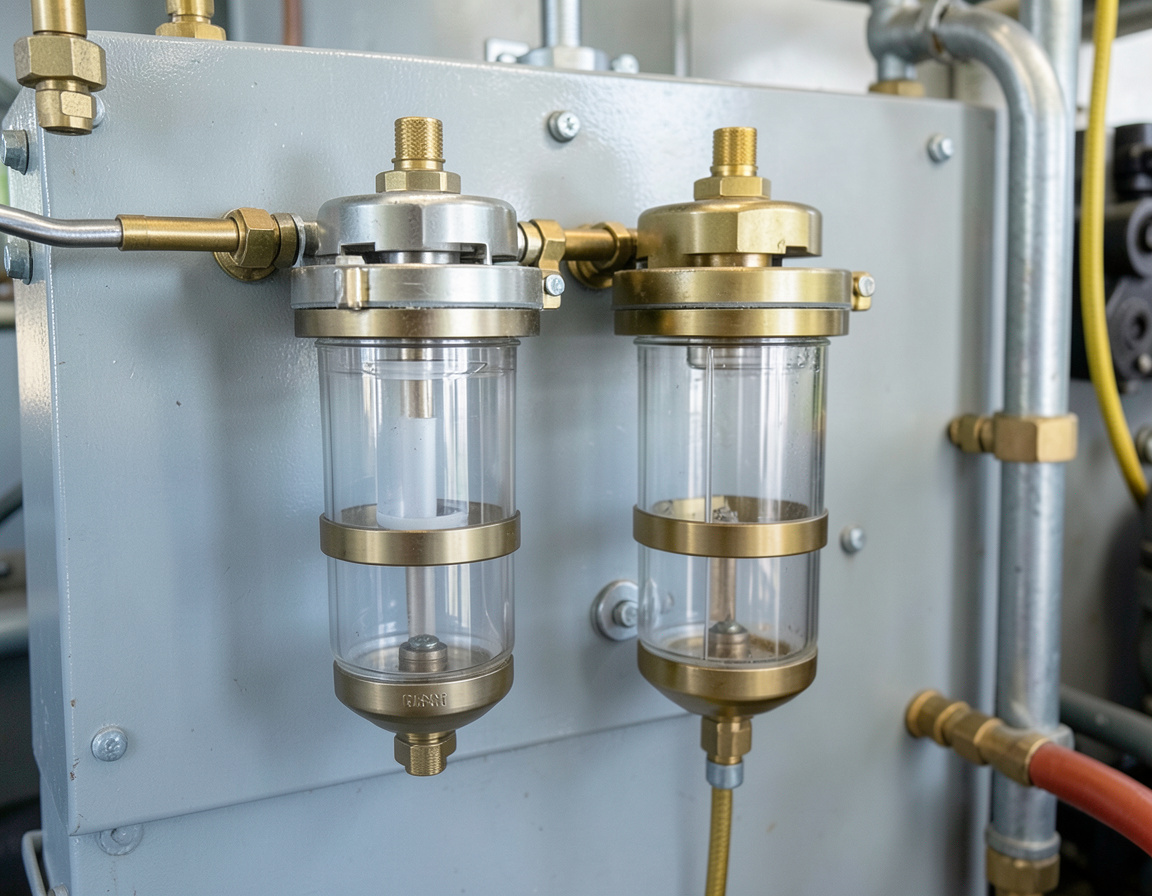
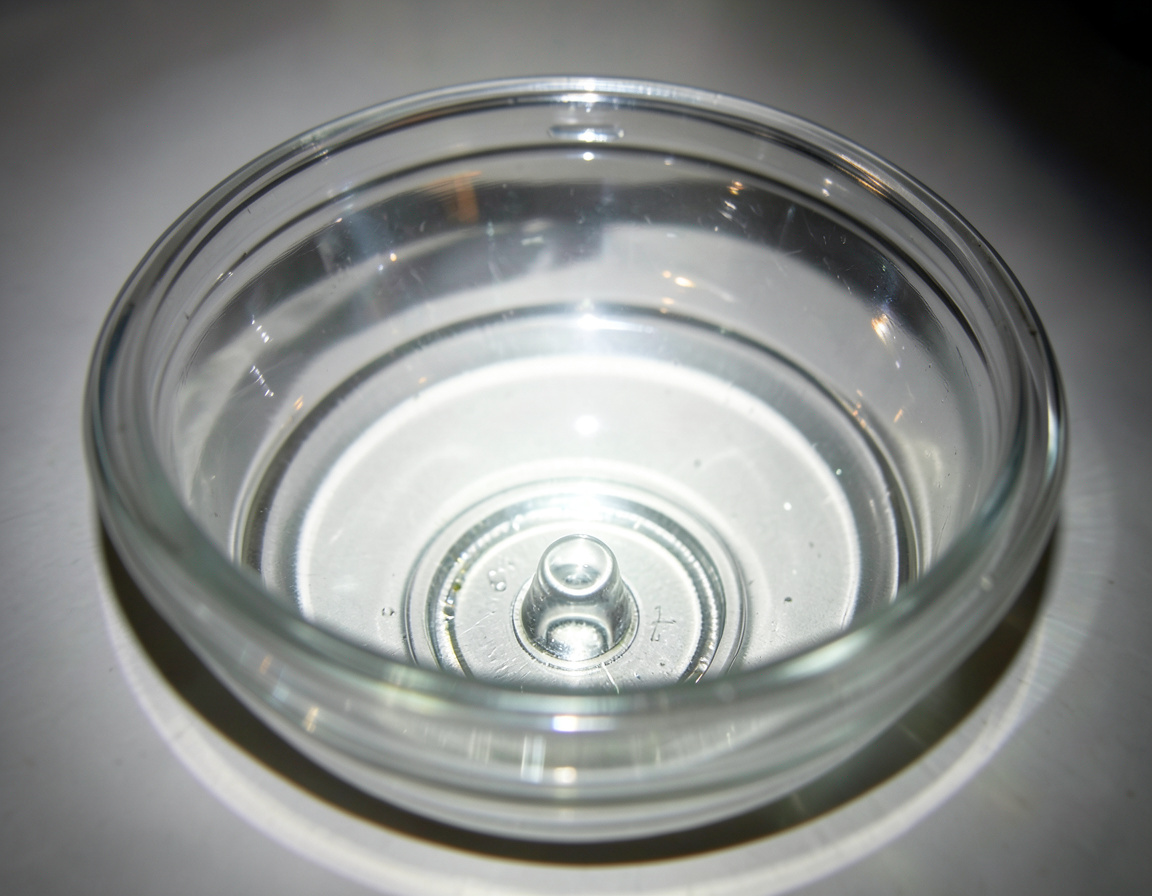
See the condition of your fuel at a glance. Racor Aquabloc media sheds water so it drops to the bottom of the clear bowl, where you drain it off with a simple petcock valve. Clear bowls are used on diesel installs and where the rules allow; in a gasoline engine compartment we fit a metal-bowl filter that meets USCG fuel-system rules.
Gas & Diesel Engineering
Whether battling ethanol issues and water in fuel on gas outboards or black algae in diesel inboards, we choose the correct flow-rate setup with marine-grade components that meet USCG fuel-system rules.
The Installation Process.
Engineered for reliability.
Flow Rate Calculation
We calculate the GPH (Gallons Per Hour) of your specific engine. An undersized boat fuel water separator can starve the engine of fuel at wide-open throttle and cause serious damage.
Strategic Mounting
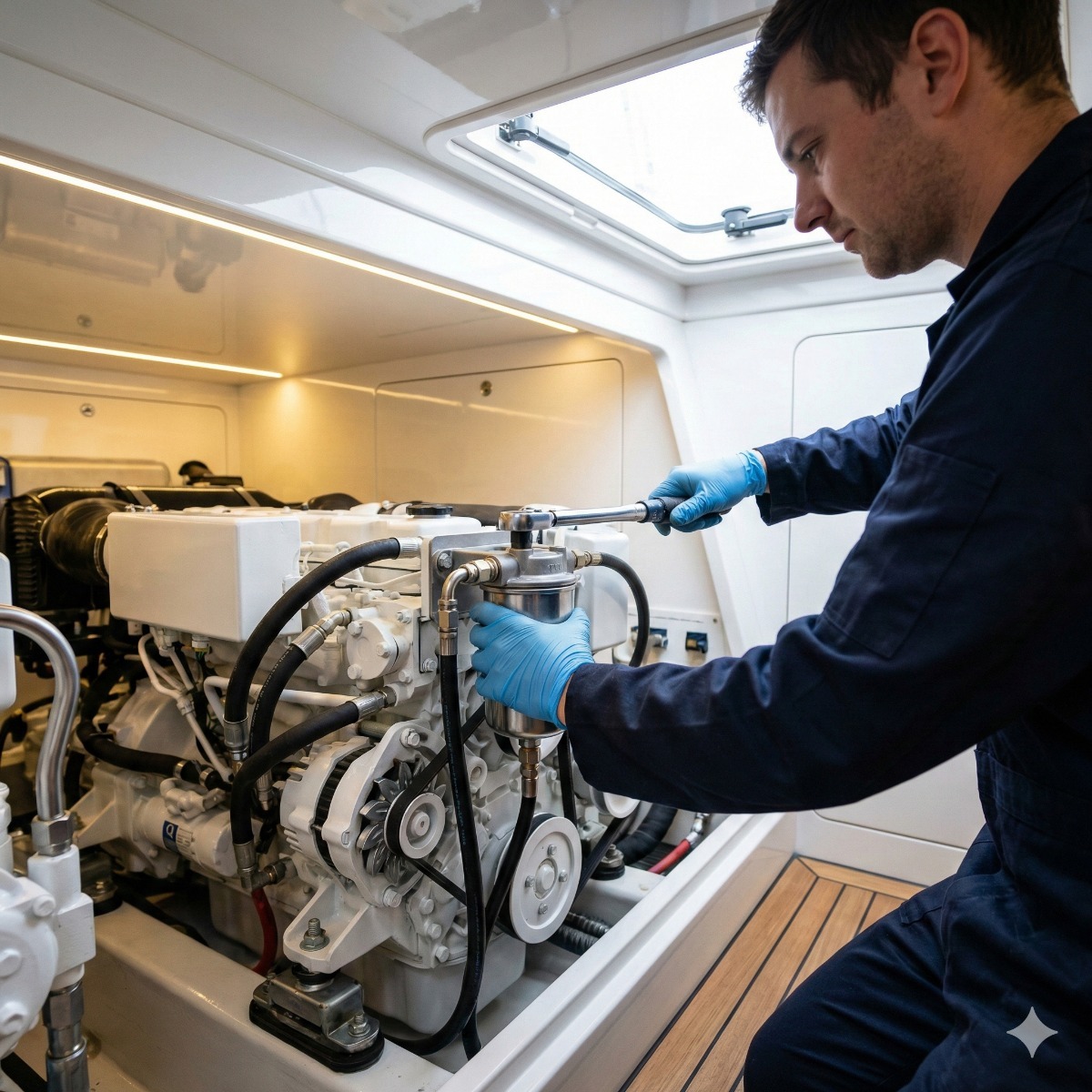
The filter head is bolted in an accessible, low-vibration location away from exhaust heat. We leave enough clearance below the bowl so the element is easy to change, even out on the water.
Marine Plumbing
We exclusively use USCG Type A1-15 fire-rated fuel hoses and stainless steel or brass NPT fittings. We never use standard automotive or hardware store plumbing for your boat fuel lines.
Priming & Vacuum Test
After assembly, the entire system is manually primed to eliminate air locks. We vacuum test the connections to check for a leak-free draw from the tank to the engine.
System Components.
Uncompromising quality.
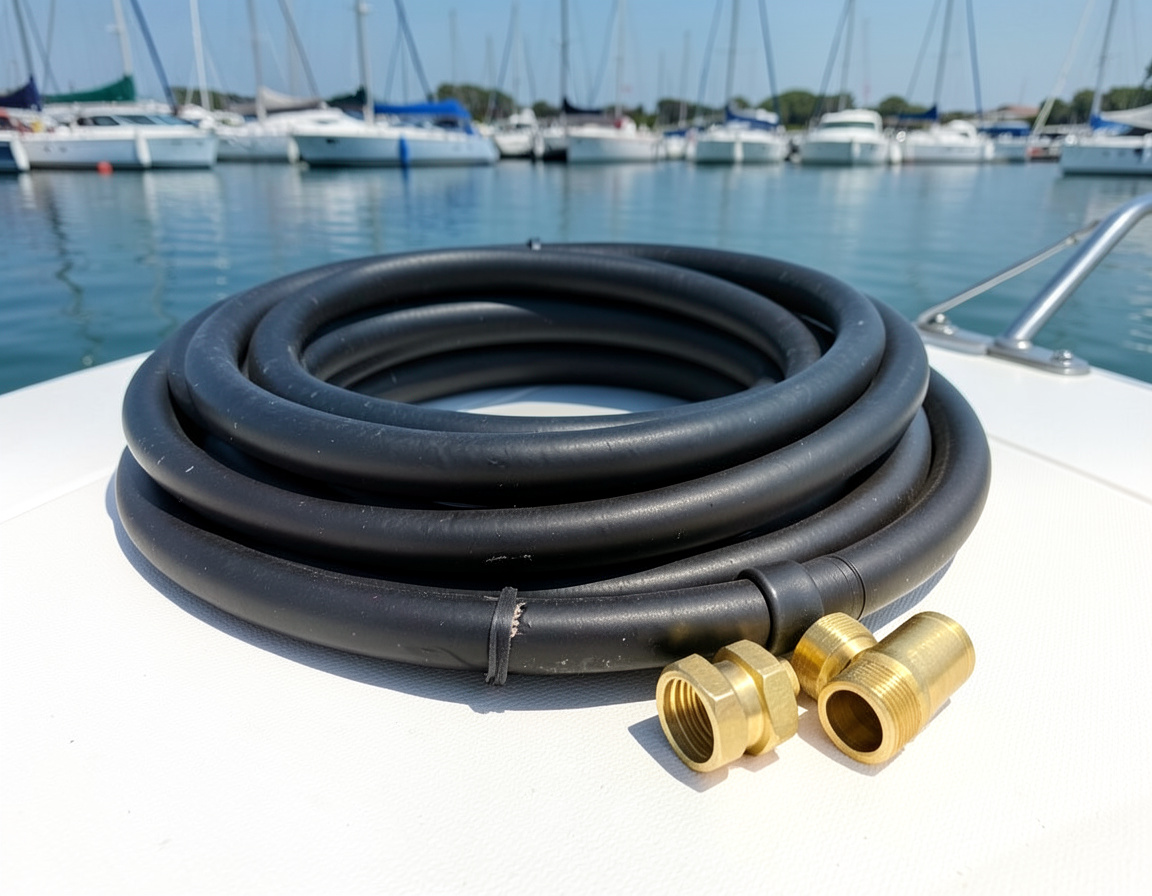
Technical Specs.
Filtration standards.
Common Questions
Why do I need this if my engine already has a filter?
The small engine-mounted marine fuel filter is your last line of defense. A primary bulk separator removes most of the free water and heavy sludge from the tank before it reaches the engine, so the engine-mounted filter does not clog as quickly.
How often should I drain the bowl?
Check it before every trip. On a clear bowl, if you see a distinct layer of water below the tinted fuel, place a cup underneath, open the petcock valve and drain the water out; on a metal bowl, drain a little fuel into a cup and look for water.
Outboard and Diesel Filter Setups
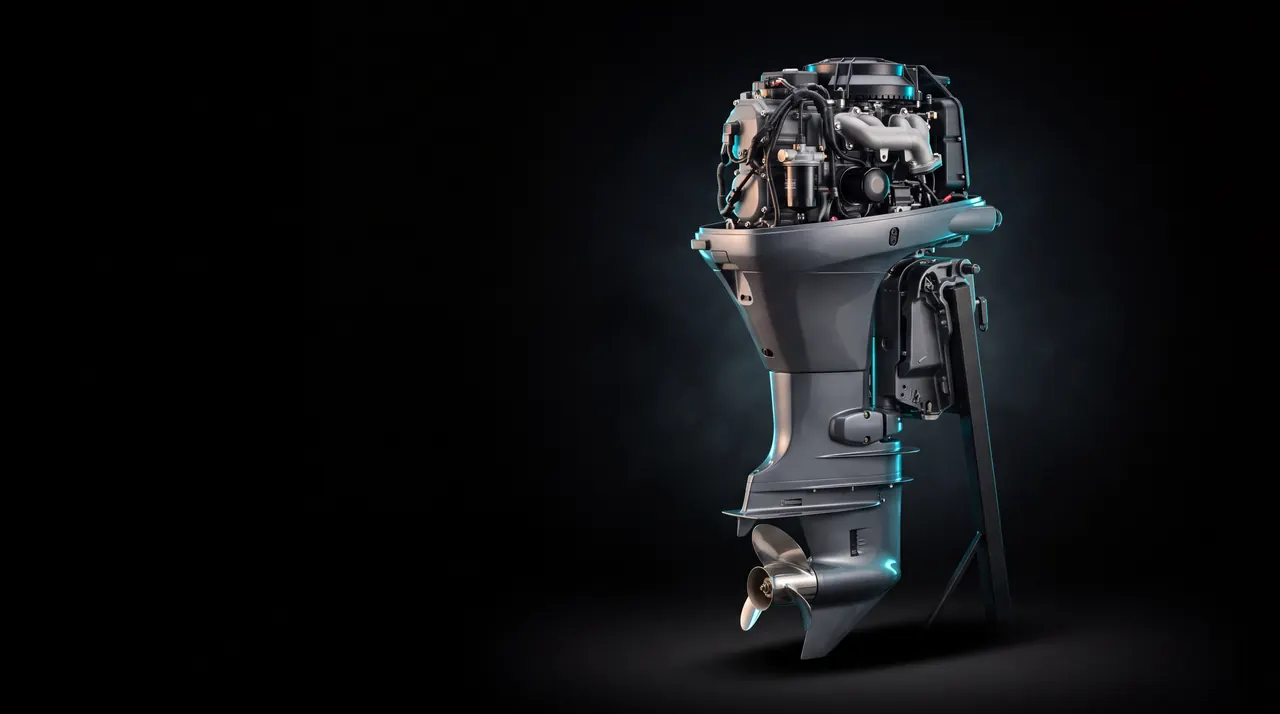
On gas outboards, the separator works as the primary outboard fuel filter, pulling water and debris out of the fuel before it reaches the smaller filter on the engine. On diesel inboards, it acts as the primary diesel fuel filter, catching water and sludge ahead of the finer engine-mounted element. In both cases the micron rating and flow capacity are matched to your engine.
Reviews 2
Questions 6
Related Posts
-
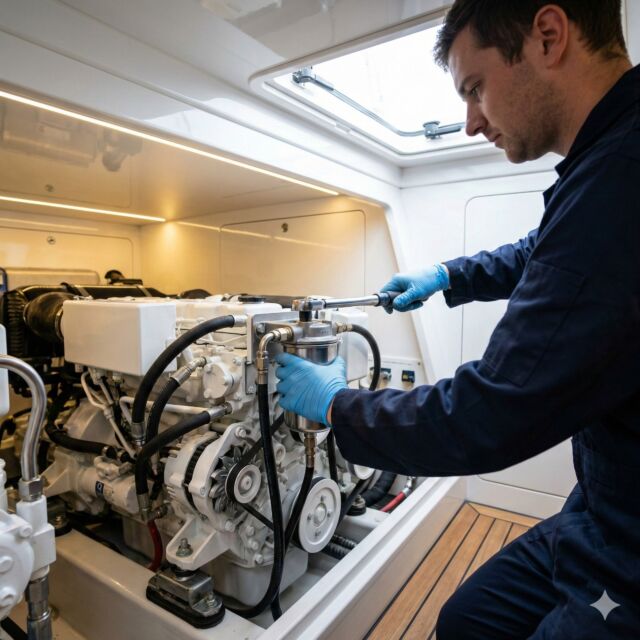


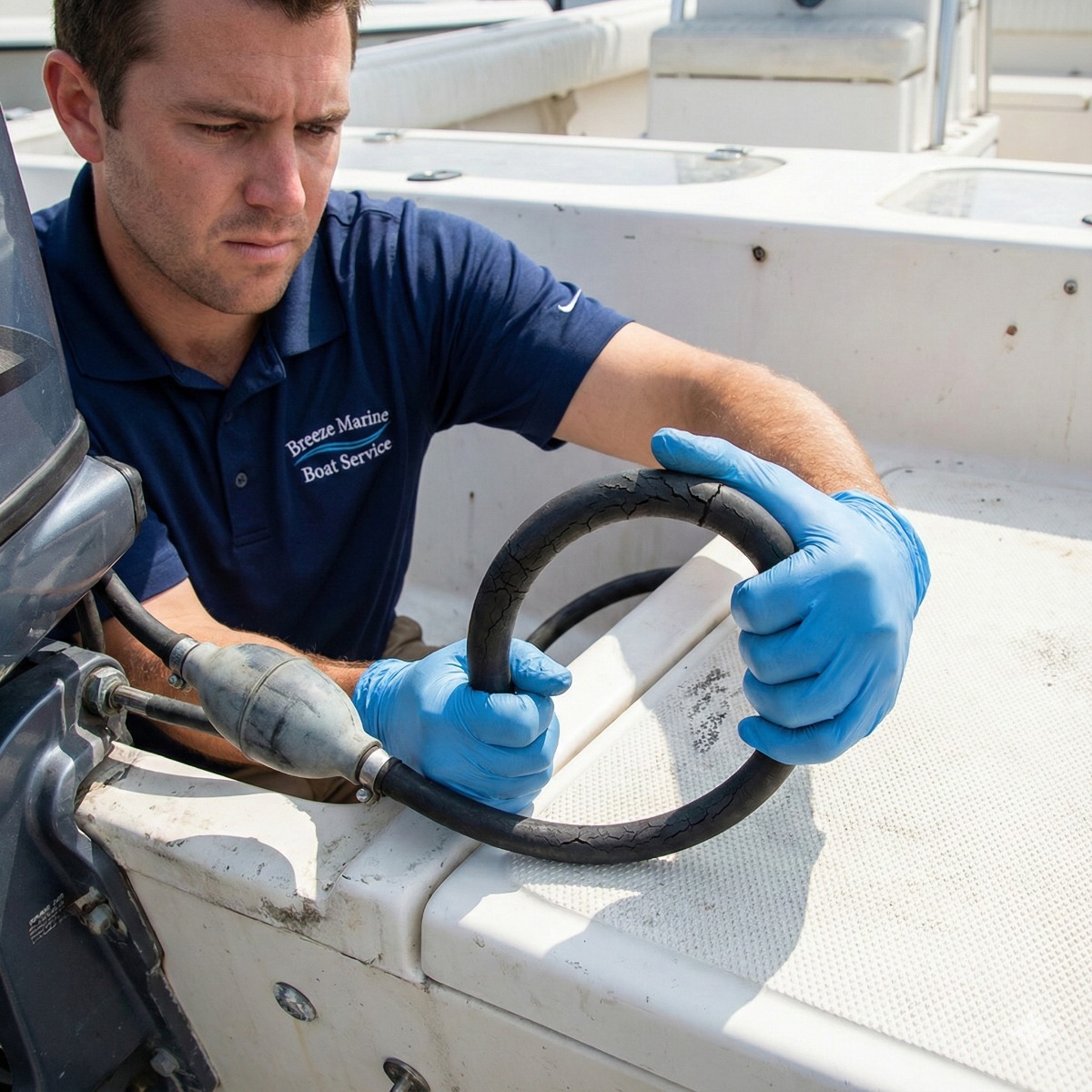
 Water and debris in fuel cause more rough-running and stalling problems than almost anything else. A fuel water separator is cheap insurance for your engine.
-
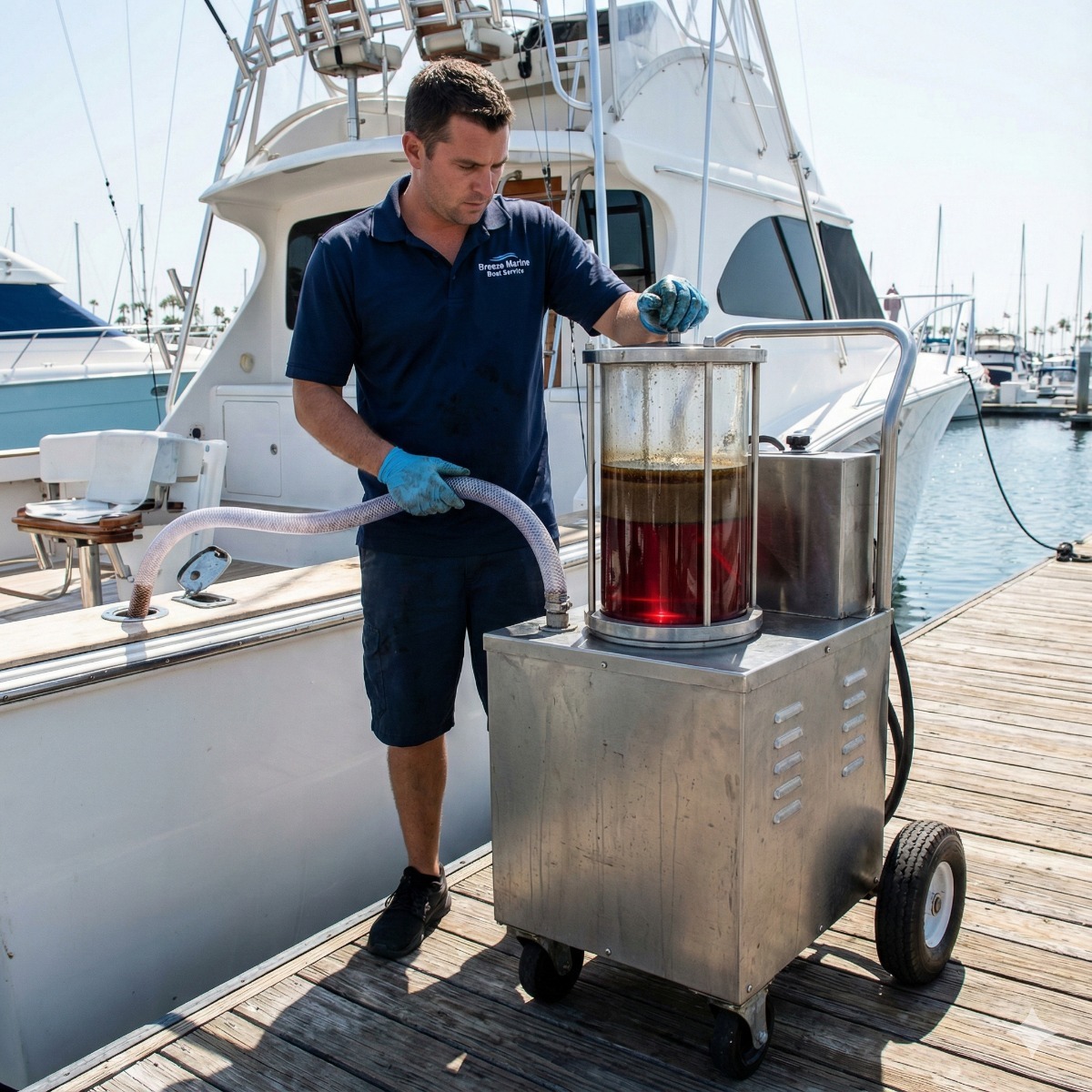
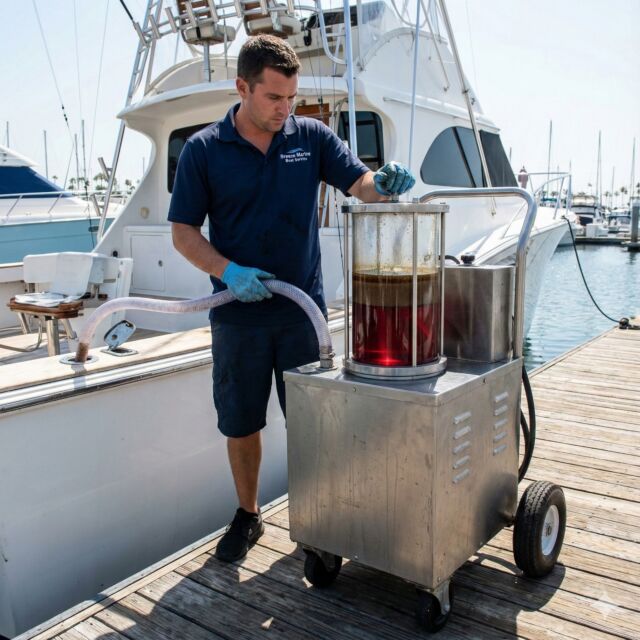 Water and diesel bug are behind many clogged filters and engines that lose power at sea. See how a diesel fuel polisher cleans the fuel you already have, how to spot contamination, when polishing is...