

Boating offers freedom, fun, and connection with nature — but even small mistakes on the water can lead to serious risks. Whether you're a new captain or a weekend veteran, understanding common safety hazards and how to avoid them is key to a smooth and stress-free voyage.
Why Boating Safety Matters
Unlike driving on roads, boating takes place in a dynamic, often unpredictable environment. Wind, waves, and equipment can turn a minor error into a major emergency. Staying safe isn’t just about having life jackets — it's about mindset, planning, and awareness.
Common boating safety mistakes include:
- Overloading the boat beyond weight or passenger limits
- Neglecting to check weather and tide conditions
- Running with low fuel or poor engine prep
- Improper use of navigation lights or signals
- Failing to brief passengers on boat safety equipment
Top Mistakes to Avoid on the Water
1. Skipping the Pre-Departure Checklist
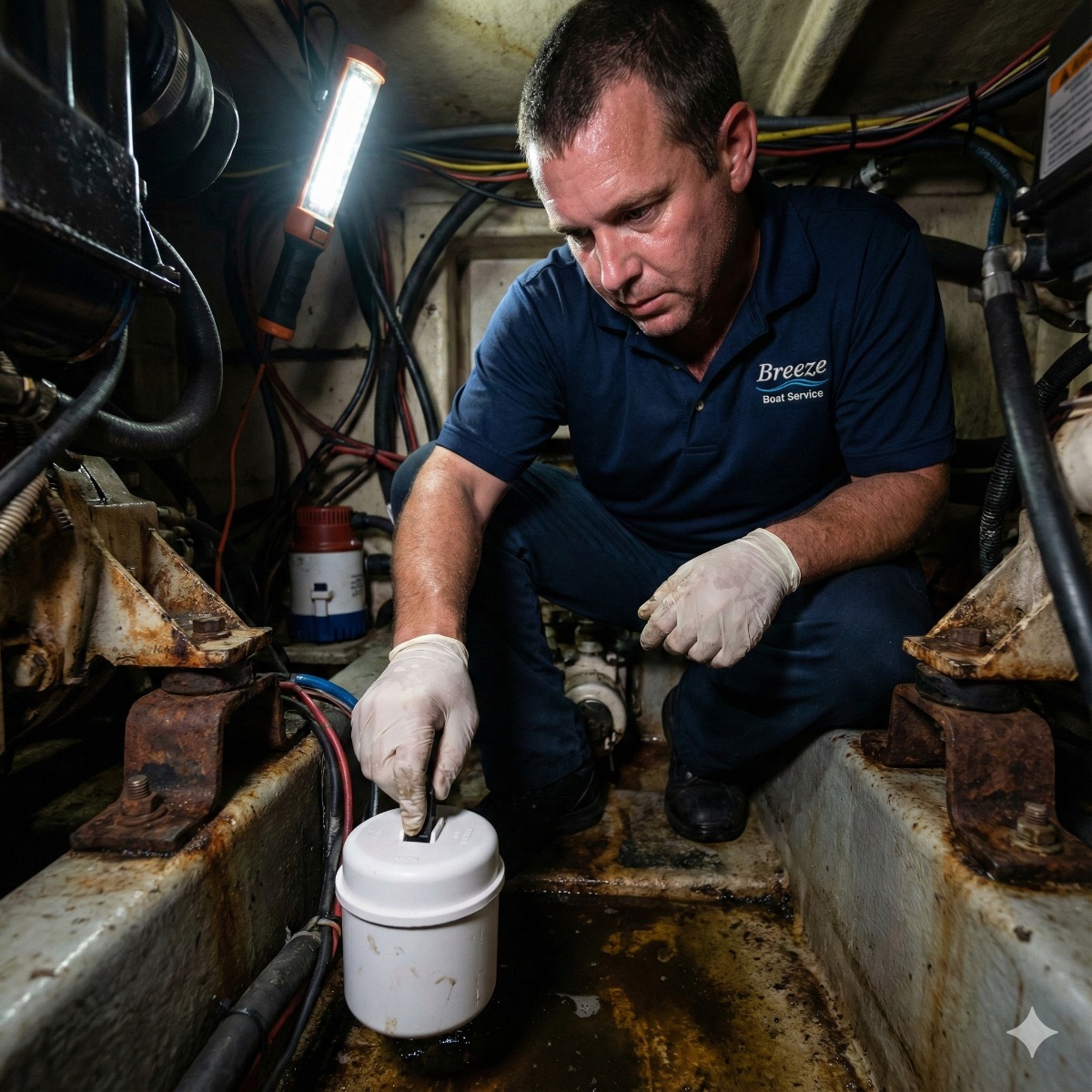
Many issues arise because of missed inspections — from low oil to loose battery terminals. Always run through a boat safety checklist before launch, covering your engine, fluids, electronics, fuel level, safety gear, and bilge pumps.
2. Relying Too Much on Technology
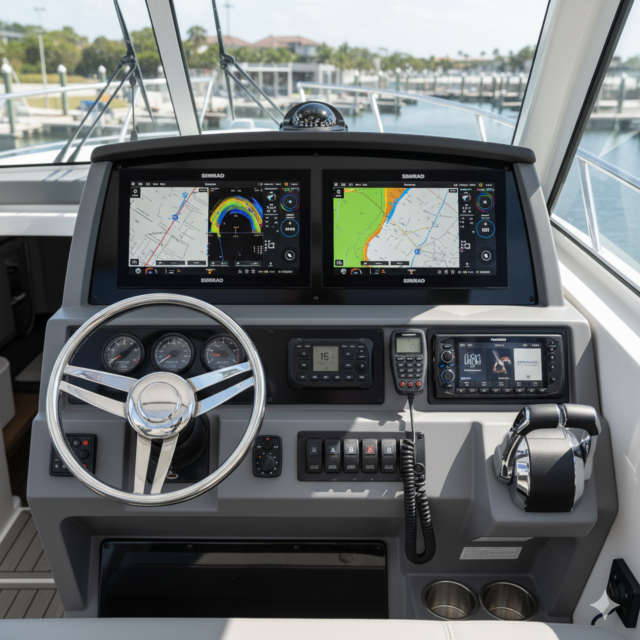
GPS and chartplotters are helpful, but nothing replaces local knowledge, situational awareness, and paper backups. Don’t let screens replace seamanship.
3. Ignoring Changing Weather
Conditions can change quickly — especially in coastal areas. Always check forecasts and radar before you leave and monitor during your trip. If winds pick up or fog rolls in, head back early.
4. Poor Passenger Communication
Before leaving the dock, let your guests know where life jackets are, how to use the radio, and what to do in emergencies. Even a short safety briefing can prevent panic and confusion.
Pro tip: Keep a laminated emergency checklist and local channel frequencies on board in case of power failure.
Basic Safety Gear – Never Leave the Dock Without:
- Life jackets (one per person, properly sized)
- Fire extinguishers (charged and accessible)
- Visual distress signals (flares, electric strobes)
- VHF radio or mobile emergency communication device
- First aid kit and basic tools
Safe Boating Practices to Live By
- Always check your float plan with someone ashore
- Respect no-wake zones and other waterway rules
- Never operate under the influence of alcohol or drugs
- Keep proper lookout at all times
- Train yourself and crew on man-overboard recovery
Safety Support from Services Boats
We help boaters in Long Beach, San Pedro, and Marina del Rey stay safe by offering:
- Safety gear inspections and replacements
- Onboard emergency system upgrades
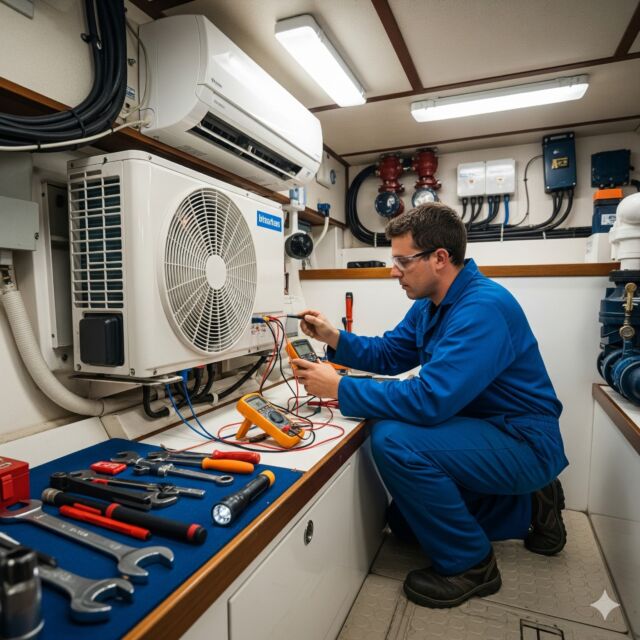
- Bilge pump, battery, and light system repairs
- Engine and fuel system safety checks
- Shakedown testing and safety evaluations
Contact Services Boats today for a full vessel safety check or pre-season inspection. Safe boating is smart boating — we’re here to help.
Frequently asked questions: boating safety
Do I need a California Boater Card to drive a motorboat?
In most cases yes. California requires operators of motorized recreational vessels on state waters to carry a California Boater Card, earned by passing an approved boating safety exam, with limited exemptions such as certain licensed operators and some rental situations. Check the California Division of Boating and Waterways for the current rules and exemptions before you head out.
What should a float plan include before a boat trip?
A float plan should list the boat's name, description and registration number, everyone aboard, your departure point, route, destination and expected return time, plus the radio and phone contacts you carry. Leave it with a reliable person ashore and tell them when you are back. If you are overdue, they will know when to contact the Coast Guard and where to search.
When do fire extinguishers on a boat need to be replaced?
Replace any extinguisher that is discharged, damaged or no longer in the gauge's charged range, and check them monthly. Under current US Coast Guard rules, disposable extinguishers on recreational boats are considered expired 12 years after the manufacture date stamped on the bottle. Carry the number and type required for your boat's length, and keep them where you can reach them quickly.
Is an inflatable life jacket as safe as a foam one?
For adults, an approved inflatable life jacket can be just as effective when it is worn, maintained and suited to the activity, and many people find it comfortable enough to wear all day, which is key to boating safety. Most inflatables are not approved for children under 16 or recommended for weak swimmers, and they must be inspected and rearmed after use.