
Fuel Polishing & Micro-Filtration
Labor estimate Usually 2–4 hours
Book sends us a ticket; nothing is charged online. Before any work you get a written estimate for labor, parts and the trip fee, and nothing is done without your OK.
Trip fee By distance, one way: $30 in San Pedro, $50 in Long Beach
- San Pedro$30
- Wilmington, Terminal Island$40
- Long Beach: Shoreline, Rainbow Harbor$50
- Long Beach Marina, Alamitos Bay$60
- Redondo Beach$60
- Seal Beach, Huntington Harbour$75
- Marina del Rey$85
- Newport Beach$110
Farther away: $25 plus $2.50 a mile, one way from our San Pedro shop. No trip fee when the boat comes to our shop, or for plan members. The work of a visit is at least $150; the trip fee is on top.
- Registered in California
- Breeze Marine Boat Service LLC, San Pedro
- Where we work
- At your slip from Marina del Rey to Newport Beach, or in our San Pedro shop
- Questions first
- (213) 693-0224 or submit a ticket
About this service
Don't Dump It.
Polish It.
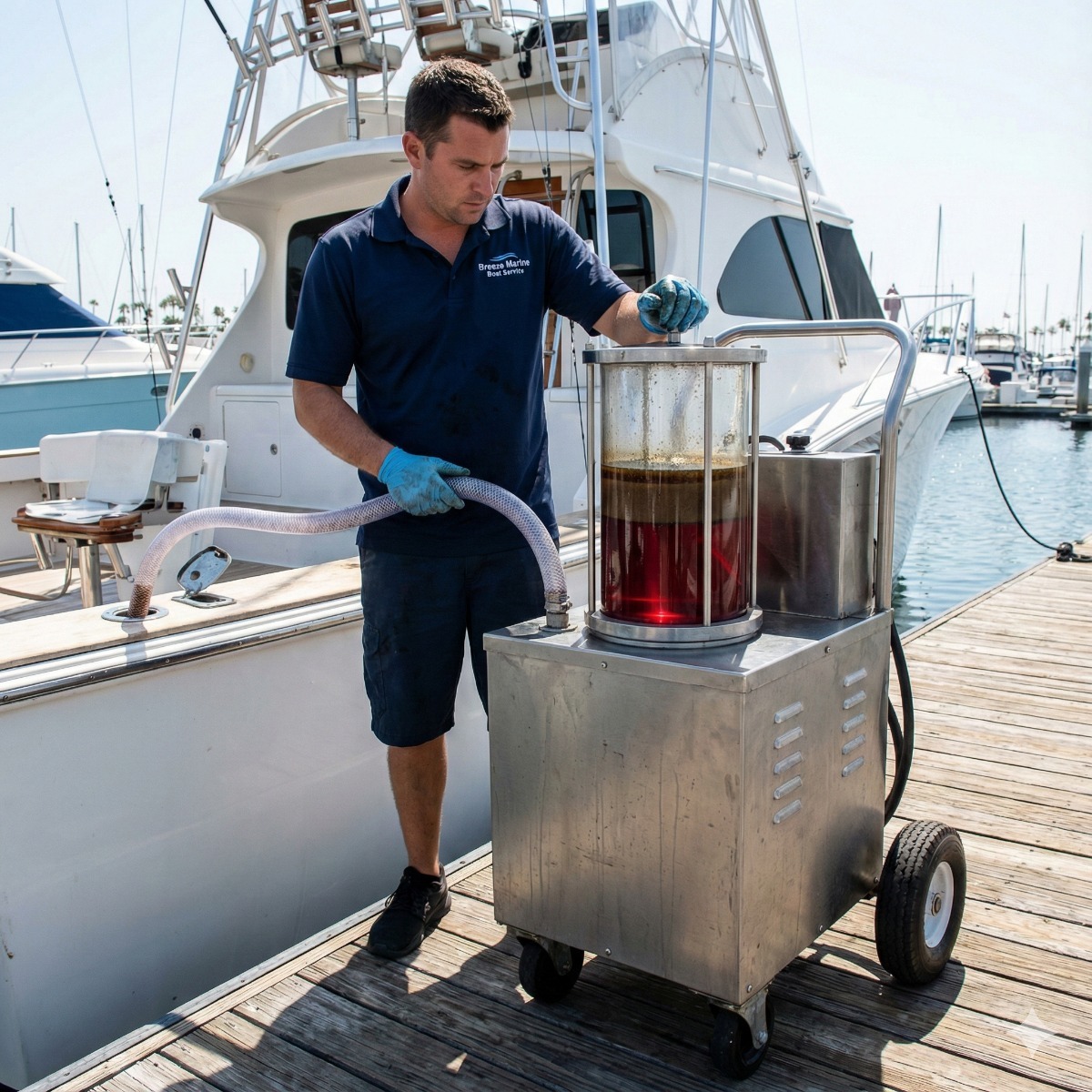
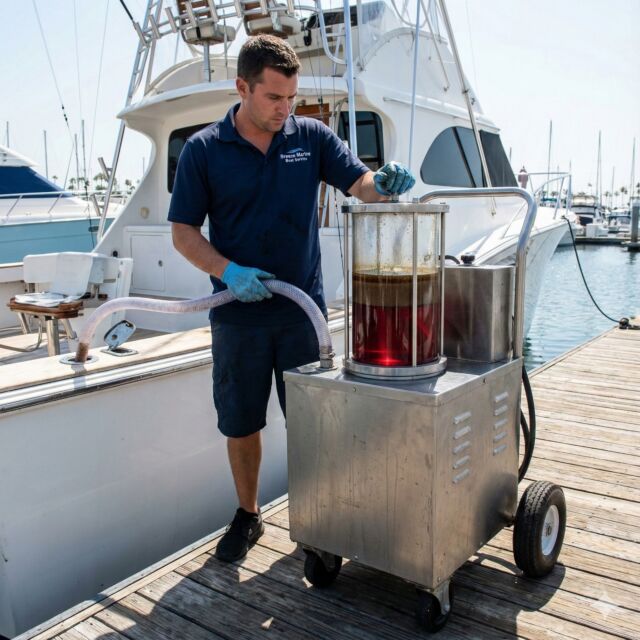
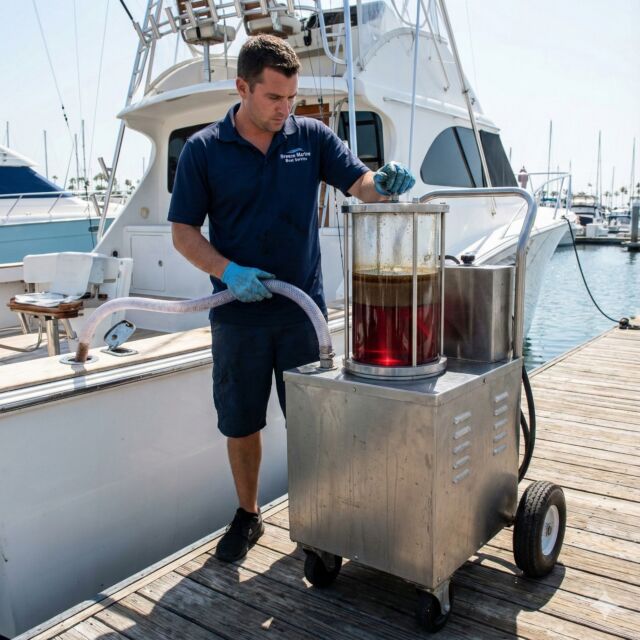
Contaminated diesel doesn't always need to be thrown away. We bring a mobile filtration rig to the boat and cycle your tank through it, removing water, microbial sludge and fine particles, so clean fuel goes back into your tank.
Water Extraction
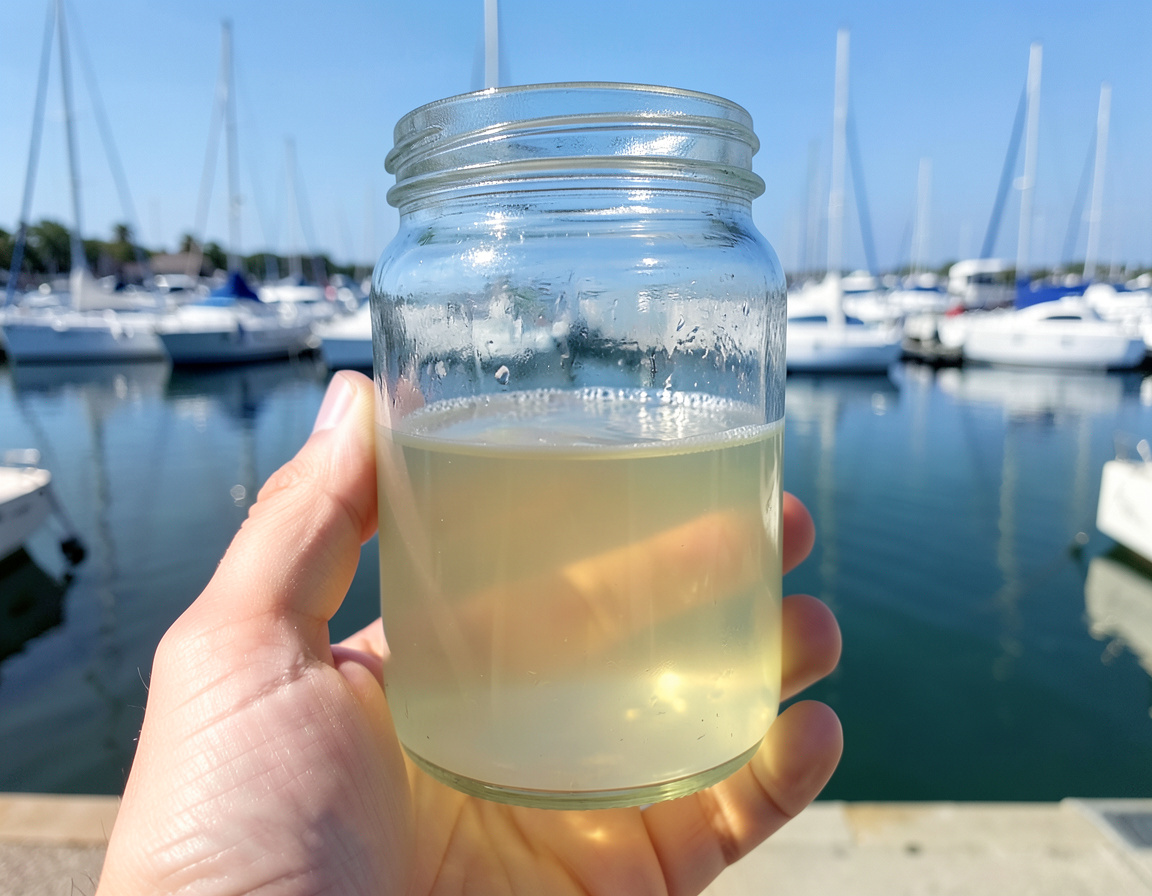
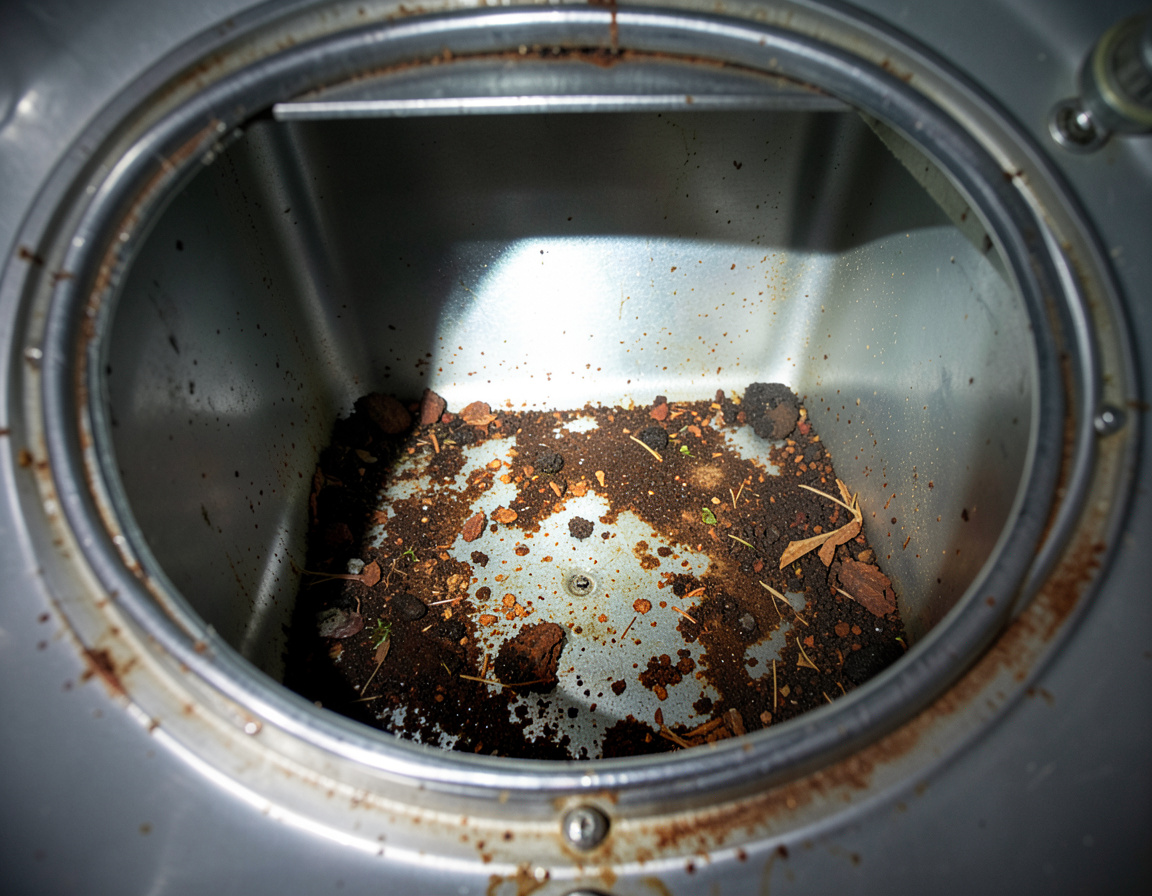
Water is the enemy. It settles at the bottom of your tank, where it causes rust and feeds microbial growth. The rig's water separator takes the settled water out of the tank, so it does not end up in your engine's filters.
Diesel "Algae" Removal
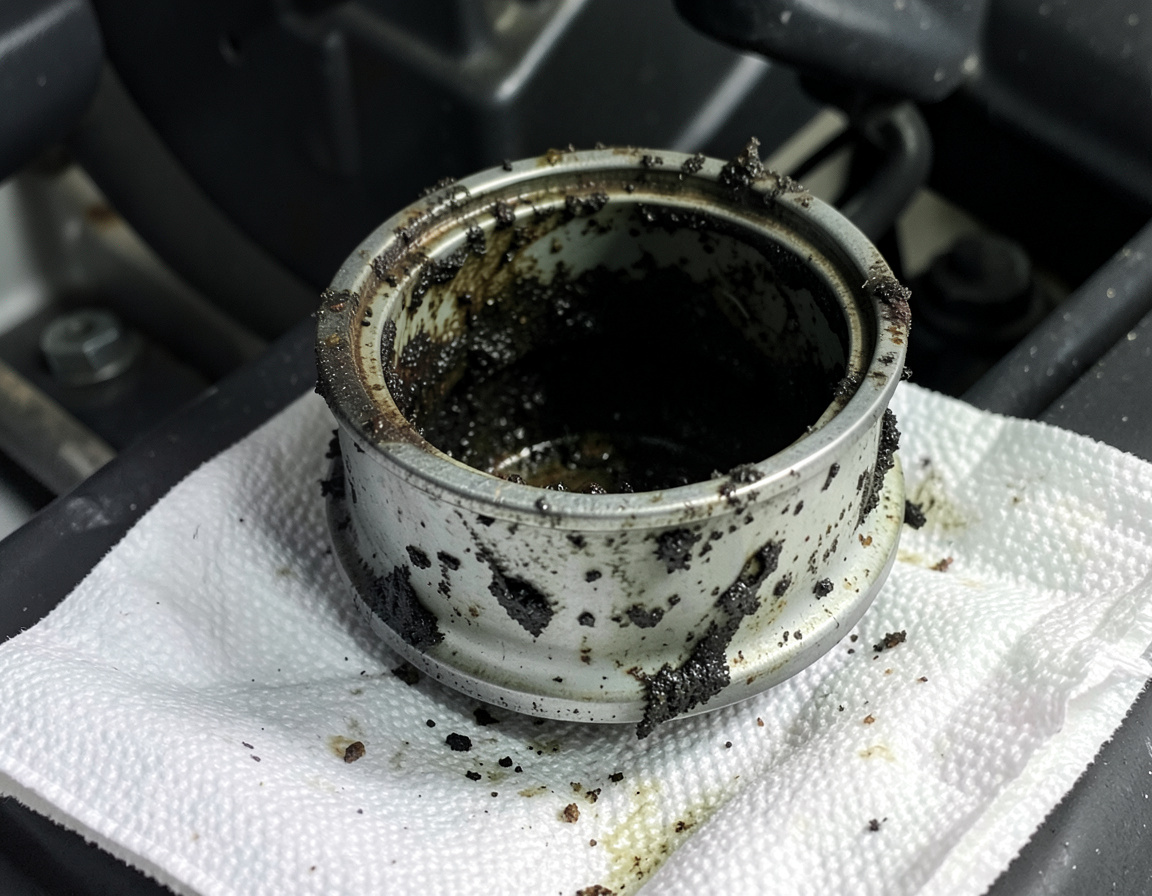
Microbes grow in diesel where it meets water, forming a dark sludge that clogs filters quickly. We use biocides and filtration to scrub this sludge out of your tank; keeping water out of the tank helps keep it from coming back.
Closed-Loop Cycle
We don't just drain the tank. We set up a "Kidney Loop." We pull dirty fuel out, run it through our multi-stage filters, and return clean fuel back into the tank under pressure to stir up and clean the bottom.
The Filtration Process.
Clean fuel, on-site.
Tank Access
We access the fuel via the sending unit or inspection port. We insert a suction wand to the very bottom (the "dead zone") where the worst contaminants live.
Phase 1: Water Separation
The fuel first passes through a water separator, which pulls out the heavier water and large solids and holds them in a clear bowl for removal.
Phase 2: Fine Filtration
The fuel then passes through a series of finer and finer filters that catch particles too small to see.
Fuel Return
The polished fuel goes back into the tank under pressure. The flow stirs up sludge from the bottom and walls, which is picked up and filtered out on the next pass, so polishing also cleans much of the tank. Heavy buildup may need more than polishing; we tell you if so.
What We Remove.
The silent engine killers.
Rig Capabilities.
At a glance.
Common Questions
Can you save "Phase Separated" gas?
No. When the ethanol separates, a water and ethanol layer sinks to the bottom and the gasoline above it has lost ethanol and octane. Phase-separated gasoline should be drained and disposed of, not polished or revived with octane booster; we drain the tank, replace the fuel filters and check the fuel system before fresh fuel goes in.
Do I lose all my fuel?
Usually not. Polishing removes the water and sludge and returns the clean fuel to the tank, so only the contaminated part is lost. If the fuel is badly degraded, we tell you, and replacing it may make more sense.
Mobile Fuel Polishing On-Site
We bring the polishing rig to the boat: it connects through the sending unit or inspection port, pulls fuel from the bottom of the tank and returns it clean in a closed loop, so the boat does not need to be hauled out. Book it when diesel filters keep clogging, the engine starts to stumble, or the boat has sat long enough for sludge to grow where diesel meets water. Tell us the approximate tank size and how long the boat has been sitting, and make sure the tank fittings are easy to reach.
Dirty fuel can cause serious problems for your boat's engine, from decreased performance to costly repairs. Regular marine fuel polishing is a crucial part of maintaining your vessel's health – it removes water, sediment, and contaminants that can accumulate in your tank over time. Our process uses advanced micro-filtration technology to ensure the cleanest possible fuel, protecting your engine and extending its lifespan.
Marine Fuel Polishing: FAQ
What exactly does marine fuel polishing do?
Marine fuel polishing is a process of removing impurities from diesel or gasoline stored in your boat's tank – water, sediment, particulate matter, and other contaminants that can clog injectors, fuel lines, and filters. It leaves you with clean, high-quality fuel that runs smoothly and efficiently.
How does micro-filtration work for marine fuel polishing?
Micro-filtration uses a precise membrane to capture even the smallest particles – including water droplets as small as 1 micron – from your fuel. This ensures that every last bit of contamination is removed, not just filtered out or left behind in the tank.
If you're searching for a solution to fuel system problems like corrosion, gum, and water contamination in your boat's tank, look into fuel polishing Englewood-style - it's a process that removes impurities at the molecular level. This is different from simple draining or replacing the tank; it involves circulating a specialized cleaning agent through the entire system to break down sludge and restore clarity. Consider whether this approach aligns with your needs before investing in more invasive repairs.
Reviews 5
Questions 7


-
 Boat Care Plans – Long Beach & San PedroFrom $14 /mo

Related Posts
-


 Water and diesel bug are behind many clogged filters and engines that lose power at sea. See how a diesel fuel polisher cleans the fuel you already have, how to spot contamination, when polishing is...
-
 Boat sat unused? How to tell a contaminated tank from a varnished carburetor, when to polish fuel or rebuild the carb, the right order of work and prevention.