Owning a boat is more than just enjoying the open water — it's about responsibility, safety, and proper maintenance. Whether you're a new owner or a seasoned boater, following these essential tips will help you get the most out of your investment and avoid costly surprises.
Why Smart Boat Ownership Matters
A well-maintained boat performs better, lasts longer, and keeps you and your passengers safe. Neglecting small issues can lead to major breakdowns, lost weekends, or even dangerous situations offshore.
Top reasons to stay proactive:
- Prevent unexpected breakdowns
- Protect your engine and electronics
- Ensure safe operation in all conditions
- Preserve resale value and aesthetics
- Reduce long-term maintenance costs
Basic Boat Ownership Must-Dos
1. Perform Routine Maintenance
Check your engine oil, filters, fuel system, and coolant regularly. Inspect belts, hoses, and electrical connections. Schedule full inspections at least once per season.
2. Clean After Every Trip
Flush the engine with fresh water. Rinse the hull, remove debris, and dry the interior. Salt and grime build-up can cause corrosion and mechanical wear.
3. Keep Safety Gear in Top Condition
Life jackets, fire extinguishers, distress signals, and first-aid kits should be checked before every outing. Replace expired items and test electronics like radios and GPS.
Pro tip: Create a pre-launch checklist to make sure you don’t miss anything critical before hitting the water.
Storage and Docking Tips
- Use a quality boat cover when not in use
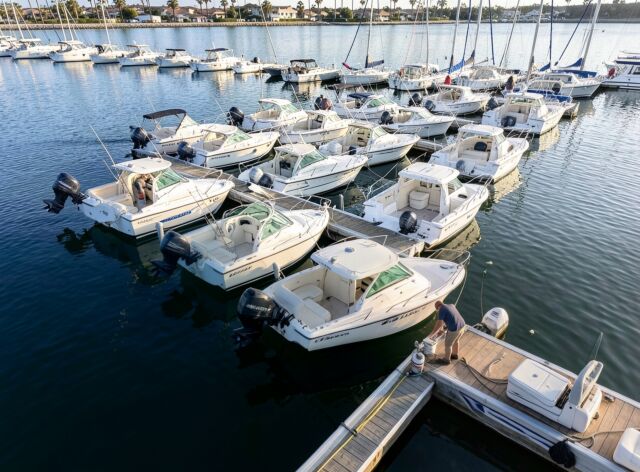
- Check mooring lines and fenders regularly
- Store your boat out of water during offseason (if possible)
- Use dehumidifiers or ventilation systems to prevent mildew
Know When to Call a Pro
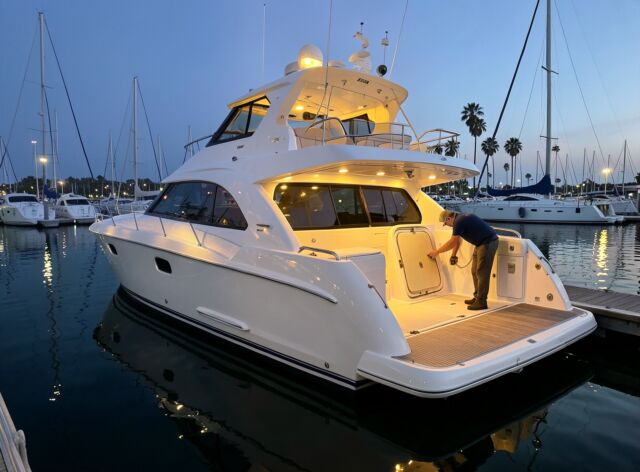
Some maintenance tasks are DIY-friendly, but others require experience and tools. Reach out to certified marine technicians when you notice:
- Strange engine noises or vibrations
- Electrical issues or warning lights
- Persistent leaks or fuel smells
- Difficulty shifting or steering
Professional Boat Service – What We Offer
At Services Boats, we support boat owners with:
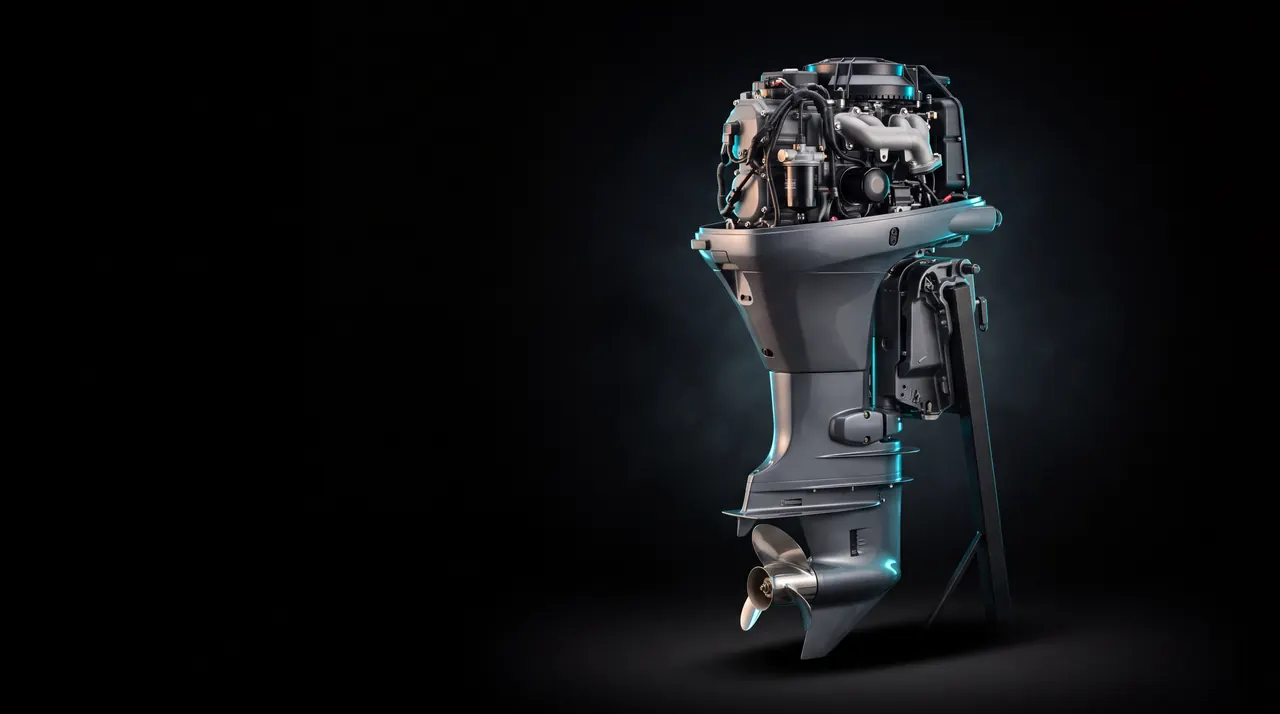
- Engine diagnostics and tune-ups
- Drive, transmission, and propeller repairs
- Electrical and battery system servicing
- Fuel tank cleaning and system inspection
- Shifter, throttle, and steering repairs
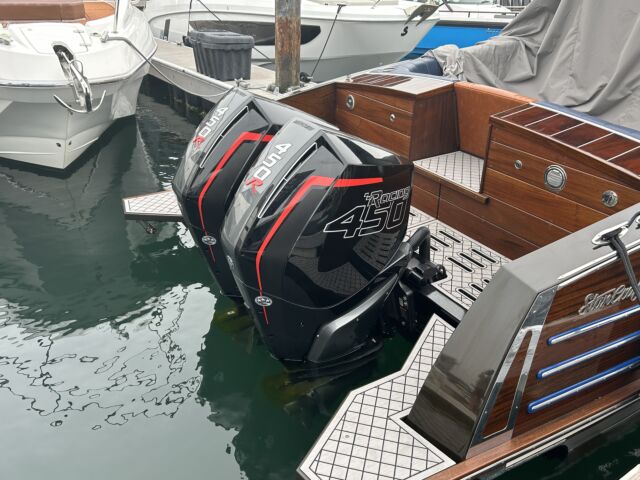
We specialize in working with MerCruiser, Volvo Penta, Yamaha, Suzuki, Honda, and Mercury systems.
Long-Term Boat Ownership Tips
- Change oil and filters every 50–100 hours
- Check and replace anodes annually
- Keep a maintenance logbook
- Use marine-grade lubricants and cleaners
- Winterize your boat if storing during cold months
Boat Maintenance Near You
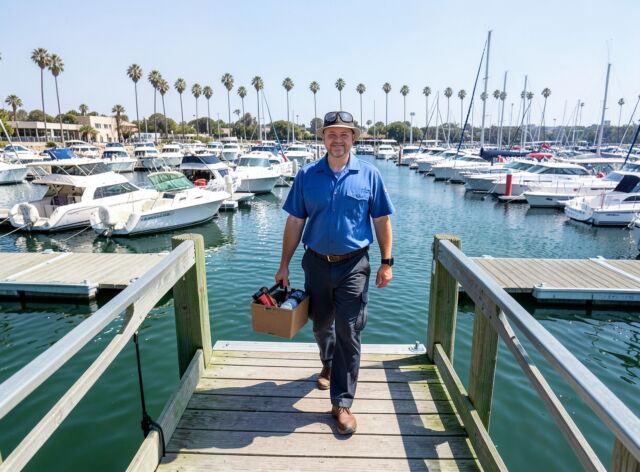
We serve boat owners in Long Beach, San Pedro, Huntington Beach, and Marina del Rey. Our mobile and in-shop services cover all essential boat systems to keep you ready for the water, all year round.
Contact Services Boats today for inspections, seasonal maintenance, or emergency repairs. Stay safe, run smooth, and enjoy every trip!
What to keep aboard and at the dock
Basic boat repair kits cover the small jobs between services: spare fuses, hose clamps, a spare belt and impeller, electrical tape and the tools to fit them. They are a stopgap, not a fix, so engine noises, warning lights, fuel smells or steering trouble still call for a marine mechanic.
Give fenders the same regular checks as mooring lines. Cylindrical fenders hang along the widest part of the hull, while round boat fenders, often called ball fenders, give more standoff at the bow, stern or against pilings. Check each boat fender for low pressure, cracks and chafed lines, and adjust its height whenever you dock somewhere new.
Frequently asked questions: boat ownership
What maintenance records should I keep as a boat owner?
Keep a log with dates, engine hours, work done and parts used, plus receipts for oil changes, impellers, anodes, filters and repairs. Good records help you stay on schedule, help with insurance questions and usually make a boat easier to sell. A simple notebook or spreadsheet works well as long as it is kept up to date after every service.
Should I get a marine survey before buying a used boat?
Yes, for most used boats a pre-purchase survey is well worth it. A marine surveyor inspects the hull, structure and systems, and lenders and insurers often require a survey for larger or older boats. Pair it with an engine inspection by a marine mechanic, including compression tests and, for diesels, oil analysis, since surveys often cover engines only briefly.
How frequently should I clean my boat's bottom if it stays in the water?
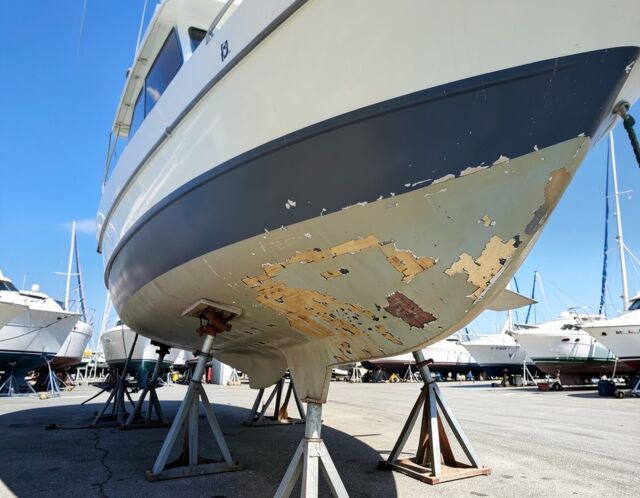
In warm saltwater like Southern California harbors, many owners have the bottom cleaned by a diver roughly every three to six weeks, and more often in summer. Growth slows the boat, raises fuel use and can clog cooling intakes. Choose a cleaning method suited to your antifouling paint, and follow local rules on in-water hull cleaning.
What yearly costs should I plan for with boat ownership besides the purchase price?
Plan for slip or storage fees, insurance, registration, fuel, routine engine service, bottom cleaning and periodic haul-outs for bottom paint, plus a reserve for unexpected repairs. Costs vary widely with boat size, engine type and marina, so ask your marina, insurer and service provider for local figures before you buy. Good boat ownership starts with a realistic budget.
See also: buying a used boat what a pre purchase inspection checks.
See also: boat ac service checklist for a long beach summer.