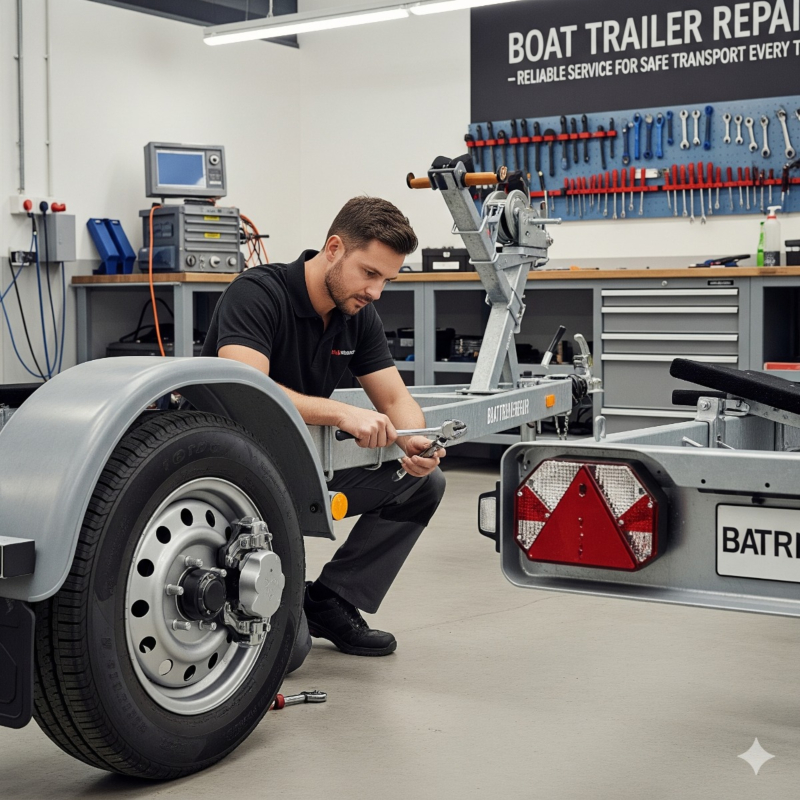
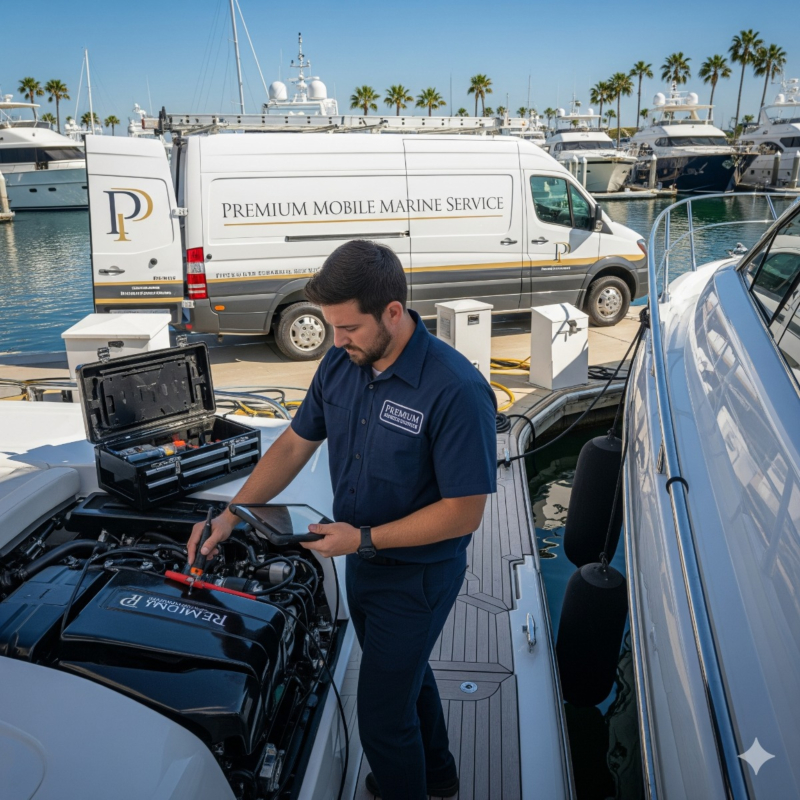
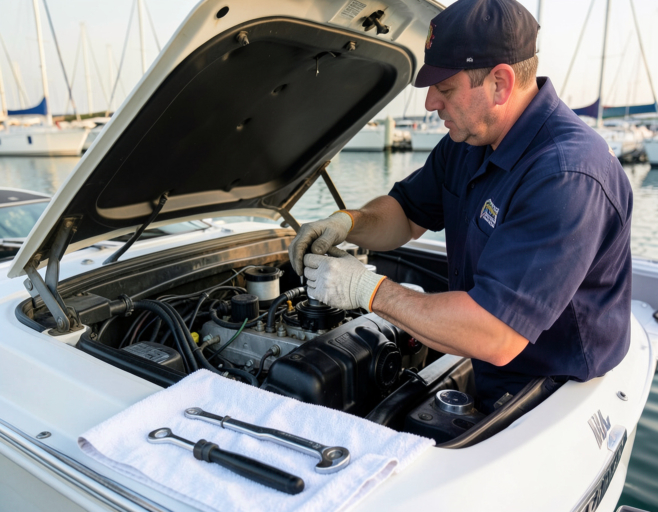
Most boat breakdowns are not sudden. They come from work that was planned, then postponed, then forgotten: an impeller that should have been changed last spring, anodes that wore away over the winter, a battery that was weak for months. A maintenance agreement is one way to stop that from happening. Instead of calling someone when something fails, the routine work is put on a calendar and done on time. Here is how these agreements work and how to decide whether one suits you.
Who Benefits Most
- Busy private owners: people who use the boat regularly but do not have time to track service intervals and book each job.
- Owners who live away from the boat: someone needs to check it between visits, especially through the off-season.
- Rental, charter and club fleets: fleet maintenance contracts keep a group of boats on a shared schedule so they are rotated out in turn rather than all at once in peak season.
- Marinas and yacht clubs: marina service contracts can give tenants a single point of contact with agreed terms.
- Commercial operators: workboats often need documented inspections for insurance or compliance.
What a Good Agreement Covers
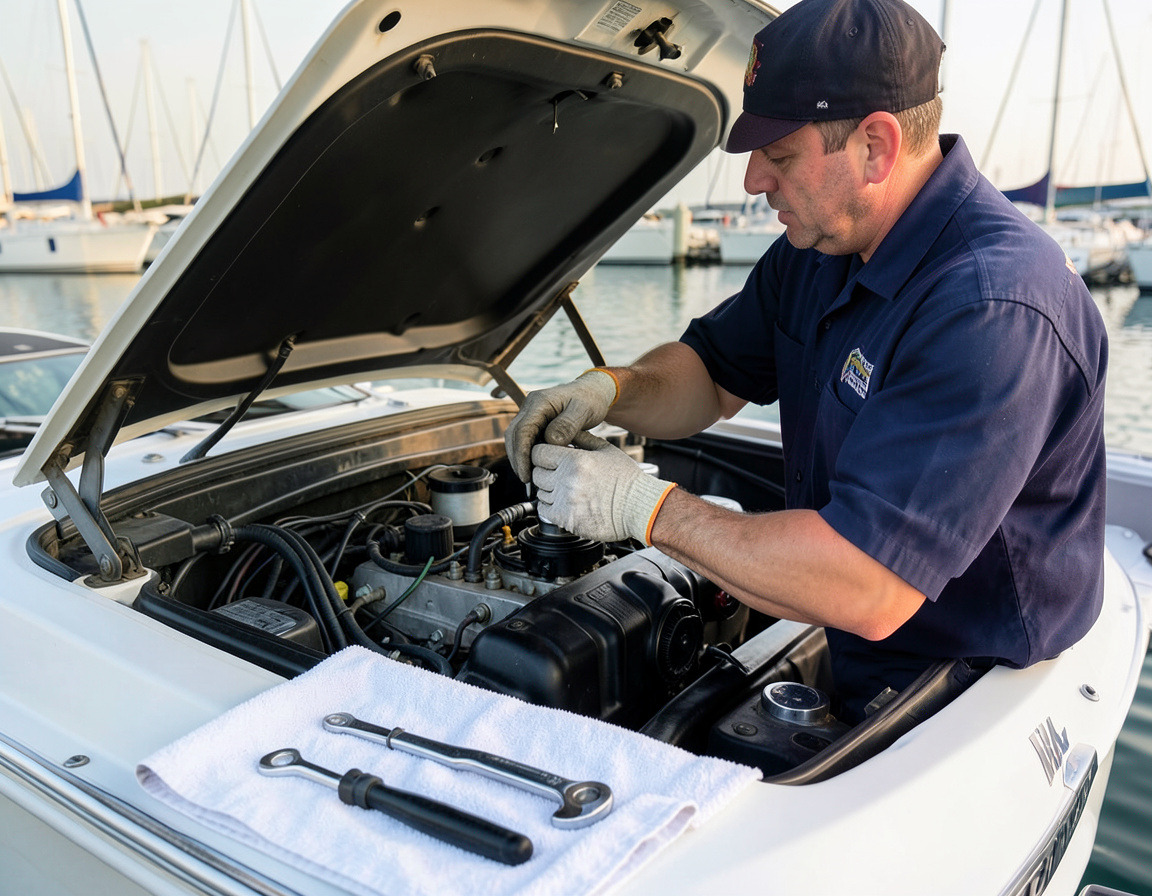
The core of any plan is scheduled engine service on the intervals the engine maker specifies: oil and filters, fuel filters and water separators, belts, raw water impellers and cooling system checks. Beyond that, a useful agreement typically includes:
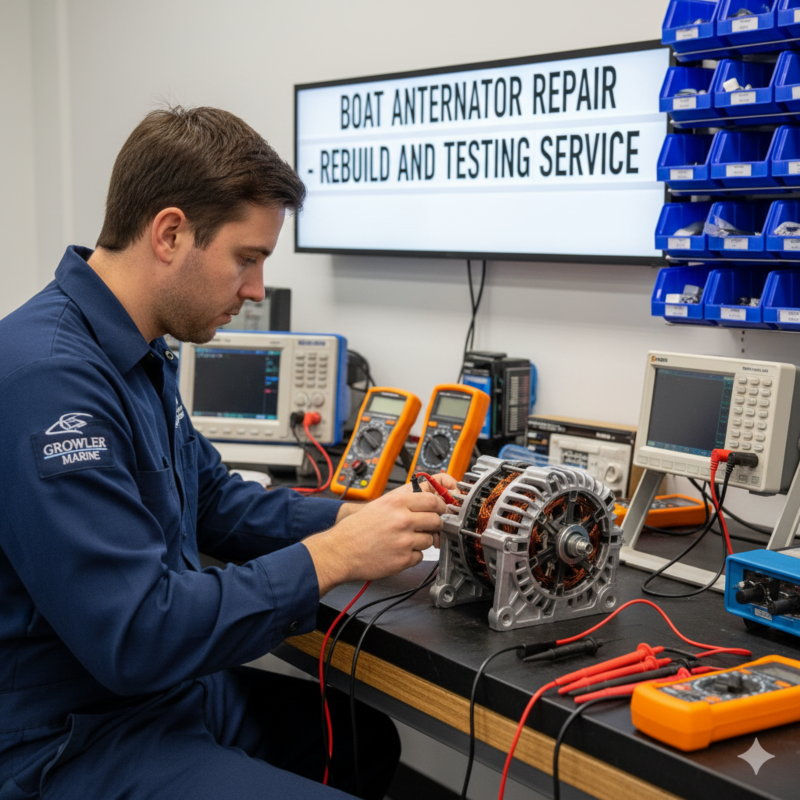
- Electrical checks: batteries, charging system, connections, bilge pumps and float switches, navigation lights.
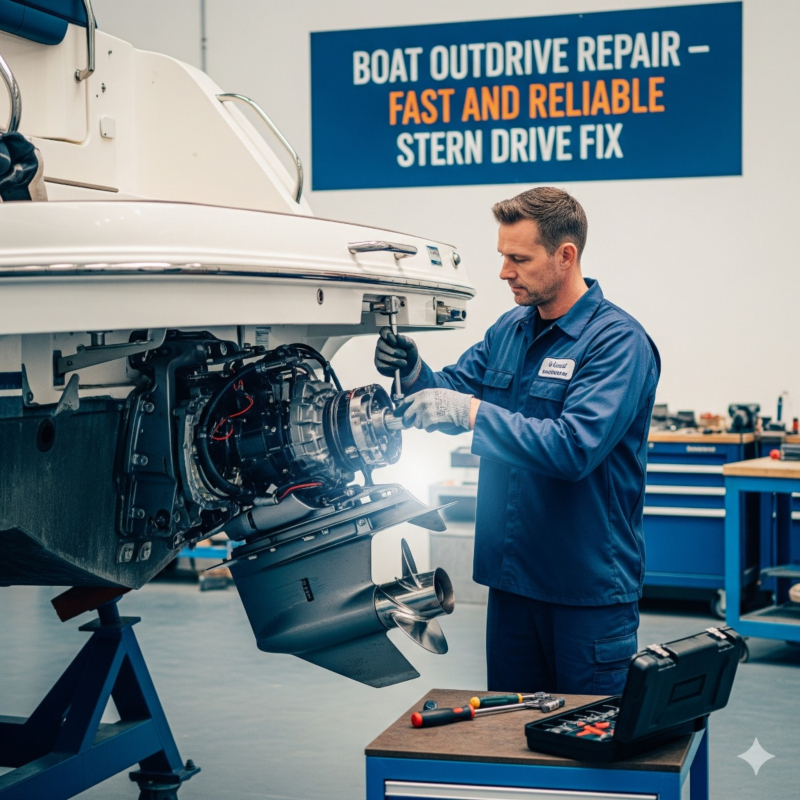
- Running gear: propellers, shafts or outdrives, steering, shift cables and zinc anodes.
- Hull and fittings: visual checks of the hull, through-hull fittings, hoses and clamps.
- Seasonal work: spring commissioning and end-of-season preparation.
- Records: a service log for each boat showing what was checked, what was replaced and what should be planned next.
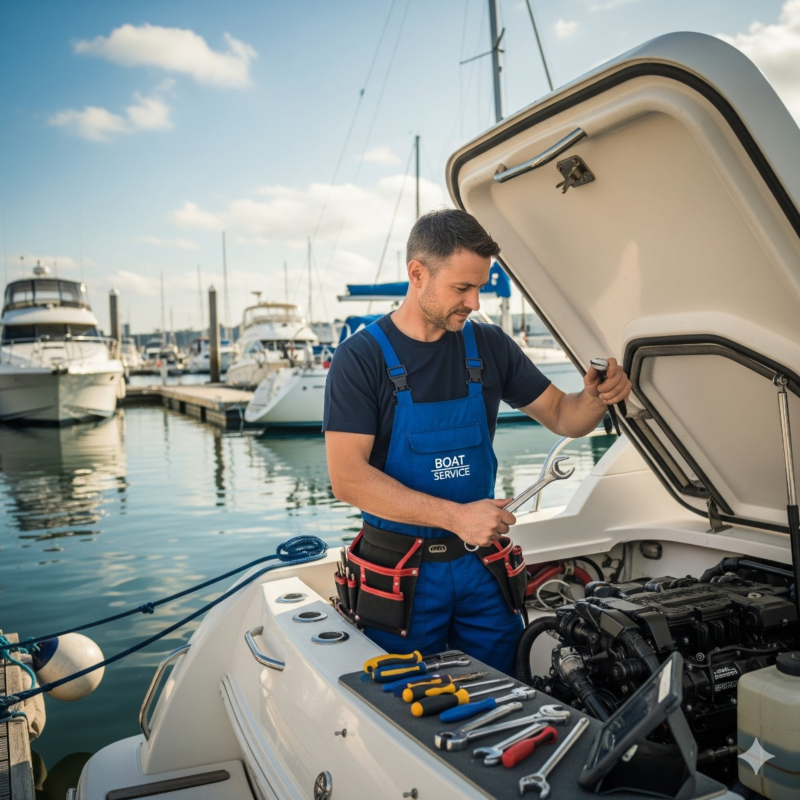
Regular boat inspections are what make an agreement valuable. They catch small issues, like a weeping hose clamp or a cracking bellows, while they are still small.
What Is Usually Not Included
Be clear about the boundaries. Most boat maintenance agreements cover scheduled labor and routine checks, while parts and larger repairs found during inspections are quoted separately. Haul-outs, bottom painting and major engine work are normally separate jobs. Knowing this up front avoids surprises.
How a Plan Is Set Up
- Boat and engine list: make, model, engine hours and recent service history.
- Initial inspection: a first check so the plan starts from the boat's real condition.
- Schedule and scope: which services, how often, and what is included or quoted separately.
- Terms: pricing, scheduling and how repair requests are handled, agreed in writing before work starts.
For a private owner, an annual boat maintenance plan might be a short list of visits timed around the months the boat is actually used. For a fleet, the schedule is usually staggered so boats remain available.
Is It Worth It?
The value of preventive boat maintenance is easier to see in what does not happen. Planned service is generally easier to schedule than emergency work in peak season, and one team that knows each boat's history spots changes faster. Organized records help with insurance, warranty claims and resale. For fleets, predictable costs and fewer days out of service are often the main benefit.
A plan may not be worth it for an owner who does most work themselves and keeps careful records, or for a boat that is used very little. Even then, a yearly inspection is worth considering.
It also helps to compare the plan against your own history. Look back over the last two seasons: how many trips were cut short or cancelled by a failure that routine service would have caught? If the answer is more than one, a schedule agreed in advance usually pays for itself in days on the water rather than days waiting for parts.
Questions to Ask Before Signing
- Which services and checks are included, and how often?
- How are extra repairs quoted and approved?
- Is routine work done at the slip through a mobile boat service, or does the boat need to move?
- What records will you receive after each visit?
- How are schedules handled in busy months?
For an example of how a boat service contract is structured for owners, fleets and marinas in Long Beach and San Pedro, see boat service contracts and maintenance agreements.
Maintenance Contract FAQ
Can I cancel or change the plan later?
That depends on the terms agreed. Make sure the agreement explains how changes and cancellations work before you sign.
Does a contract replace my own checks?
No. Owners should still check bilges, lines and gauges on each visit. The contract covers scheduled professional work.
Can several boats share one agreement?
Yes. Owners with more than one boat and fleet operators often combine them under a single schedule.