Every boat locker has a few things nobody wants to throw away: a box of expired flares, a stiff orange life jacket, a fire extinguisher with a faded gauge. They are safety gear, so tossing them in the trash feels wrong, and in some cases it is. This guide explains how to handle boat safety equipment disposal, what is worth keeping as a backup, what has to be replaced, and who takes what. It is general information, so check with your local waste program or ask us if you are unsure about a particular item.
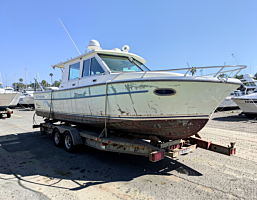
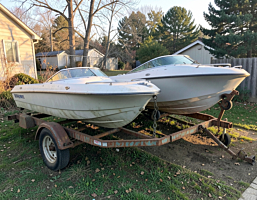
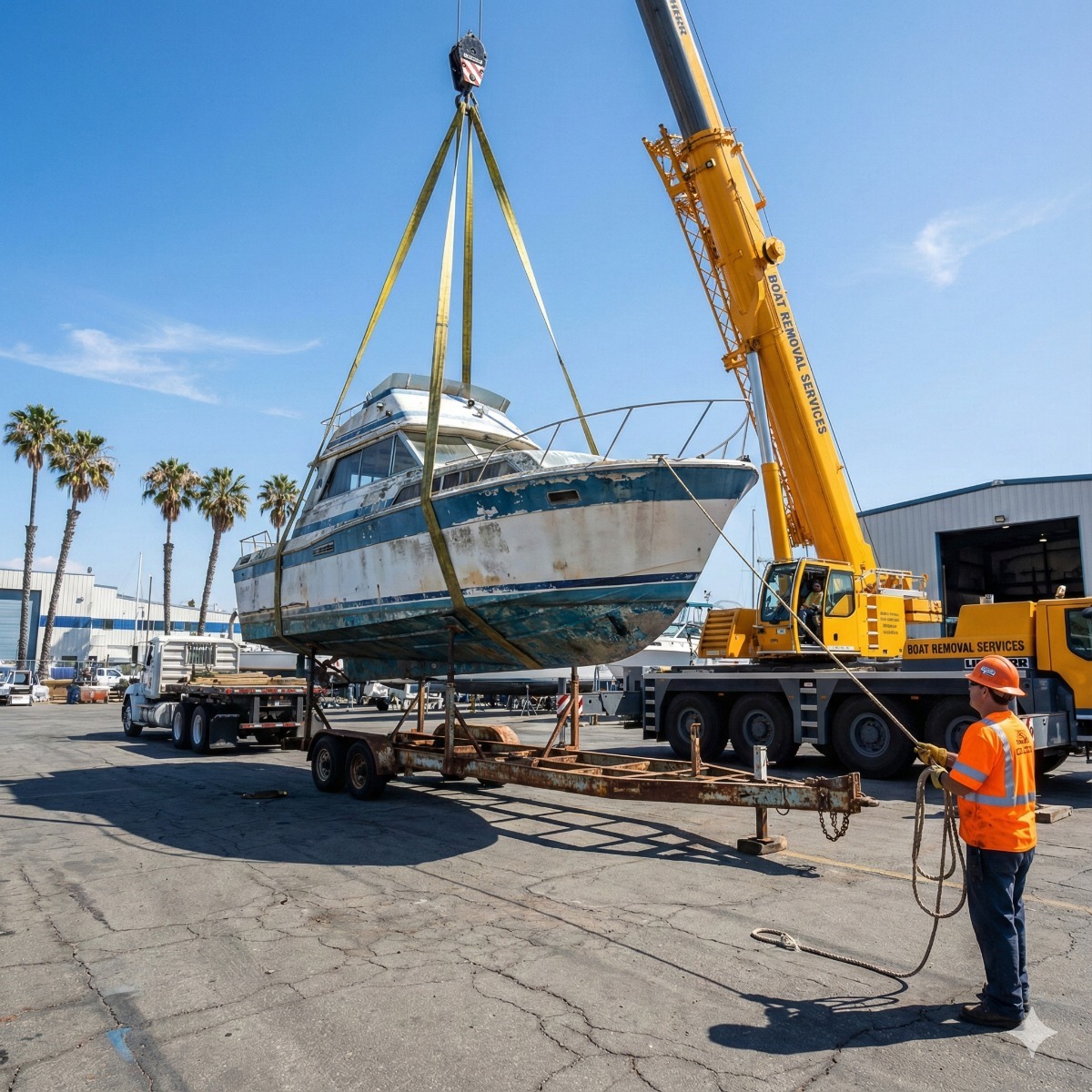
If you are clearing a whole boat, our guide to what happens to an old boat shows where the rest of it goes. Safety gear is the part that is best handled before anyone arrives with a truck.
Expired Flares: Do Not Burn Them, Do Not Bin Them
Pyrotechnic flares carry a printed expiration date, usually a little over three years from manufacture. Expired flares disposal is the question we hear most often, because they are a hazard that does not go away just because they are old. They can still ignite, and the chemicals inside are not for household trash, a storm drain or the water.
- Do not set them off to get rid of them. Burning a distress signal without a real emergency can trigger a rescue call, and in an emergency they may be the only thing in your hands.
- Do not throw them into the trash bin or the harbor.
- Do keep them dry and away from heat, and ask your local household hazardous waste program whether it accepts marine flares and when.
- Do ask your marina, harbor office or a boating group whether a collection day or take-back event is coming up. Some are organized by volunteer boating groups, others by local agencies.
Expired flares generally do not count toward the signals you are required to carry, but many boaters keep them as extras alongside a current set. If you do, store them separately, label them as expired and never rely on them as your only supply. Electronic distress lights and signal mirrors do not expire the same way and are a sensible addition.
Life Jacket Disposal: Replace, Donate or Cut Up
A life jacket does not carry an expiry date the way a flare does, but it wears out. Check for torn fabric, faded or brittle foam, rusted buckles, broken zippers and any waterlogged feel. A vest that fails the check should be retired.
For life jacket disposal, a good option is usually one of these:
- Still in good shape but not needed. Offer it to a boating club, a youth sailing program or a sea scout group. Make sure the size and type are clearly labeled.
- Worn out. Cut the straps and remove the label, so nobody pulls it out of the trash and trusts it. Then place it in the regular bin; the foam is not recycled in most places.
- Inflatable. Inflatable vests have a CO2 cylinder, a bobbin or cartridge and a bladder. They need servicing on a schedule set by the maker. Retire it if it fails a leak check or an inspection, and follow the manufacturer's directions for the used cylinder.
Children's and pet vests wear out faster than adult ones because of growth and heavy use, so check them every season.
Boat Fire Extinguisher Disposal
A fire extinguisher on a boat sees salt, humidity and vibration, so the gauge, the pin and the hose need a look each season. A pressure gauge in the red, a dented cylinder, corrosion at the valve or a missing pin means it is due for service or replacement.
- Rechargeable models can be refilled and tested by a fire equipment company. Many shops will also take an old unit and dispose of it.
- Disposable models cannot be refilled. Ask your local fire department, hazardous waste program or fire equipment dealer where to take them.
- Never puncture or empty a cylinder at home, and never throw a pressurized unit in the trash.
Boat fire extinguisher disposal is simple if you plan for it, and a good habit is to buy the new unit before you remove the old one, so the boat is never left unprotected.
Liferaft Disposal and Servicing
Liferaft disposal is less common but more complicated. A raft is a packed unit with an inflation system, rations, flares and other contents. It is serviced by an authorized station at intervals set by the maker, and a raft that has gone past due may need a full inspection before anyone can trust it.
If you are retiring one, call the maker or a service station first. They may inspect it, sell it for reuse or break it down, and they will know how to handle the gas cylinder and the pyrotechnics. Do not cut a sealed raft open yourself.
EPIRBs, Radios and Other Electronics
An EPIRB or personal locator beacon is registered to you and to a boat. Before you give one away or discard it, update or cancel the registration so a rescue agency is not chasing an old record. Beacon batteries are lithium and go to a battery recycler, not the household trash.
Handheld VHF radios, chartplotters and similar items fall under electronics recycling. Remove the battery if you can, and take the rest to an e-waste drop-off.
What to Keep Aboard
Disposal is not always the right answer. Keep, or replace with current ones:
- A correctly sized, working life jacket for every person aboard.
- A throwable flotation device.
- A fire extinguisher of the right class with a gauge in the green.
- In-date visual distress signals, or electronic ones.
- A horn or whistle, and a working light set for night.
Requirements vary with boat size and where you boat, so check the current list from the Coast Guard and the state boating agency rather than relying on a blog post.
Safety Gear When a Whole Boat Is Being Scrapped
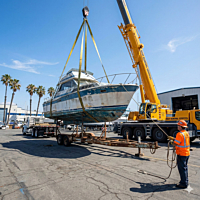
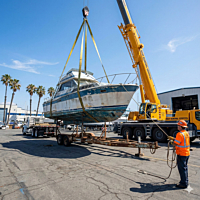
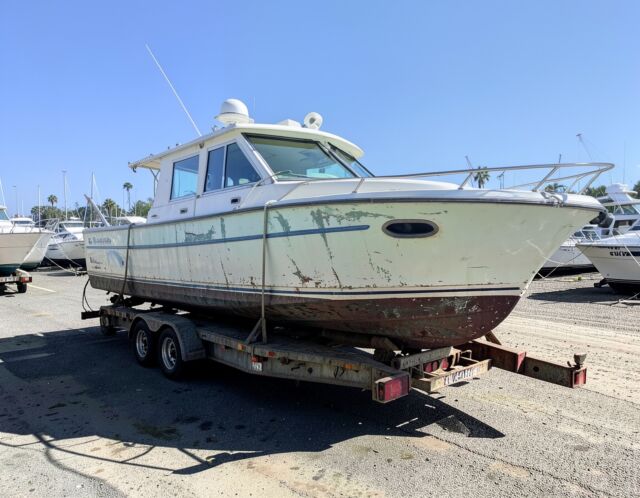
Before a boat goes for disposal, we ask owners to take off the items worth reselling or donating, and to tell us about anything hazardous still aboard, such as flares, propane or lithium batteries. Our crew can remove and route those items to the proper collectors. That is part of how our boat removal and disposal service works for boats in Long Beach, San Pedro and the surrounding harbors.
Safety Gear Disposal FAQ
How do I get rid of expired flares?
Do not burn or bin them. Call your local household hazardous waste program or harbor office to see whether they accept them or hold a collection event, and store them somewhere cool and dry until then.
Can I donate old life jackets?
Yes, if they are in good condition and the size and type labels are readable. Worn or damaged ones should be cut up and discarded.
Where can I take an old fire extinguisher?
A fire equipment dealer, the local fire department or a hazardous waste program usually can advise you. Rechargeable units can be refilled and tested instead.
Can you remove safety gear when you haul a boat away?
Yes. Tell us what is aboard when you ask for an estimate, and we will plan the removal and disposal of the hazardous items. Just ask us.