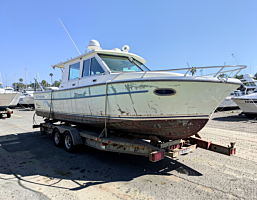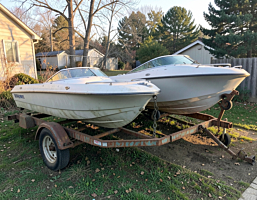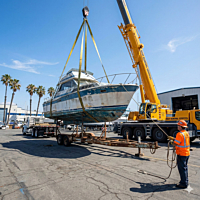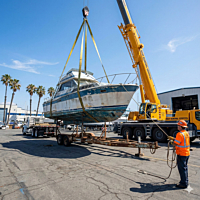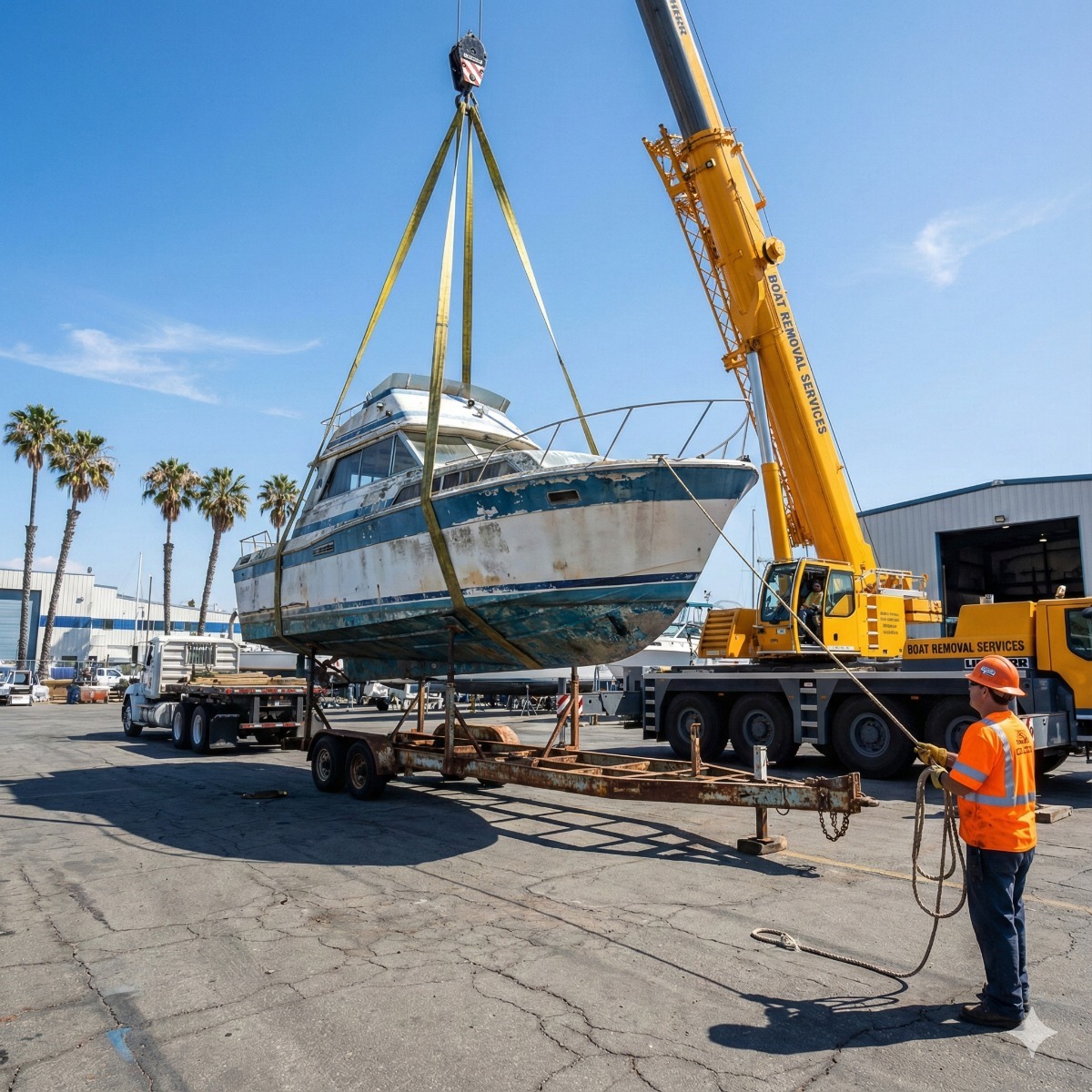
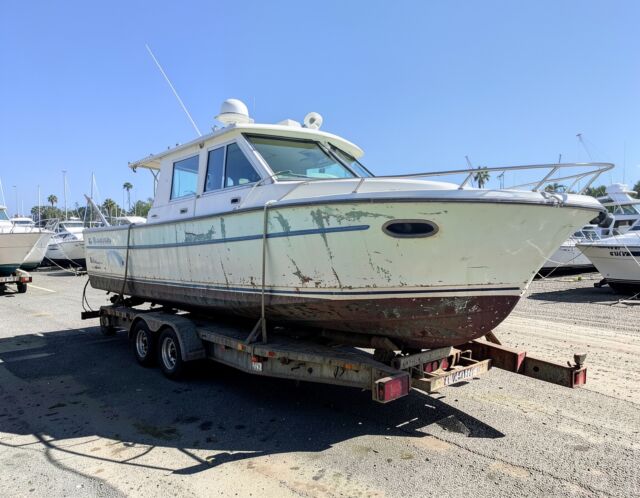
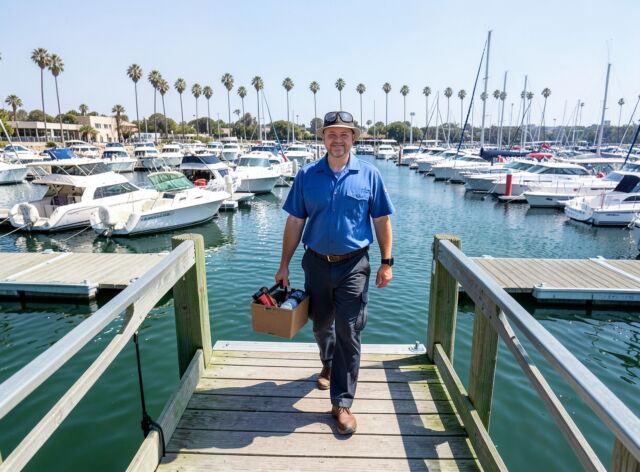
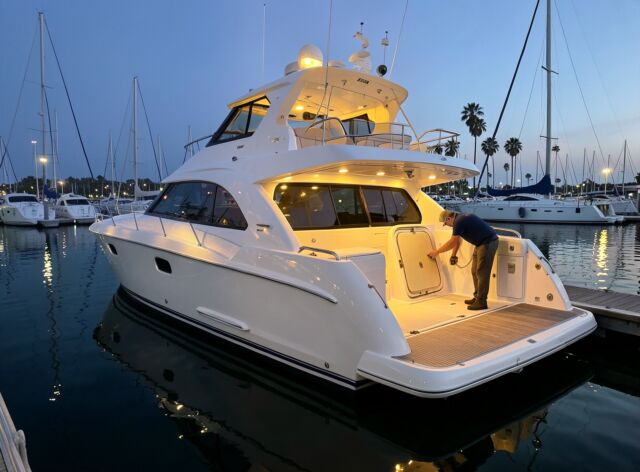
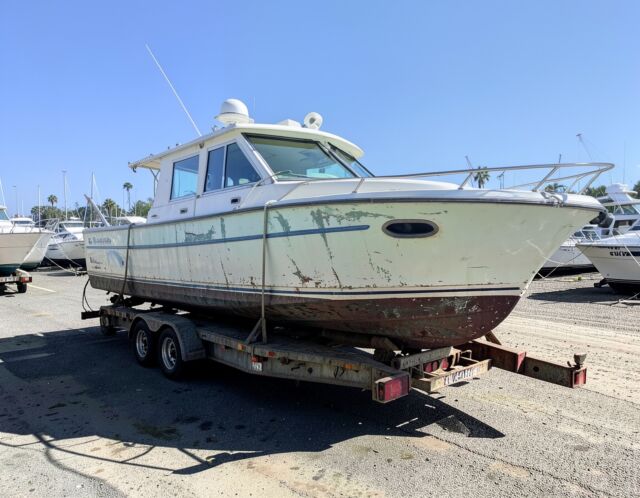
Almost every owner of an aging boat reaches the same fork: is it worth selling, should it be donated, or is it time to scrap it? The right answer depends on the boat's condition, what it would cost to make it sellable, how much time you have and what the paperwork looks like. This guide helps you decide whether to sell, donate or scrap an old boat, covers the California paperwork in general terms, and explains what to do about the trailer.
If you already know it is leaving, our guides on options and paperwork for getting rid of an old boat and what happens to an old boat go further. This one is about choosing.
Start With an Honest Look at the Boat
Three questions sort most boats quickly:
- Does it float, start and steer? A boat that runs has options. One that does not has fewer, and each repair cost needs to be weighed against its value.
- Is the structure sound? Soft decks, a rotten transom and wet stringers are the expensive problems. Cosmetic wear and old upholstery are not.
- Is there a market for this type? Popular outboard runabouts and small fishing boats find buyers. Large, older cruisers with tired engines can sit for a long time.
Be careful with your own numbers. It is easy to value a boat by what you paid or spent on it. A buyer will value it by the work it still needs.
When Selling Makes Sense
You can sell an old boat when it runs, is structurally sound and can be shown clearly. If you plan to sell an old boat as is, that can work well if you:
- Describe the condition honestly, including known problems.
- Take clear photos of the hull, deck, engine, trailer and the hull identification number.
- Have the title or registration paperwork ready.
- Set a realistic asking price based on similar boats, not on what you hoped for.
- Are prepared to wait and answer questions.
If a listing has produced no serious interest after a reasonable time, that is information. Boats that attract only lowball offers are often telling you the market value is below the cost of keeping them.
When Donating Is Worth Considering
To donate a boat can be a sensible way to pass it on when it still has use. Some charities and programs accept boats, sell them or use them, and handle the transfer. Ask any organization how it handles condition, whether it accepts boats that do not run, who pays for hauling, and what paperwork it needs from you.
Be cautious in two ways. First, some programs resell donated boats cheaply or scrap them, so ask what actually happens. Second, we cannot give tax advice or promise any deduction; if you are thinking about the tax side, speak to a tax professional before you decide. A donation that costs you time and money to deliver is not always better than a straightforward scrapping.
When Scrapping Is the Honest Answer
When a boat cannot be repaired within reason, no longer floats safely or has no buyer, the practical choice is to scrap an old boat properly. That avoids the worst outcome, which is leaving it to sink or rot in a slip or a yard. Our article Please Don't Sink or Abandon Your Boat explains why the harbor and the owner both pay for that.
Before scrapping, take off what has value: the engine, electronics, hardware, propeller and trailer may all be worth more to a buyer than to a recycler. A scrapped boat's price is partly set by what is left once these are gone, so removing them can raise the quote or change your net result. Our guide to boat engine disposal helps with that decision.
California Paperwork in General Terms
Rules differ by boat type, size and how it is registered, so treat this as a general outline and confirm the details with the state agencies.
- Title and registration. Paperwork depends on the boat: the boat title California owners hold and the boat registration California requires differ for a small registered boat and a larger documented vessel. Know which applies to yours, because the transfer steps differ.
- Selling or giving it away. The seller signs over the title or registration paperwork, gives the buyer a bill of sale, and reports the sale or transfer to the state, as required. Keep copies of everything you sign.
- Scrapping. Tell the state the boat has been destroyed or dismantled so the record is closed. Photos of the hull number and a receipt from the disposal company help.
- Liens and fees. If there is a loan, a lien or unpaid fees, they should be cleared or addressed before a sale or disposal.
- Missing paperwork. If the title is lost, the state has a process to replace it. Start early, because it can take time.
We are not a legal or tax adviser, so please check the current forms and any fees with the agencies directly. Photos of the hull number, any documents you have and a short description are usually enough for us to tell you what is realistic.
What to Do With the Trailer
Boat trailer disposal is its own decision. A trailer is usually registered separately from the boat, and it often outlives the boat by years.
- Good condition: sell it with the boat or on its own. Working lights, sound tires, good bearings and a clean frame all help.
- Needs work: sell it as a project, or for parts such as axles, fenders and winches.
- Beyond saving: a rusted or bent trailer is scrap steel and goes to a metal recycler. Remove the tires, which go to a separate tire recycler.
Keep the trailer paperwork with the boat's. If you are scrapping both, tell the state about each of them.
A Quick Way to Decide
If you want to sell old boat parts first and scrap the rest, that is a common middle path.
- If it runs and is sound, try selling it for a defined period.
- If it is usable but you do not want it, ask a charity how it handles the donation and the hauling.
- If it is rotten, sunk or unsellable, move to disposal before it gets worse.
- In every case, take off the parts that have value, and gather the paperwork first.
Help in Long Beach and San Pedro
If scrapping is where you land, our boat removal and disposal service handles boat removal Long Beach owners ask for, and covers San Pedro and nearby harbor communities, including trailers. Send photos of the boat, the trailer and the access, and ask us whether selling or scrapping is likely to work out better.
Sell, Donate or Scrap FAQ
Can I sell a boat that does not run?
Yes, as a project or for parts, but expect a lower price and be clear about the condition in writing.
Do I need the title to scrap a boat?
Usually you need to show ownership. If the paperwork is missing, start the replacement process early and tell us what you have.
Is donating better than scrapping?
Only if the receiving organization will really use or sell the boat and handle the transfer. Ask how it works, and speak to a tax professional about any tax question.
What about the trailer?
Sell it if it is sound, or scrap it as steel if it is not. It is registered separately, so handle its paperwork too.