

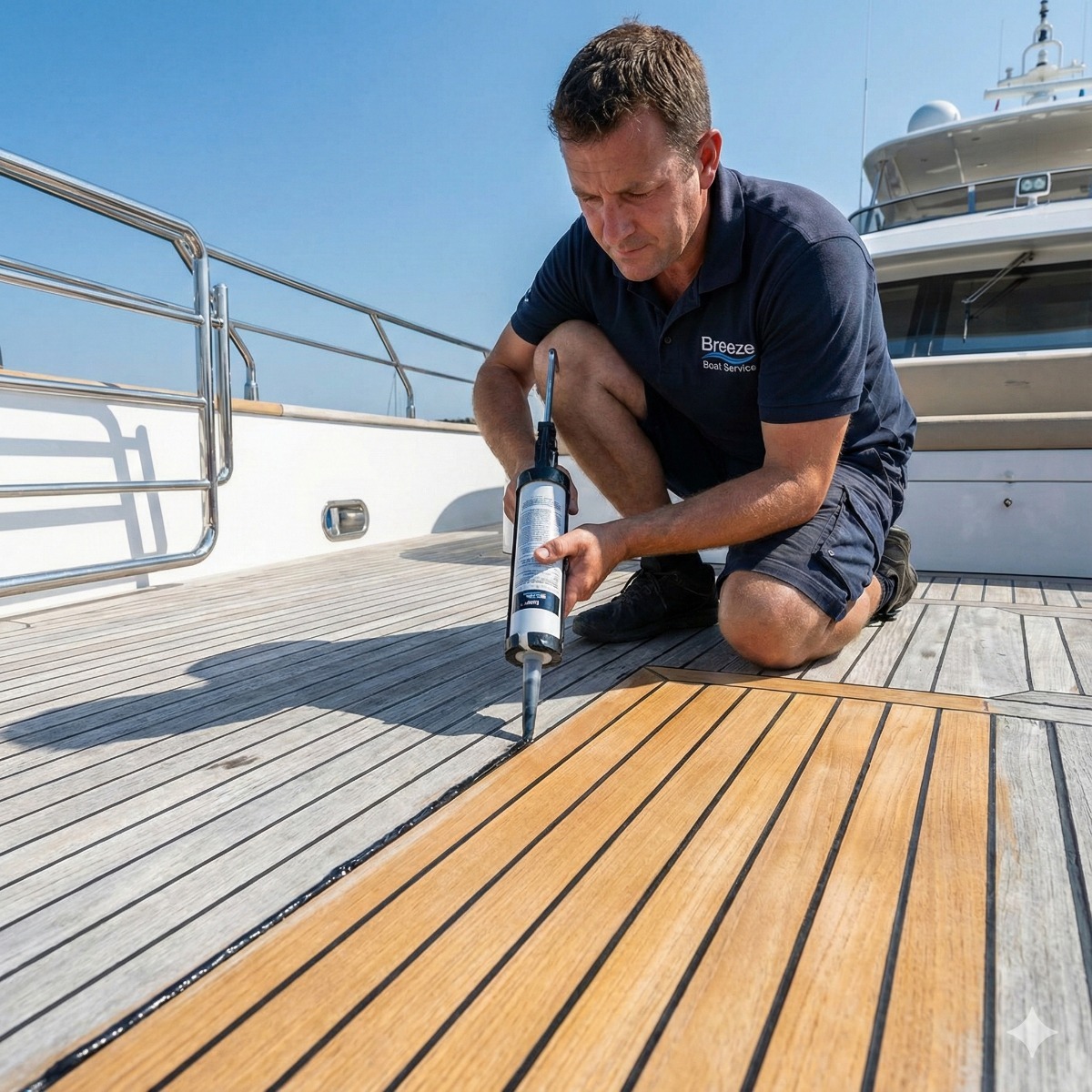
Teak Deck Sanding, Caulking & Restoration
Labor estimate Quoted after inspection
Book sends us a ticket; nothing is charged online. Before any work you get a written estimate for labor, parts and the trip fee, and nothing is done without your OK.
Trip fee By distance, one way: $30 in San Pedro, $50 in Long Beach
- San Pedro$30
- Wilmington, Terminal Island$40
- Long Beach: Shoreline, Rainbow Harbor$50
- Long Beach Marina, Alamitos Bay$60
- Redondo Beach$60
- Seal Beach, Huntington Harbour$75
- Marina del Rey$85
- Newport Beach$110
Farther away: $25 plus $2.50 a mile, one way from our San Pedro shop. No trip fee when the boat comes to our shop, or for plan members. The work of a visit is at least $150; the trip fee is on top.
- Registered in California
- Breeze Marine Boat Service LLC, San Pedro
- Where we work
- At your slip from Marina del Rey to Newport Beach, or in our San Pedro shop
- Questions first
- (213) 693-0224 or submit a ticket
About this service
Teak Deck
Rejuvenation.
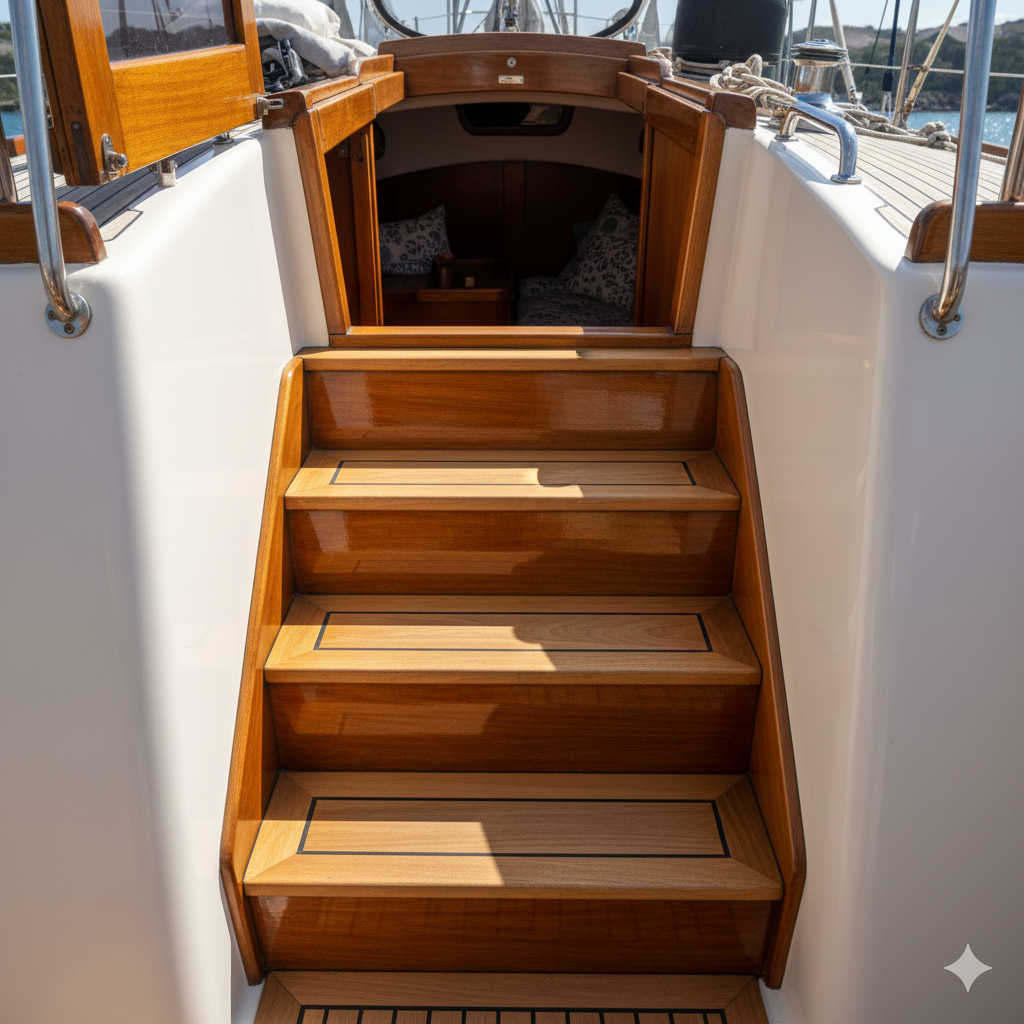
A yacht teak deck defines luxury, but sun and use lead to silvering and split seams. Our teak deck restoration and teak deck repair work brings back the golden color and waterproof integrity of your deck with expert techniques.
Low-Dust Sanding
We use vacuum-attached sanders to remove only the oxidized top layer (silvering) of the wood, while the extractor captures most of the fine teak dust before it reaches the air or the marina.
Seam Routing
Failed seams are the primary reason for a leaking teak deck, so teak deck seam repair comes first. We meticulously rout out all old, cracked, and adhesive-failed caulking using dedicated seam routers, ensuring a clean substrate.
Re-caulking
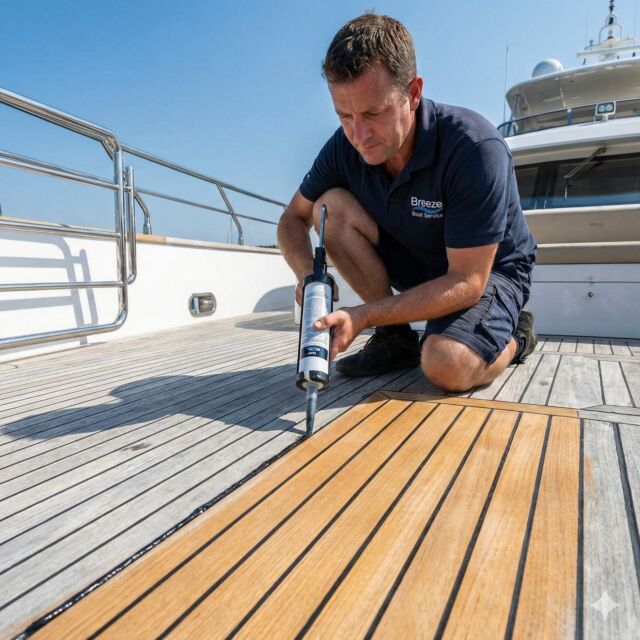
We apply UV-stable, flexible marine-grade polysulfide or polyurethane sealants (Sika, TDS) over bond-breaker tape in the bottom of each seam to prevent three-sided adhesion, so the caulk can flex with the wood.
Precision Restoration.
From grey and tired to golden and waterproof.
Prep & Rout
We secure the perimeter, mask off borders, and remove all failed caulk from the seams using a specialty router.
Prime & Caulk
We lay bond-breaker tape in the bottom of the seams, prime the seam sides and apply the new flexible marine sealant, filling the seam completely.
Cure & Sand
After a full cure, we sand with dust extraction to level the new caulk flush with the wood, exposing the fresh teak color.
Finish
The deck is cleaned and rinsed, leaving a smooth, waterproof surface that protects the underlayment from water intrusion.
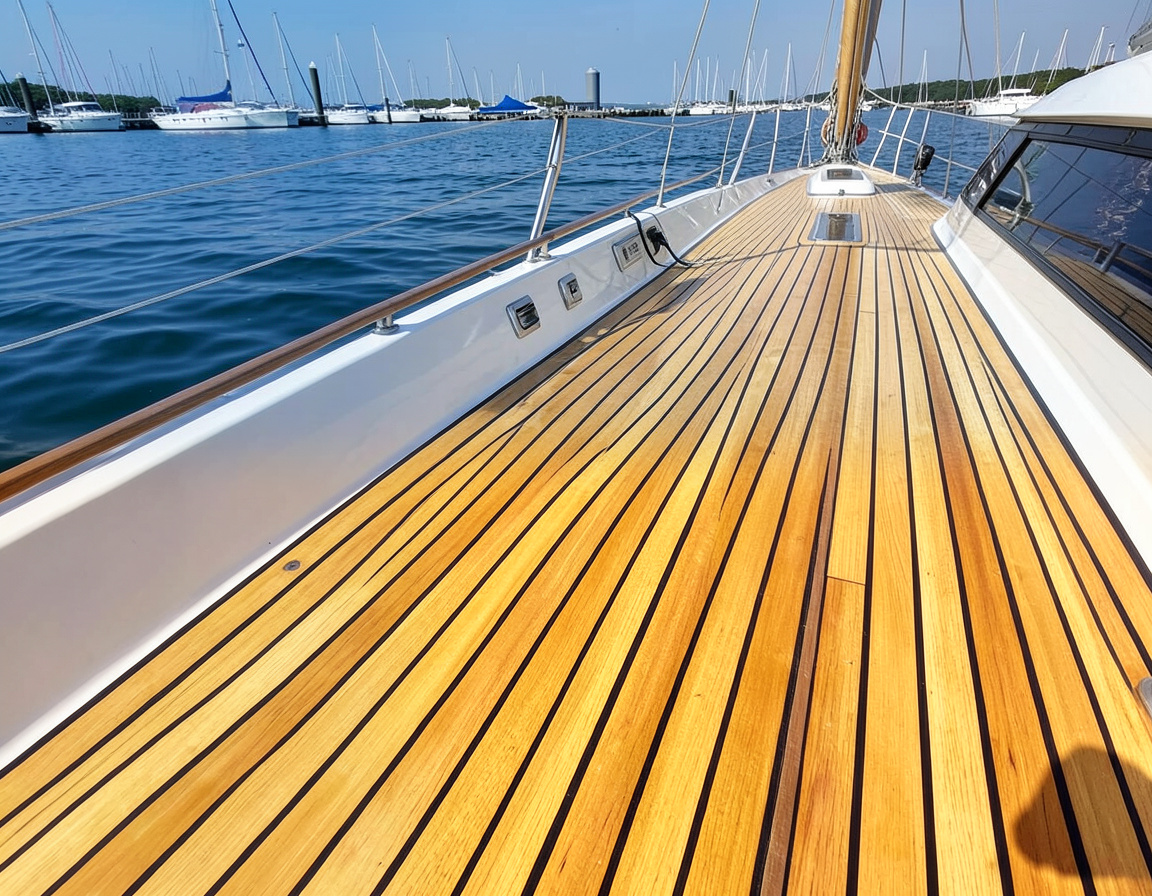
The Finished Look.
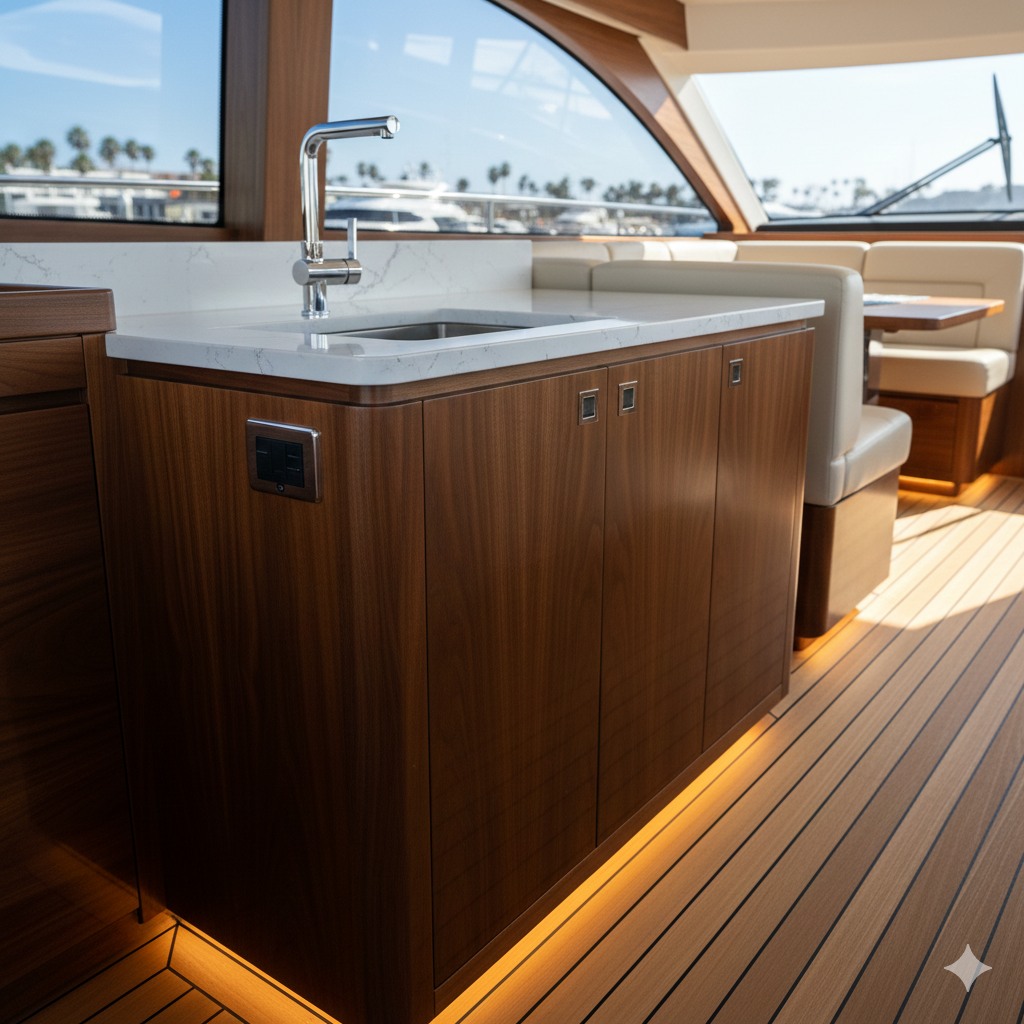
A dramatic change in looks.
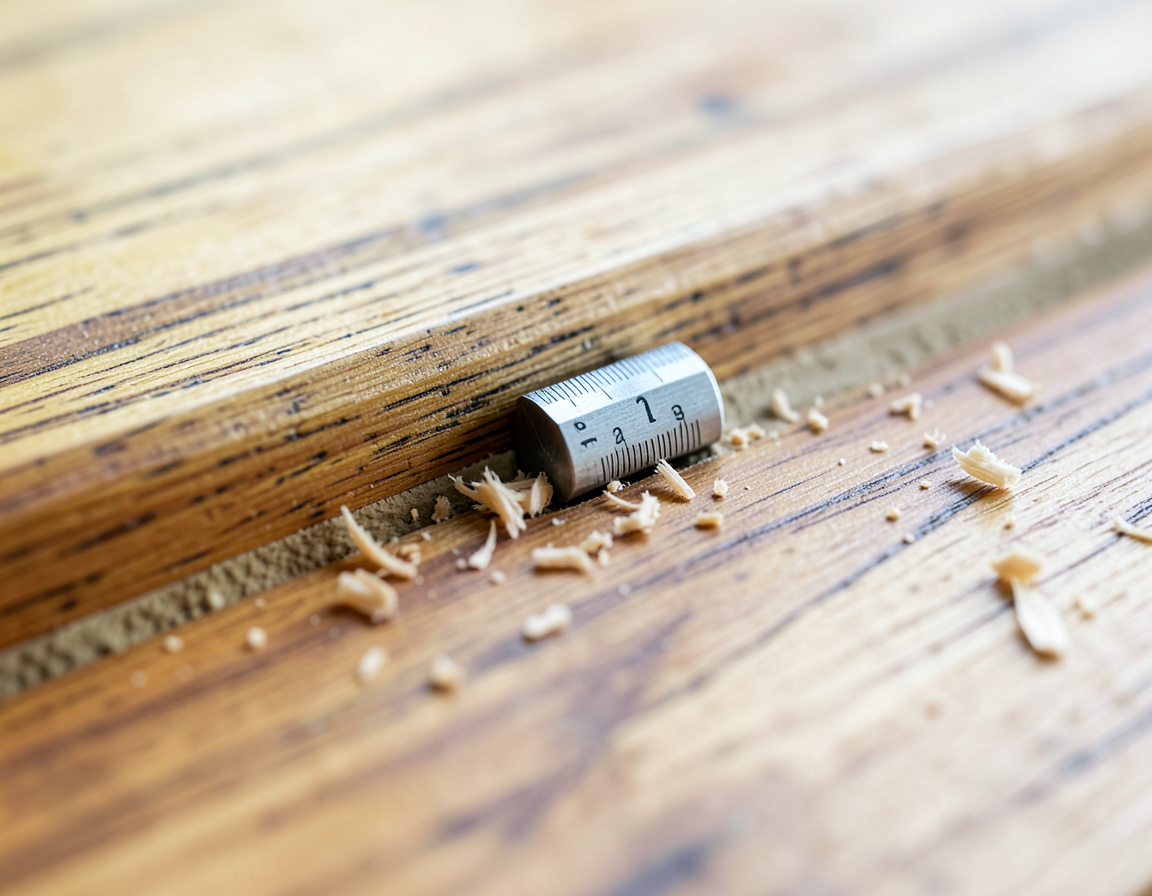
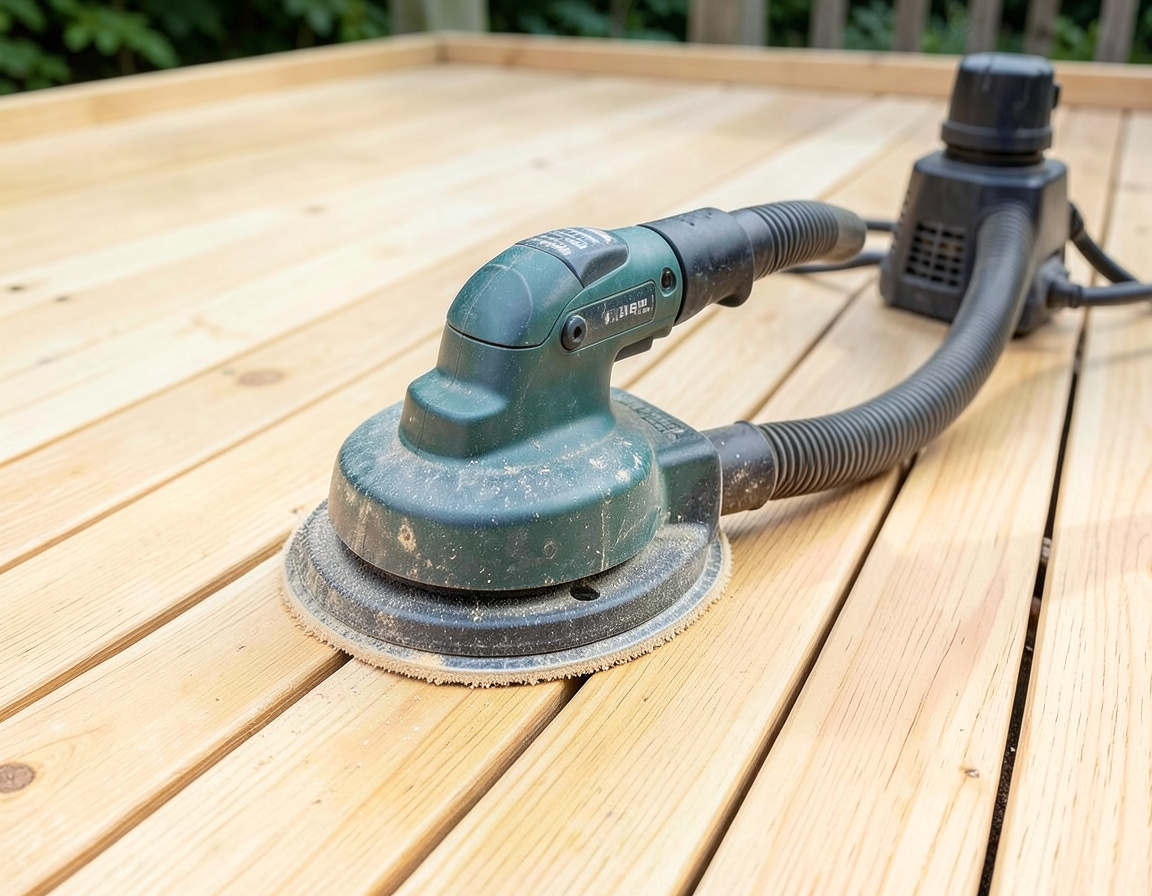
Materials We Use.
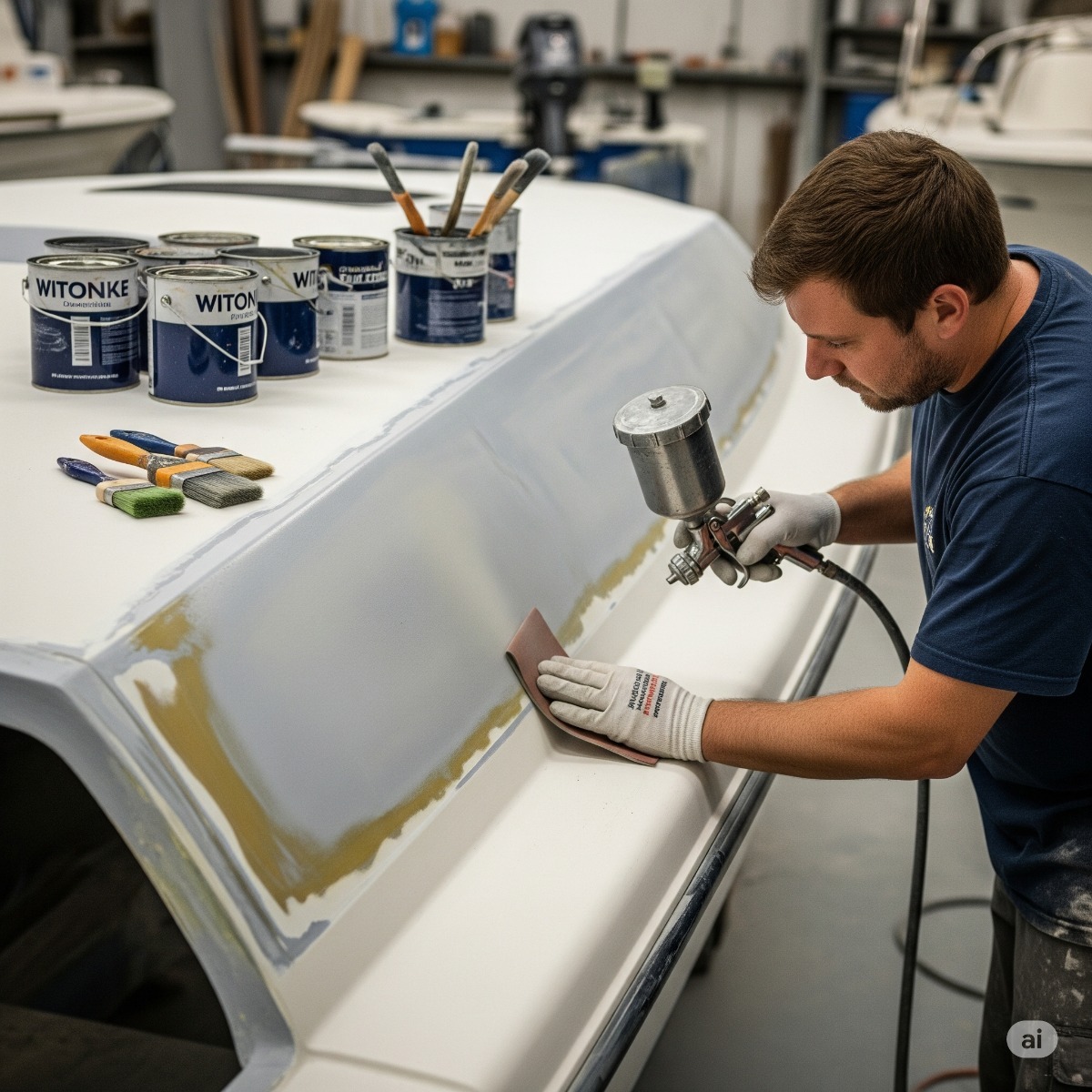
Marine sealants and tools made for teak.
Common Questions
How often should I sand my teak?
Teak deck sanding should only be done every 5-10 years, as sanding removes precious thickness. Between major restorations, teak deck maintenance should be limited to gentle teak deck cleaning (scrubbing across the grain).
Black or White Caulk?
Black caulk (the traditional look) absorbs heat and UV, which can cure it faster and occasionally lead to slight lifting. White is cooler but contrasts more heavily. For teak deck caulking, we recommend the classic black for yacht aesthetics.
Reviews 5
Questions 7





Related Posts
-


 Gentle cleaning, early seam checks and rationed sanding keep a teak deck sound. Learn how seams fail, what re-caulking involves and when a full restoration pays off.