
Deciding to get rid of an old boat is one step; physically moving it is another. Whether the boat has sat in a driveway for years, is wedged into a side yard, or is taking up a slip you pay for every month, the logistics decide how smoothly the job goes. If you have been searching boat removal torrance california or for a nearby harbor town, this guide explains what actually happens between "it has to go" and an empty space. Our separate guide on disposal options and paperwork covers titles and registration; this one focuses on hauling, fluids and hazards.
Step One: Can the Boat Roll on Its Own Trailer?
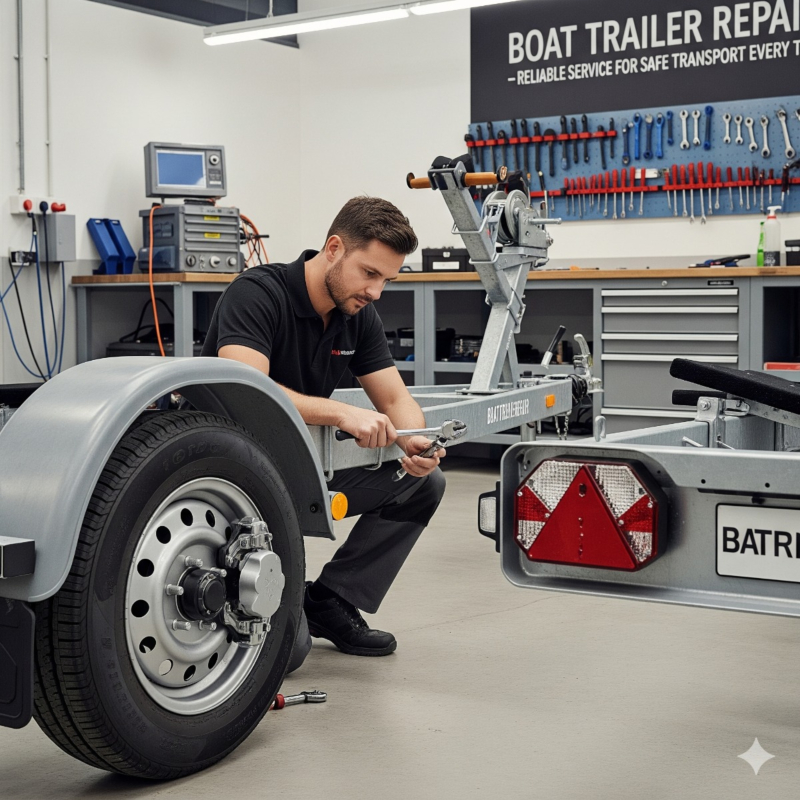
The simplest removal is a boat that still sits on a usable trailer. After years parked, though, trailers rarely are road-ready. Expect to check:
- Tires that are flat, dry-rotted or split along the sidewall.
- Wheel bearings that have rusted solid and will overheat within a few miles.
- The coupler and jack, which are often seized open or rusted in place.
- Bunks or rollers that have rotted or collapsed, letting the boat shift off center.
- Lights, which almost never work after long storage.
Sometimes the trailer only needs to roll far enough to reach the street, where the whole rig can be winched onto a flatbed. Tires can be inflated or swapped just for that short move, which avoids repairing a trailer that is being scrapped anyway.
Flatbeds, Lifting and Tight Access
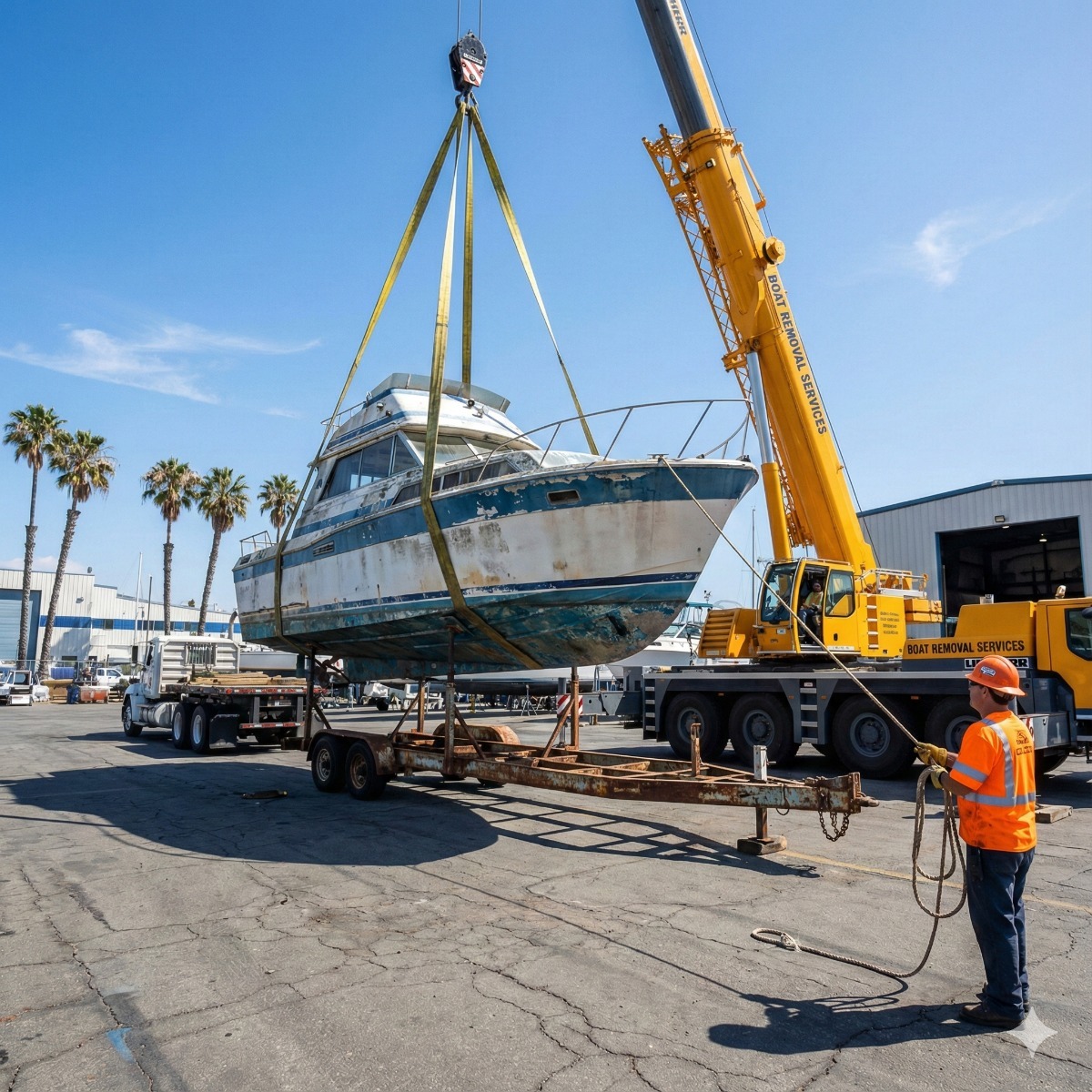
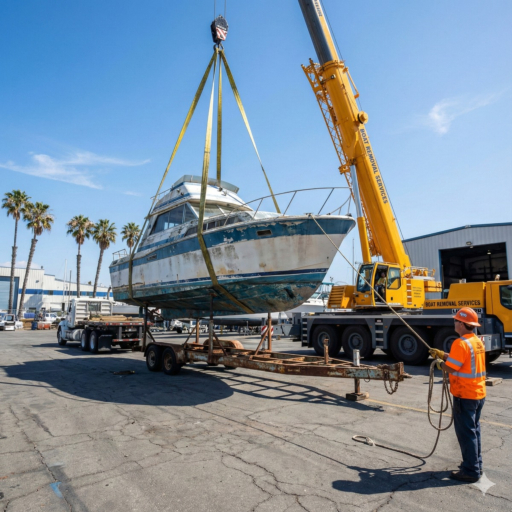
When the trailer cannot be trusted, the boat usually goes onto a flatbed or rollback truck, either on its trailer or blocked and strapped directly on the deck. Access is often the real constraint: narrow side gates, low eaves, overhead lines, trees, slopes and soft lawns all affect whether a truck can get close. In a tight yard the boat may need to be dragged out on skates or lifted over a fence by a crane.
A boat in a slip starts its removal on the water. It is towed or motored to a hoist or ramp, lifted by a travel lift or crane, then placed on a trailer or blocked for transport. A boat that is half-sunk or waterlogged needs to be pumped out and stabilized first. Before anyone quotes the job, it helps to share:
- Length, beam and approximate height on the trailer.
- Photos of the boat, the trailer and the access path from the street.
- Whether the boat still floats and whether the engine is aboard.
Draining Fuel, Oil and Other Fluids
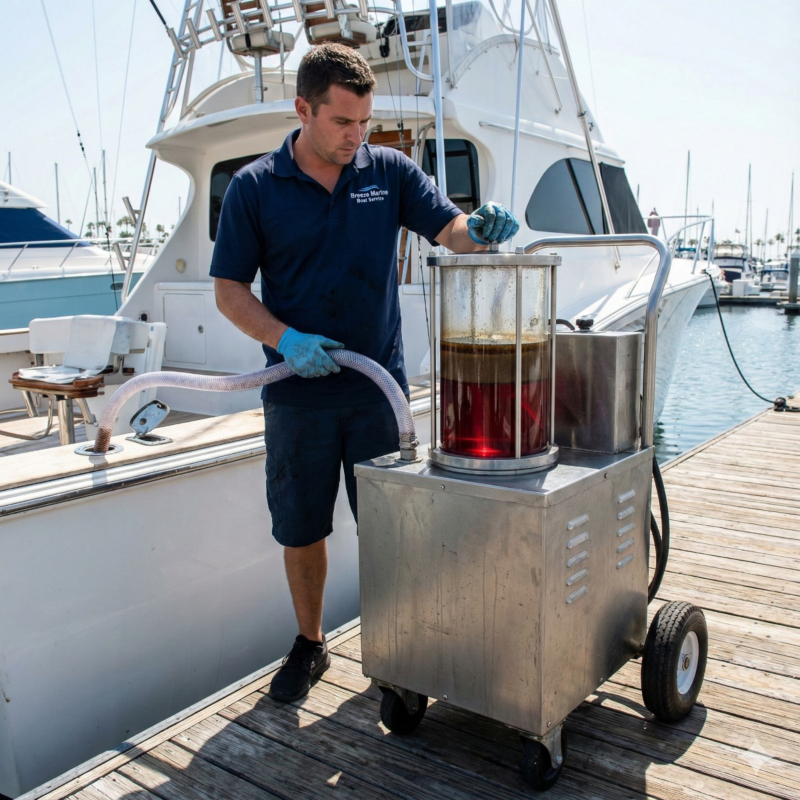
Old gasoline turns to varnish and stale fuel, and diesel tanks may hold water and sludge. Before transport or dismantling, fluids are removed and collected rather than left to leak: fuel from the tanks, engine oil and gear lube, coolant, hydraulic steering and trim fluid, and the contents of the holding tank, which needs a proper pump-out. All of these are handled as hazardous waste and taken to facilities that accept them, never poured out or left in the hull.
Batteries and Hazardous Items
Many old boats still carry items that cannot go to a landfill with the hull:
- Lead-acid or lithium batteries, which go to a battery recycler.
- Expired flares, which your local fire department or household hazardous waste program can advise on.
- Propane cylinders and fire extinguishers.
- Paint, solvents, bottom paint and cleaning chemicals stored aboard.
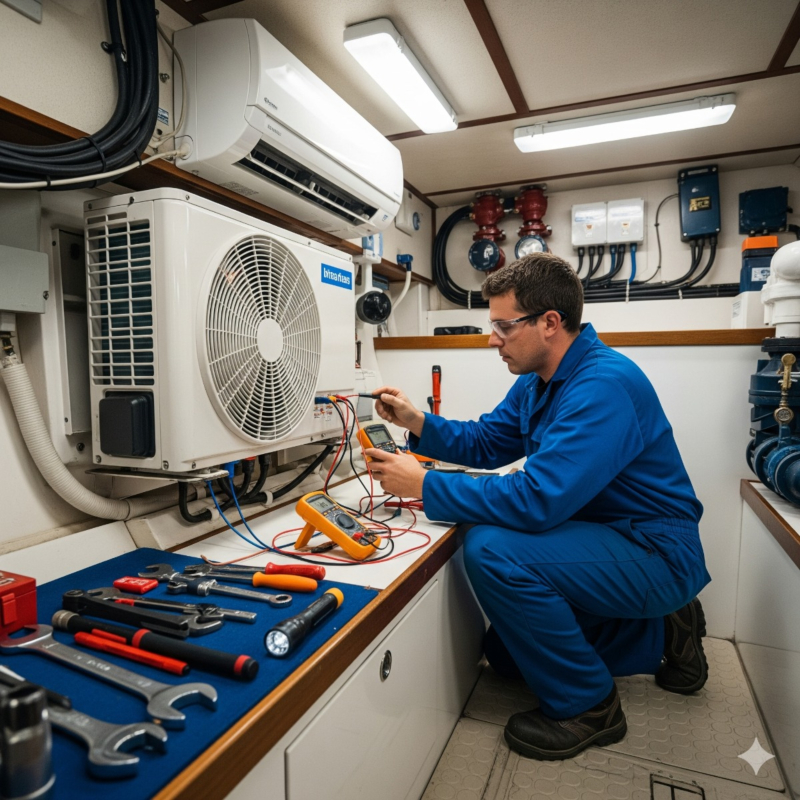
- Refrigerant in air conditioning or refrigeration units, which must be recovered properly.
Also clear out personal belongings, paperwork and anything with the registration or hull identification number on it that you need for the release of liability.
What Happens at Dismantling
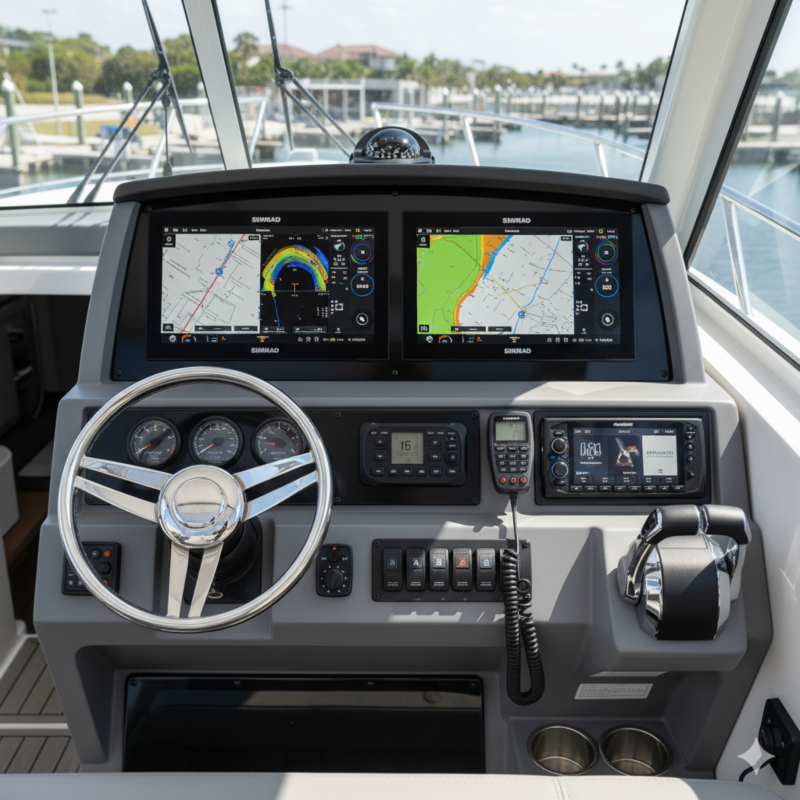
People often type boat junkyard near me expecting a yard that buys old boats the way a car salvage yard buys cars. In practice, fiberglass boats have little scrap value. At dismantling, anything reusable is removed first: engines and outboards, electronics, stainless hardware, winches, and sometimes the trailer. Metals are separated for recycling. The fiberglass hull is then cut into manageable pieces and disposed of according to local rules. Aluminum boats are the exception, since the hull itself is recyclable metal.
Where Owners Search From
We hear from owners who found us after typing boat removal service near me or boat disposal near me. If you reached this page searching boat removal torrance california, Torrance sits within the harbor side of LA County that we serve from San Pedro, along with Long Beach and San Pedro itself.
Owners farther away also search for boat removal palmdale ca or boat removal santa clarita california, and on the coast for boat removal laguna beach california. The logistics above apply wherever a boat sits, but for inland valleys and Orange County towns you will want a hauler local to that area who knows its access and disposal rules. Our boat removal and disposal service is focused on Long Beach, San Pedro and nearby LA County communities.
Boat Removal FAQ
Does the boat need a title before it is removed?
Proof of ownership makes removal and disposal far simpler, and it lets you file a release of liability once the boat is gone. If the paperwork is missing, sort that out first; our separate guide on options and paperwork covers it.
Can a boat be removed if its trailer is unusable?
Yes. The boat can be lifted or winched onto a flatbed and blocked for transport, or the trailer can be made rollable just long enough to reach the truck.
Is any part of an old boat worth something?
Running engines, outboards, electronics and good stainless hardware often have resale or recycling value. The fiberglass hull itself usually does not.