
Winterization & Spring Commissioning Services
Sleep Well.
Start Strong.
Boats hate sitting still. Internal corrosion, fuel degradation, and dry rot occur when you aren't looking. We handle the boat lay-up before storage and wake your vessel up safely when the season returns.
Winter Prep
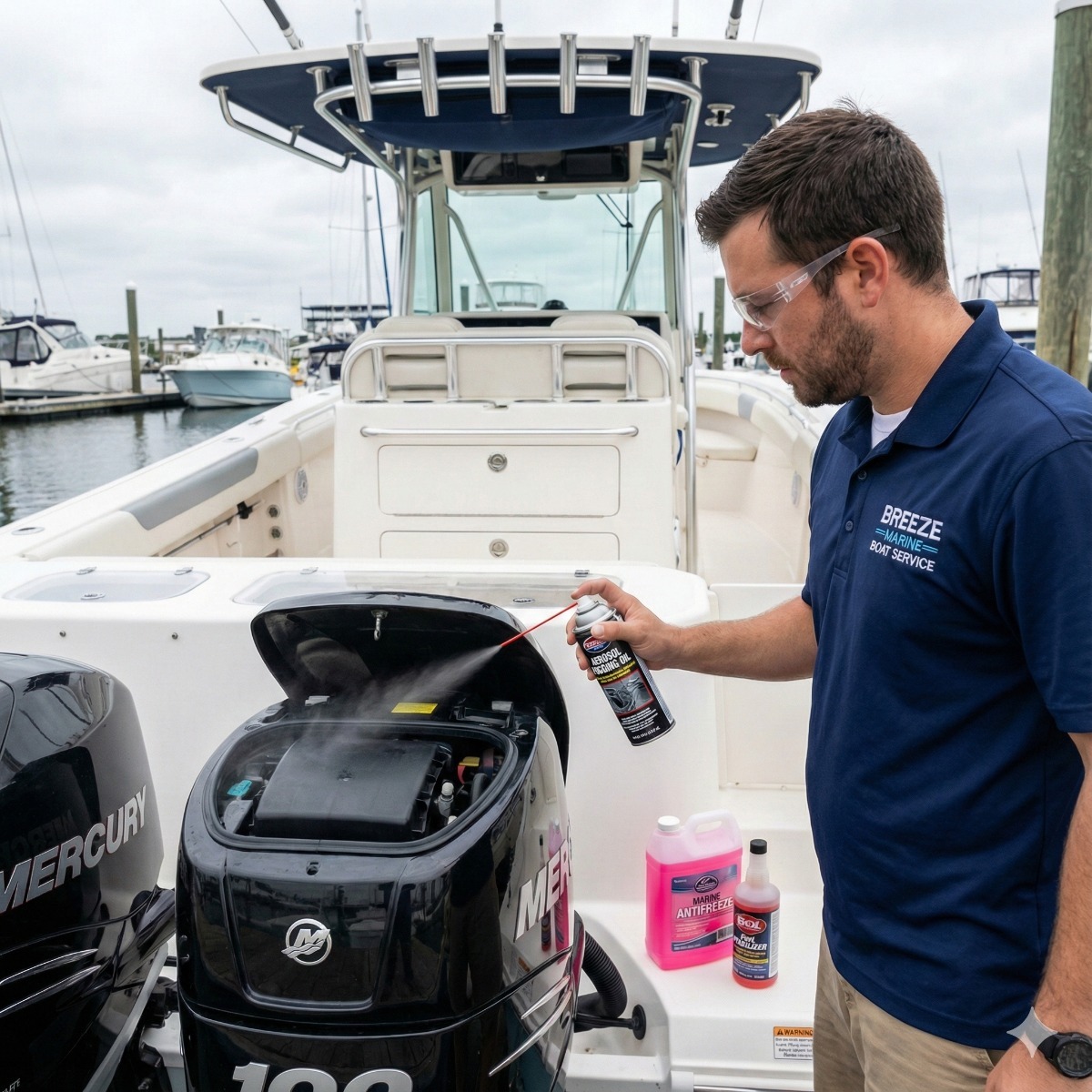
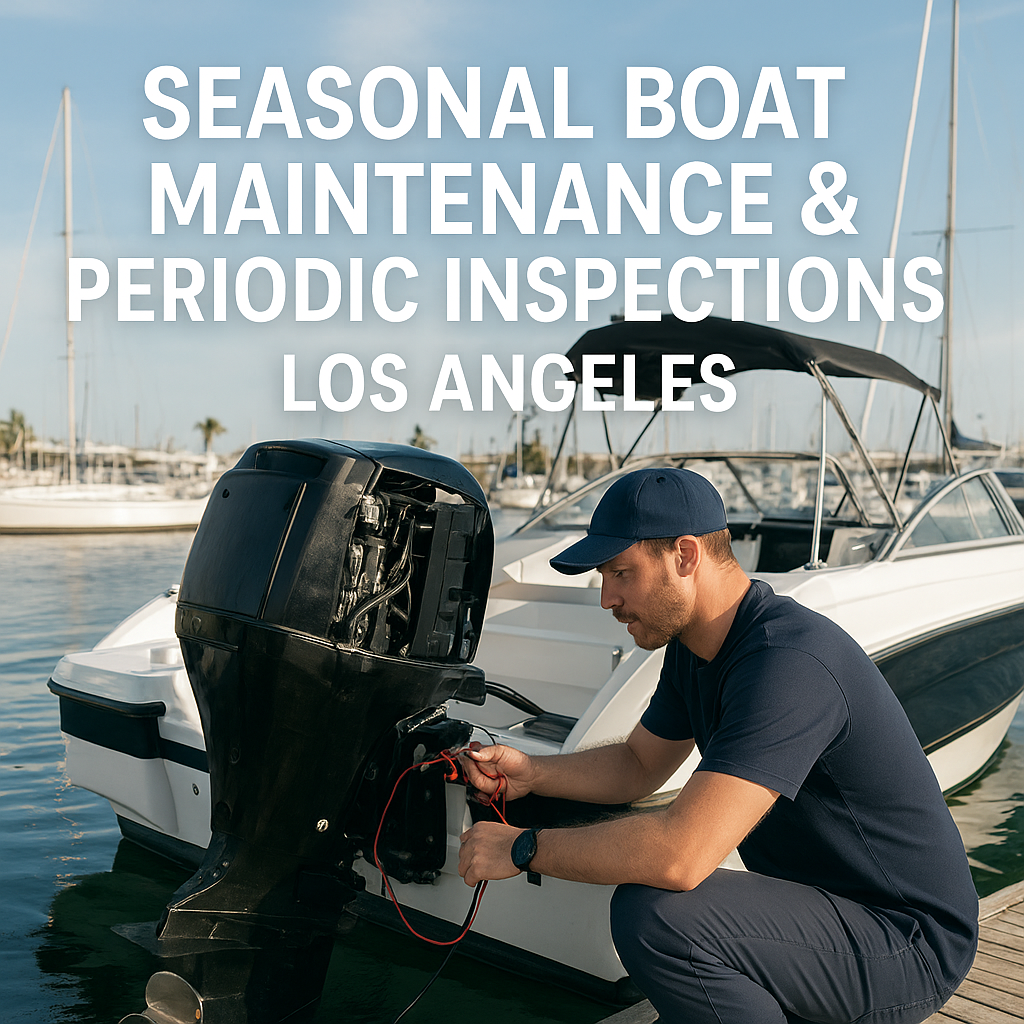
Even in SoCal, sitting idle is dangerous. During boat winterization, we treat your fuel system to prevent ethanol separation, fog the cylinders to stop rust, and flush raw water systems with inhibitors.
Spring Commissioning
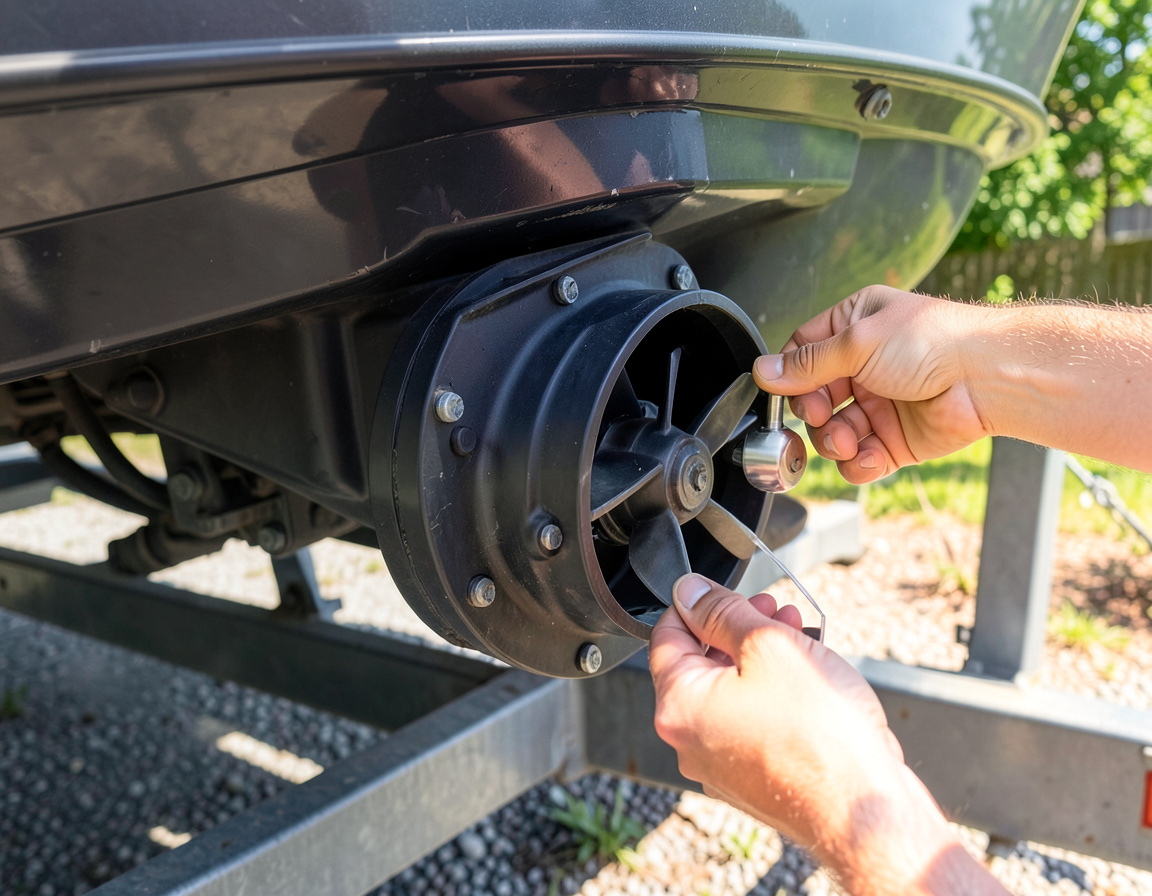
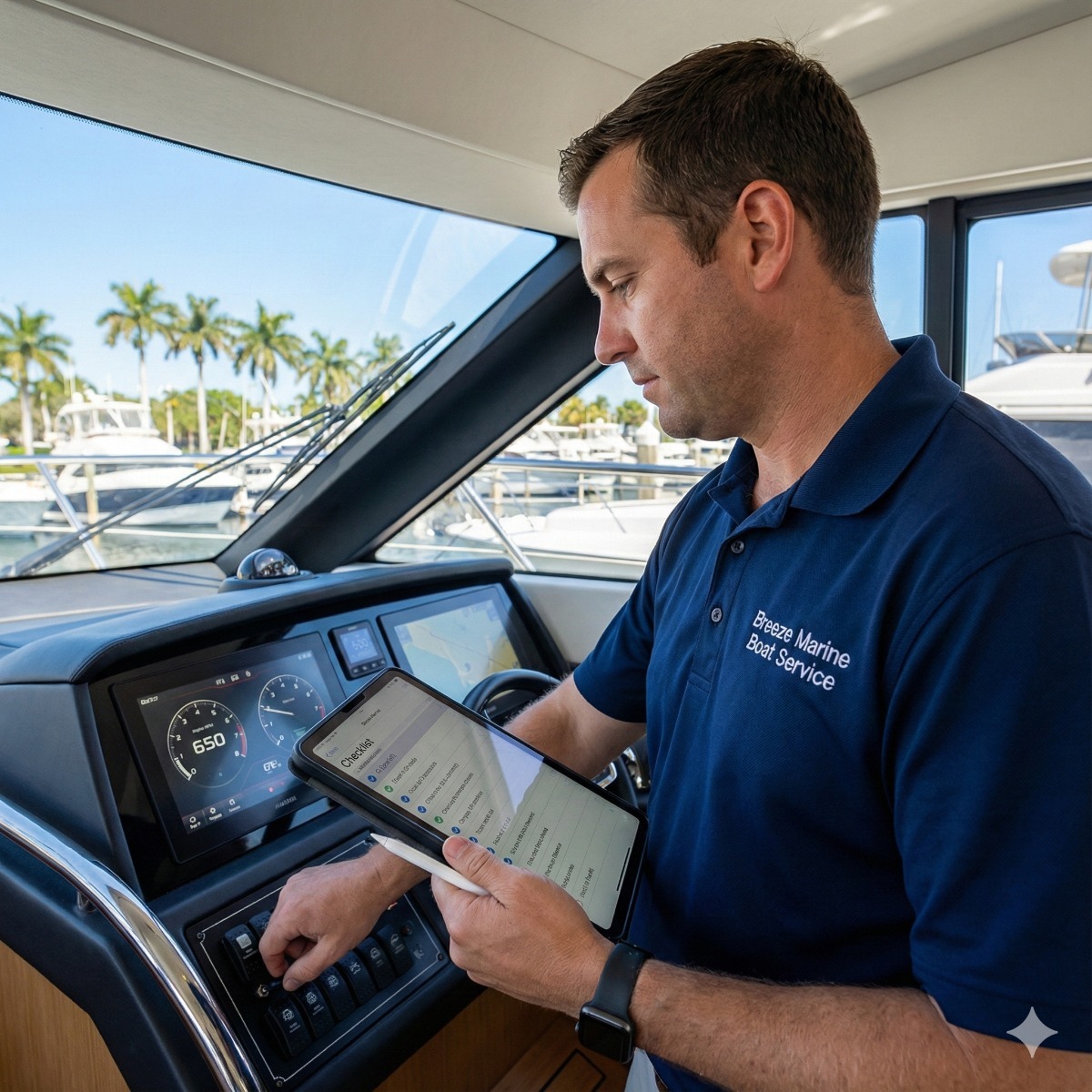
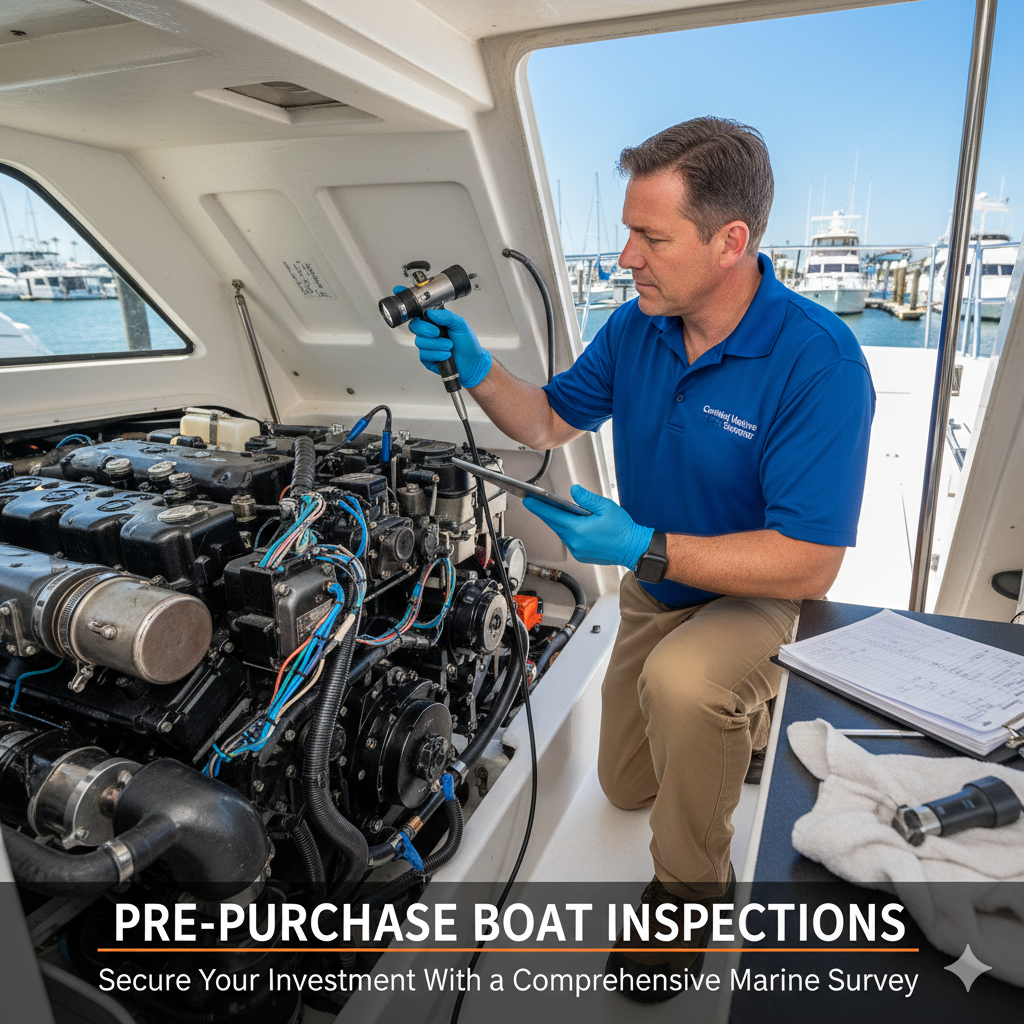
The "Wake Up" call. Before your first family trip, we inspect every belt, hose, and battery. We run the engine to temperature and verify impellers haven't dry-rotted during storage.
The "Acid" Flush
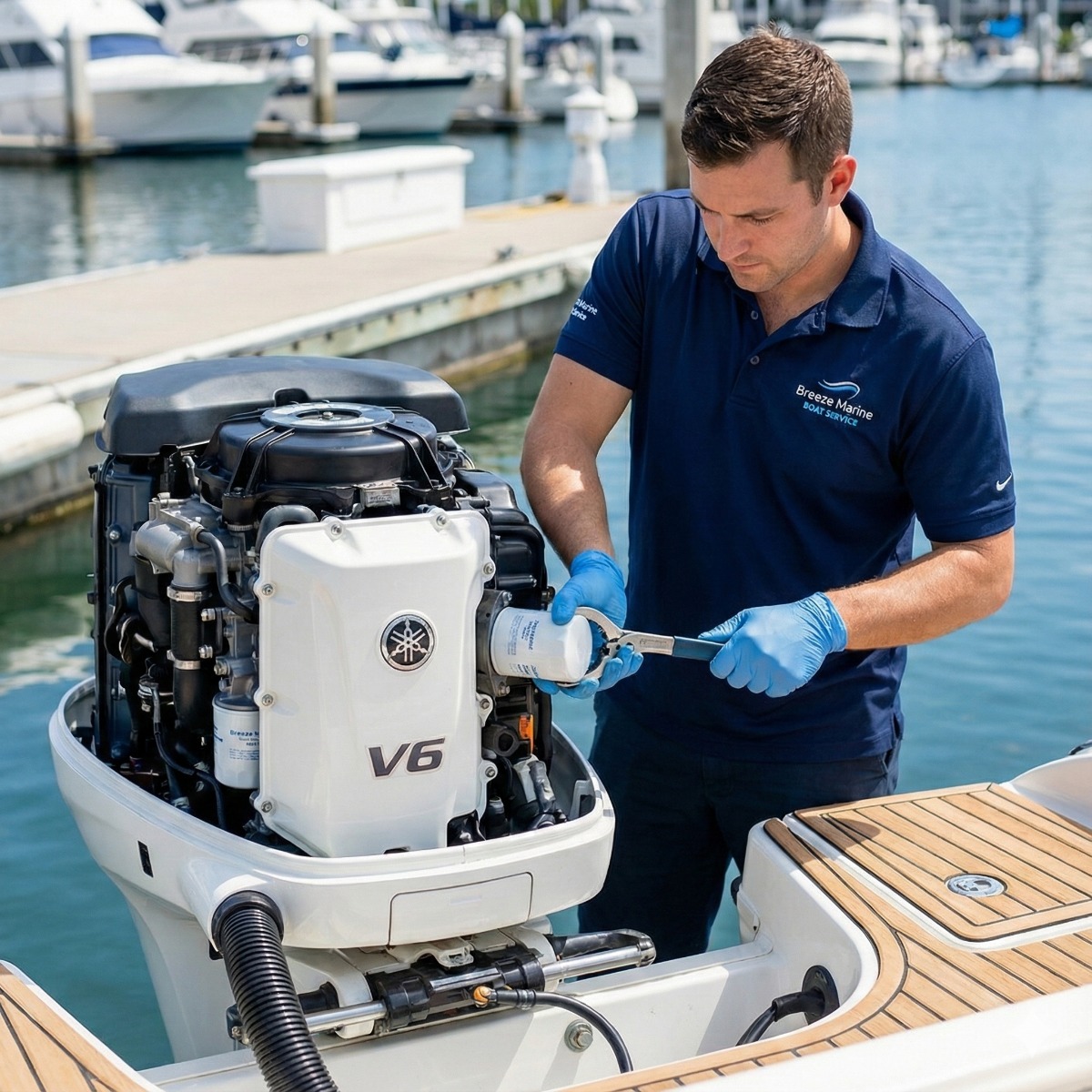
Old oil becomes acidic and eats bearings while the engine sits. We recommend changing oil *before* storage, so your engine sleeps in clean, pH-neutral lubrication.
The Cycle of Care.
From Lay-Up to Launch.
Stabilize (Winter)
We add industrial fuel stabilizer to the tank and run the engine for 15 minutes to ensure the treated fuel reaches the injectors and VST.
Protect (Winter)
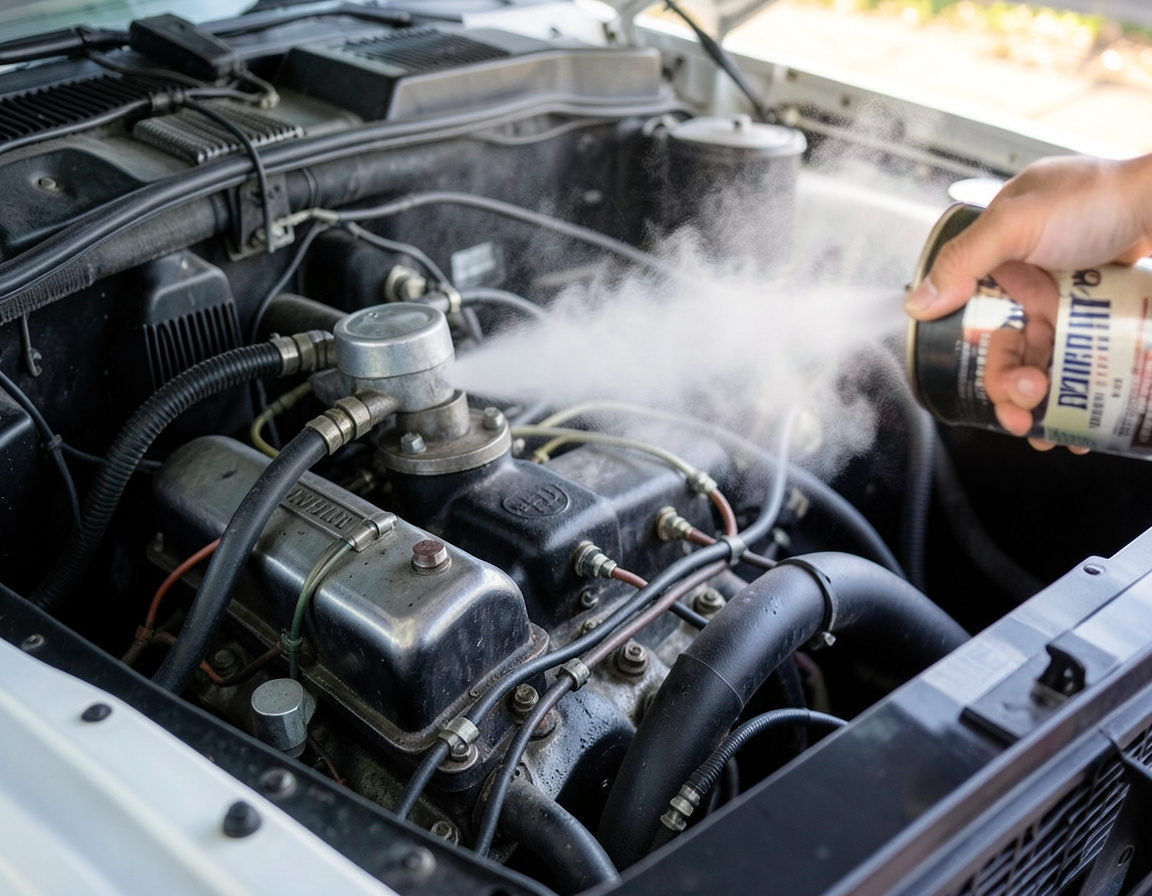
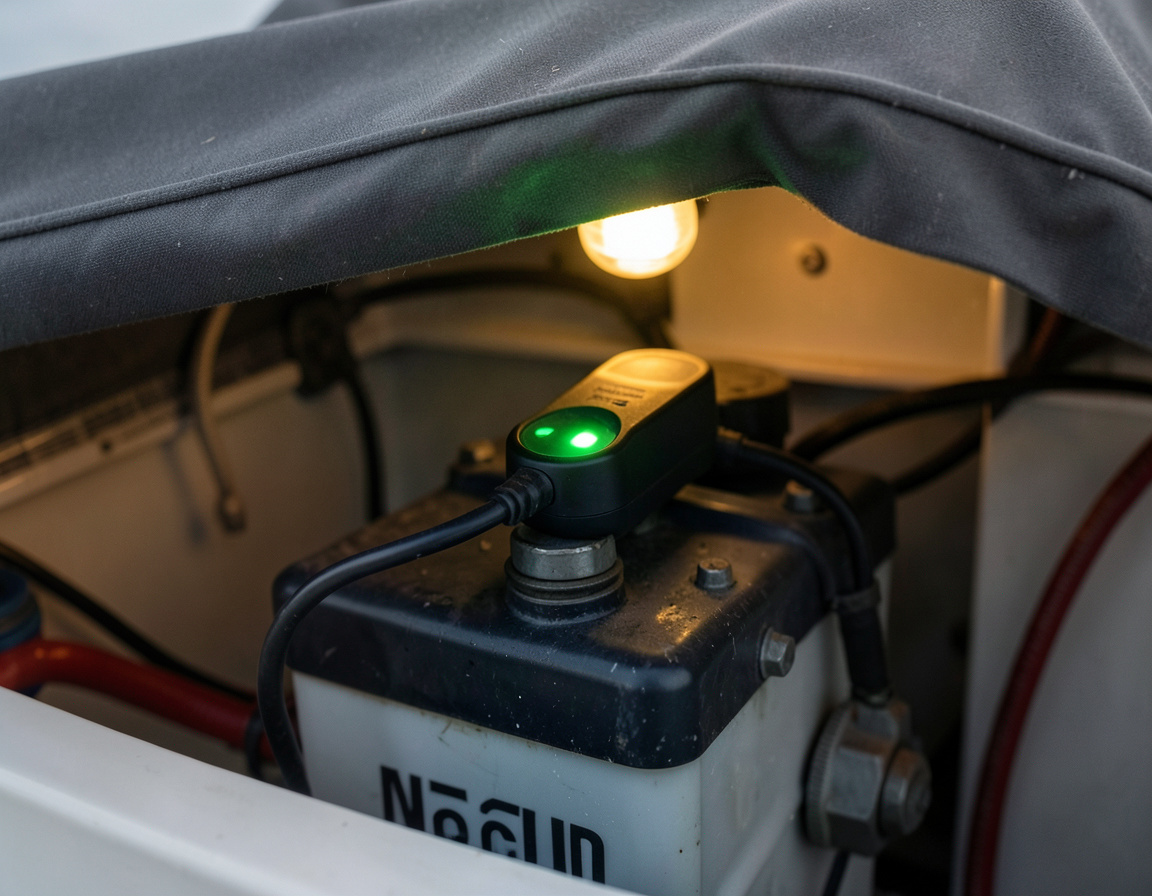
We spray fogging oil into the intake to coat cylinder walls, disconnect batteries (or set up a battery tender), and flush the cooling block.
Inspect (Spring)
Months later, we return. We check battery voltage, look for rodent damage, and inspect raw water impellers for "set" (stiffness).
Launch (Spring)
We fire the engine, check for leaks, verify thermostat cycling, and hand you the keys knowing the boat is safe for the season.
Ready for the Season.
Don't let downtime become downtime.
Seasonal Checklist.
Essential items for long-term storage.
Common Questions
It doesn't freeze here. Why winterize?
It's not about ice; it's about ethanol. Modern fuel degrades in 60 days, separating into water and sludge. If you don't stabilize it, your spring start-up will require a costly fuel system overhaul.
When should I schedule?
Winterization happens in late November/December. Spring Commissioning (boat de-winterization) usually starts in March or April. Book early, as our schedule fills up fast.
| Manufacturer | Breeze Marine Boat Service |
|---|
Related Posts
-


 Southern California boats rarely freeze, but months of sitting still spoil fuel, oil and batteries. Here is what a proper boat lay-up involves and what to check.