When a marine diesel starts burning oil, smoking, losing compression or putting metal in the oil, owners face a big decision. The engine can be repowered, overhauled in the boat, or pulled and rebuilt on a stand. Each route has its place, and understanding the difference helps you ask the right questions before committing to a major job. This article explains what separates an in-frame from an out-of-frame overhaul and how a mechanic decides which one fits your engine.
First, Confirm the Engine Really Needs It
Many diesels are condemned too early. Hard starting may be a tired glow plug or lift pump; smoke may come from a dirty air filter, a failing injector or a restricted exhaust elbow. Before anyone quotes a diesel engine overhaul, the engine should be properly diagnosed. That normally includes compression testing on every cylinder, a crankcase blow-by check, oil analysis where available, a test of the coolant for combustion gases, and an inspection of the injectors and the turbocharger if one is fitted. A consistent picture of low compression, rising oil consumption and blow-by points to worn rings, liners or valves rather than a single failed part.
In-Frame Overhaul
An in-frame overhaul is done with the engine still on its mounts. The head, oil pan and pistons come out through the top and bottom, and the technician replaces rings, bearings, gaskets and seals, reconditions or replaces the cylinder head, and renews the liners on engines that use wet sleeves.
When it makes sense
- The engine has removable wet liners, so the bores can be renewed without machining the block
- The crankshaft measures within specification and does not need grinding
- Removing the engine would mean cutting through cabinetry, soles or decks
- Wear is fairly even and there is no sign of block or crank damage
Limitations
Working in a cramped engine room makes precise measurement and thorough cleaning harder, and some problems simply cannot be fixed in place. A crank that needs grinding or a block that needs boring means the engine has to come out.
Out-of-Frame Overhaul
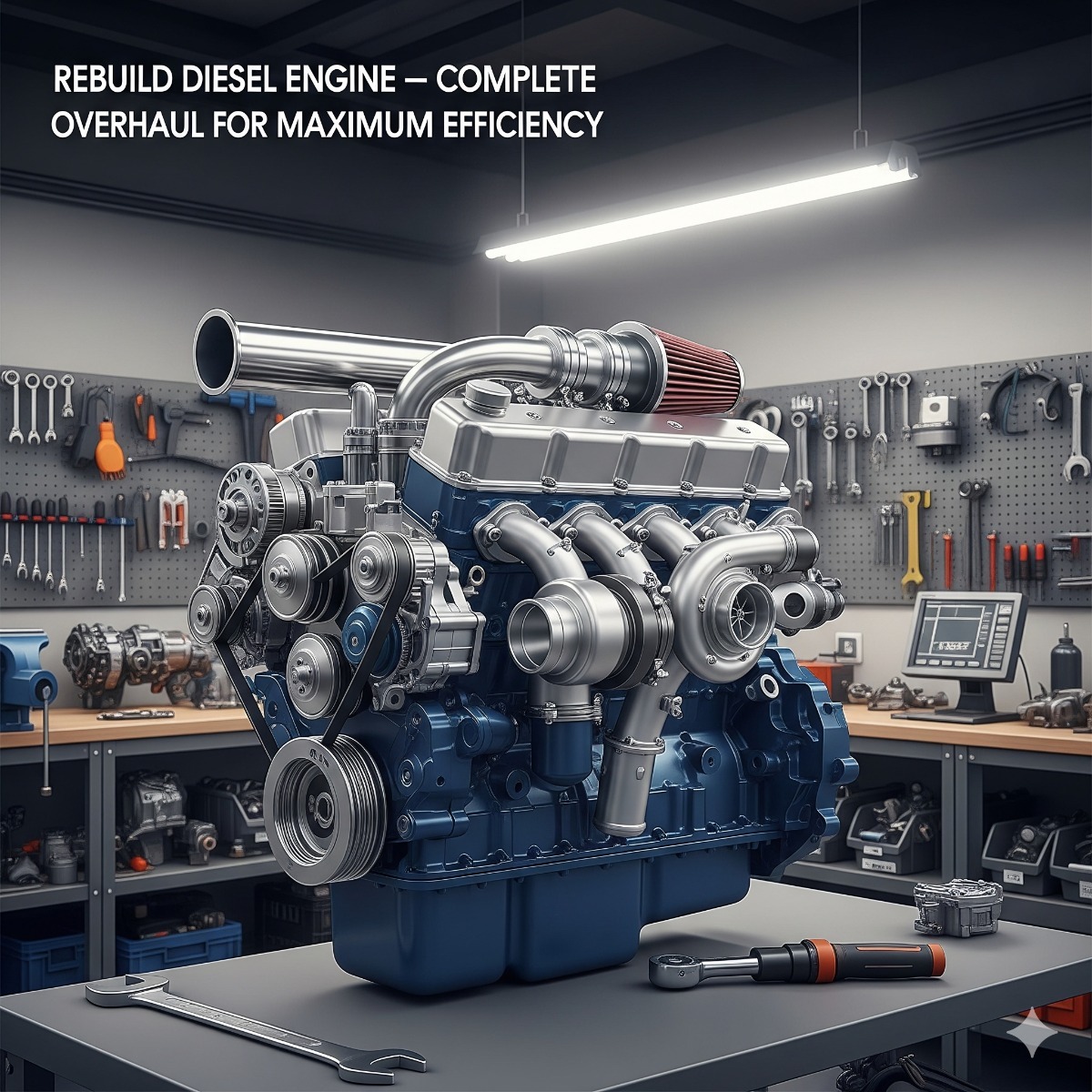
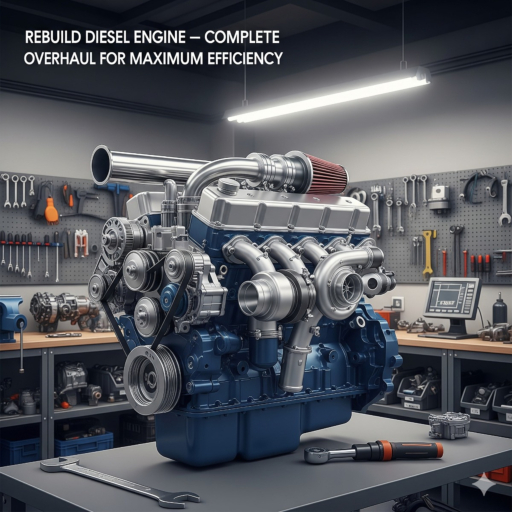
An out-of-frame rebuild removes the engine from the boat and strips it completely. The block, crank, rods and head go to a machine shop for cleaning, crack inspection and measurement. Cylinders are bored or sleeved, the crank is ground if needed, and the block deck is checked for flatness. The engine is then assembled with new pistons, rings, bearings, gaskets and seals, usually alongside a serviced water pump, injectors and heat exchanger.
This is the most thorough approach and the closest thing to a complete overhaul. It is the right choice when there is scoring in the bores, a spun bearing or overheating damage, or when the owner wants a long service life from an engine that will stay in the boat for many years.
Rebuild or Repower?
Sometimes boat diesel engine replacement is the smarter option. Repowering may make sense when parts for an older engine are scarce, when the block itself is cracked, or when a newer engine would bring meaningful gains in weight, emissions or fuel economy. On the other hand, a marine diesel engine rebuild keeps the original mounts, shaft alignment, exhaust and controls, which often avoids costly modifications to the boat. A good mechanic will lay out both options honestly rather than pushing one.
What a Proper Job Includes Beyond the Block
A diesel engine rebuild is only as good as the systems around it. A thorough engine rebuild service also addresses:
- Heat exchanger, oil cooler and aftercooler cleaning or replacement
- The raw water pump, thermostat and coolant hoses
- Injector testing and service, plus injection pump timing
- Exhaust and mixing elbow inspection, since a clogged elbow can cause the same symptoms that led to the rebuild
- Engine mounts and shaft alignment after reinstallation
- A careful break-in procedure with early oil changes
Skipping these items is the most common reason a freshly rebuilt engine runs hot, smokes or wears prematurely.
What Owners Can Watch For
- Oil consumption that keeps increasing between changes
- Blue or white smoke that persists after warm-up
- Heavy fumes or oil mist from the crankcase breather
- Harder starting, especially when cold
- Lower top RPM or speed with the same prop and load
Keeping a simple log of engine hours, oil added, coolant temperatures and cruising RPM makes these trends easy to spot. When they appear, book an inspection with a marine diesel mechanic before the engine fails far from the dock. If the tests confirm general wear, a marine diesel engine overhaul planned in advance is far less stressful than an emergency tow followed by rushed decisions. You can read how we approach this work on our diesel engine overhaul and rebuild page.
Diesel Overhaul FAQ
How many hours does a marine diesel last before it needs work?
It varies widely with engine type, load and maintenance. Well-maintained diesels that are run regularly under proper load often go many thousands of hours, while engines that idle for long periods or sit unused can wear out much sooner.
Is an in-frame job as good as an out-of-frame one?
For engines with wet liners and a healthy crank, an in-frame job can restore excellent performance. When the block or crank needs machining, only an out-of-frame rebuild can address it.
Can I keep running an engine with low compression?
It may still run, but hard starts, smoke and fuel dilution of the oil will accelerate wear. Diagnose it early so you can plan the repair rather than react to a failure.