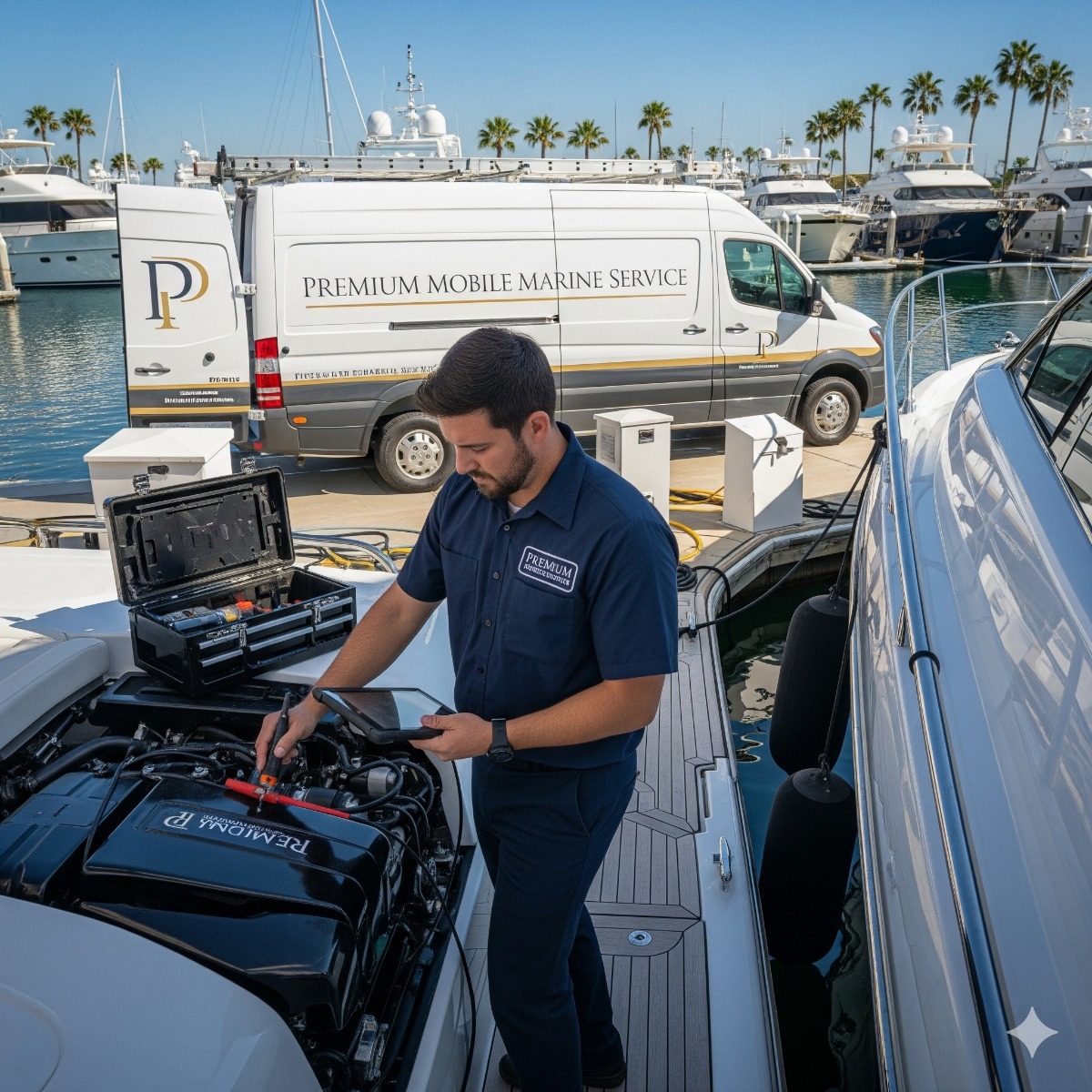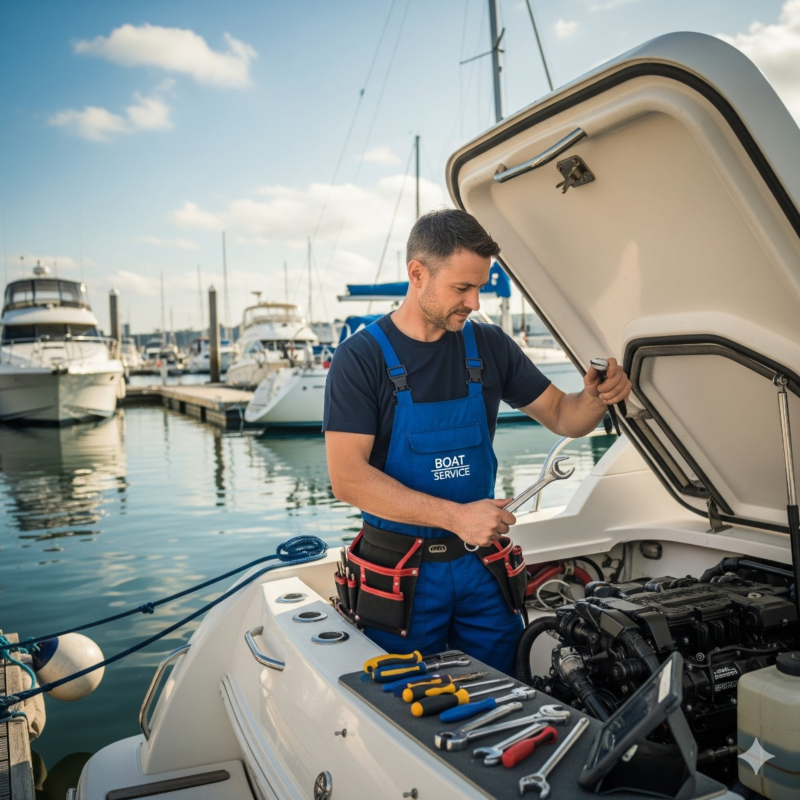
Moving a boat to a yard costs time, fuel and scheduling hassle, and for many jobs it is simply unnecessary. A mobile marine mechanic brings tools and parts to the slip, which makes routine care and many repairs far more convenient. Some work, however, genuinely needs the boat out of the water. Knowing the difference helps owners, marinas and yacht clubs plan better and avoid surprises.
Jobs that work well at the slip
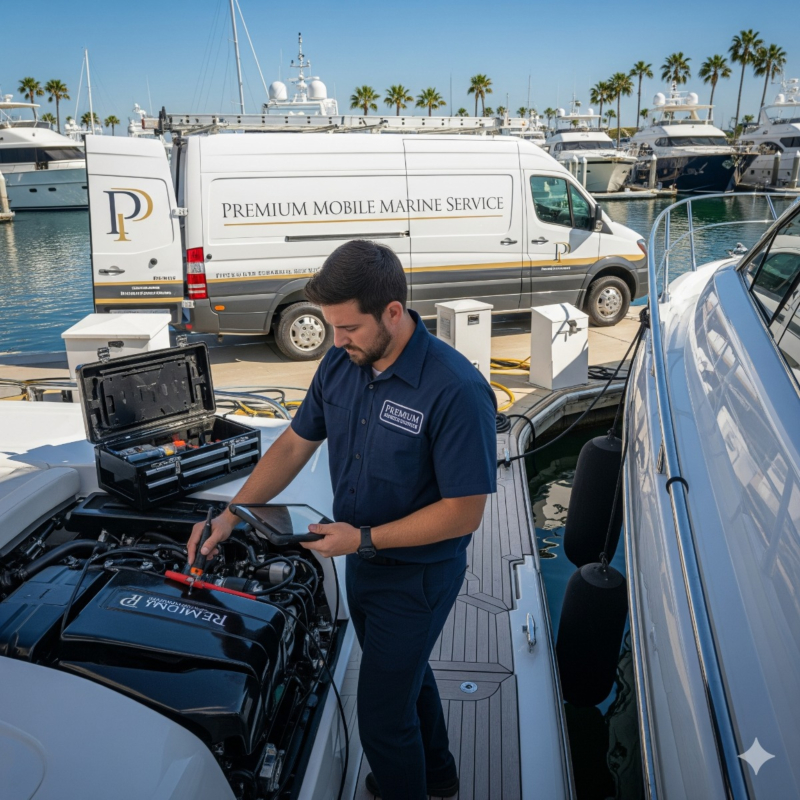
A large share of routine boat maintenance can be done dockside with the boat in its normal berth:
- Engine servicing: oil and filter changes, fuel filters, raw water impellers, belts, anodes on heat exchangers and valve adjustments on many inboards.
- Generator service: oil, filters, impeller and load testing.
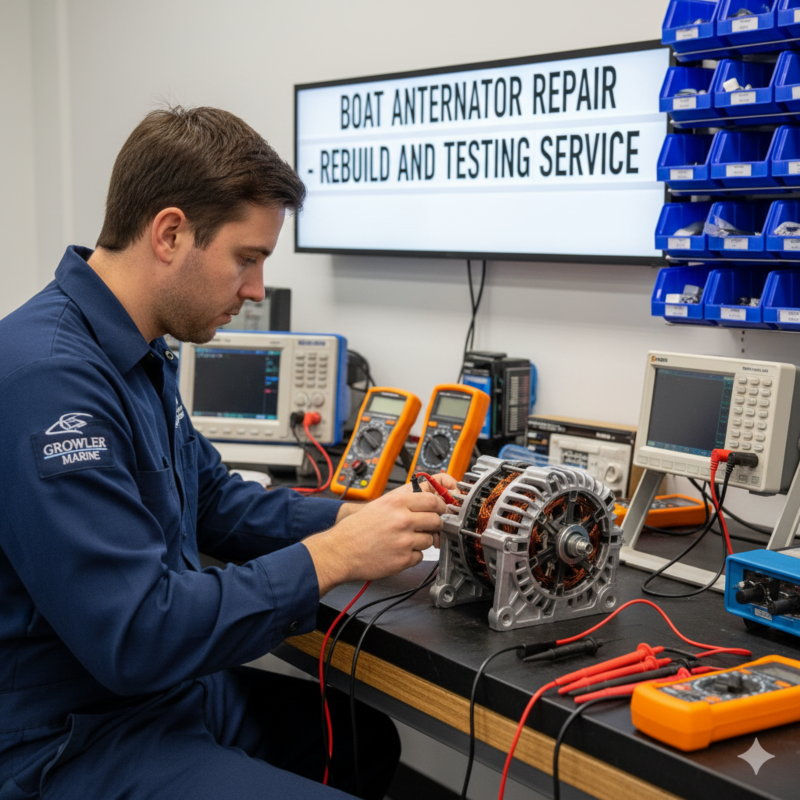
- Electrical diagnostics: charging systems, starters, battery banks, parasitic drains and breaker faults.
- Fuel and cooling systems: pumps, hoses, strainers, water separators and thermostat work.
- Controls and steering: shift and throttle cables, hydraulic steering bleeding and helm pump service.
- Onboard systems: sanitation pumps, freshwater pumps, bilge pumps and float switches.
- Cosmetic work: polishing and small gelcoat repairs above the waterline.
Jobs that usually need a haul-out
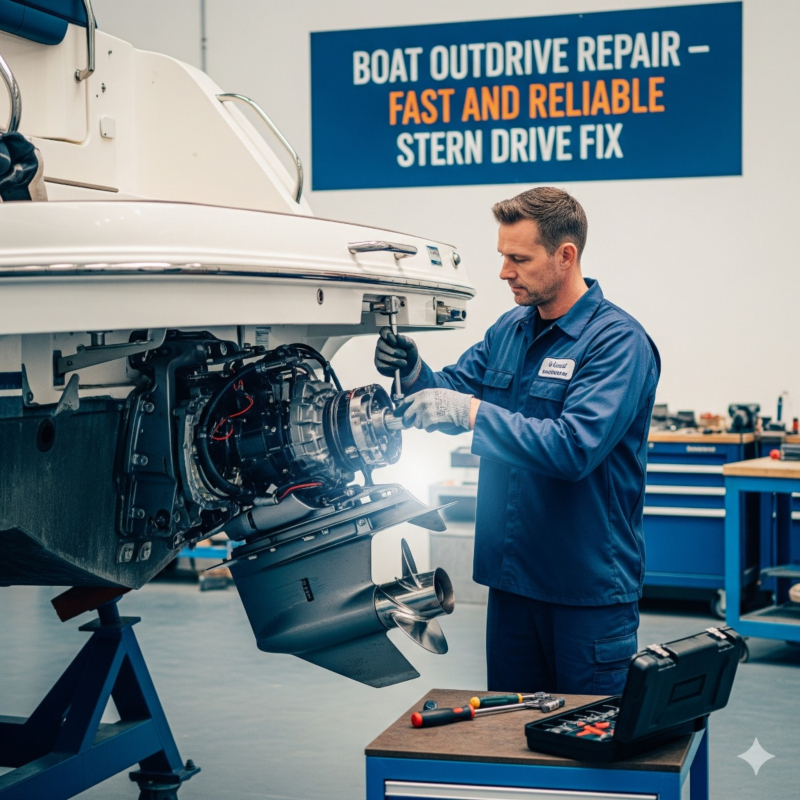
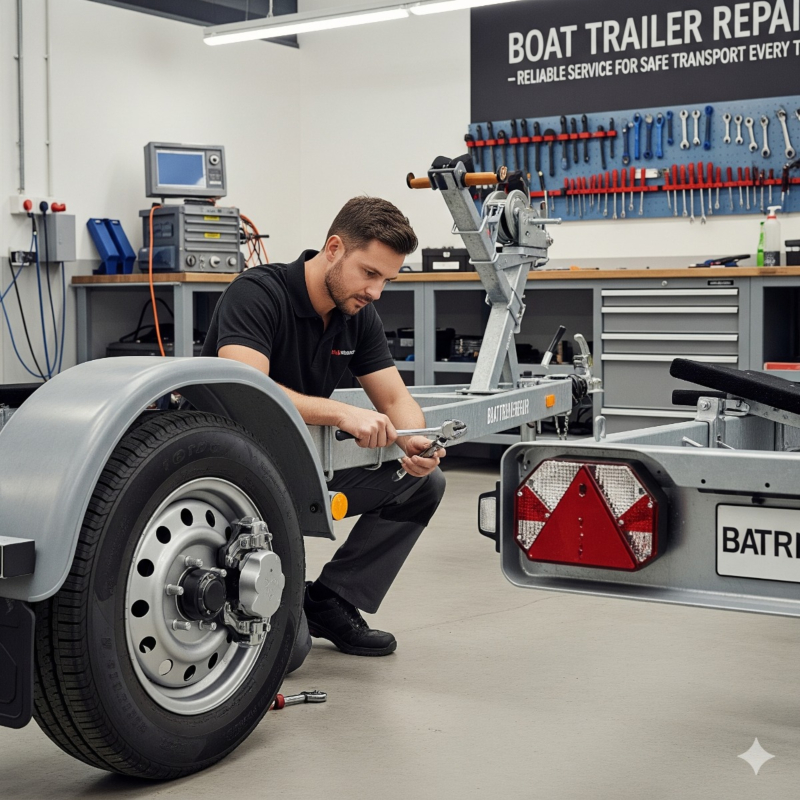
Anything below the waterline generally means lifting the boat. That includes bottom painting, through-hull and seacock replacement, cutless bearings, shaft and strut work, rudder repairs, and most sterndrive removals for bellows or gimbal bearing service. Structural hull repairs and engine removals also need a yard or a crane. A good mobile boat repair provider will tell you this upfront and help coordinate the haul-out rather than attempting risky work in the water.
What makes mobile work efficient
A mobile technician has what fits in the van. The best dockside visits happen when the right parts arrive the first time, so information matters.
- Provide engine make, model, serial number and hours before the visit.
- Describe symptoms clearly, including when they happen and any recent changes.
- Confirm dock access: gate codes, parking, cart availability and marina rules on contractor work.
- Make sure shore power is available if the job needs power tools.
- Clear lockers and engine hatches so the technician can reach the work area.
Marina and yacht club rules
Many marinas require outside contractors to carry insurance, sign in and follow environmental rules for oil changes, sanding and waste disposal. Before booking any mobile marine service, check your marina's contractor policy. Oil changes should use closed extraction systems with spill pads, and all used oil, filters and coolant must leave with the technician for proper disposal. These practices protect the harbor and keep relations with the marina good.
Organizing service for multiple boats
Marinas, yacht clubs, charter operators and brokers often manage several vessels at once. Grouping work by dock and by engine type reduces travel and parts runs. A simple shared list of each boat's slip, engine details, last service date and open issues makes a mobile boat service visit much more productive. Written reports with photos after each job create a history for every vessel, which is useful for owners who are not local, for charter readiness and for pre-sale documentation.
Choosing a mobile boat mechanic
Ask what systems they cover, whether they handle both diesel and gasoline engines, and how they document work. Find out whether they can coordinate haul-outs when a job crosses into yard territory, since full-service boat repair often combines dockside and yard work. For owners and managers who want dockside service and yacht repair organized in one place, including orange county boat repair at marinas and yacht clubs, our premium mobile marine service for marinas and yacht clubs explains how the work is structured.
What owners can do between visits
- Run engines and generators periodically if the boat is not used often.
- Check bilges, battery voltage and shore power connections on each visit to the boat.
- Keep a notebook of engine hours, fuel added and any odd noises or alarms.
- Rinse and wipe down after use to slow corrosion.
These habits make every technician visit shorter and help catch developing problems early.
Mobile service FAQ
Can a mobile mechanic work on large diesel engines?
Yes, most routine service and many repairs on inboard diesels can be done in the engine room at the slip. Major overhauls that require engine removal need a yard.
Is mobile service allowed at every marina?
Not always. Some marinas limit outside contractors or require insurance certificates and sign-in. Check the rules before booking.
What happens if a problem needs a haul-out?
The technician should explain why, document the findings and help plan the haul-out so the work can continue at a yard with minimal downtime.