Most boat owners only start looking for a technician when something has already gone wrong, which is the worst time to compare options. Whether you keep a center console on a trailer or a cruiser in a slip, it pays to know in advance who you would call, what they work on and how they approach a job. This guide covers the questions worth asking before you book Long Beach boat repair, and what you can prepare so the first visit is productive.
Dockside or shop: which jobs belong where
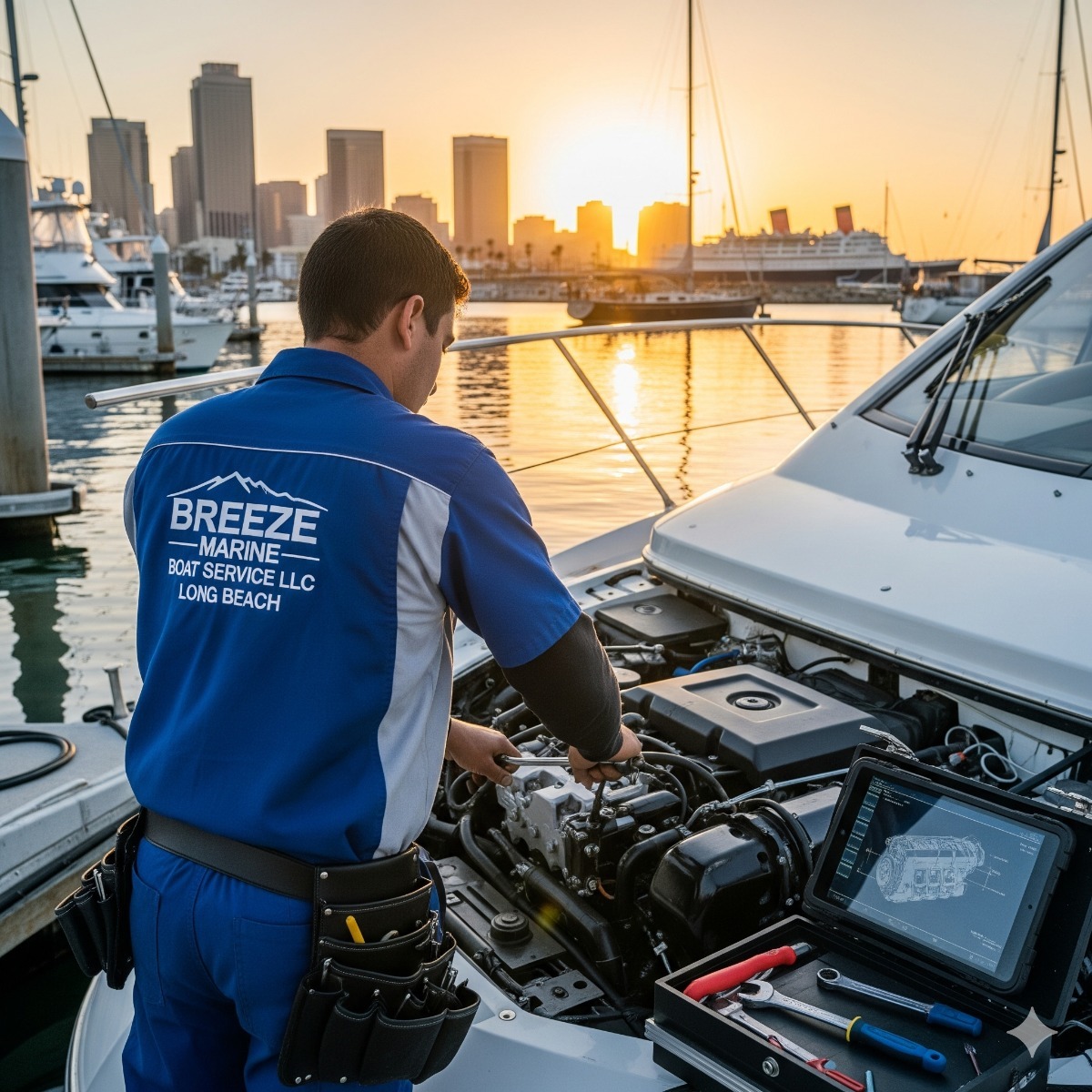
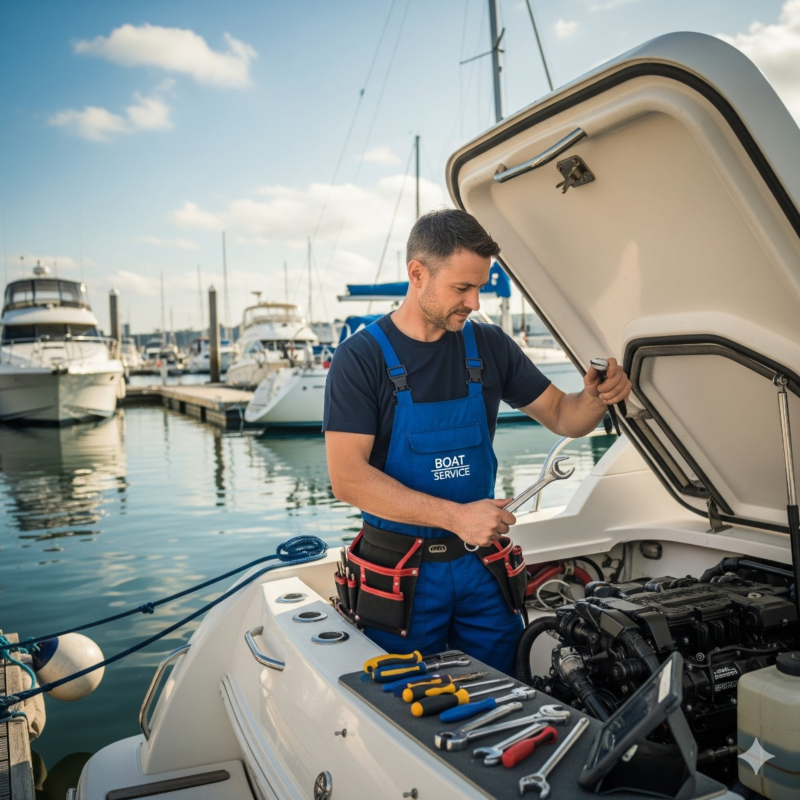
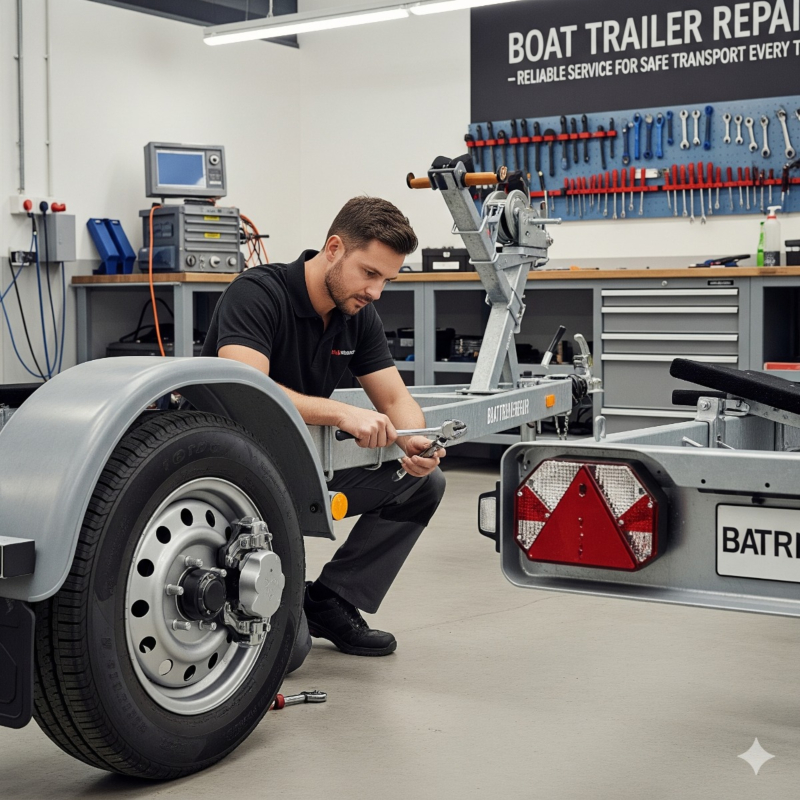
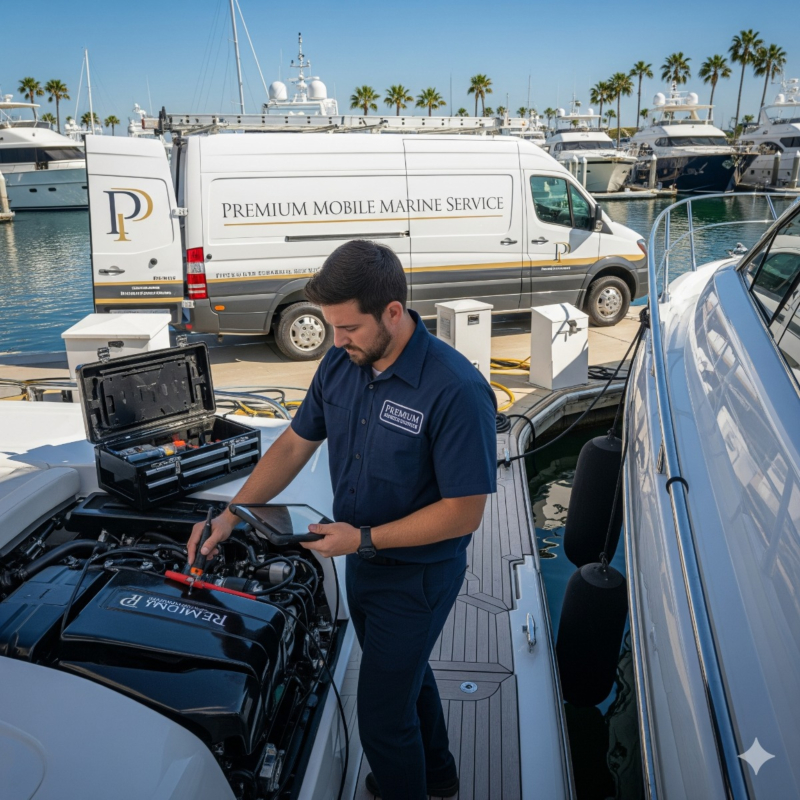
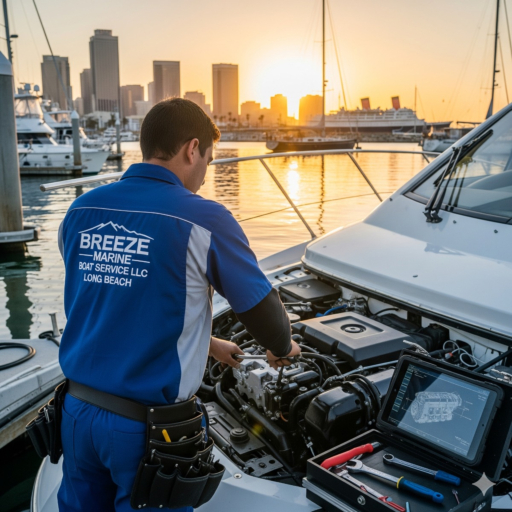
A mobile marine mechanic brings tools and common parts to the slip, the driveway or the launch ramp. That suits a large share of everyday work: diagnostics, tune-ups, fuel and cooling system service, battery and charging problems, and most wiring faults. Traditional boat repair shops still have a place for jobs that need a lift, a paint booth or a controlled space, such as major fiberglass work, bottom jobs or pulling an engine.
A good question to ask early is simply: can this be done where the boat is, or does it need to be hauled? An honest answer saves you a haul-out you did not need, or a half-finished dockside attempt at something that really belongs indoors.
Questions worth asking before you book
What engines and systems do you work on?
Outboards, sterndrives, inboards and diesels each have their own tools and software. Ask whether the technician regularly handles your engine family and whether they can connect to its diagnostic system. Routine marine engine service on a modern fuel-injected engine is far easier with the right scan tool than without it.
How do you diagnose before replacing parts?
Parts swapping is the most expensive way to fix a boat. A sound approach starts with testing: fuel pressure, voltage drop, compression, cooling flow, fault codes. Ask how the technician confirms a fault and whether they will explain the findings before ordering parts.
Do you handle electrical and electronics work?
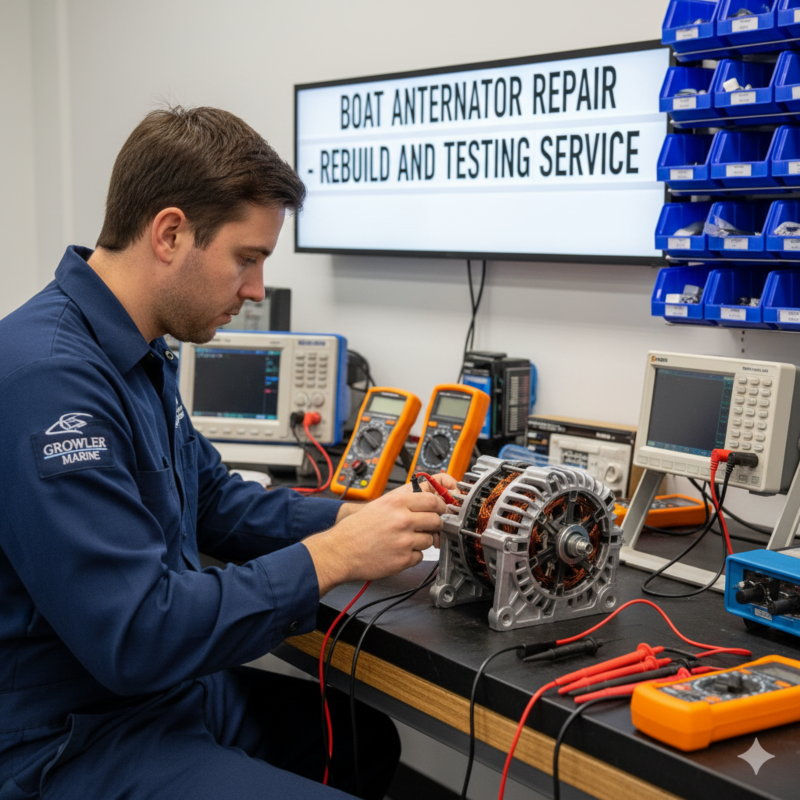
Many breakdowns are electrical rather than mechanical. Marine electrical repair covers corroded terminals, failing switches, charging faults and chafed harnesses, and it needs marine-grade wire and connectors rather than automotive shortcuts. If you plan upgrades, ask whether marine electronics installation, such as chartplotters, radar, fish finders or networked displays, is done by the same team so the wiring stays consistent.
Can you work on drives and transmissions?
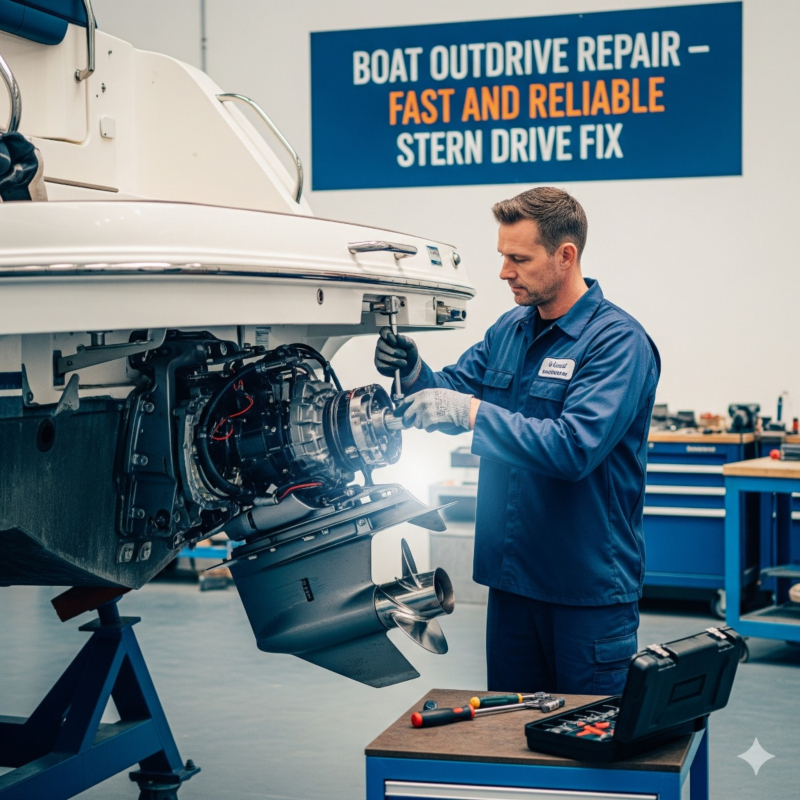
Shifting problems, noises from the lower unit and oil that looks milky all point to the driveline. Boat gearbox repairs and lower unit service often need special tools and pressure or vacuum testing of seals, so ask whether that work is done in-house or referred out.
What you can prepare before the visit
A technician can move much faster when the owner has a few facts ready:
- Engine details: make, model, horsepower, serial number and approximate hours.
- Symptoms: what happens, at what speed or temperature, and when it started.
- Recent work: anything serviced, replaced or adjusted in the last season.
- Access: slip number, gate codes or marina rules for contractors, and whether shore power is available.
- Photos or video: a short clip of a noise, a warning light or a leak is often more useful than a description.
Why routine care matters in local waters
Southern California boats are used year-round, so there is no long winter lay-up to force an annual check. Warm salt water speeds up corrosion, marine growth and scale inside cooling passages. That is why a planned seasonal boat service still makes sense here, even without freezing temperatures: impellers, anodes, filters, belts and fluids wear on a calendar as much as on engine hours.
Good boat maintenance is also about records. Keep a simple log of dates, hours and what was done. It helps any technician, supports resale value and makes patterns obvious, such as a filter that clogs every few months or a battery that keeps going flat.
Red flags when comparing providers
- A diagnosis given over the phone with no testing, followed by a long parts list.
- Automotive parts proposed for fuel, ignition or electrical systems where ignition-protected marine parts are required.
- No written description of the work or the parts installed.
- Reluctance to show you the failed part or explain why it failed.
If you are searching for boat repair long beach options and want to see the range of work a local mobile team covers, the Breeze Marine boat service overview for Long Beach lists engine, electrical, drive and seasonal services in one place.
Choosing a boat mechanic FAQ
Is a mobile mechanic suitable for major engine work?
Many repairs, including fuel, ignition, cooling and some internal work, can be done in the slip. Jobs that need the engine removed, heavy lifting or a dry hull usually need a yard or shop, and a good technician will tell you which case you are in.
How often should a boat used year-round be serviced?
Follow the engine maker's hour and calendar intervals, whichever comes first. For boats used all year in salt water, that usually means at least one full service annually plus quick checks of impellers, anodes and batteries between services.
What should I do before the technician arrives?
Write down the symptoms, gather engine details and service records, make sure the boat is accessible and clear the engine compartment so the technician can start work straight away.