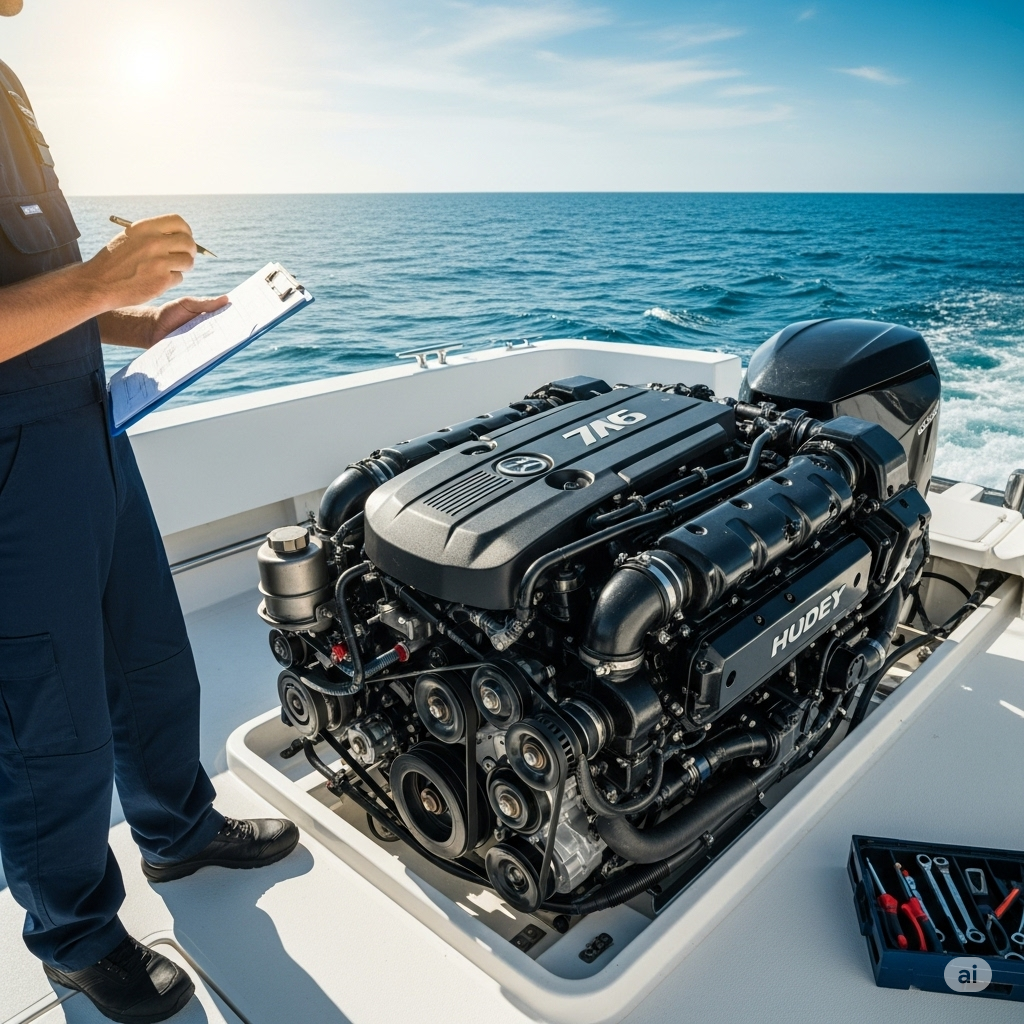
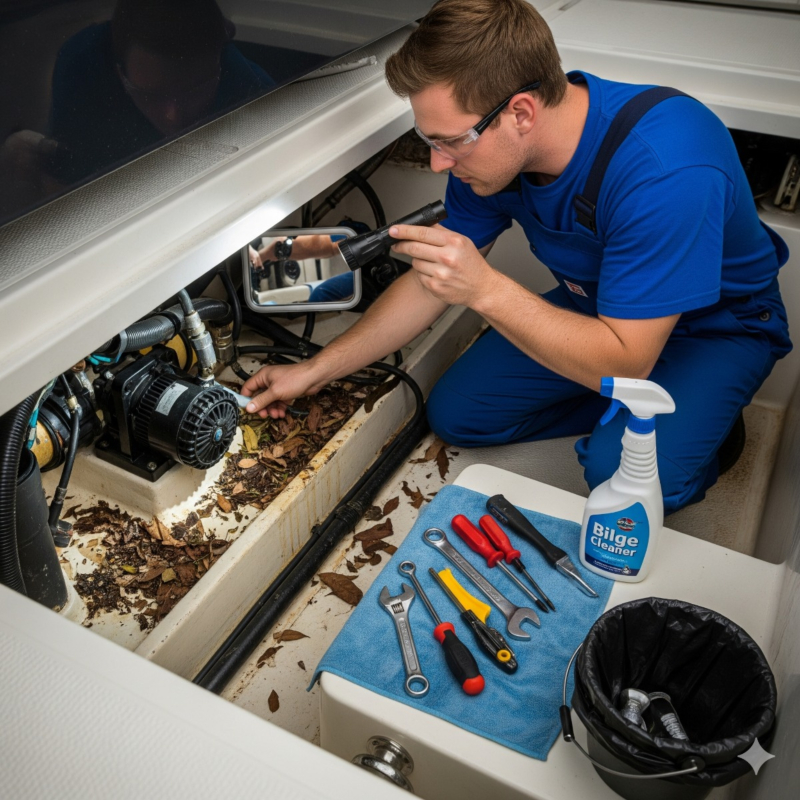
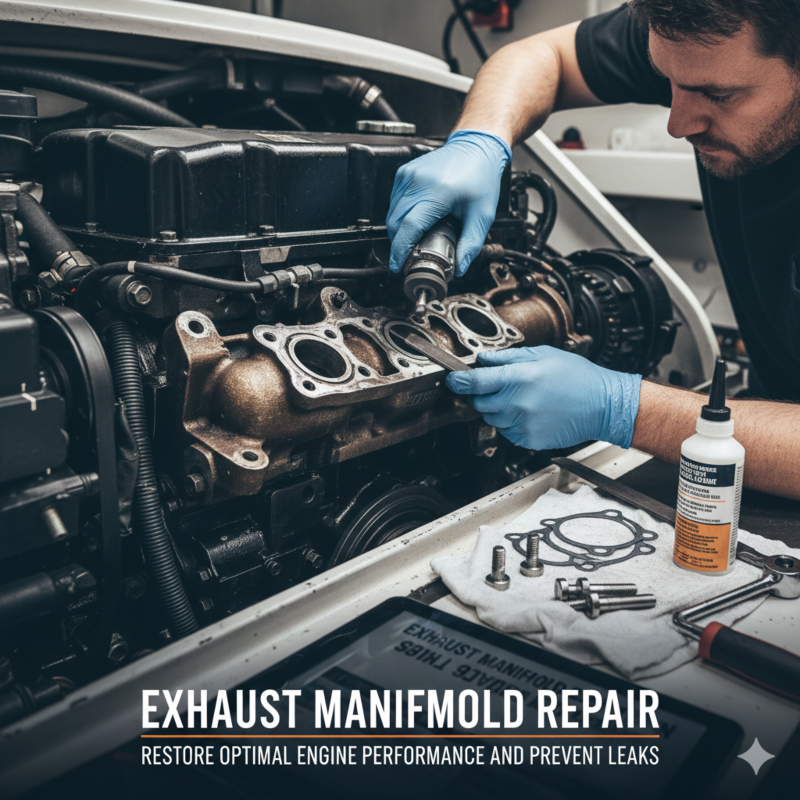
Whether a storm has pushed the boat into the pier, a grounding has scraped the hull or a nearly new engine has started leaking oil, the next question is usually who pays. An insurance policy and a manufacturer warranty can both cover repairs, but each has its own rules, and small mistakes early on can slow a claim. This guide covers what each typically pays for, what to do right after damage, how the process runs and which records make it easier.
Insurance or warranty: which one applies?
Boat repair insurance generally responds to sudden, accidental damage: collisions, storms, groundings, fire, theft or sinking, depending on the policy. A warranty covers defects in materials or workmanship for a set period, such as a laminate problem in the hull or an engine component that fails early. Neither is meant to pay for normal wear, corrosion from neglect or damage caused by skipped maintenance, and both have exclusions worth reading before you need them.
Sometimes the line is blurry: an engine that overheats after a hose splits may be a warranty matter, a maintenance issue or, if it caused a fire, an insurance loss. When in doubt, notify both the insurer and the warranty provider.
First steps after damage
- Make sure everyone aboard is safe and the boat is secure.
- Limit further damage where it is safe to do so: pump out water, cover broken hatches or windows and double up lines. Policies generally expect this.
- Photograph and film the damage, the surroundings and any other vessel or structure involved while everything is still in place.
- Write down the date, time, location, weather and names of witnesses while the details are fresh.
- Contact your insurer or warranty provider promptly and ask how they want the claim reported.
- Hold off on permanent repairs until they are approved, apart from emergency measures that protect the boat.
How boat insurance claims usually move
Most insurance claims follow a similar path. After you report the loss, the insurer assigns an adjuster, and for anything beyond minor damage they often send a marine surveyor to inspect the boat, confirm the cause and judge the extent of the damage. The insurer will normally want a written boat repair estimate listing the work and parts needed. Once the scope is agreed, the repair is approved and the settlement is paid according to the policy, less any deductible.
Hidden damage is common: a gelcoat crack can hide wet core, and a grounding can bend a shaft that looks fine from outside. Extra damage found once the job is opened is reported to the insurer as an addition to the estimate before that work goes ahead.
Hull and storm damage: what the repair involves
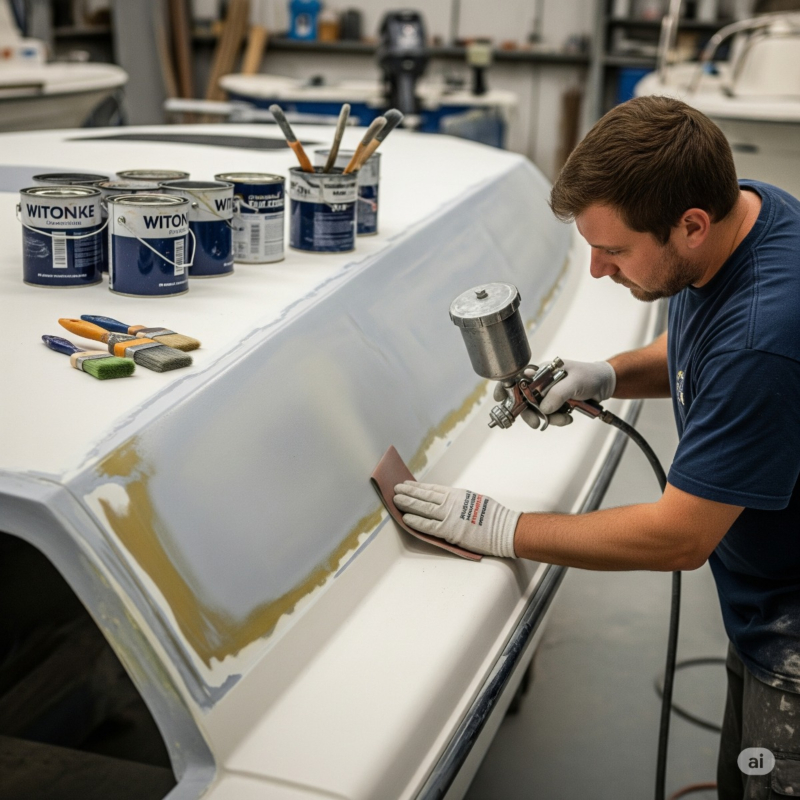
Hull damage repair after a collision or grounding starts with an inspection inside and out, often with the boat hauled, to find every crack, gouge and soft area in the laminate. Damaged fiberglass is ground back, rebuilt in layers, faired and finished to match the surrounding surface, and the running gear is checked for bends and vibration. Storm damage repair tends to be broader: chafed rails and cleats, torn canvas, broken windows, water in the cabin and wet wiring or electronics. Any water inside should be dried out quickly, before upholstery and connections start to suffer.
Getting warranty repairs approved
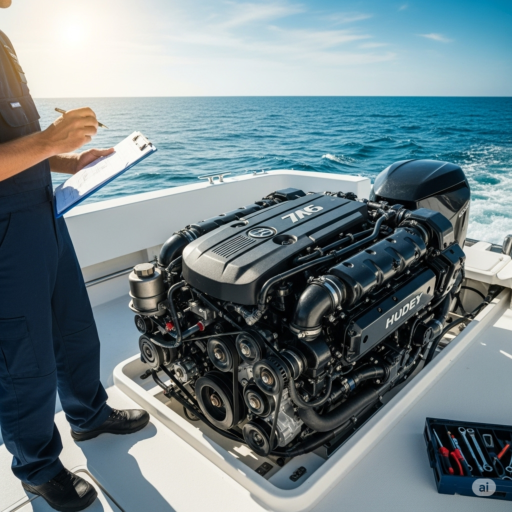
Boat warranty coverage is usually split between several parties. The builder covers the hull and structure, engine manufacturers cover engines and drives, and components such as generators or electronics carry their own terms. Check how long each warranty lasts, whether it transfers to a second owner and what maintenance you have to prove.
Before any boat warranty work starts, contact the provider, describe the fault and ask whether the repair needs prior approval or has to be done by a specific dealer. Report problems as soon as they appear, because a warranty claim filed long after the first symptoms, or after the owner has tried a fix, can be harder to approve.
Documents to keep ready
- Your policy and declarations page, including the deductible and any agreed-value terms.
- The hull identification number (HIN) and the serial number of each engine.
- The bill of sale, registration and warranty registration.
- Service invoices and a dated log of oil changes, impellers and other scheduled work.
- Every email, letter and claim number from the insurer or warranty provider.
When to bring in a repair technician
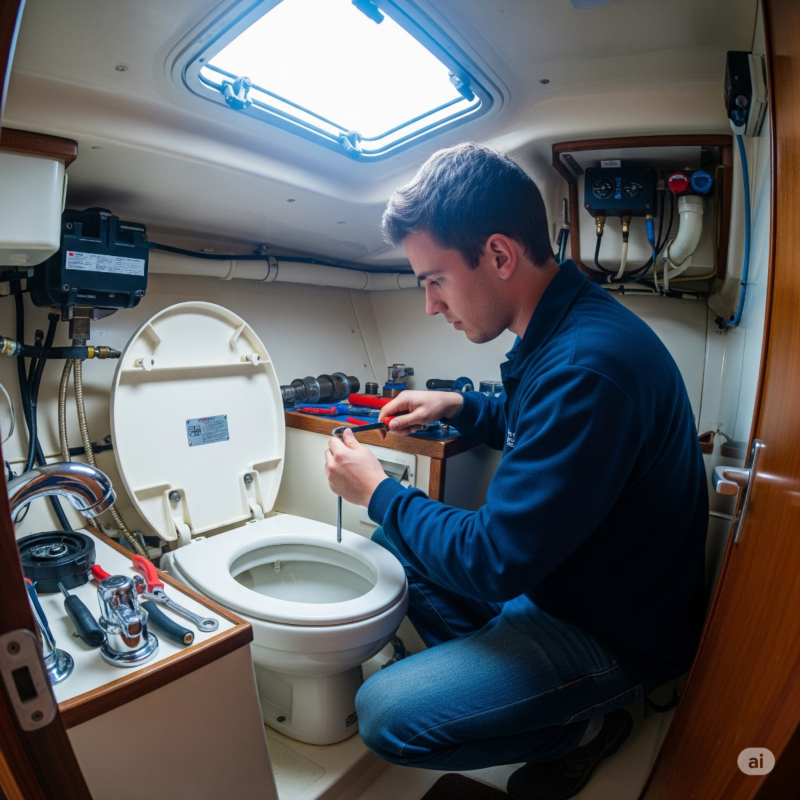
An owner can handle the photos, the phone calls and basic protection of the boat. A marine technician is worth involving early when water is coming in, when an engine or electrical system was exposed to salt water, when you suspect hidden structural damage or when the insurer asks for an estimate you cannot prepare yourself. If your boat is in the Long Beach, Los Angeles or Orange County area, our insurance and warranty repair service can help with both the repair work and the paperwork that comes with it.
Claims and Warranty FAQ
Can I choose my own repair shop for an insurance claim?
Many policies let the owner choose, although the insurer may want to review the estimate or send a surveyor to agree on the scope first. Check your policy wording before work starts.
Can a warranty claim be denied if I skipped maintenance?
It can, if the provider decides that the missed service caused or contributed to the failure. Keeping dated records of oil changes, impeller replacements and other scheduled work is the simplest way to show the boat was looked after.
Does insurance cover damage that develops slowly?
Usually not. Gradual problems such as osmotic blistering, corrosion or a slow leak are typically treated as wear or maintenance rather than a sudden loss.