A carburetor is one of the simplest parts on a gasoline marine engine, yet it causes a large share of hard starts, rough idles and stumbles off the dock. When a carb has been neglected for a season or two, cleaning spray and a new fuel filter rarely bring it back. A proper marine carburetor rebuild takes the unit completely apart, cleans every passage, replaces the wear items and sets it up again on the bench before it goes back on the engine. This guide walks through what that job involves, how to tell whether your carb needs one, and what you can check yourself first.
Why Boat Carburetors Fail Faster Than Car Carburetors
Boat carburetors live in a harsh environment. Most boats sit for weeks between trips, so fuel evaporates in the float bowl and leaves varnish behind. Ethanol-blended gasoline absorbs moisture from the humid marine air, and that water settles in the bowl where it corrodes brass and aluminum. Salt air attacks linkages, and engine heat boils fuel out of the bowl after shutdown. The result is gummed jets, stuck needles, hardened gaskets and worn accelerator pump seals.
Common symptoms
- Hard starting after the boat has been sitting, especially when the engine is warm
- A rough or hunting idle that no amount of screw adjustment fixes
- Hesitation or a bog when you push the throttle forward
- Fuel smell in the bilge or engine box, or fuel wetting the outside of the carb body
- Black smoke and sooty plugs (running rich) or popping back through the carb (running lean)
- Stalling when you shift into gear at the dock
What the Rebuild Involves, Step by Step
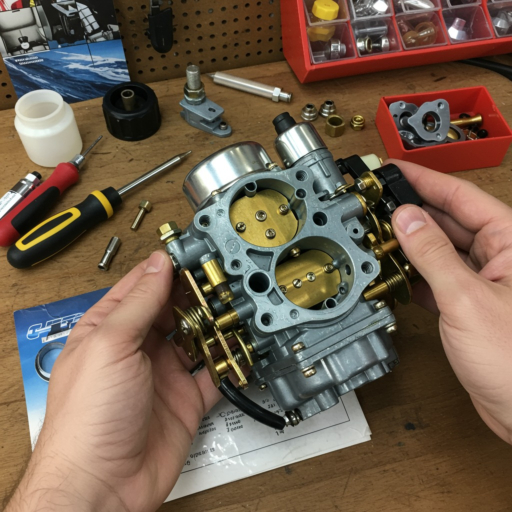
A thorough job is bench work, not a quick spray-down in the engine box. A professional marine carburetor rebuild service typically follows this sequence.
1. Inspection before teardown
The technician checks the throttle shaft for play, looks for cracked castings, stripped threads and signs of previous backfire damage, and notes the existing jet sizes and settings. Worn throttle shaft bushings let in unmetered air that no cleaning can fix.
2. Full disassembly and ultrasonic cleaning
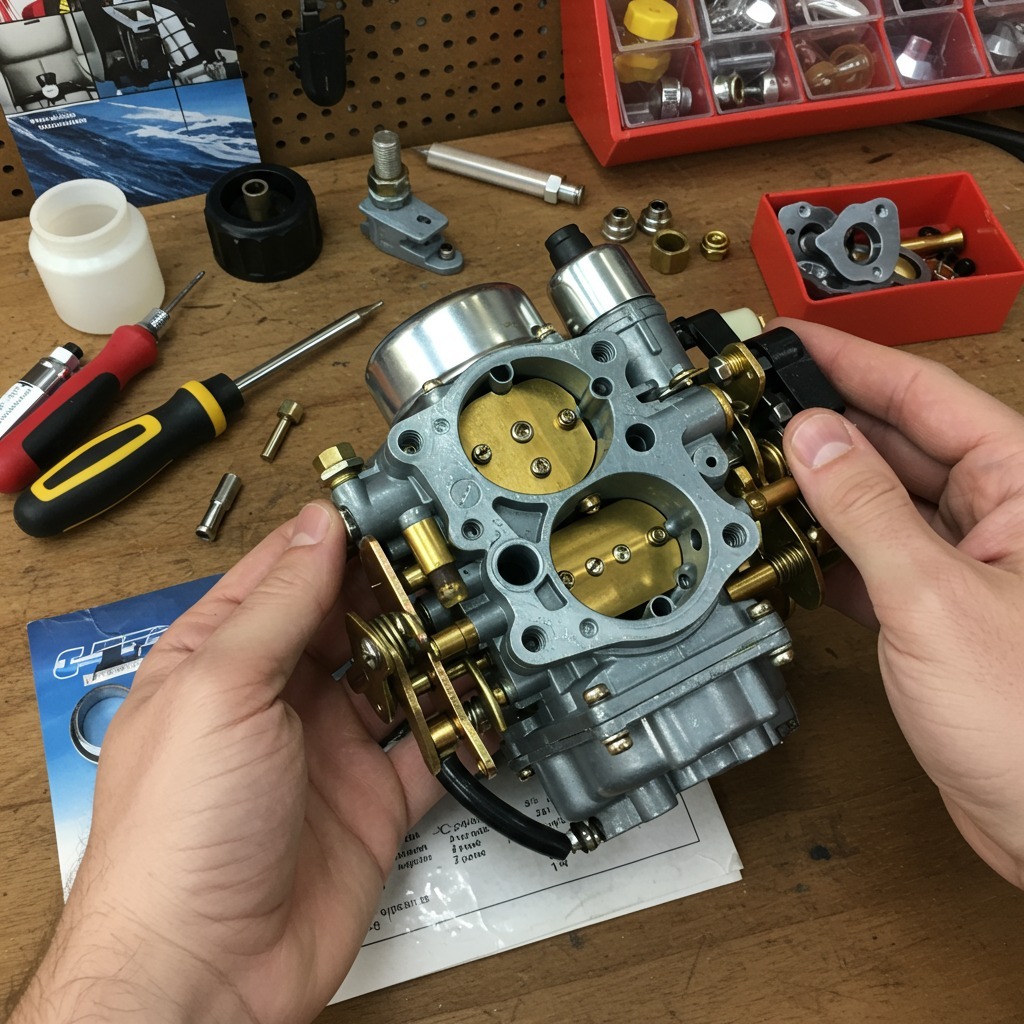
Every jet, needle, float, gasket and check ball comes out. The bare castings then go into a heated bath for ultrasonic cleaning, where high-frequency vibration lifts varnish and corrosion out of internal passages that a wire or aerosol can never reach. After the bath, passages are blown out with compressed air and inspected by eye.
3. New wear parts
A quality kit replaces gaskets, the needle and seat, the accelerator pump diaphragm or cup, and O-rings with ethanol-resistant materials. Floats are checked for fuel saturation or leaks, and jets are replaced if they have been damaged by improper cleaning with wire or drill bits.
4. Bench setup and tuning
Float level and drop, accelerator pump travel, choke pull-off and idle mixture screws are set to specification before reinstallation. On multi-barrel designs such as the Rochester Quadrajet, common on older V8 stern drives, the secondary air valve and metering rods also need careful attention. Once installed, the carb is tuned with the engine at operating temperature and checked under load on the water.
Rebuild or Replace?
Many owners wonder whether a new carburetor is the better buy. A boat carburetor rebuild usually makes sense when the castings are sound, the throttle shaft is tight and the carb is the correct marine unit for the engine. Replacement is the better choice when the body is cracked or badly corroded, the throttle shaft is worn out, or someone has installed an automotive carburetor that lacks marine safety features such as vented bowls that drain back into the throat. Automotive carbs can spill fuel into the bilge, a real fire risk.
Outboards follow the same logic. An outboard carburetor rebuild service on a two-stroke or small four-stroke often focuses on the tiny pilot jets, which clog from even a small amount of varnish and cause poor idle and stalling.
What Owners Can Check Before Booking a Carburetor Service
- Confirm the fuel is fresh. Old gas causes symptoms that look exactly like a failing carb.
- Replace the water-separating fuel filter and look for water or debris in the old one.
- Check the flame arrestor for dirt or oil; a clogged arrestor makes the engine run rich.
- With the engine off and the blower run, look into the carb throat while working the throttle. You should see a squirt of fuel from the accelerator pump.
- Inspect the anti-siphon valve and fuel lines for kinks, cracks or softening.
Choosing Who Does the Work
Not every shop that works on cars understands marine fuel systems. Good marine carburetor rebuilders will ask about the engine model, how long the boat has been sitting and what fuel you use, and they will set the carb up for marine operating conditions rather than road use. They should also check ignition timing, fuel pressure and the anti-siphon valve, because a freshly rebuilt carb cannot compensate for problems elsewhere in the fuel or ignition system. When the whole system is looked at together, boat carburetor repair becomes a lasting fix rather than a temporary one.
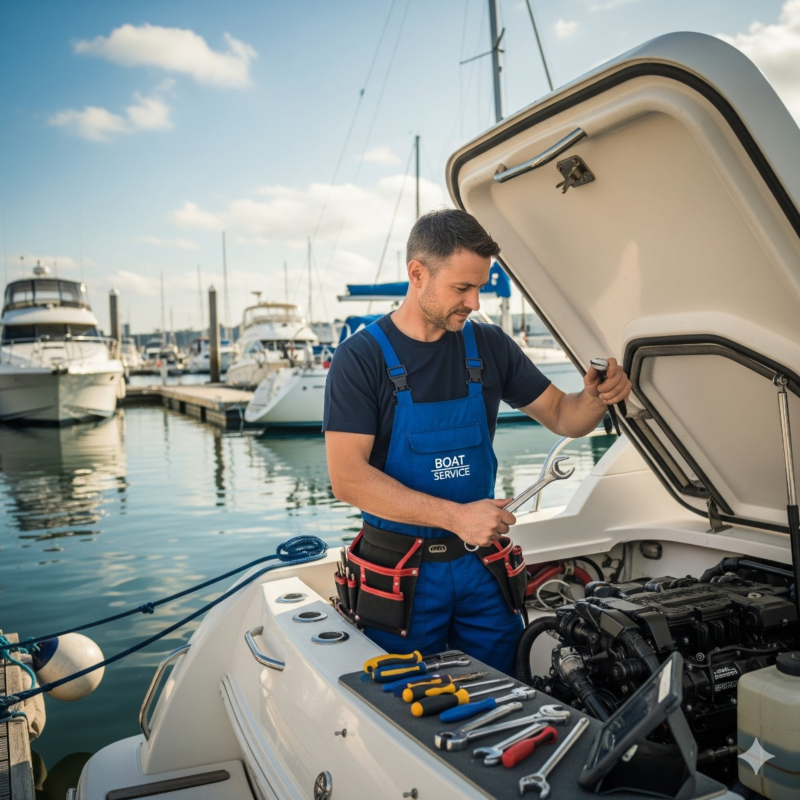
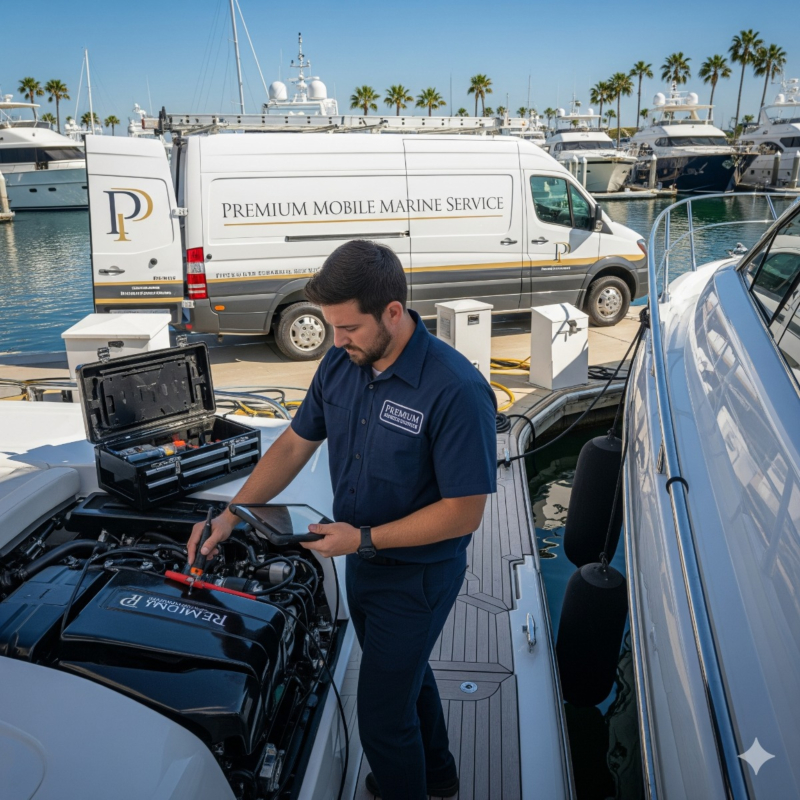
If your engine is showing the symptoms above, our carburetor rebuild and tuning service covers teardown, cleaning, new parts and on-the-water tuning without the boat needing to leave its slip.
Carburetor Rebuild FAQ
How often does a carburetor on a boat need rebuilding?
There is no fixed interval. Boats that are used often with fresh, stabilized fuel can go many seasons, while boats that sit for months with untreated ethanol fuel may need attention every couple of years. Symptoms, not the calendar, are the best guide.
Can I just use carb cleaner spray instead?
Spray can loosen light deposits at the throat, but it cannot reach internal idle circuits, emulsion tubes or float bowl passages. If the engine has been sitting with varnished fuel, spray usually buys a few runs at best.