

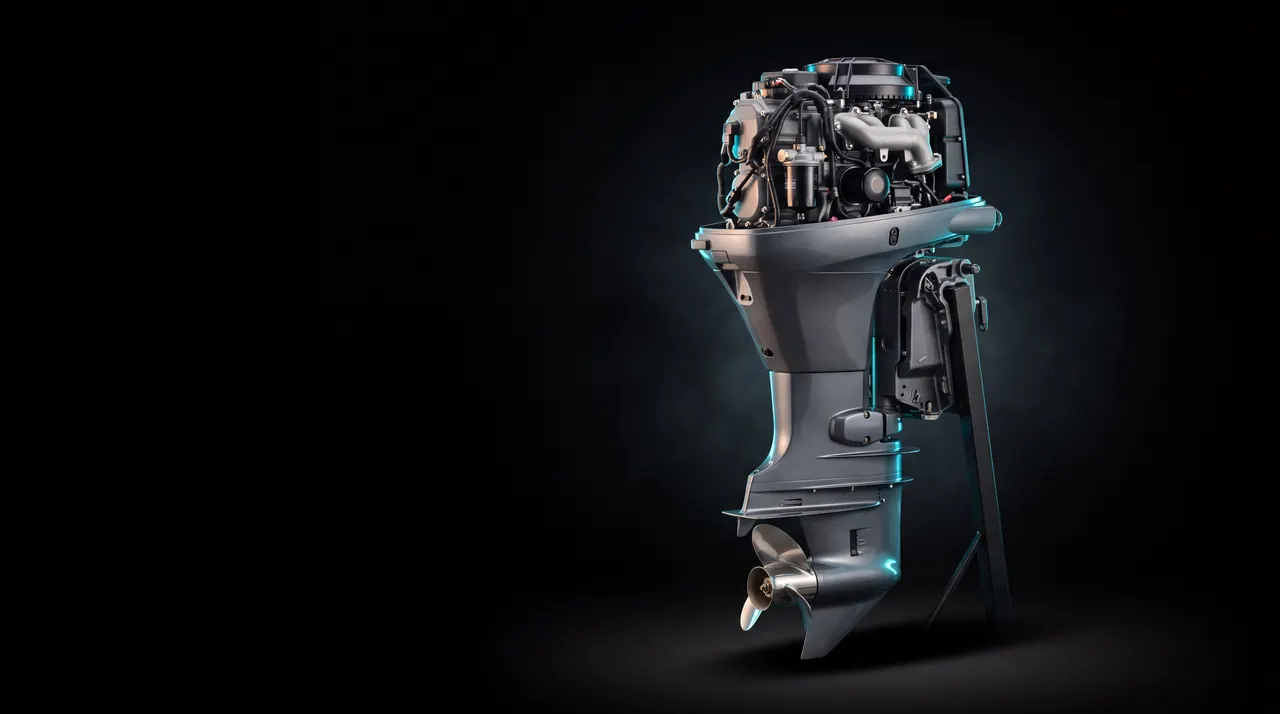

Circulation Pump Replacement
Labor estimate Usually 2–4 hours
Book sends us a ticket; nothing is charged online. Before any work you get a written estimate for labor, parts and the trip fee, and nothing is done without your OK.
Trip fee By distance, one way: $30 in San Pedro, $50 in Long Beach
- San Pedro$30
- Wilmington, Terminal Island$40
- Long Beach: Shoreline, Rainbow Harbor$50
- Long Beach Marina, Alamitos Bay$60
- Redondo Beach$60
- Seal Beach, Huntington Harbour$75
- Marina del Rey$85
- Newport Beach$110
Farther away: $25 plus $2.50 a mile, one way from our San Pedro shop. No trip fee when the boat comes to our shop, or for plan members. The work of a visit is at least $150; the trip fee is on top.
- Registered in California
- Breeze Marine Boat Service LLC, San Pedro
- Where we work
- At your slip from Marina del Rey to Newport Beach, or in our San Pedro shop
- Questions first
- (562) 542-7296 or submit a ticket
About this service
Core Engine
Protection.
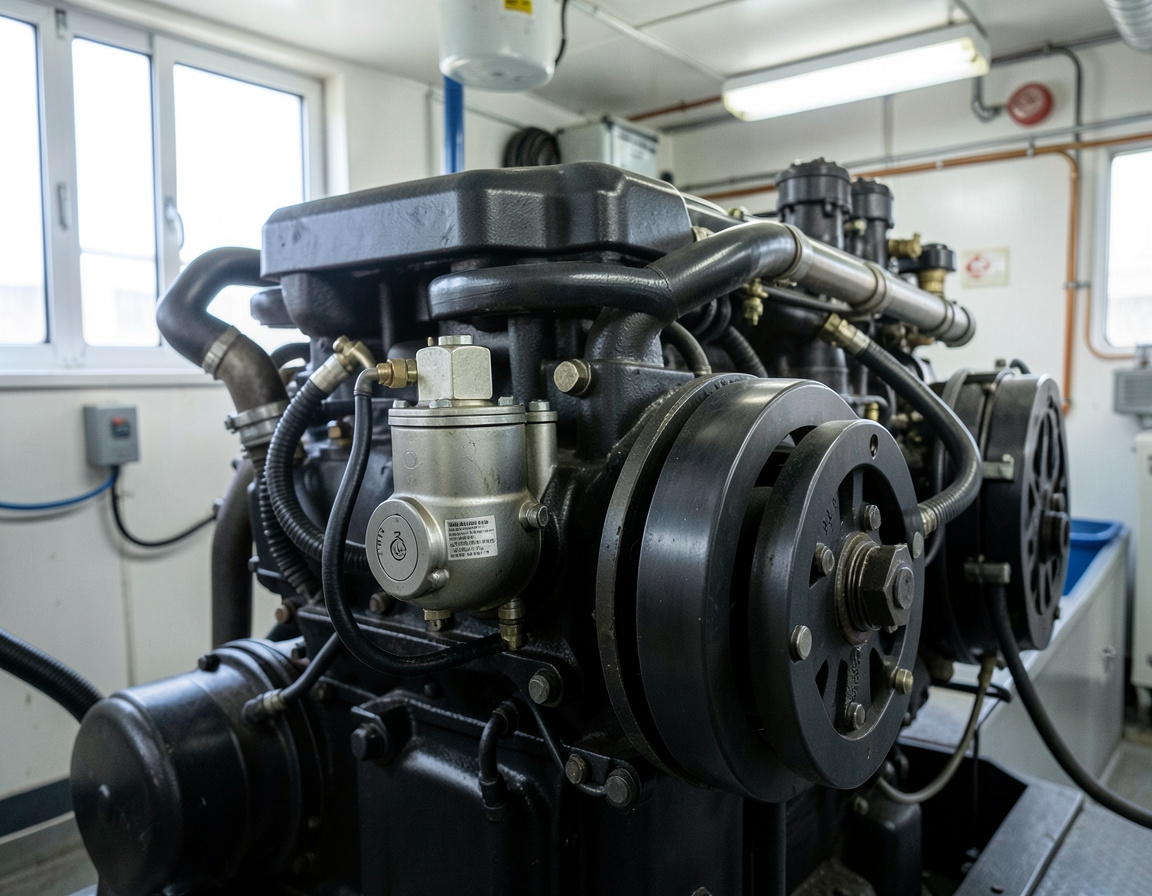
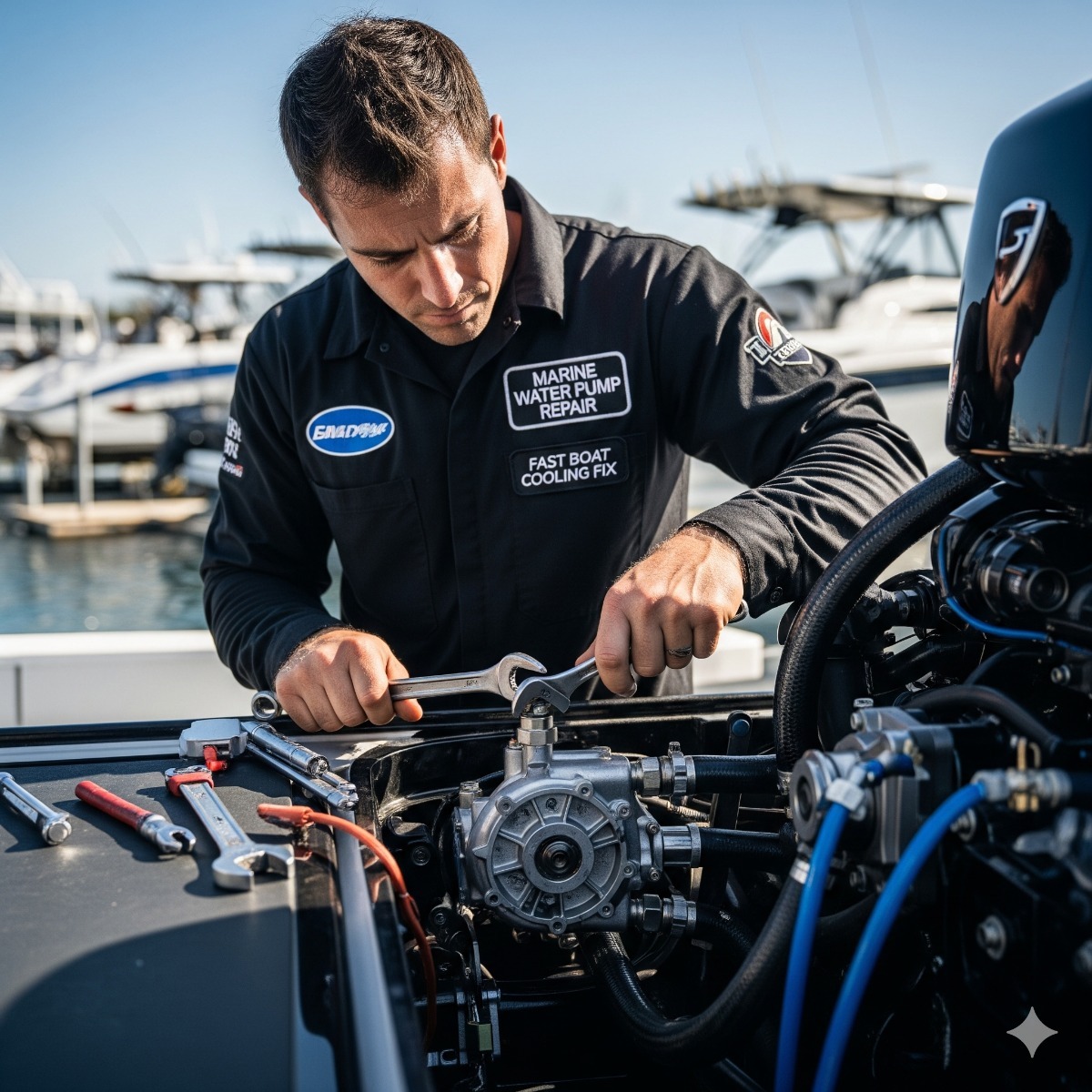
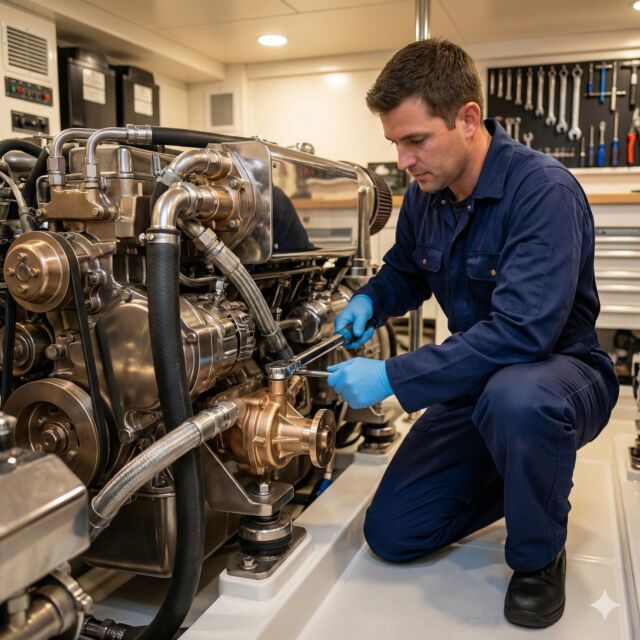
The circulation pump is the heart of your engine's closed-loop cooling system. When bearings whine or coolant weeps, we replace the entire unit with heavy-duty marine OEM parts to restore reliable coolant circulation.
Marine-Grade Materials
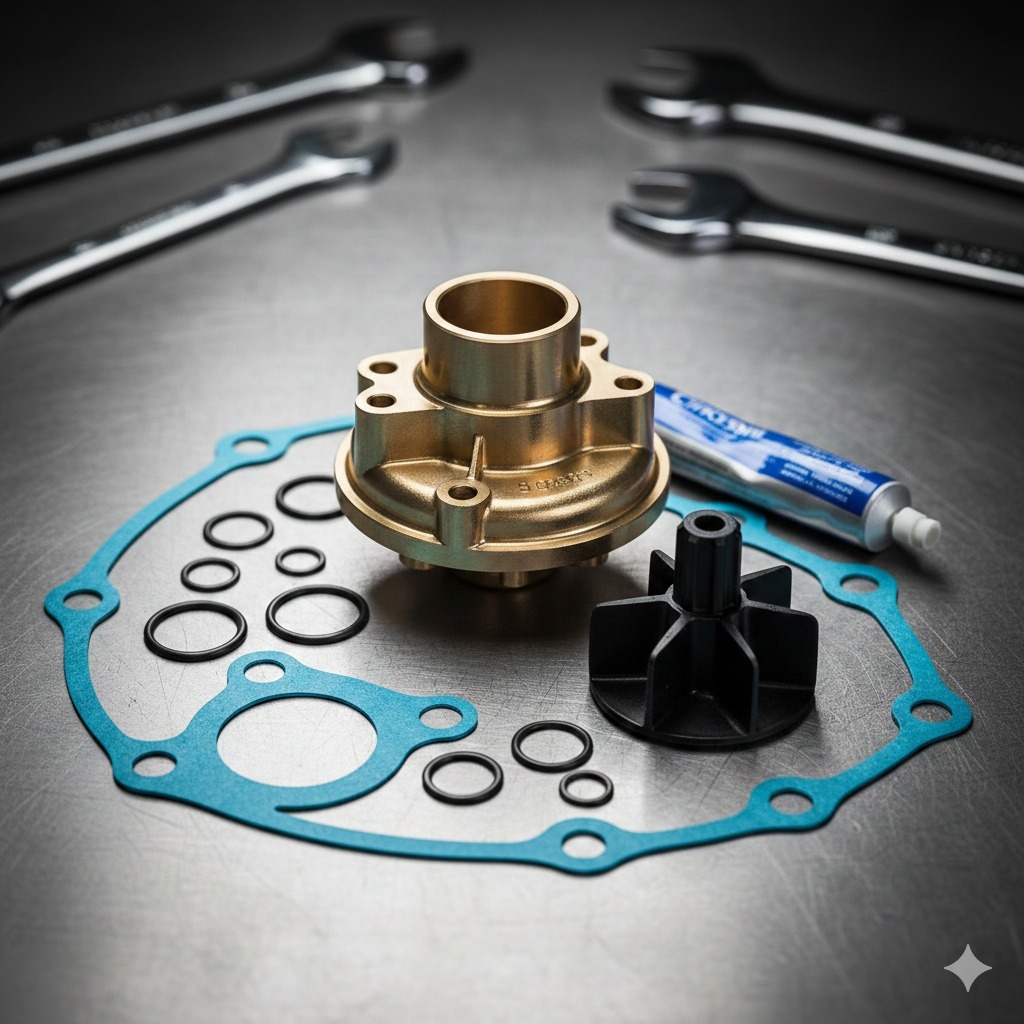
Automotive pumps look similar to marine water pumps but use steel backing plates that rust out in marine environments. We install true marine circulation pumps featuring brass impellers, bi-directional capability, and stainless steel backing plates.
Leak & Bearing Prevention
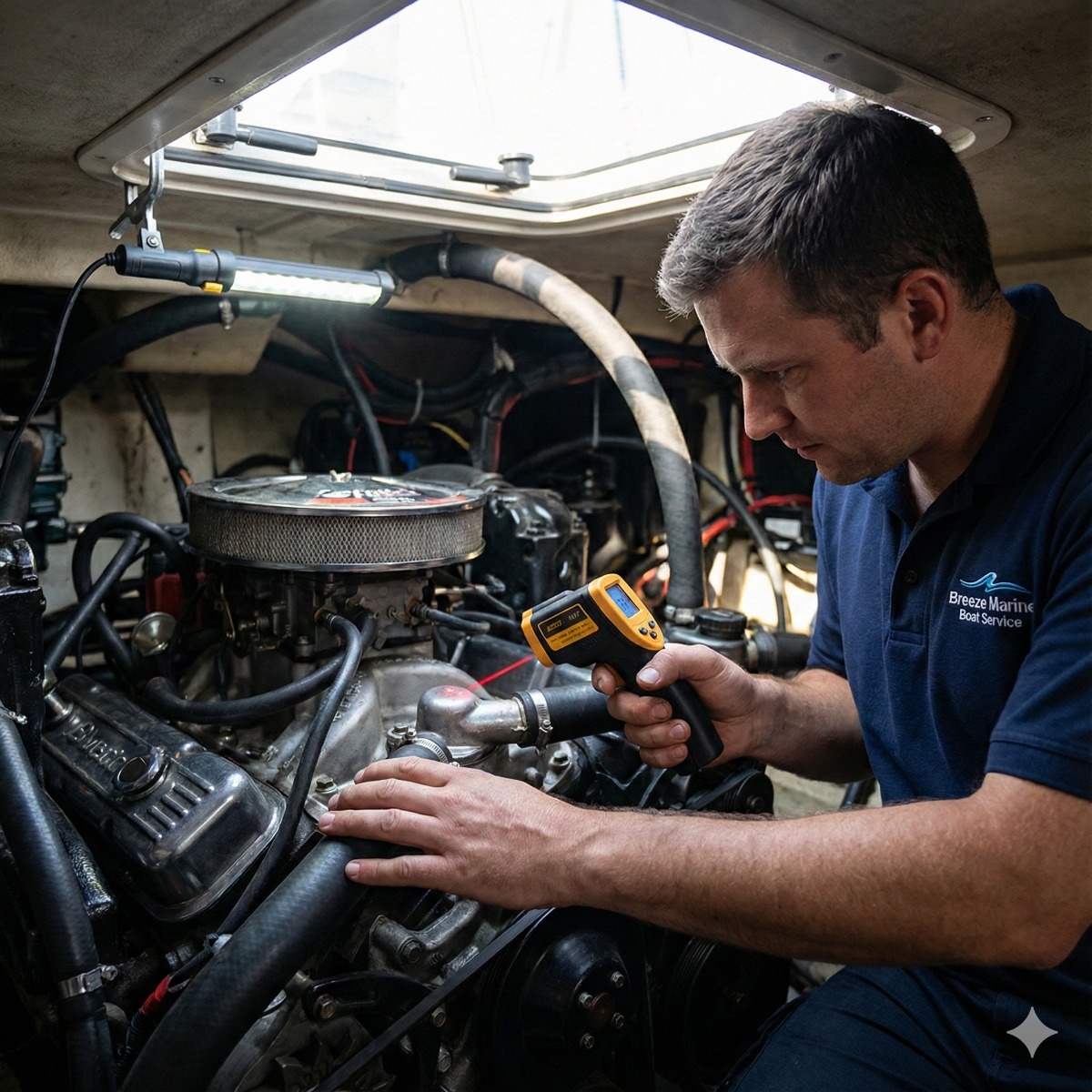
A sweet coolant smell in the engine room or a high-pitched squeal from the front pulley are common signs of a leaking seal or a worn bearing. We replace the pump before a failure leaves you stranded or dumps coolant into the bilge.
Proper Gasket Sealing
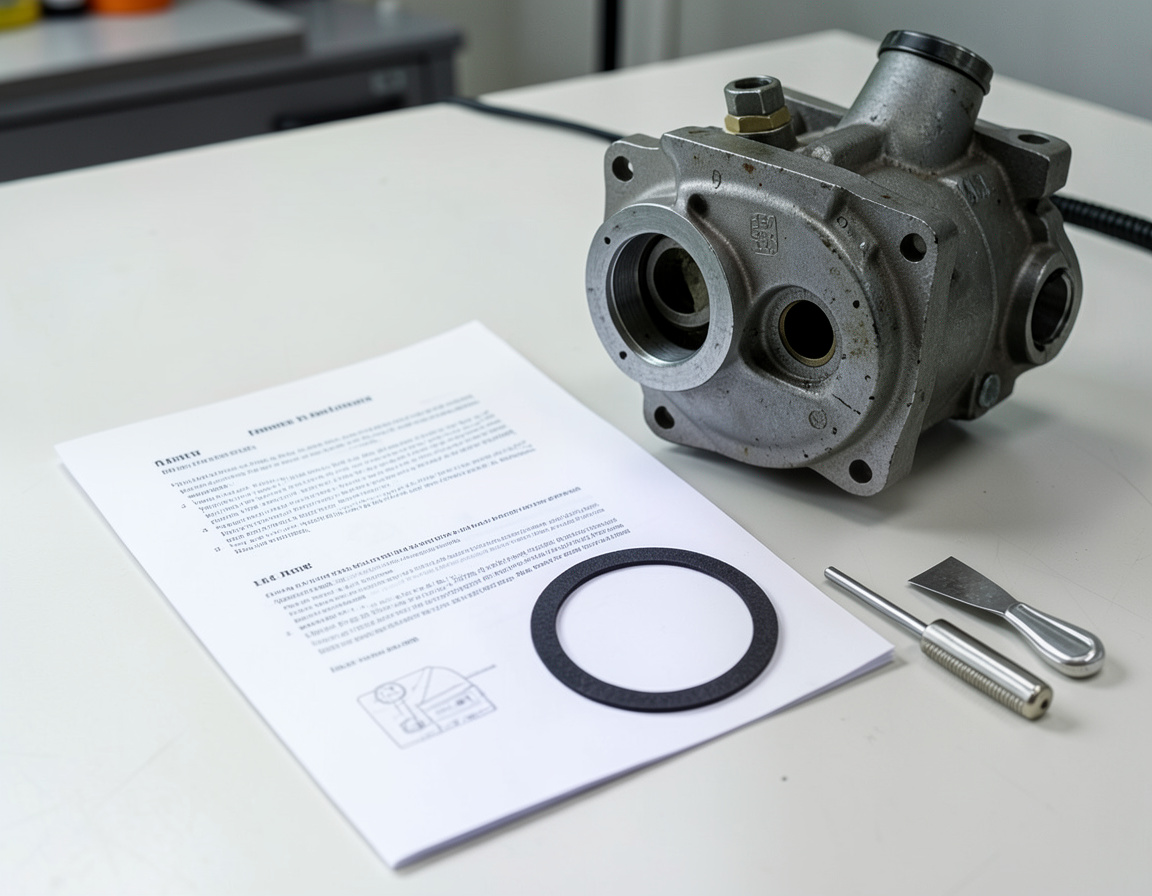
A poor seal leaks right away. We carefully scrape and clean the engine mounting surface and use OEM gaskets and marine-rated sealant for a lasting seal.
The Replacement Process.
Clinical precision.
Fluid Recovery
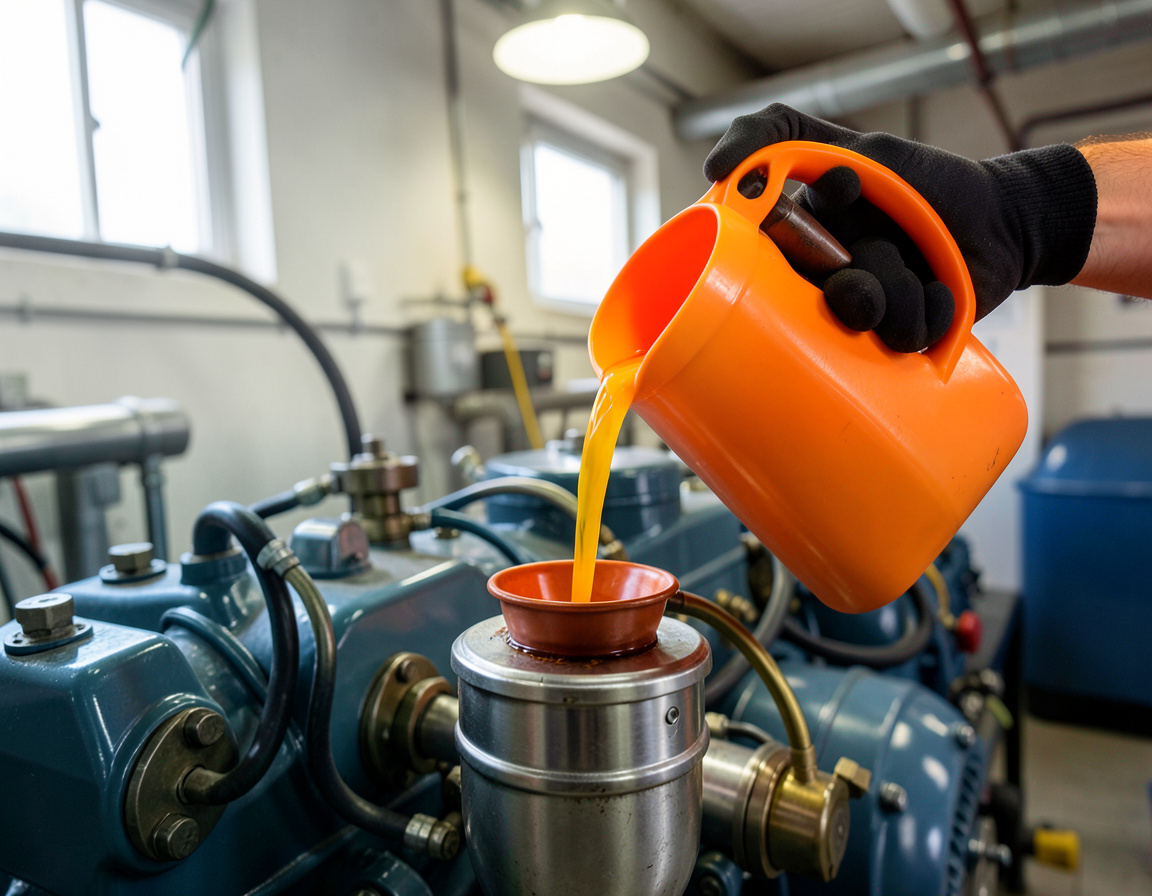
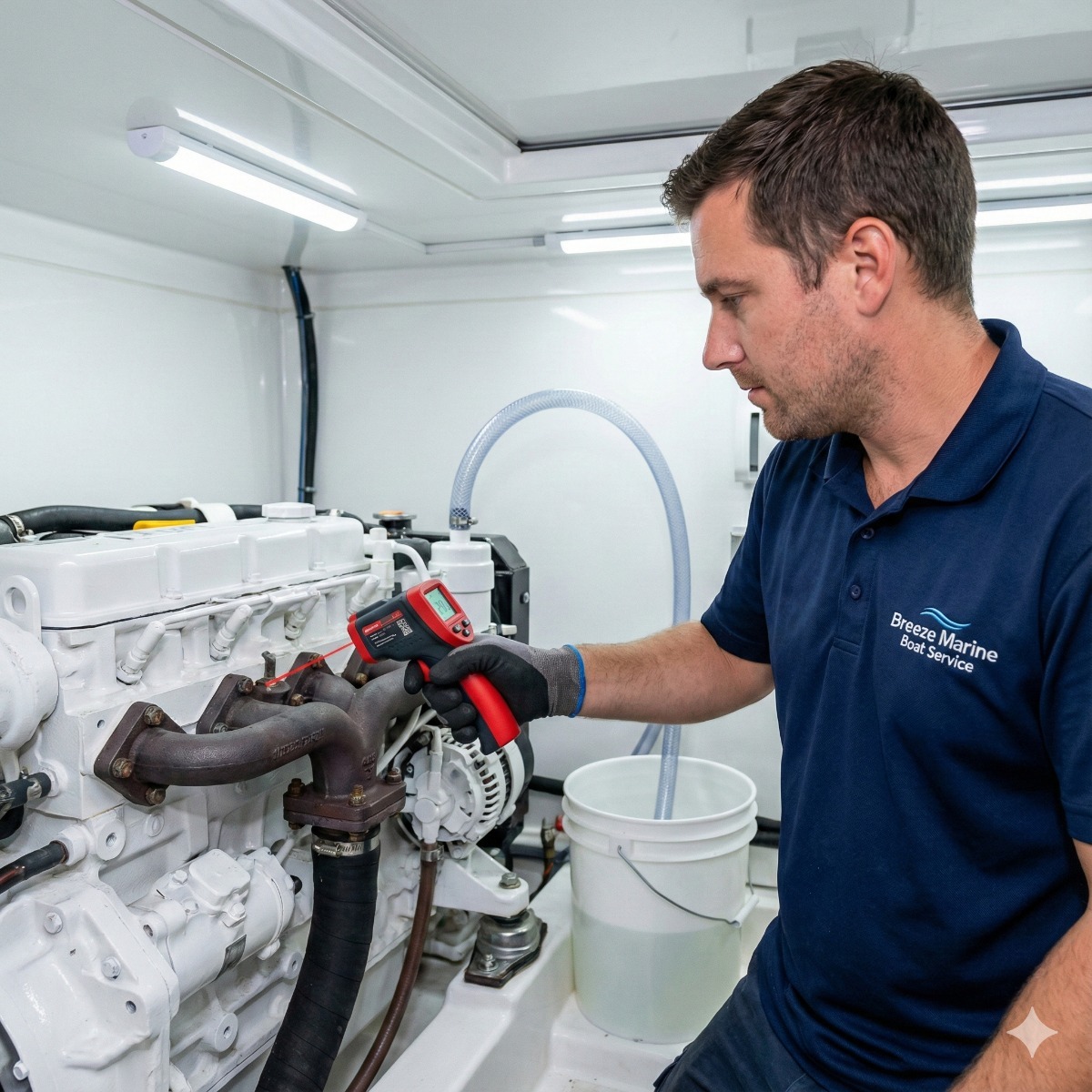
We begin by safely draining the closed-loop cooling system, capturing the old antifreeze to prevent any toxic discharge into your bilge or the marina.
Belt & Pulley Removal
The serpentine or V-belts are removed, followed by the circulation pump pulley. We inspect all belts and tensioners for wear during this stage.
Surface Preparation
The old pump is unbolted. The critical step is removing all baked-on gasket material from the engine block, leaving a clean, flat mating surface.
Install & Air Bleed
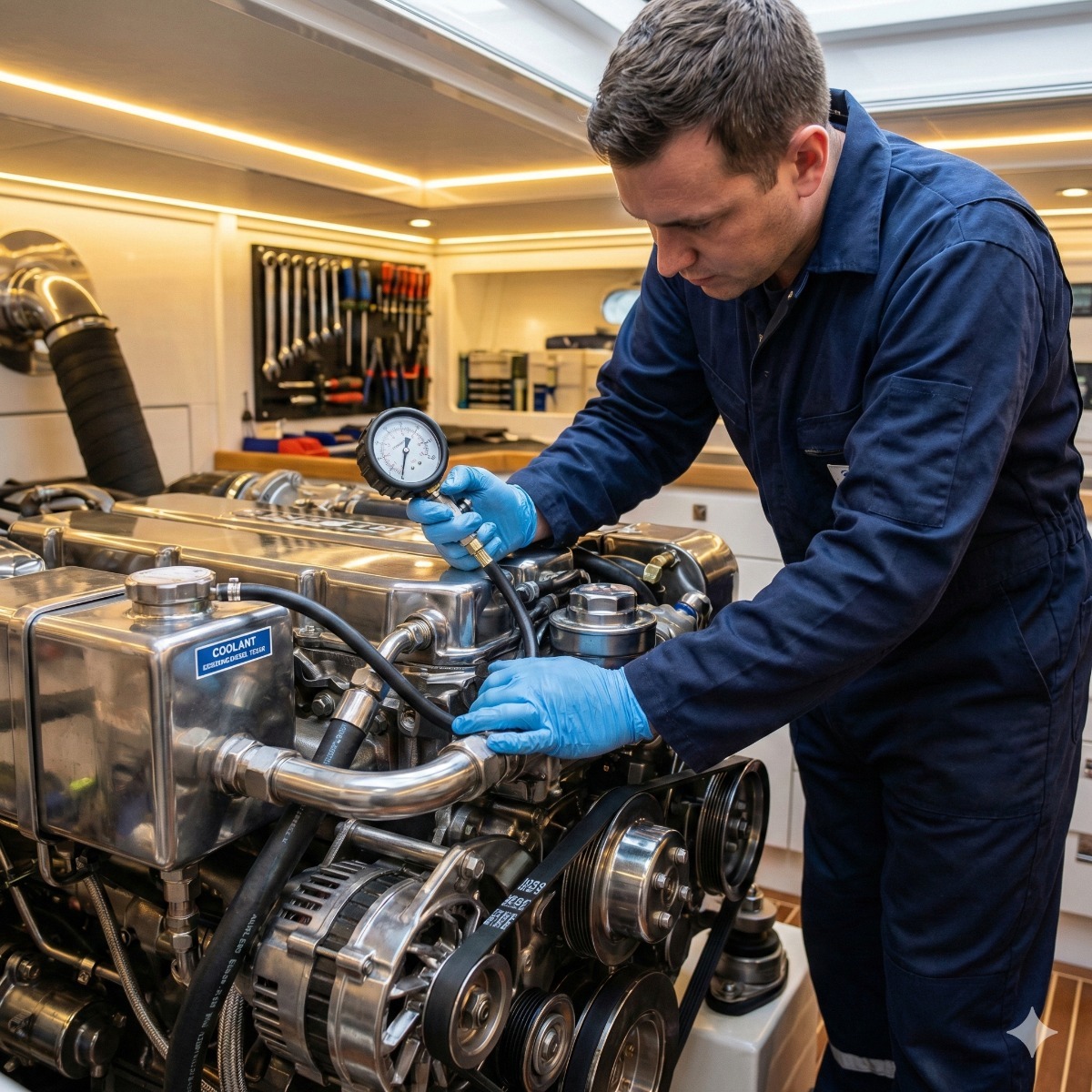
The new pump is torqued to OEM specs. The system is refilled with the coolant your engine maker specifies, and the engine is run to "burp" the system, eliminating dangerous airlocks.
System Components.
No automotive compromises.
Technical Specs.
Installation standards.
Common Questions
What's the difference between this and the raw water pump?
The raw water pump pulls saltwater from the ocean to cool the heat exchanger. The circulation pump (freshwater pump) moves antifreeze through the engine block itself. If the circulation pump fails, the engine block overheats directly.
Can I just buy a cheaper car water pump?
Absolutely not. Automotive pumps use stamped steel impellers and backing plates that corrode rapidly in a damp marine engine room. Marine pumps use brass/bronze components and corrosion-resistant coatings that hold up in a marine engine room.
Reviews 1
Questions 6

Related Posts
-


 Signs a marine circulation pump is failing, why it is different from the raw water pump, what owners can inspect and what a proper replacement and coolant bleed involve.