
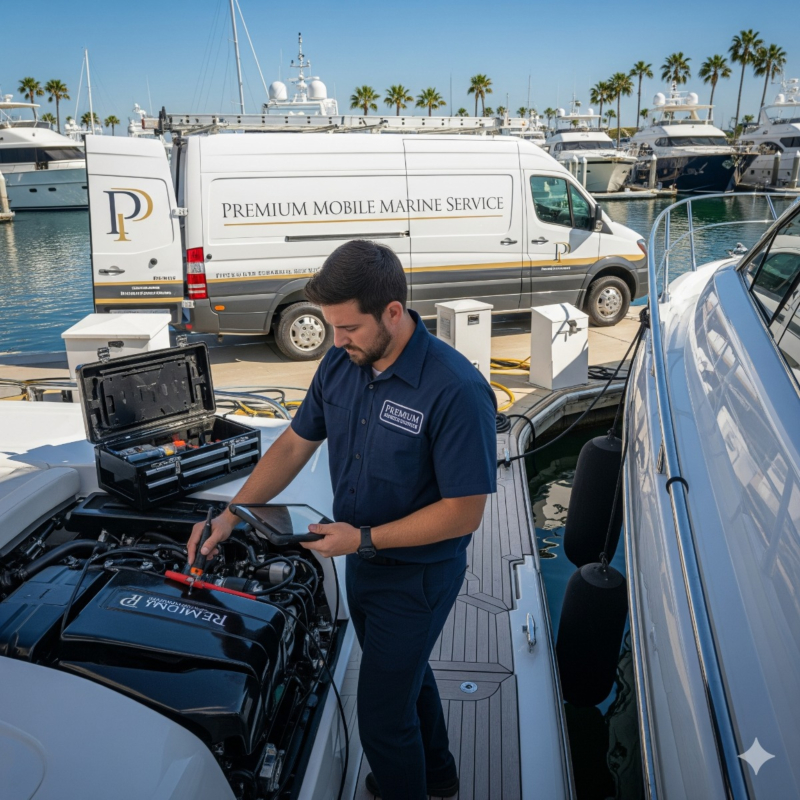
Everything is loaded, the weather is perfect, and the engine will not fire. When a boat won't start, the temptation is to keep cranking and hope. That usually drains the battery, floods a carbureted engine or overheats the starter. A calm, logical sequence works far better. Every engine needs the same basic ingredients to run: enough electrical power to crank, fuel in the right amount, a spark at the right time and adequate compression. Checking them in order narrows the problem quickly.
First, Decide Which Problem You Have
Start by noticing exactly what happens when you turn the key or press the start button. There are two very different situations:
- No crank. Silence, a single click or a rapid clicking. The starter is not turning the engine, so the fault is in the starting circuit.
- Crank, no start. The engine turns over but won't start. The starting circuit is working; the missing ingredient is usually fuel or spark.
When There Is No Crank
A no crank condition is most often electrical. Work through these checks:
- Battery switch. Confirm it is on and set to the correct bank.
- Kill switch lanyard. Outboards and many sterndrives will not crank or run if the kill switch clip is missing or not seated. It is the most common cause of a sudden no-start.
- Neutral position. The boat neutral safety switch prevents starting in gear. If the lever is slightly out of neutral, or the switch is worn or misadjusted, nothing happens. Moving the lever firmly into neutral and trying again is worth a few seconds.
- Battery condition. Rapid clicking usually means low voltage. Check terminals for corrosion and tightness.
- Fuses and breakers. Many engines have a main fuse near the starter solenoid or in the engine harness.
A single solid click with good battery voltage points toward the solenoid, the starter itself or a heavy voltage drop in the cables. Measuring voltage at the starter terminal while cranking tells a technician which one.
When It Cranks but Will Not Fire
Fuel checks
- Confirm there is fuel in the tank, as gauges on boats are often inaccurate.
- Check that the fuel valve at the tank is open.
- On portable tanks and many outboards, squeeze the primer bulb until firm. A bulb that never firms up points to an air leak or a failed bulb.
- Inspect the water separating filter for water or debris.
- Check the tank vent is not blocked, which can create a vacuum that stops fuel flow.
On fuel-injected engines, listen for the fuel pump priming for a couple of seconds when the key is turned on. Silence suggests a pump, relay or fuse issue. A proper fuel pressure test with a gauge confirms whether the injectors are receiving enough pressure, something an owner cannot judge by sound alone.
Spark checks
Without the right tools, spark is harder to verify safely at the dock. A technician uses an inline spark tester to confirm each ignition coil is producing a strong spark. Wet, fouled plugs, corroded plug wires and failed sensors that trigger the ignition can all prevent firing.
Flooding
If you smell fuel strongly after repeated attempts, the engine may be flooded. Many engines have a clear-flood procedure, such as cranking with the throttle fully open. Check the owner's manual for yours.
Modern Engines and Fault Codes
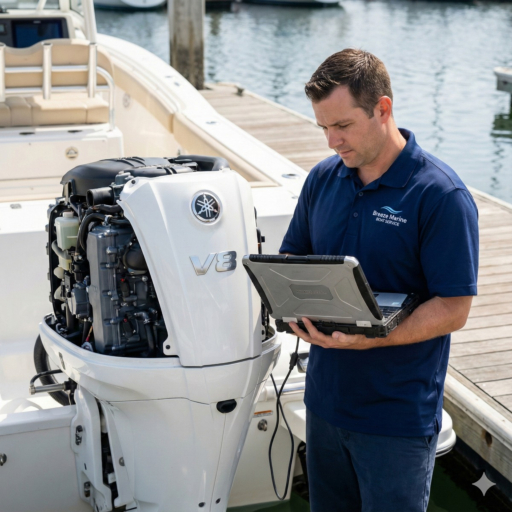
Most modern outboards and fuel-injected inboards are managed by a computer that logs fault codes when a sensor reading goes out of range. A failed crank position sensor, for example, can stop the engine from starting even though fuel and battery are fine. Reading those codes requires a compatible diagnostic interface, and the stored data often points straight to the fault instead of guessing through parts.
Why It Worked Last Week
Boats sit in a humid, salty environment. Corrosion can form on a ground connection in a short time, ethanol-blended fuel can absorb water and separate, and a small drain can flatten a battery. When an outboard won't start after sitting, stale or contaminated fuel and weak batteries top the list of suspects.
When to Call a Technician
Stop cranking and call for help if the starter smokes or gets hot, if you smell fuel in the bilge, if you hear grinding, or if you have worked through the basics without result. Never run a blower-equipped inboard without running the blower first. A mobile boat repair technician can test voltage, fuel pressure, spark and fault codes at the slip. Our emergency engine start troubleshooting service follows the same systematic approach so the actual cause is found and fixed.
No-Start FAQ
Why does my engine click but not crank?
Usually low battery voltage, corroded cables or a failing solenoid. Clean and tighten connections and check battery voltage first.
Can a bad kill switch stop the engine from starting?
Yes. A missing lanyard clip or a faulty switch will prevent cranking or running on most outboards and many sterndrives.
How long should I crank before stopping?
Crank in short bursts of a few seconds with a pause between attempts to protect the starter and battery.


