


A bump against a piling, a misjudged turn into a slip or a sandbar that was not where you expected can end a good day on the water in seconds. Once everyone is safe, most owners look over the side, see a scuffed rail or a few gelcoat cracks, and hope that is the end of it. Often it is not. Fiberglass hides impact energy well, and the damage that matters for safety and for a boat insurance claim is frequently below the surface. This guide explains what happens to a hull in a collision or grounding, what you can check yourself and what a proper boat damage estimate should contain.
What Happens to a Fiberglass Hull on Impact
A fiberglass hull is a laminate: layers of glass fabric and resin, often bonded to a core of foam or balsa, finished with a thin skin of gelcoat. When the hull takes a hit, the brittle gelcoat shows the first symptoms. The laminate underneath flexes, and if the load is high enough the layers can separate from each other or from the core. That separation, called delamination, does not always show on the outside.
Typical damage patterns depend on the incident:
- Docking impact: gelcoat cracks around the rub rail, bow and quarters, loose deck hardware and sometimes a cracked hull-to-deck joint.
- Collision with another boat or a piling: local crushing of the laminate, star-shaped cracks spreading from the point of impact, and stress cracks at bulkheads and stringers inside the boat.
- Running aground: a scraped or gouged keel and bottom, bent propeller blades, a bent shaft or strut, and damage to the lower unit on outboards and stern drives.
Hidden Hull Damage: Symptoms Worth Taking Seriously
Hidden hull damage often reveals itself in small ways over the following days. Watch for:
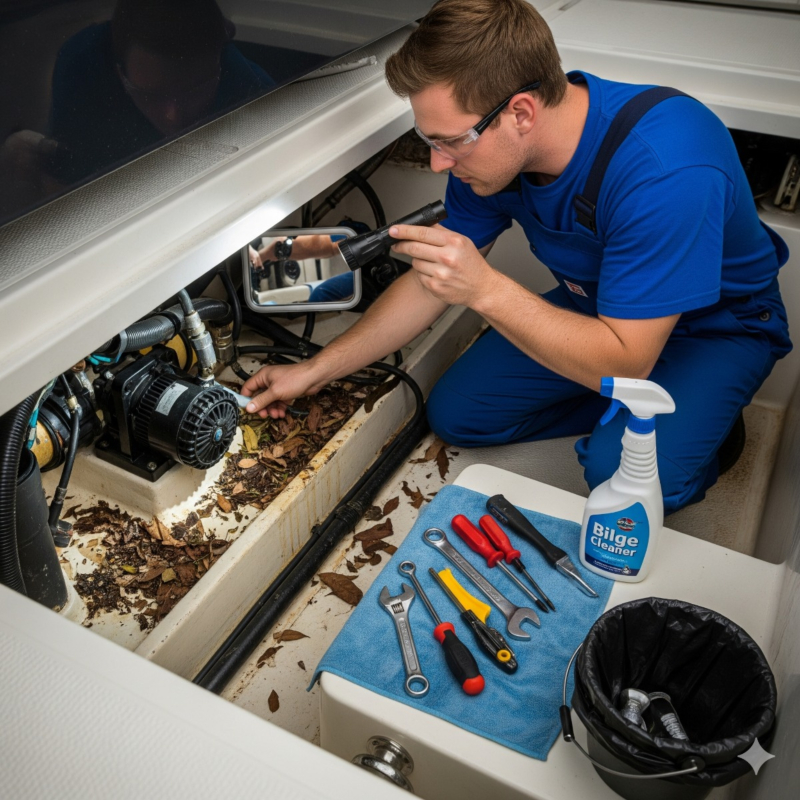
- New water in the bilge, or a bilge pump that cycles more often than before.
- Hairline cracks that grow, or cracks that run in a straight line along a stringer or bulkhead.
- Soft spots, or a dull, hollow sound when you tap the area with a plastic mallet.
- Vibration at cruising speed that was not there before, a common sign of running aground damage to the prop, shaft or strut.
Any of these deserve a professional look before the next run along the coast or out to Catalina.
What an Owner Can Check Right After the Incident
You do not need tools to make a useful first record, and a good record supports any boat repair insurance request later. While the details are fresh:
- Photograph the damage from several distances with something for scale, plus the other boat, dock or piling if one was involved.
- Note the time, location, tide and weather, and who was involved or watching.
- Open the bilge and lockers and look for water, cracked stringers or fittings that have moved.
- Check the propeller for nicks and bent tips, and note whether the engine sounds or vibrates differently.
- Report the incident to your insurer before any repair begins, and ask what they need from you.
Avoid grinding, filling or painting anything before the damage is assessed. Cosmetic touch-ups can hide exactly the evidence an adjuster needs to see.
What a Boat Damage Estimate Should Contain
An insurer pays for what is documented. A vague one-line quote invites questions and delays, while an itemized estimate lets the adjuster compare the damage with the incident line by line. A thorough boat damage estimate usually includes:
- A physical inspection, often out of the water, covering the hull, running gear and internal structure.
- Tap testing and moisture readings that map delamination and wet core beyond the visible crack.
- Separate lines for labor, materials, haul-out and any sublet work such as propeller repair.
- Mechanical findings, for example shaft alignment or a drive inspection after a grounding.
If you want one shop to handle everything from inspection to finished repair, see our collision damage assessment and insurance quotes service.
How Hull Damage Repair Is Done
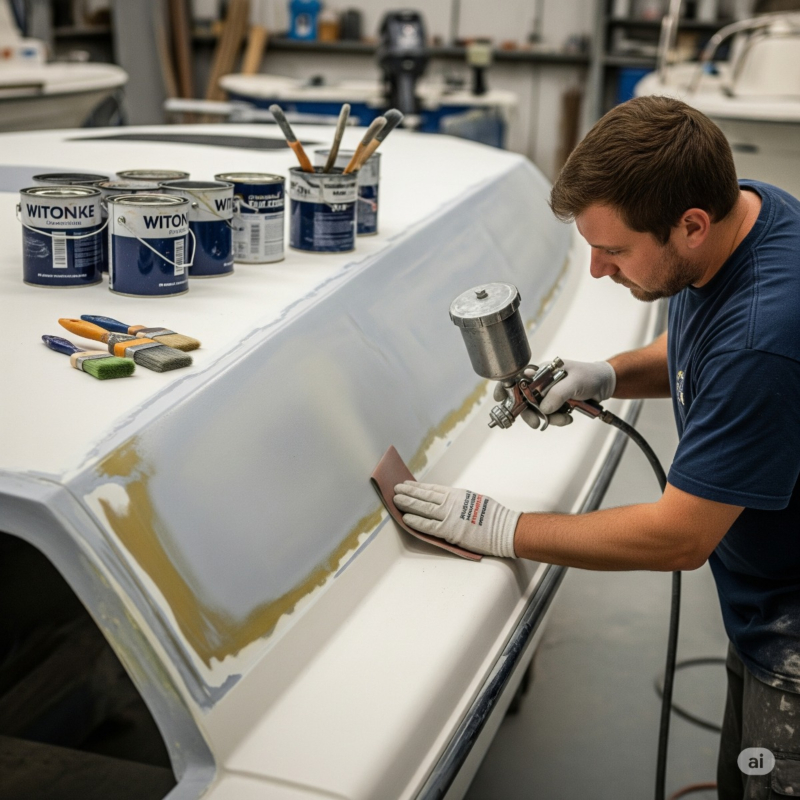
Proper fiberglass hull repair is more than filling a crack. The technician grinds out the damaged area until sound laminate is reached, tapers the edges so new glass can bond over a wide area, replaces wet or crushed core, and lays up new fiberglass to restore strength. Only then is the surface faired and finished with gelcoat or paint that matches the rest of the hull. Structural hull damage repair near stringers or bulkheads may also require work from inside the boat. After a grounding, bent props, shafts or struts are repaired or replaced and realigned.
When to Call a Technician
Call a professional if water is entering the boat, if there is any crack below the waterline, if the hull sounds hollow near the impact or if you feel new vibration underway. It also pays to plan boat collision repair early for insurance reasons: many policies expect prompt reporting and reasonable steps to prevent further damage, so a boat that keeps taking on water at the slip can turn a simple claim into a disputed one.
Boat Collision FAQ
Can a small gelcoat crack really mean structural damage?
Yes. Gelcoat is thin and brittle, so it cracks easily, but a crack can also be the only visible sign of delamination underneath. Tap testing and moisture readings around the crack show whether the damage stops at the surface.
Should I repair the boat before the insurer sees it?
Only to prevent further damage, such as pumping out water or covering an opening. Leave permanent repairs until the damage is documented and your boat insurance claim has been reviewed, and keep receipts for any emergency work.
Does running aground always damage the propeller shaft?
No, but a hard grounding can bend a shaft or strut without obvious signs. New vibration, noise or a hot shaft seal after a grounding are good reasons to have the running gear checked before normal use.