



An oil analysis report can look intimidating at first: columns of element symbols, numbers in parts per million and a few flags in red or yellow. Once you understand what each section measures, the report becomes one of the most useful tools for understanding what is happening inside an engine, transmission or generator without taking anything apart.
What oil analysis actually measures
Marine oil analysis is a laboratory test of a small oil sample. Most reports have three main parts: wear metals, contaminants and oil condition. The lab uses spectrographic oil analysis to measure tiny dissolved or suspended metal particles, reported in parts per million, along with additional tests for water, fuel, soot and viscosity. The goal is to spot changes early, before they become audible, visible or expensive.
Wear metals and where they come from
Wear metals are the heart of the report. Each metal points toward particular components, although the exact source depends on engine design:
- Iron: cylinder liners, crankshaft, camshaft, gears and rust.
- Aluminum: pistons, some bearings and housings.
- Chromium: piston rings and some plated parts.
- Copper: bearings, bushings and oil coolers. A spike after a new cooler can be normal.
- Lead and tin: bearing overlays, typically main and rod bearings.
- Silicon: dirt and dust entering through the air intake, though some oil additives and sealants contain silicon too.
A single number means little on its own. What matters is how it compares with the lab's typical range for your engine type and with your previous samples.
Contaminants: coolant, fuel and water
The contaminant section tells you what is getting into the oil that should not be there.
- Coolant: sodium, potassium and glycol can indicate coolant leaks from a head gasket, oil cooler or cracked component. Coolant in oil destroys bearings quickly.
- Fuel dilution: thins the oil and reduces its protection. In a diesel oil analysis it may point to leaking injectors or excessive idling; in gasoline engines it can indicate rich running or short runs that never fully warm up.
- Water: can come from condensation, a leaking heat exchanger or raw water intrusion. It encourages rust and sludge.
- Soot: normal in diesels in small amounts, but high levels suggest poor combustion or extended oil intervals.
Oil condition
This section shows whether the oil itself is still doing its job. Viscosity compares the sample with the grade you use; oil that has thinned or thickened too much no longer protects properly. Oxidation and total base number (for diesel oils) show how much life remains in the additive package. These numbers help decide whether your oil change interval is appropriate, too short or too long.
Why trends matter more than single results
The real power of oil sample analysis comes from repetition. A first sample establishes a baseline. Later samples, taken at similar intervals and under similar conditions, show whether values are stable or rising. A slow, steady iron number might be completely normal for a particular engine, while a sudden jump in lead after years of stable readings is a clear warning. That is why taking samples at every oil change, not just once, gives the most useful information.
Taking a good sample
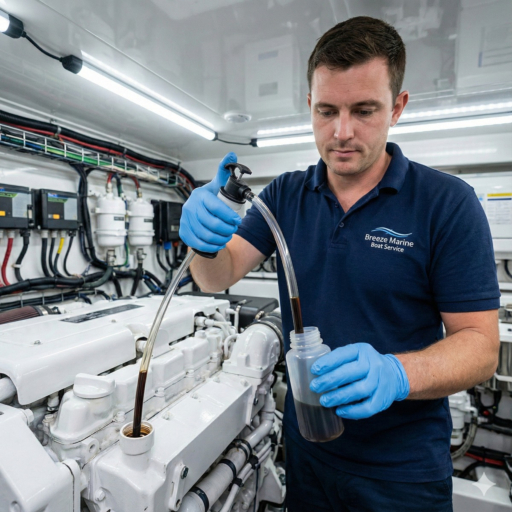
A poor sample produces misleading results. The engine should be at operating temperature so contaminants are suspended. The sample is drawn from the middle of the oil, typically through the dipstick tube with a clean vacuum pump, not from the bottom of a drain pan. Labels should record engine hours, hours on the oil, oil brand and grade, and any top-ups. The same approach applies to engine oil analysis, transmission oil analysis and generator samples.
What to do with a warning
A flagged result is not a reason to panic, but it is a reason to act. Common steps include resampling to confirm the result, shortening the next oil interval, inspecting the suspected system (such as pressure testing the cooling system for coolant contamination) and checking air intake filters for dirt ingress. Serious findings, such as rapidly rising bearing metals with coolant, call for a mechanical inspection before further running.
Using fluid analysis as part of maintenance
Regular fluid analysis works best alongside normal maintenance, not instead of it. It is especially valuable before buying a used boat, on high-hour diesels, and on generators that run for long periods. If you want samples drawn and interpreted, our oil sample analysis for engines, transmissions and generators explains how the process works.
Oil analysis FAQ
How often should I sample my engine oil?
At every oil change is ideal, because consistent intervals build a useful trend.
Can oil analysis replace a survey or compression test?
No. It complements them by revealing internal wear and contamination, but it does not measure compression or show external condition.
Is a single high reading a sign of failure?
Not necessarily. Resample and compare with previous results before drawing conclusions.


