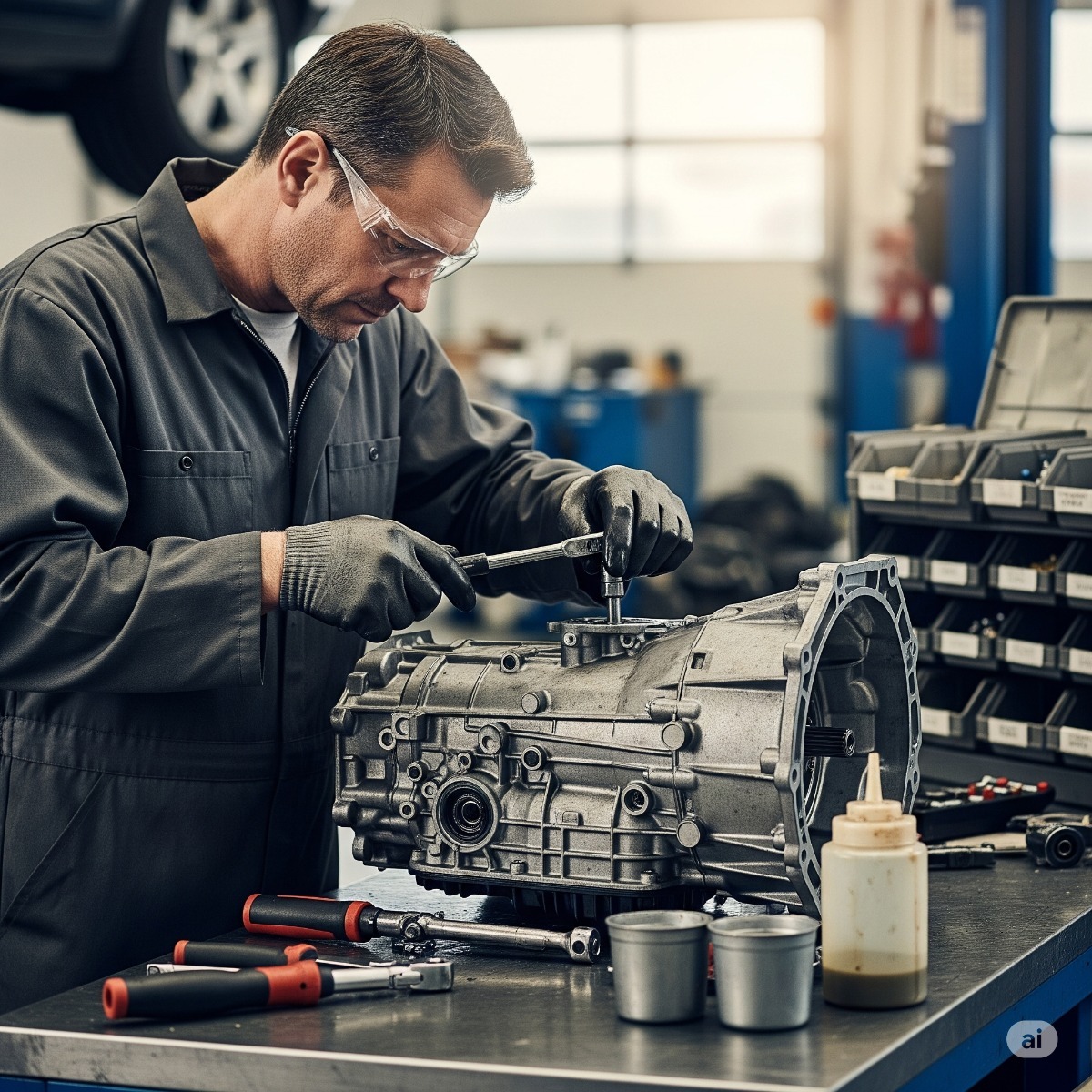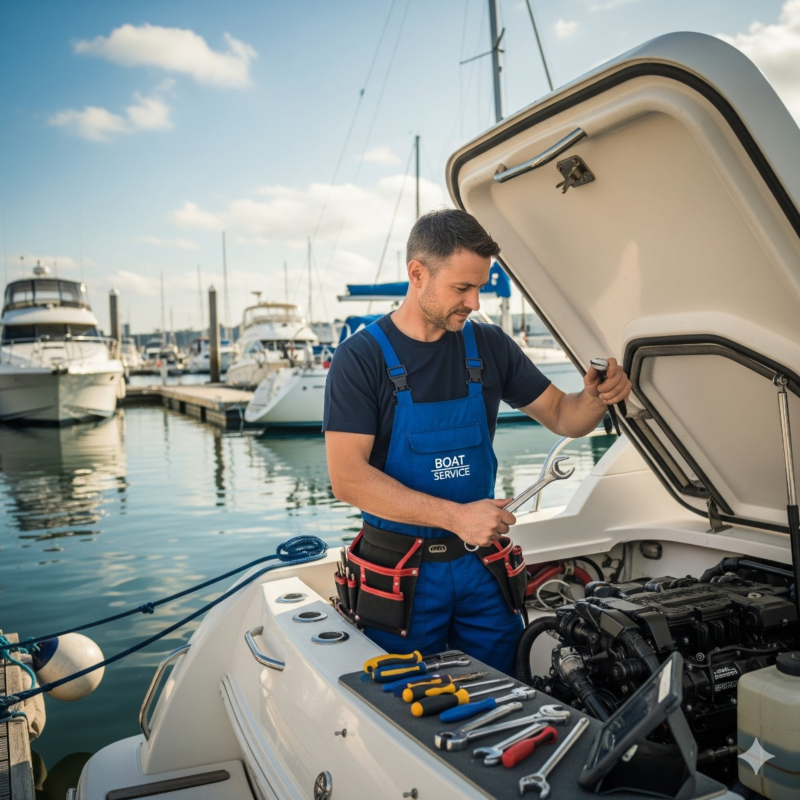
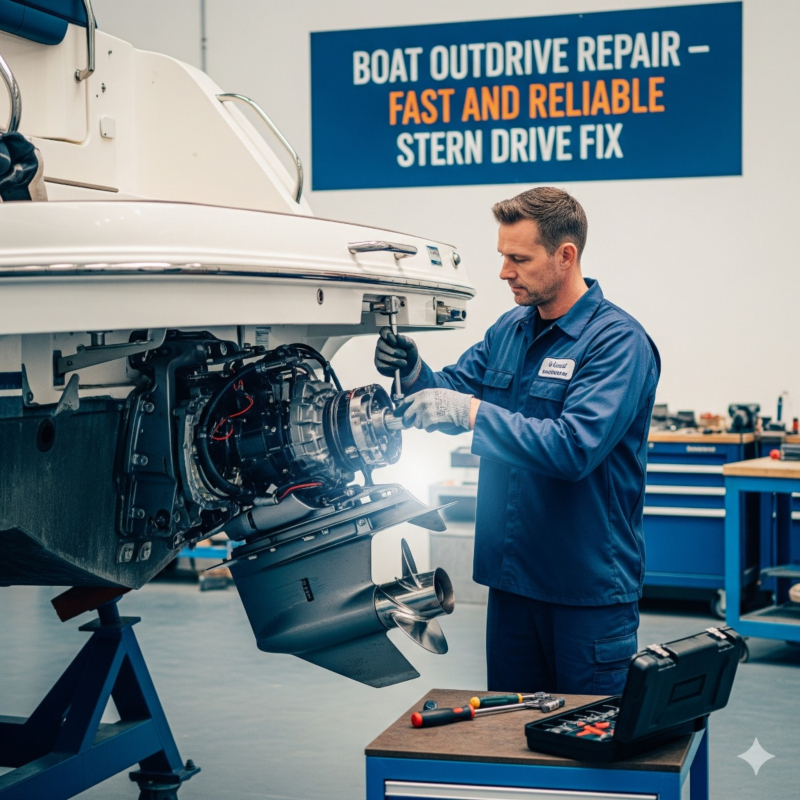
An inboard boat's gearbox has a hard life. It transfers every bit of engine torque to the propeller, switches direction under load when you dock, and sits in a warm, damp engine compartment. When something starts going wrong, the signs are usually there long before the boat refuses to move: a pause before engagement, a clunk, a new whine or a drip under the case. Understanding what those symptoms mean helps you decide whether it is a simple adjustment or a job for marine transmission repair.
How a Marine Gearbox Works
Most inboard gearboxes use either hydraulic wet clutch packs or mechanical cone clutches to select forward, neutral and reverse. Hydraulic units rely on clean transmission fluid at the correct pressure to clamp the clutch plates. Mechanical units depend on accurate shift lever travel to seat the cone firmly. A damper plate between the engine flywheel and the gearbox absorbs torsional shock, and the output flange connects to the propeller shaft through a coupling. A problem anywhere along this chain can feel like a transmission fault.
Symptoms and What They Usually Mean
Slipping gears
If engine RPM rises but boat speed does not, or the boat drops out of gear under load, the clutches may be worn, fluid may be low or degraded, or on a hydraulic unit the pressure may be falling. Slipping gears generate heat, which damages clutch material further, so this symptom should never be ignored.
Delayed shifting
A pause of a second or more before the gear engages often points to low fluid, a clogged filter or screen, a sticking valve, or a cable that is not moving the selector lever through its full travel. Delayed shifting is especially common when the gearbox is cold.
Rough shifting and clunking
Hard, noisy engagement can come from an idle speed set too high, a worn damper plate, misaligned engine mounts or a shift cable adjusted out of position. Rough shifting that has appeared gradually is often a cable or idle issue rather than an internal fault.
Whining, grinding and vibration
A new whine can indicate worn bearings or gears. Grinding when selecting gear is typical of mechanical cone clutch wear. Vibration that rises with speed may originate elsewhere in the drivetrain, such as shaft alignment, a bent shaft or a damaged propeller.
What Owners Can Check
- Fluid level and condition. Check it according to the manufacturer's procedure, which often specifies engine off or running and whether the dipstick is screwed in. Milky fluid suggests water contamination, often from a failed oil cooler. Dark, burnt-smelling fluid suggests overheated clutches.
- Shift cable travel. With the engine off, have someone move the helm lever while you watch the gearbox lever. It should reach its full detent in both directions.
- Idle speed. Compare it to the engine specification; a high idle makes every shift harsher.
- Leaks and mounts. Look for fluid under the case and cracked or collapsed engine mounts.
- Coupling bolts. Check that the coupling between the output flange and the shaft is tight and shows no fresh rust trails.
Write down when the symptoms occur: in forward, reverse or both, cold or hot, at idle or under load. This information shortens diagnosis considerably.
What Boat Transmission Repair Involves
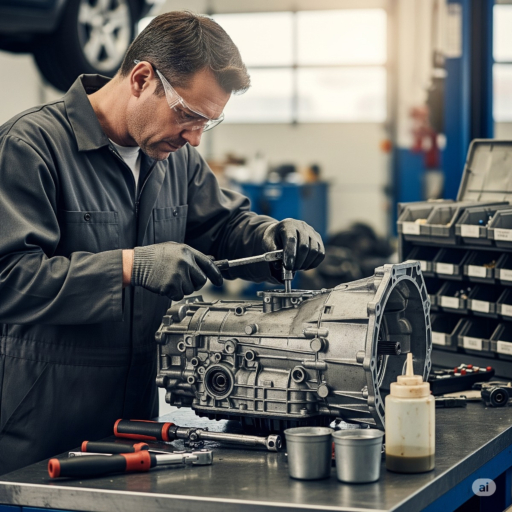
A technician begins by confirming the problem is actually inside the gearbox. That usually means checking cable adjustment, fluid and, on hydraulic units, measuring line pressure with a gauge. If the fault is internal, the gearbox is removed, which requires uncoupling the shaft and sometimes supporting or shifting the engine. Marine gearbox repair then involves inspecting clutch packs or cones, bearings, seals, gears and the oil cooler, replacing worn parts and reassembling to specification. On reinstallation, shaft alignment must be checked, because poor alignment will wear the new seals and bearings quickly. Many owners also replace the damper plate while the gearbox is out, since it is only accessible at that point.
When to Call a Technician
Stop and call for help if the gearbox slips under load, drops out of gear, makes new metallic noises, shows water in the fluid, or runs noticeably hot. Continuing to run a slipping unit can turn an overhaul into a replacement. Our marine transmission repair service covers boat gearbox repairs from cable adjustment through internal rebuilds, along with the rest of the drivetrain.
Gearbox Problems FAQ
How often should gearbox oil be changed?
Follow the manufacturer's schedule, which is commonly tied to engine hours or an annual service. Change it sooner if it looks milky, dark or smells burnt.
Can a shift cable cause transmission problems?
Yes. A stretched or misadjusted cable can leave the gearbox partly engaged, causing slipping, noise and wear. It is always checked before any boat transmission repair.
Is it safe to keep running a slipping gearbox?
No. Slipping produces heat that damages clutches quickly and can leave you without propulsion when maneuvering near other boats.