A boat sinking at the slip or on a mooring is every owner's nightmare, and the shock often leads to lost time just when time matters most. Once the vessel is raised, corrosion starts working immediately on the engine, wiring and interior. Knowing what to do in the first hours after recovery can mean the difference between a repairable boat and a write-off.
Why time matters so much
While an engine sits underwater, relatively little oxygen reaches its internal surfaces. Once the boat is raised and the water drains, wet steel and cast iron are exposed to air and salt at the same time. Flash rust can form on cylinder walls, crankshaft journals and valve components within hours. Saltwater that has entered electrical connectors and wiring continues corroding copper long after the surface looks dry. Every delay increases the amount of work, and cost, needed later.
First steps after the boat is raised
A professional california marine salvage crew typically handles the raising, dewatering and towing. Their job is to get the boat afloat safely, contain fuel and oil and move it to a place where work can begin. After that, the focus shifts to preservation and assessment:
- Disconnect the batteries and keep everyone away from the electrical system until it has been checked.
- Photograph everything before anything is removed: waterline marks inside the cabin, the engine compartment, the helm and any obvious damage.
- Notify your insurer right away and ask how they want the claim documented.
- Arrange engine preservation as soon as possible.
Pickling a boat engine
Pickling a boat engine means displacing water with oil to stop internal corrosion until the engine can be properly assessed or rebuilt. The usual steps are:
- Removing spark plugs or injectors and turning the engine by hand or starter to push water out of the cylinders.
- Draining the contaminated oil and, where fitted, the transmission and drive fluids.
- Filling the crankcase with fresh oil, sometimes mixed with diesel to help it penetrate, and cranking the engine without starting it so the oil coats internal surfaces.
- Fogging the cylinders and intake with oil.
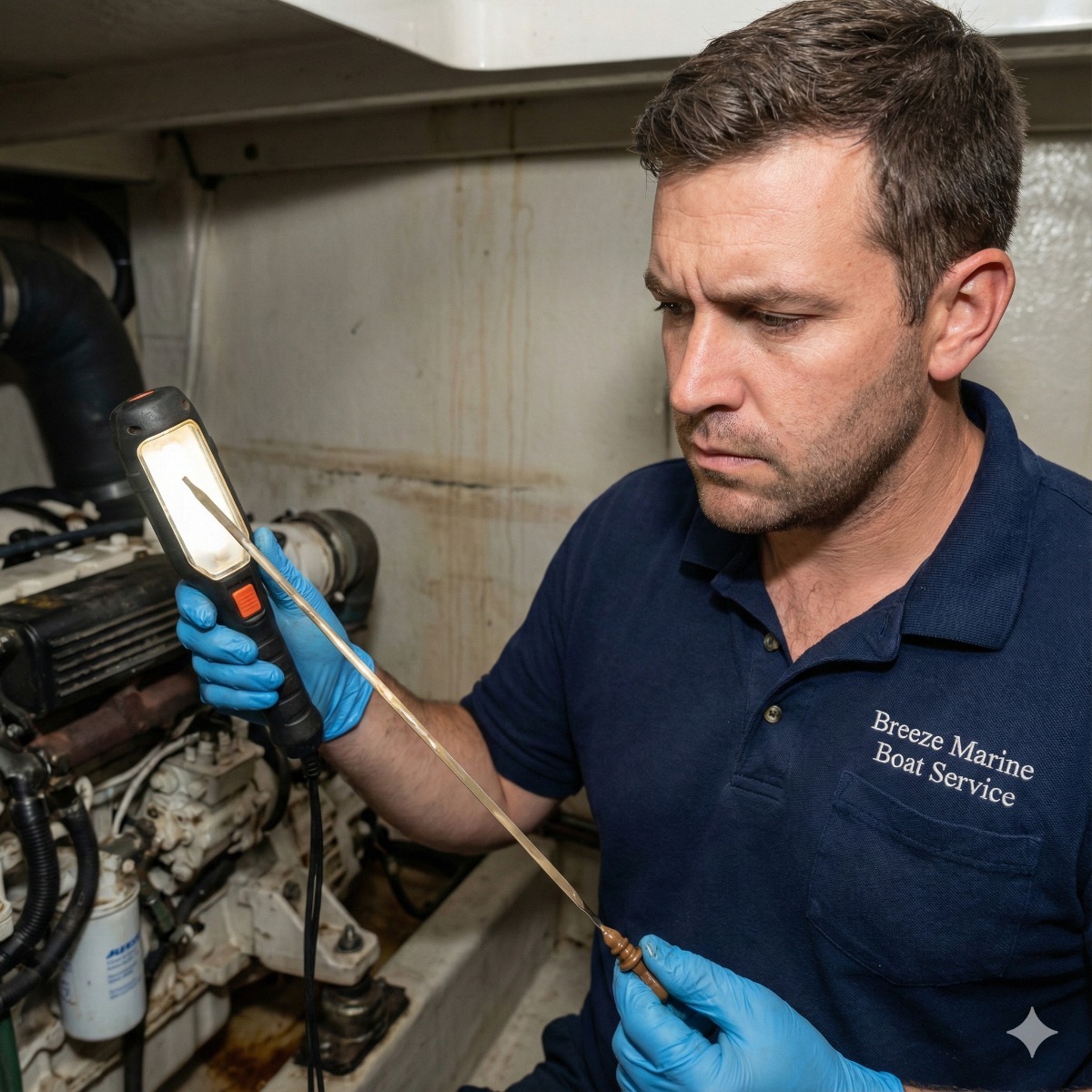
A submerged engine should not be started until it has been cleared and inspected. Trying to start an engine with water in the cylinders can bend connecting rods instantly, turning a salvageable engine into scrap.
Drying the interior and electrical system
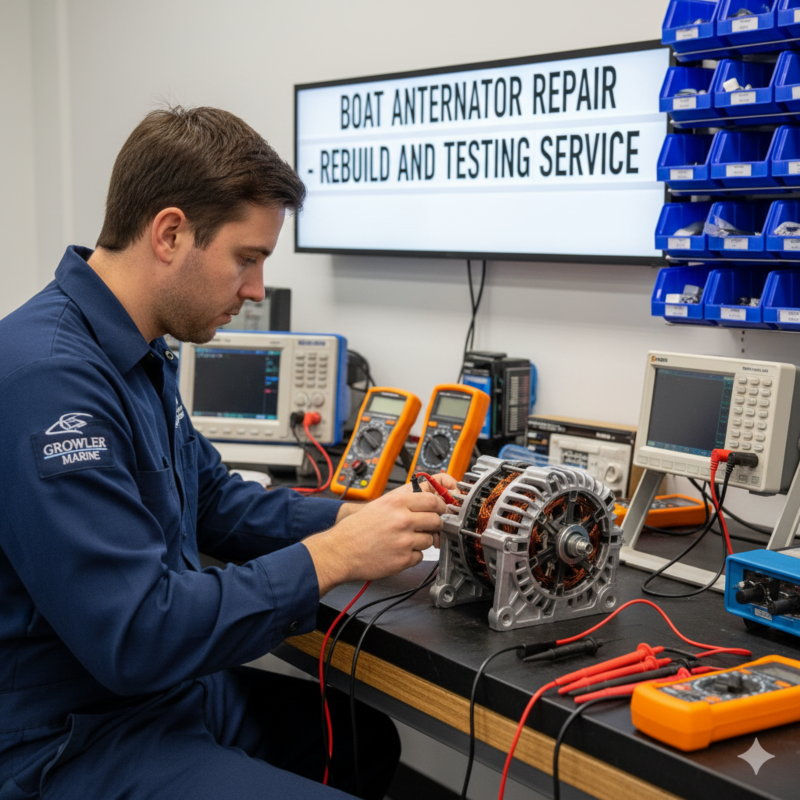
Soaked cushions, carpet, headliners and foam hold water against wood and fiberglass and grow mold quickly. They are usually removed as soon as possible, and fans or dehumidifiers are used to dry the interior. Saltwater damage in wiring is harder to judge. Salt wicks up inside the insulation and continues corroding the copper, sometimes well above the water line. Connectors, terminal blocks, breakers and electronics that were submerged are often replaced rather than cleaned. Starters, alternators and engine control modules need testing, and many do not survive immersion.
The salvage assessment
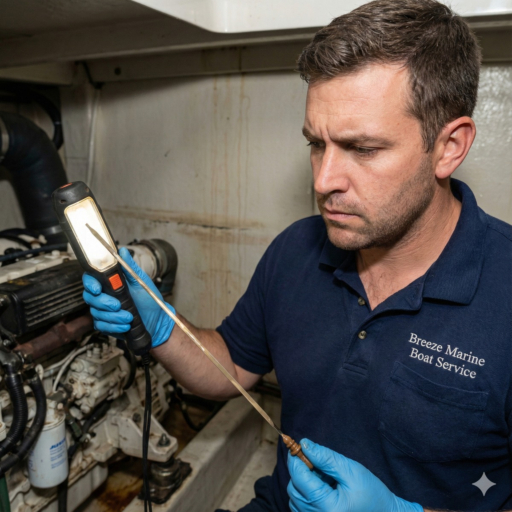
A thorough salvage assessment looks at each system and estimates what it will take to restore it:
- Propulsion: engine, transmission and drive, including internal inspection.
- Electrical: batteries, chargers, inverters, wiring harnesses and electronics.
- Fuel system: tanks, lines and filters checked for water contamination.
- Hull and structure: the cause of sinking, such as a failed hose, through-hull or bellows, plus any damage from the event.
- Interior: upholstery, cabinetry, foam and wood.
Repair or constructive total loss?
An insurer may declare a constructive total loss when the cost of repairs, plus salvage, exceeds the vessel's insured or market value. The height the water reached is a major factor. If only the bilge and engine room flooded, a sunken boat repair is often practical. If water covered the helm, cabin electronics and interior, the list of replacements grows quickly. A detailed, itemized estimate helps the insurer make a fair decision and gives you a realistic picture before committing to restoration.
Supporting your insurance claim
Keep a file with photos, the salvage invoice, preservation work records and every estimate. Write down when the boat was found, how long it was likely submerged and what you believe caused the sinking. Clear documentation makes an insurance claim move faster and reduces disputes about what was damaged by the event. For details of how we approach preservation and estimates, see our sinking and salvage restoration estimates page.
Sinking recovery FAQ
Can a sunken engine be saved?
Often, if water is removed and the engine is pickled quickly and never started with water inside. Delays sharply reduce the chances.
Should I try to start the engine to see if it runs?
No. Water in the cylinders can cause severe mechanical damage. Clear and inspect the engine first.
Are electronics worth drying out?
Rarely after saltwater immersion. Internal corrosion usually continues, so most submerged electronics are replaced.