Modern gasoline and diesel marine engines are controlled by an electronic control module that reads dozens of sensors and adjusts fuel, spark and idle many times per second. When a reading goes out of range, the computer stores a code, may sound an alarm, and in serious cases limits engine power. Seeing a boat check engine light or suddenly being unable to get above a fast idle is unsettling, but the information stored in the computer is also the fastest route to a correct repair.
What the Engine Computer Watches
A typical marine ECM monitors engine temperature, oil pressure, manifold pressure, throttle position, crankshaft and camshaft position, knock sensors, fuel pressure and, on some engines, exhaust and water temperatures. It compares each value with expected ranges. A reading that is missing, implausible or outside limits triggers a diagnostic trouble code and, depending on severity, a warning.
What Limp Mode Is Doing
Limp mode, often called guardian or engine protection mode by manufacturers, reduces available power when the ECM detects a condition that could damage the engine. Low oil pressure, overheating, overspeed and some sensor failures commonly trigger it. The engine may be limited to low RPM so you can return to the dock without making the problem worse. Ignoring it or repeatedly restarting to clear it risks turning a sensor or cooling issue into internal damage.
What to Do When the Warning Appears
- Reduce speed and check gauges or display messages for temperature and oil pressure.
- Look over the stern: a healthy engine usually shows a steady tell-tale stream of cooling water.
- If you have an overheat or low oil pressure alarm, shut down when it is safe and investigate before restarting.
- Note what you were doing when it appeared: speed, load, how long the engine had been running.
- Avoid disconnecting the battery to clear the light, as this can erase useful stored information on some systems.
Why Generic Scanners Fall Short
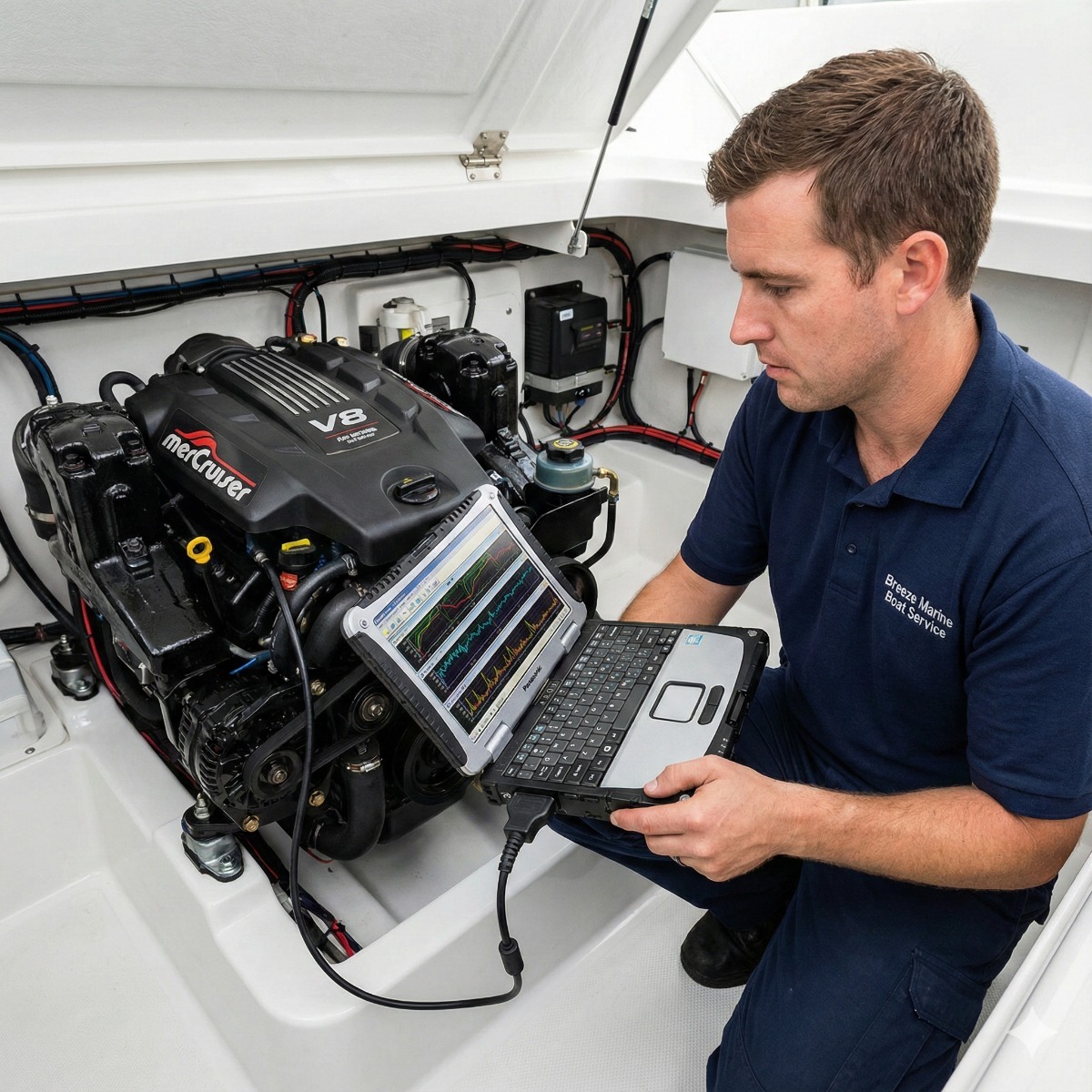
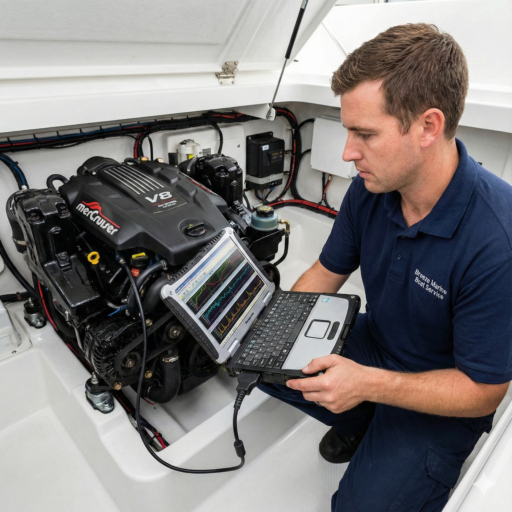
Cars share a standard diagnostic connector and protocol. Many marine engines do not. They use manufacturer-specific connectors and software, and a generic automotive scanner often cannot communicate with them. Proper ECM scanning requires an interface and software that support the specific engine platform.
What a Proper Scan Reveals
Stored and active fault codes
Fault codes identify which circuit or condition was flagged. A code for a temperature sensor, for example, may mean the sensor, its wiring, its connector or a genuine overheat. The code narrows the search; it does not replace testing.
Freeze frame data
Many systems save a freeze frame snapshot of sensor values at the moment a fault was set: RPM, temperature, load and more. This context helps distinguish a true overheating event from an electrical glitch.
Live data stream
Watching the live data stream while the engine runs lets a technician see sensor behavior in real time, catch intermittent dropouts and compare readings between cylinders or banks. It is especially useful for faults that only occur under load.
Active tests
Diagnostic software can often command components directly, such as cycling a fuel pump or disabling one injector at a time, to confirm whether a part works before replacing it.
Engine Hours and History
The ECM keeps its own record of running time and, on many platforms, how long the engine has spent in different RPM ranges and how often alarms have occurred. Because dashboard hour meters can be replaced or fail, reading the true engine hours from the module is valuable when buying or selling a boat. The run history can also show whether an engine has spent a lot of time at full throttle or with recurring overheat events.
Owner Tips That Prevent Codes
- Keep connectors dry and apply dielectric grease where appropriate.
- Maintain good battery condition; low voltage causes strange sensor readings.
- Service the cooling system and raw-water impeller on schedule.
- Use clean, fresh fuel and change filters regularly.
When to Call a Technician
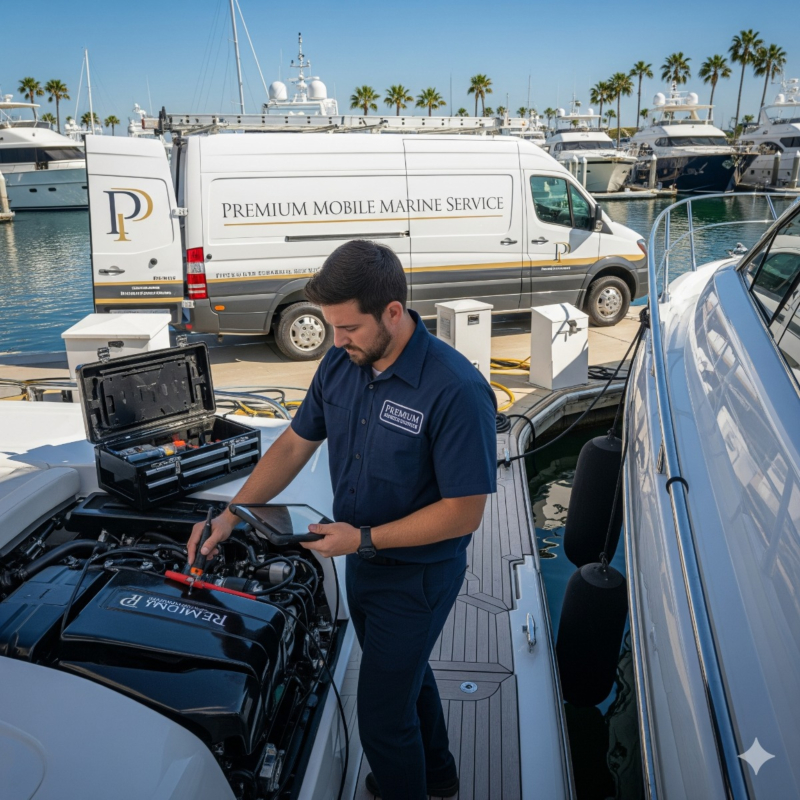
Book professional marine engine diagnostics if a warning keeps returning, if the engine enters limp mode, or if you are buying a used boat and want verified history. Our ECM scanning and engine diagnostics service reads codes, captured data and run history and reports the likely cause. Proper marine ecm services focus on fixing the fault behind the code, not just clearing the light.
Engine Warning FAQ
Can I clear the code myself and keep going?
Clearing a code does not fix the cause. If it relates to temperature or oil pressure, running on could damage the engine.
Will an automotive scanner work on my boat?
Usually not. Most marine engines use proprietary connectors and software that generic scanners do not support.
Why does the light come and go?
Intermittent faults are often wiring, connector corrosion or low voltage. Recorded sensor data helps catch them.