A day on a cabin cruiser is more relaxed than a day on a small open boat, with shade, a galley and a cabin where someone can rest. That space also tempts people to overpack, or to forget the few things that really matter. This guide covers what to bring on a boat for a day on the ocean, how to read the weather, how to prevent seasickness, and what to add for fishing trips or an evening on the water.
Start with the plan for the day
First agree on what kind of day the group wants: a family day, a morning of fishing and a sunset cruise each call for different timing, food and gear. Settle the guest count early, too. Every boat has a limit on how many people it can carry safely, and a private boat rental is far easier to prepare when the numbers, the ages of any children and any mobility or medical needs are known in advance.
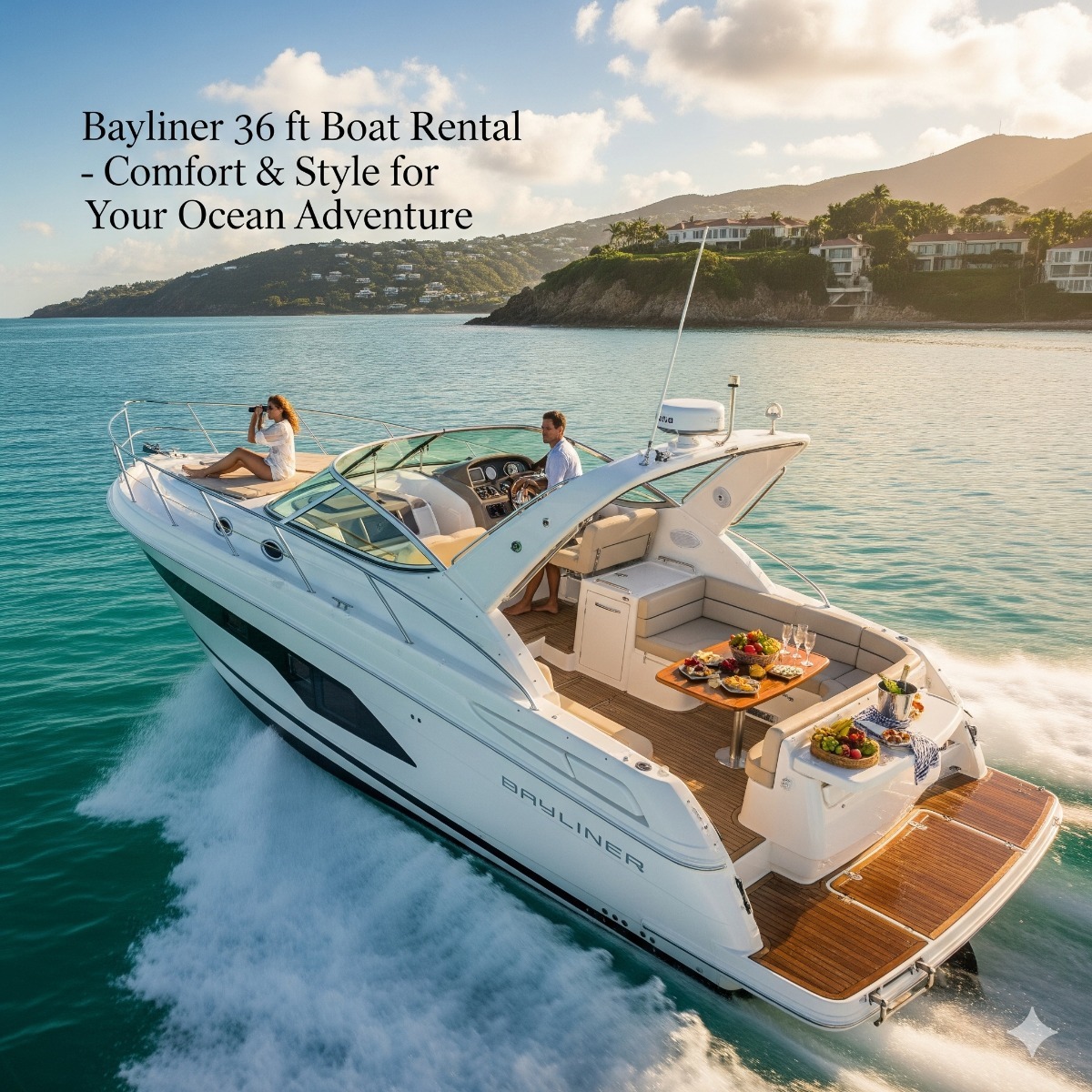
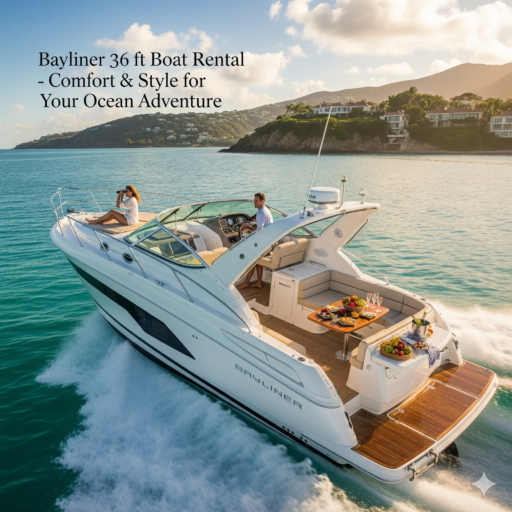
A larger boat such as a 36 foot Bayliner also changes what you carry: folding chairs and pop-up shade can stay at home, but you still need to pack for sun, wind and spray on deck. If you are still choosing a boat, look through the 36 foot Bayliner cabin cruiser rental and picture where your guests will sit, eat and stow their bags.
Boat day checklist: the essentials
Pack one soft bag per person. Soft duffels squeeze into lockers and cabin corners; hard suitcases do not.
- Sun protection: lotion sunscreen applied before you board, a hat with a chin strap and polarized sunglasses on a retainer. Spray sunscreen drifts onto the deck and leaves it slippery.
- Layers: a windproof jacket or fleece, even on a warm day, since it is often noticeably cooler on the water than in town.
- Water: more drinking water than you expect to need.
- Personal items: medication, a small towel, lip balm with SPF and a spare shirt in case of spray.
- Phones and keys: a waterproof pouch or small dry bag, plus a charged power bank.
- Trash bags: everything that comes aboard goes home with you.
That is the whole boat day checklist for most outings. Add clean sneakers or boat shoes with soft, non-marking soles, which grip a wet deck, and quick-drying clothes rather than denim.
Food and drinks for the galley
The best boat food needs little preparation: sandwiches, wraps, cut fruit and snacks in resealable containers are easy to serve while the boat moves. Keep cold food in a cooler with plenty of ice, choose cans or plastic over glass, and pack plain crackers for anyone who feels queasy.
Check the marine weather forecast
The ocean can look calm from shore and still be rough a mile out. Read the NOAA marine weather forecast for coastal waters the evening before and again that morning, paying attention to wind speed, wave height and period, and any small craft advisory. Along the Southern California coast, mornings are often calmer and the sea breeze tends to build through the afternoon, so an early start usually gives the smoothest ride. If it looks rough, pick a shorter trip or another date.
How to prevent seasickness
Even people who never get carsick can feel off on a moving boat. A few habits make a real difference:
- Sleep well and eat a light, plain breakfast; skip alcohol and greasy food.
- If you use motion sickness medication, take it before leaving the dock and follow the label, since most remedies work poorly once symptoms start.
- Stay on deck in fresh air near the middle of the boat, where motion is smallest, and watch the horizon.
- Avoid reading or long stretches on a phone while you feel unwell.
Tell the person at the helm early if a guest is struggling; a change of heading or speed often helps, and it is far easier to prevent seasickness than to recover from it at sea.
Extra gear for fishing trips
Bring rods and reels, tackle in a closed box, pliers, bait in sealed containers and a separate cooler with ice for the catch, plus old towels, because bait and fish slime on cushions are hard to clean later. In California, anyone 16 or older needs a valid California fishing license to fish in ocean waters from a private boat. Check the current state rules for seasons and bag and size limits before you go, since they change during the year.
Timing an evening on the water
A sunset cruise is short, but it rewards a little planning. Look up the sunset time for your date and aim to be out well before it, so nobody is rushing as the light fades. The temperature drops quickly once the sun goes down, so jackets and a blanket matter more in the evening than at noon.
For groups with young children or anyone who burns easily, shade and a place out of the wind are the main reasons to choose a cabin cruiser rental over an open boat. Just keep anyone who feels seasick out of a warm, closed cabin.
Boat Day Packing FAQ
What should I not bring on a boat?
Leave glass bottles, hard-sided luggage, shoes with dark or hard soles, spray sunscreen and anything you would hate to lose overboard.
Do I need to bring my own life jacket?
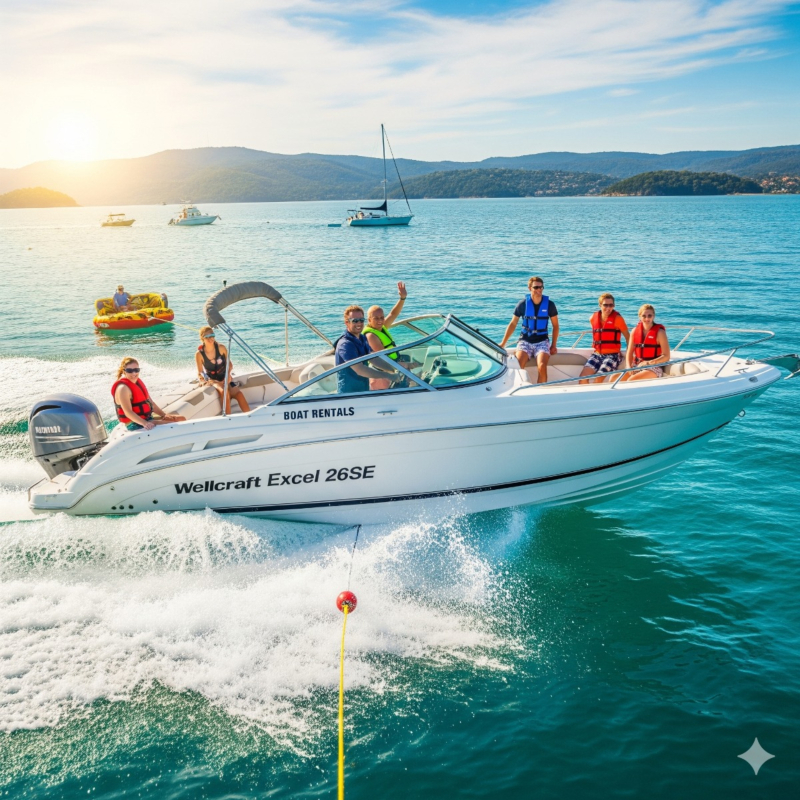
Federal rules require a properly fitting, Coast Guard approved life jacket for every person aboard a recreational boat. Ask when you book whether child sizes are on board, or bring a fitted one for each small child.
How early should the group arrive?
Arrive a little early so everyone can load bags and go over the safety basics without cutting into the time on the water.