
Propeller Pulling & Re-Hubbing Service
Labor estimate Usually 1–2 hours
Book sends us a ticket; nothing is charged online. Before any work you get a written estimate for labor, parts and the trip fee, and nothing is done without your OK.
Trip fee By distance, one way: $30 in San Pedro, $50 in Long Beach
- San Pedro$30
- Wilmington, Terminal Island$40
- Long Beach: Shoreline, Rainbow Harbor$50
- Long Beach Marina, Alamitos Bay$60
- Redondo Beach$60
- Seal Beach, Huntington Harbour$75
- Marina del Rey$85
- Newport Beach$110
Farther away: $25 plus $2.50 a mile, one way from our San Pedro shop. No trip fee when the boat comes to our shop, or for plan members. The work of a visit is at least $150; the trip fee is on top.
- Registered in California
- Breeze Marine Boat Service LLC, San Pedro
- Where we work
- At your slip from Marina del Rey to Newport Beach, or in our San Pedro shop
- Questions first
- (213) 693-0224 or submit a ticket
About this service
High RPM.
Zero Speed.
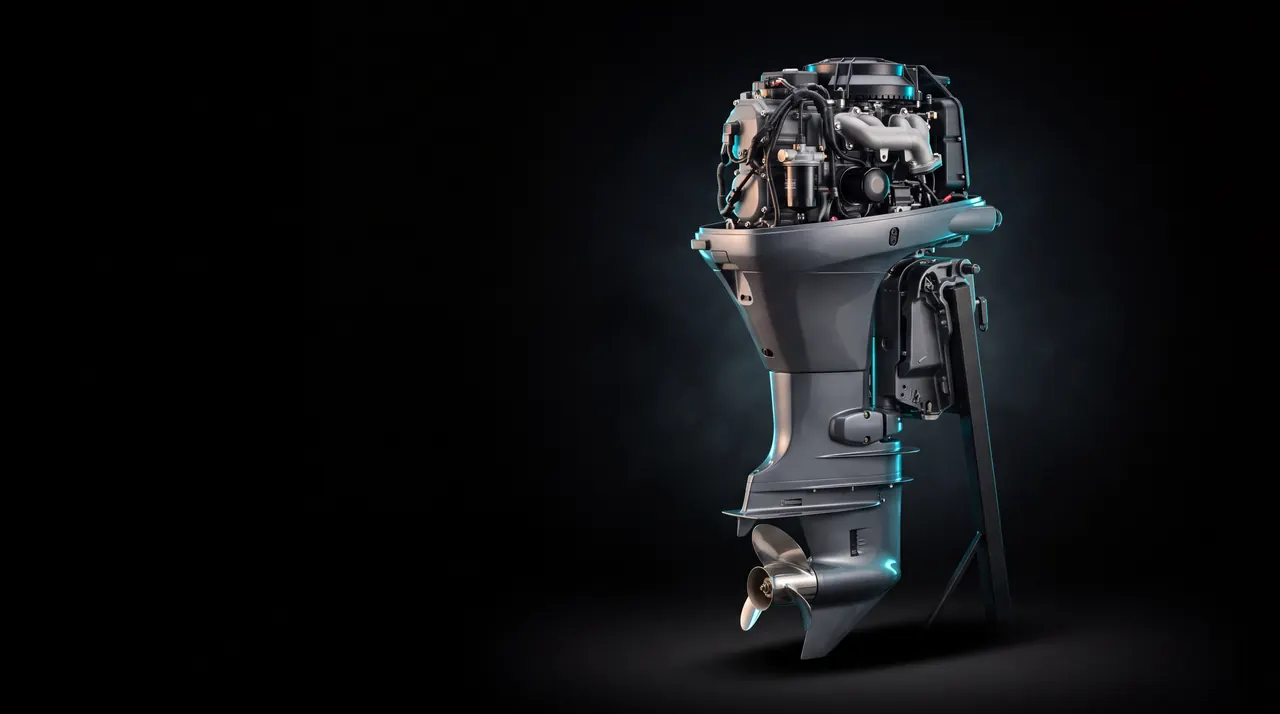
If your engine roars but the boat barely moves, you've likely "spun a hub." We extract seized propellers and replace the internal safety hub to get you back on plane.
The "Spun Hub"
Outboard and sterndrive propellers have a rubber or plastic "fuse" (the hub) designed to give way if you hit a rock. Over time, heat and age can make it slip, disconnecting the engine from the blades.
Hydraulic Extraction
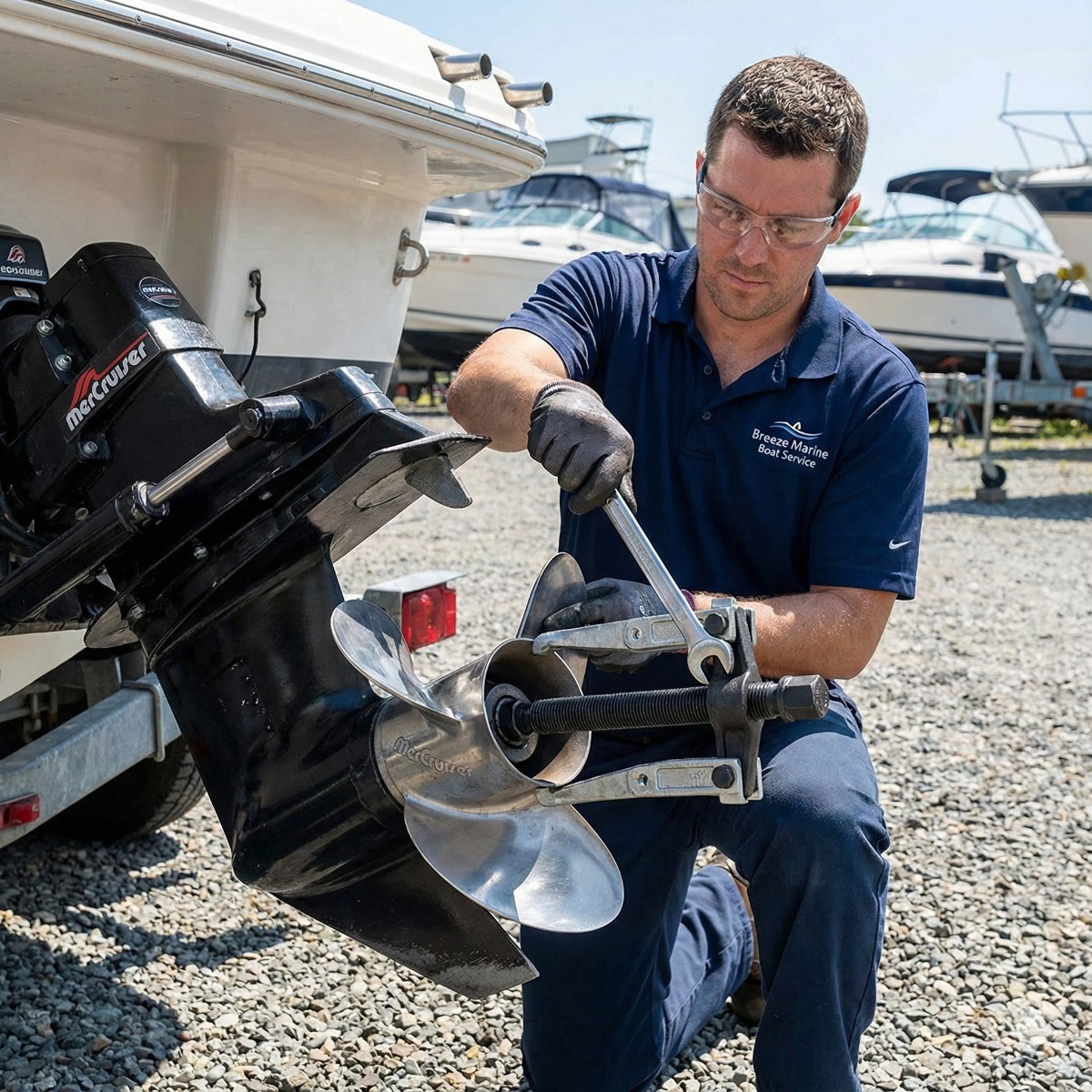
Saltwater seizes propellers to shafts. If you can't get it off, don't use a hammer (you'll bend the shaft). We use a specialized 5-ton hydraulic prop puller for safe seized propeller removal.
Re-Hub vs. Replace
A new stainless prop costs far more than a new hub. We swap Flo-Torq style insert hubs ourselves; a pressed-in rubber hub is replaced by a prop shop we work with or refer you to, and their charge is listed on your estimate. A new hub restores the drive connection; blade damage is a separate prop repair.
Extraction Protocol.
Safely removing the seized hardware.
Pull
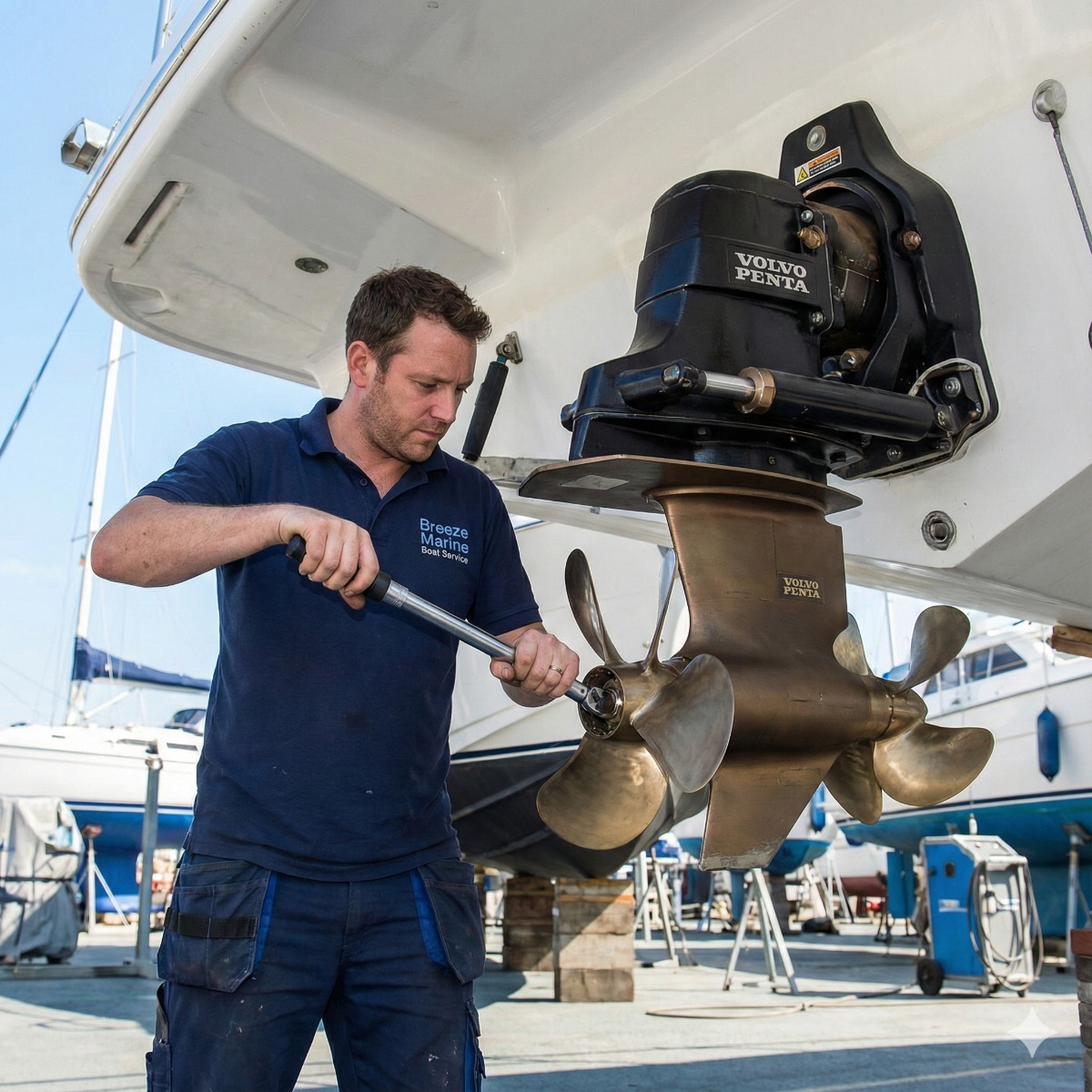
With the prop clear of the water, we remove the cotter pin and castle nut, then attach our hydraulic puller to the propeller hub to break the corrosion bond.
Inspect
We inspect the prop shaft splines for twists or wear, and check for fishing line wrapped behind the prop, which can cut the prop shaft seal (a common cause of lower unit leaks).
Press/Swap
A pressed rubber prop hub goes to a prop shop we work with or refer you to, which presses in the new hub; their charge is listed on your estimate. For Flo-Torq hubs, we tap out the plastic insert and install the new kit.
Torque
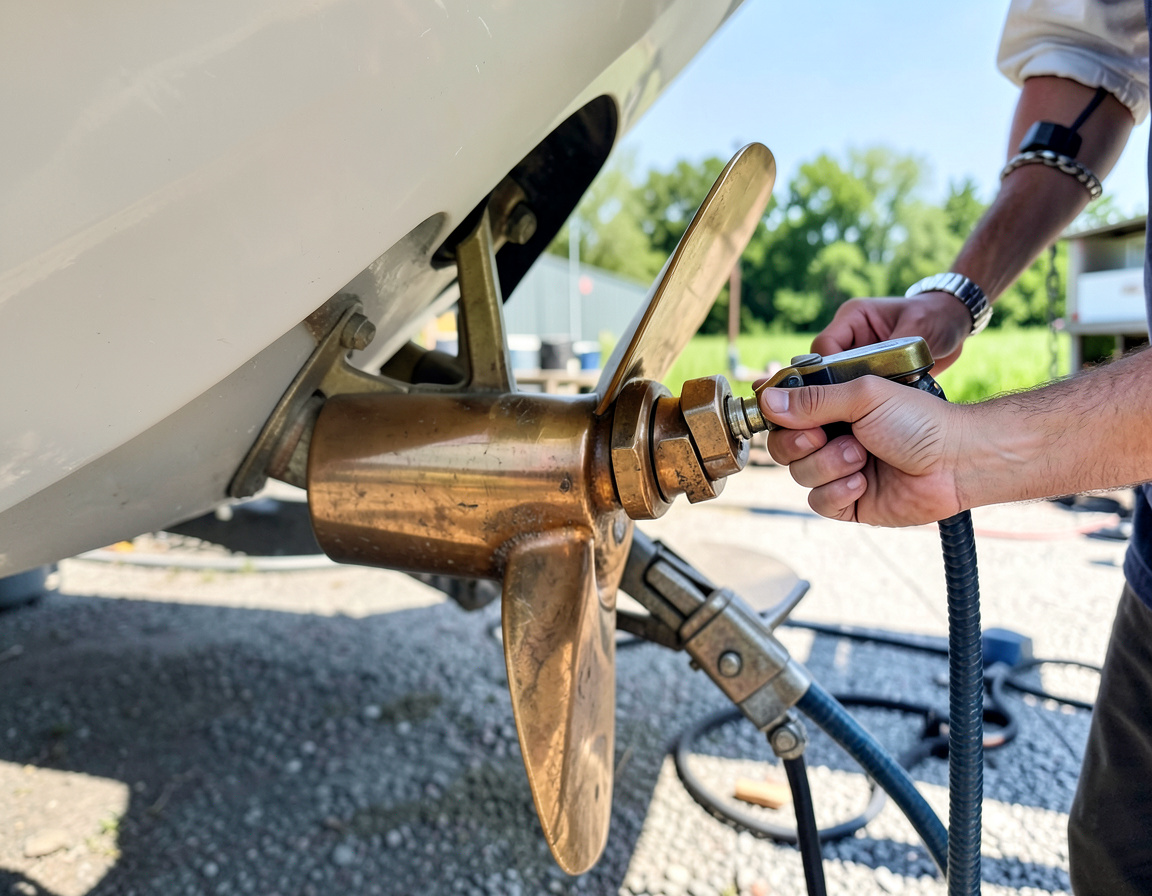
We apply marine grease to the splines (to prevent future seizing) and torque the prop nut to the engine maker's specification.
Back on Plane.
Restoring the connection between power and water.
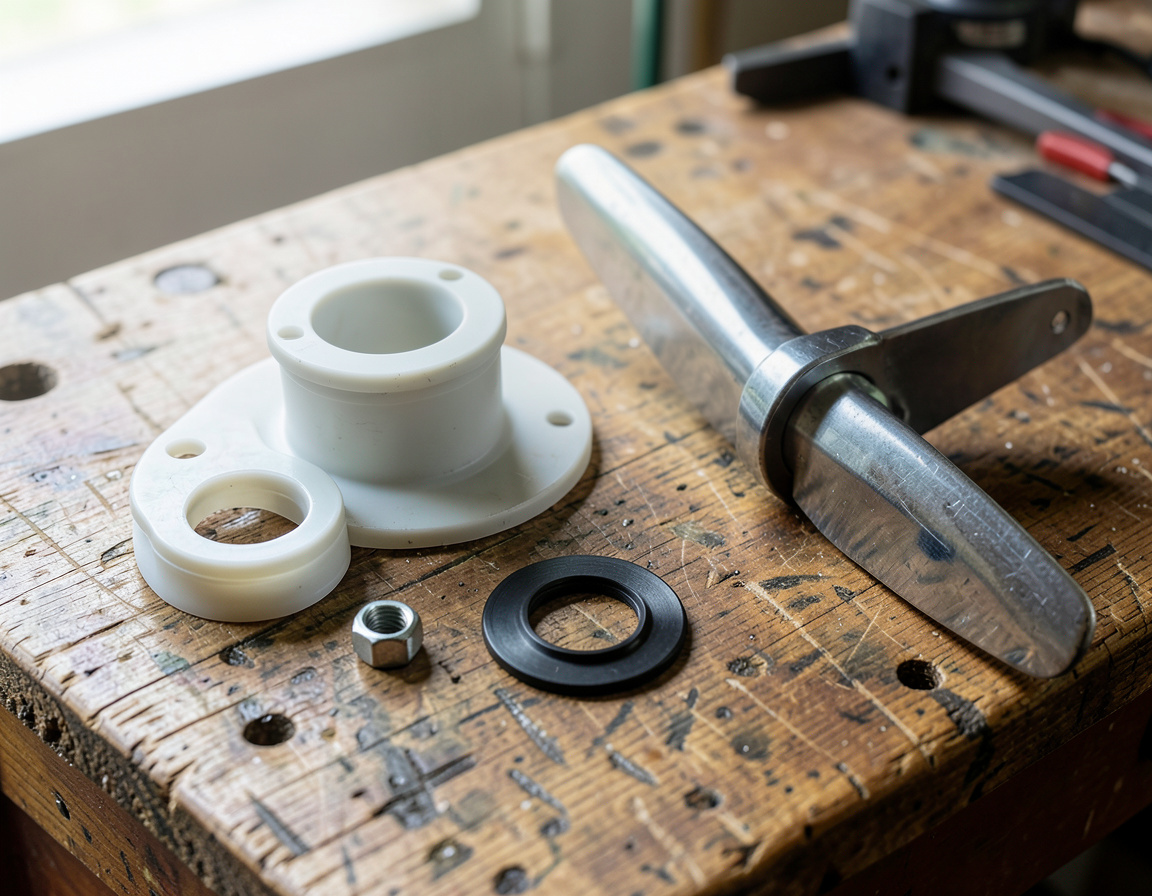
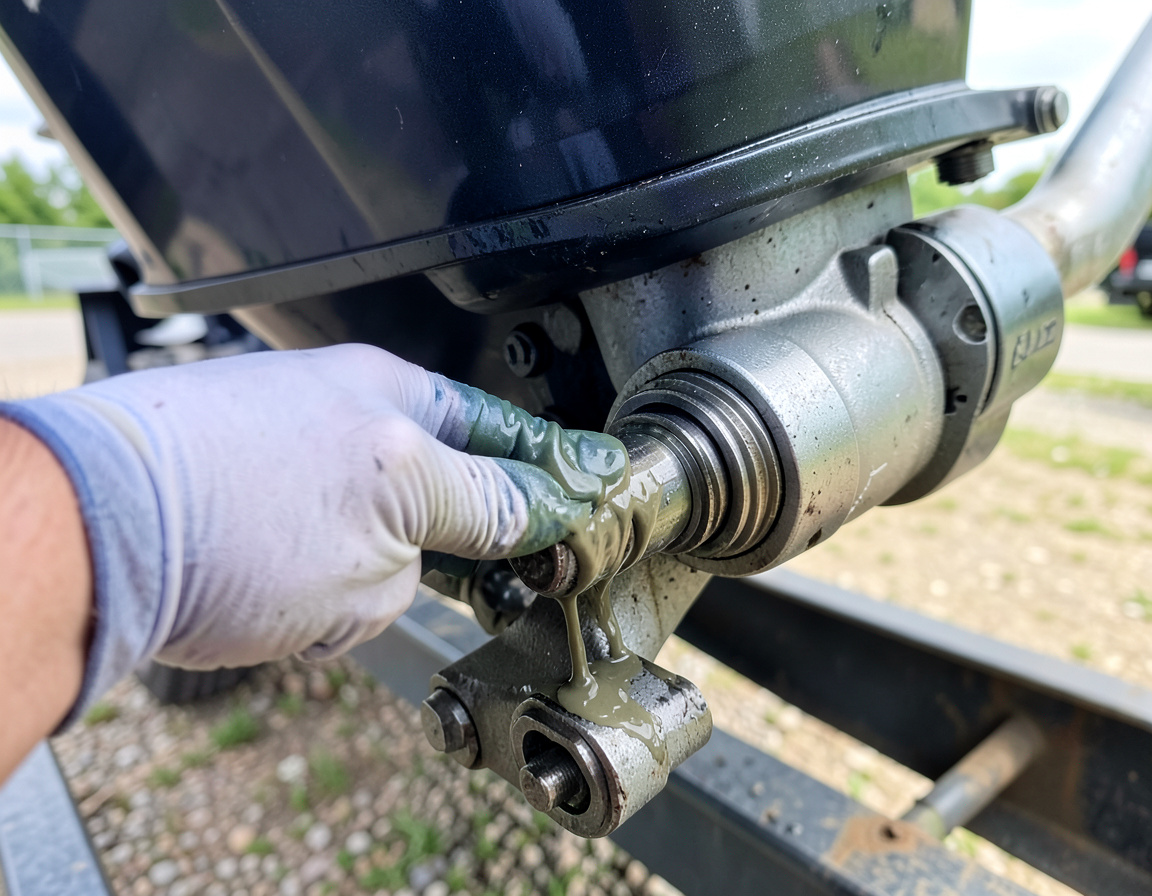
Hub Technologies.
We service both traditional and modern hub systems.
Common Questions
Why did it spin?
Impact (hitting bottom or a submerged object) is the most common cause of a spun prop hub. However, old age also causes the rubber to dry rot and slip, so on an older propeller the hub can fail without any impact.
Can I drive it home?
Only at idle speed. As soon as you apply throttle, the hub will slip, and you will lose propulsion. Trying to force it can melt the hub and damage the prop shaft.
Slipping Hub or Something Else?
Not every case of high rpm and low speed is a failed hub. Ventilation, trim set too high, bent blades or a worn clutch in the lower unit can feel similar. Before any propeller rebuild, the prop shaft splines and blades deserve a close look, because a damaged spline or bent blade can ruin a new hub quickly.
A worn rubber prop hub and a Flo-Torq insert need different tools and parts, so identifying the hub type comes first.
Reviews 4
Questions 7


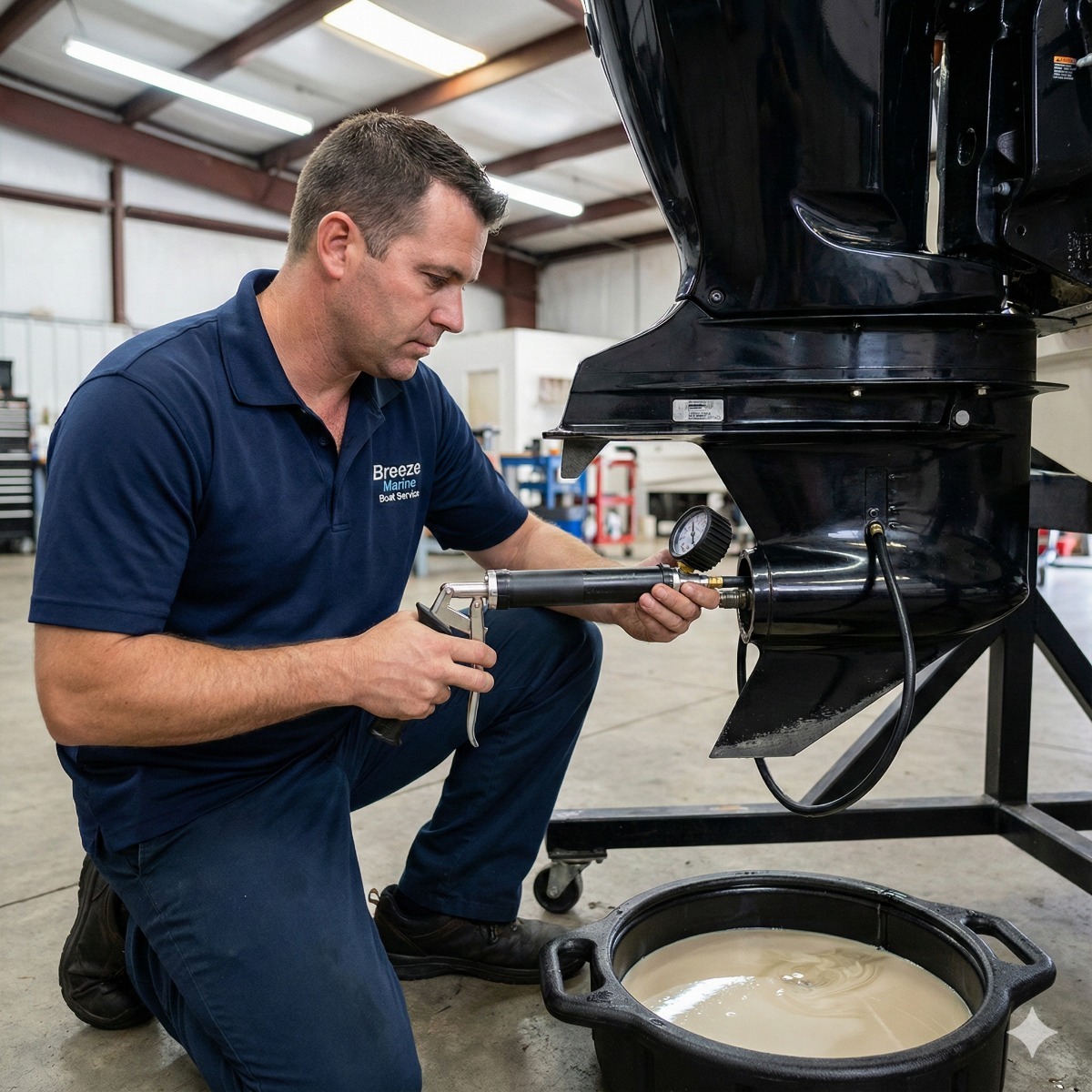
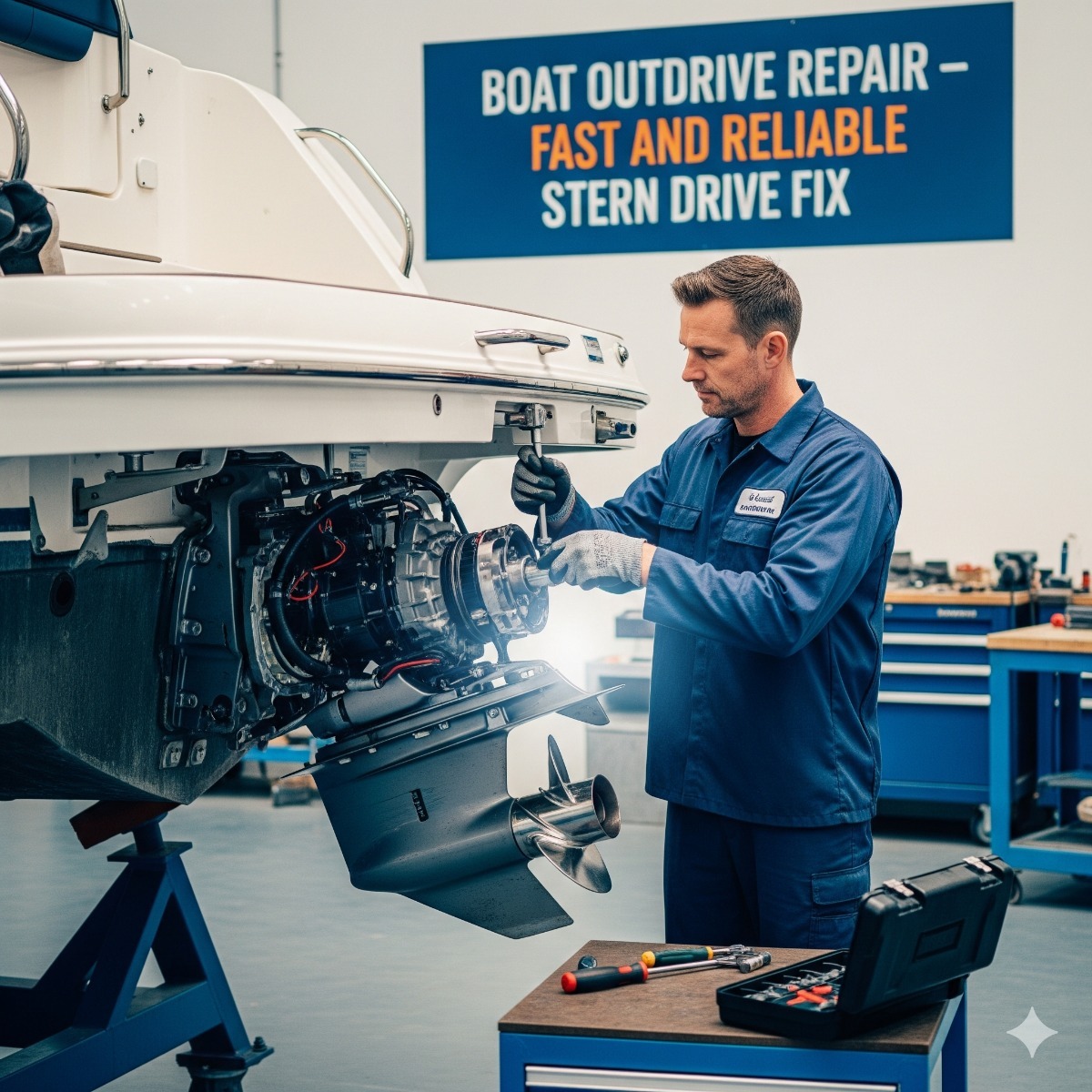
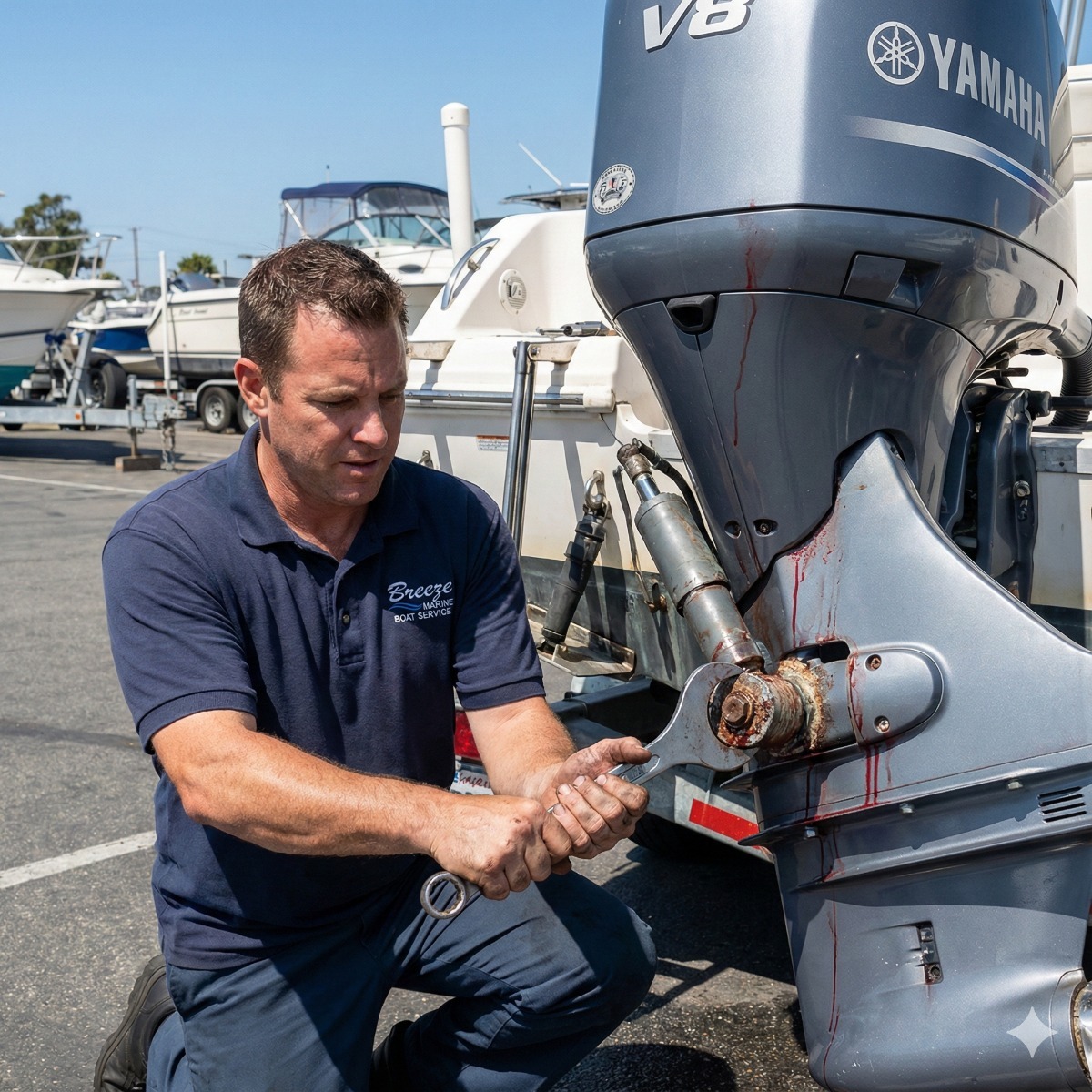

Related Posts
-
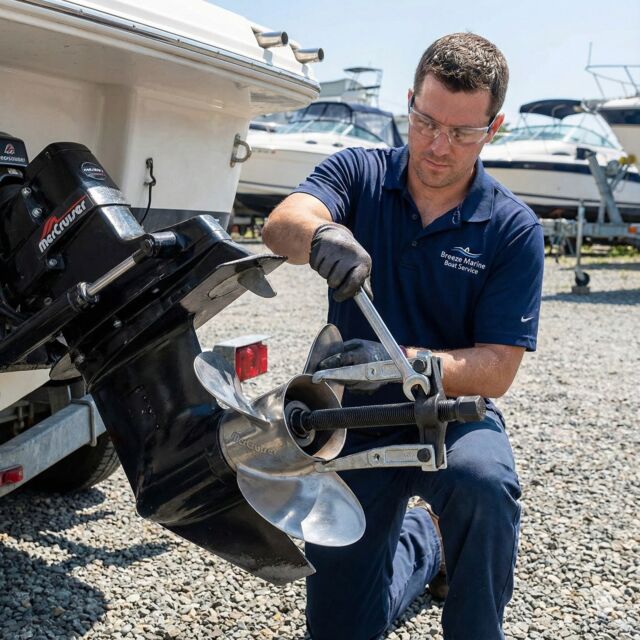


 Engine revs but the boat will not plane? Learn how prop hubs fail, how to spot a spun hub, why props seize on the shaft and what re-hubbing a propeller involves.