
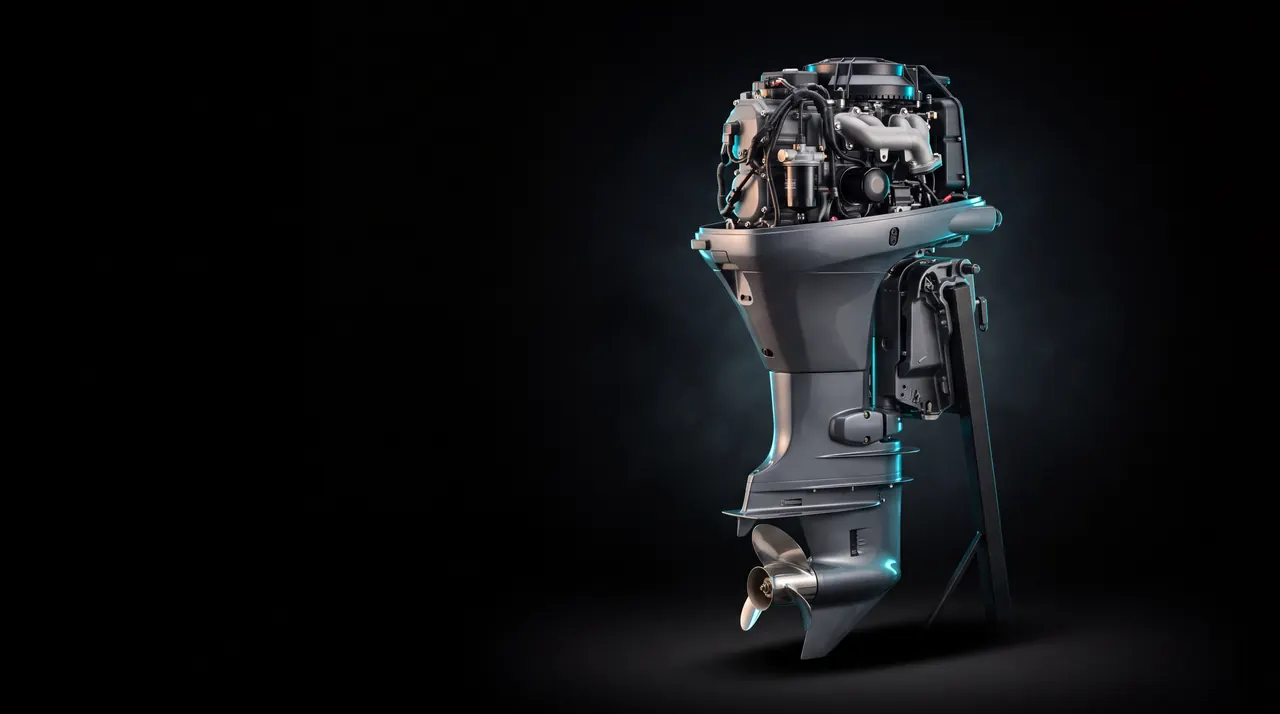
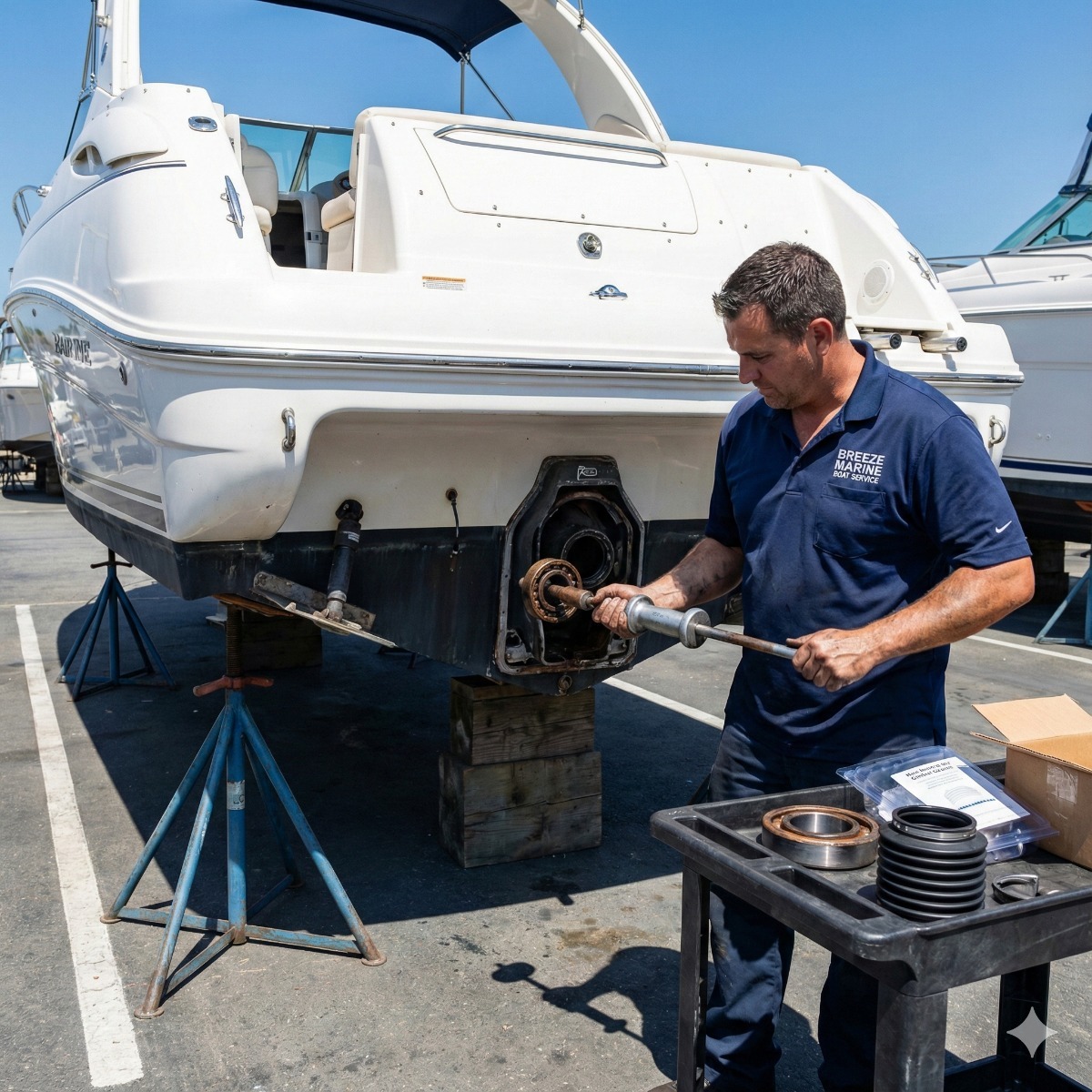
Outdrive Bellows Replacement & Gimbal Bearing Service
Labor estimate Usually 4–8 hours
Book sends us a ticket; nothing is charged online. Before any work you get a written estimate for labor, parts and the trip fee, and nothing is done without your OK.
Trip fee By distance, one way: $30 in San Pedro, $50 in Long Beach
- San Pedro$30
- Wilmington, Terminal Island$40
- Long Beach: Shoreline, Rainbow Harbor$50
- Long Beach Marina, Alamitos Bay$60
- Redondo Beach$60
- Seal Beach, Huntington Harbour$75
- Marina del Rey$85
- Newport Beach$110
Farther away: $25 plus $2.50 a mile, one way from our San Pedro shop. No trip fee when the boat comes to our shop, or for plan members. The work of a visit is at least $150; the trip fee is on top.
- Registered in California
- Breeze Marine Boat Service LLC, San Pedro
- Where we work
- At your slip from Marina del Rey to Newport Beach, or in our San Pedro shop
- Questions first
- (213) 693-0224 or submit a ticket
About this service
Don't Let the
Ocean In.
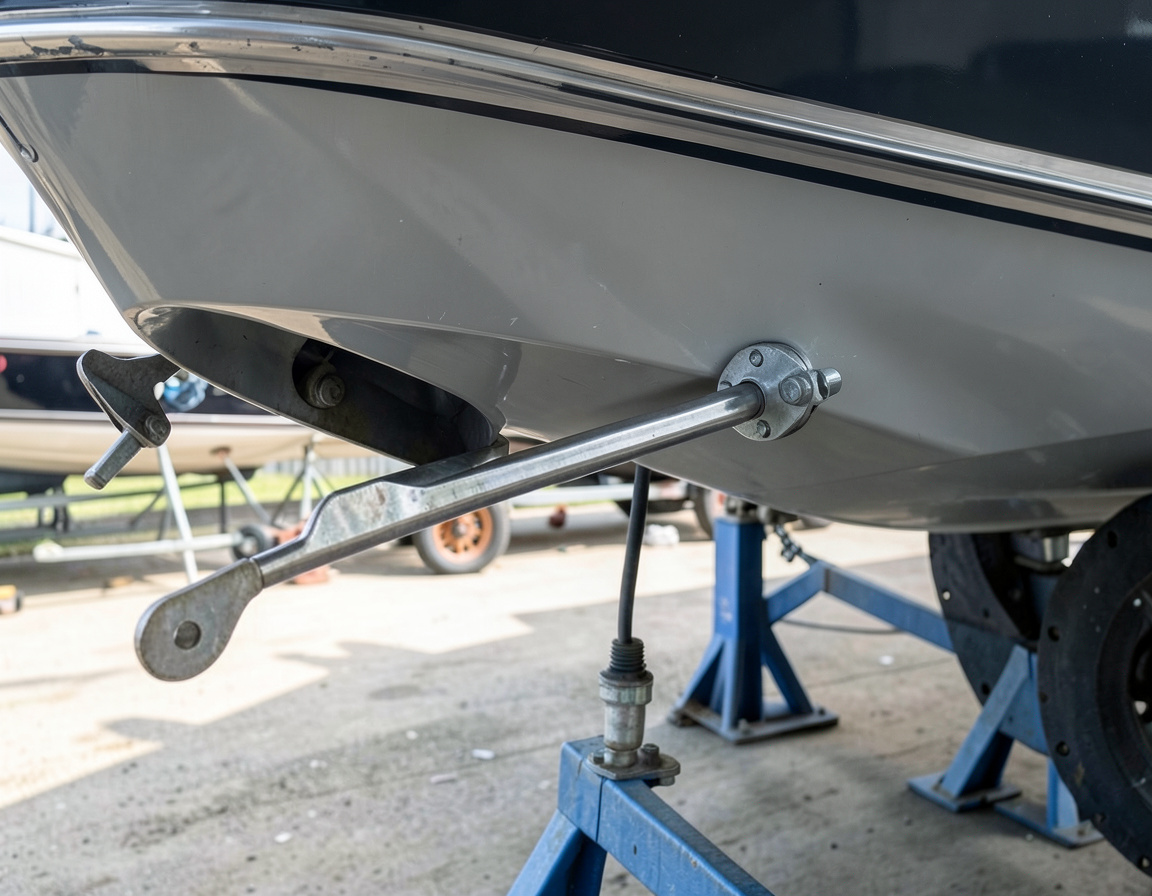
The U-joint and shift cable bellows seal openings in the transom assembly that sit at or below the waterline. When they crack, seawater can get into the boat and, left alone, can sink it. We replace the bellows and service the gimbal bearing with the boat out of the water: on its trailer, on a lift, at our San Pedro shop or hauled out at a boatyard.
The "Big 3" Bellows
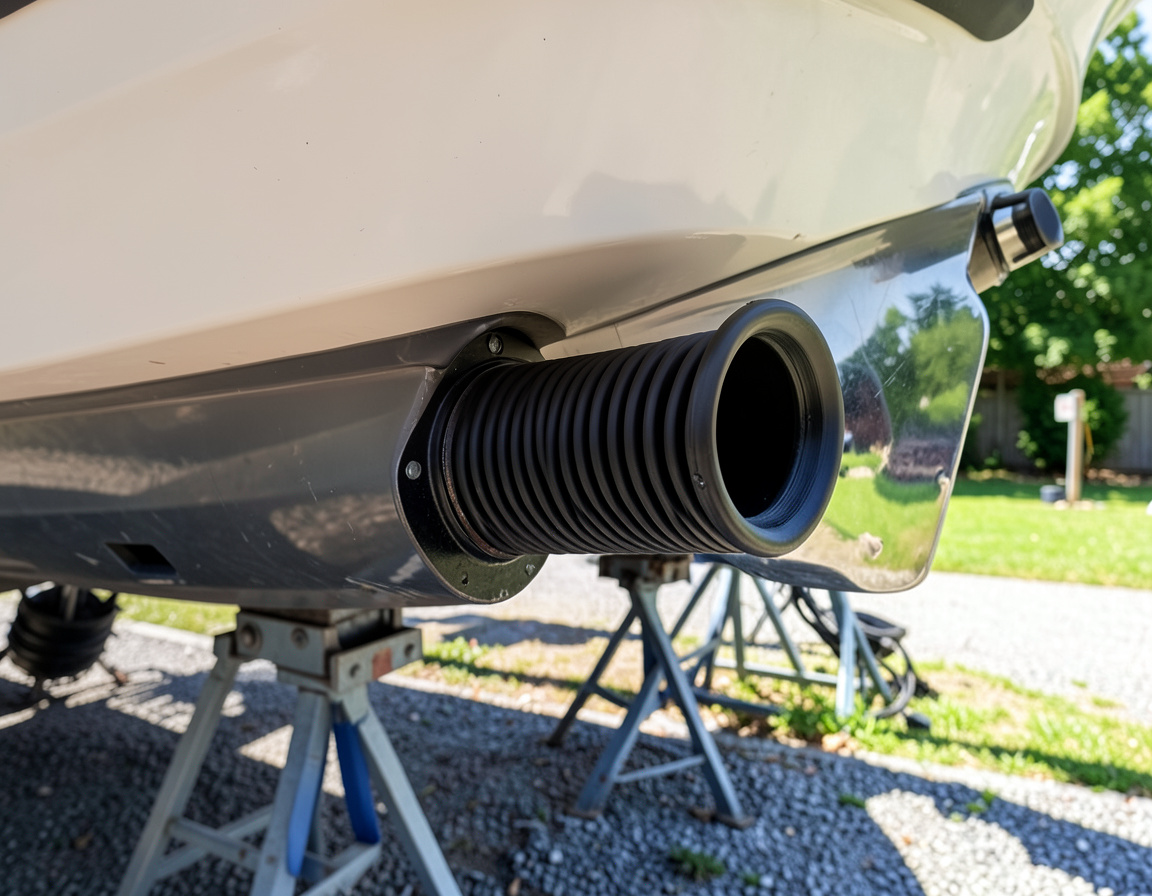
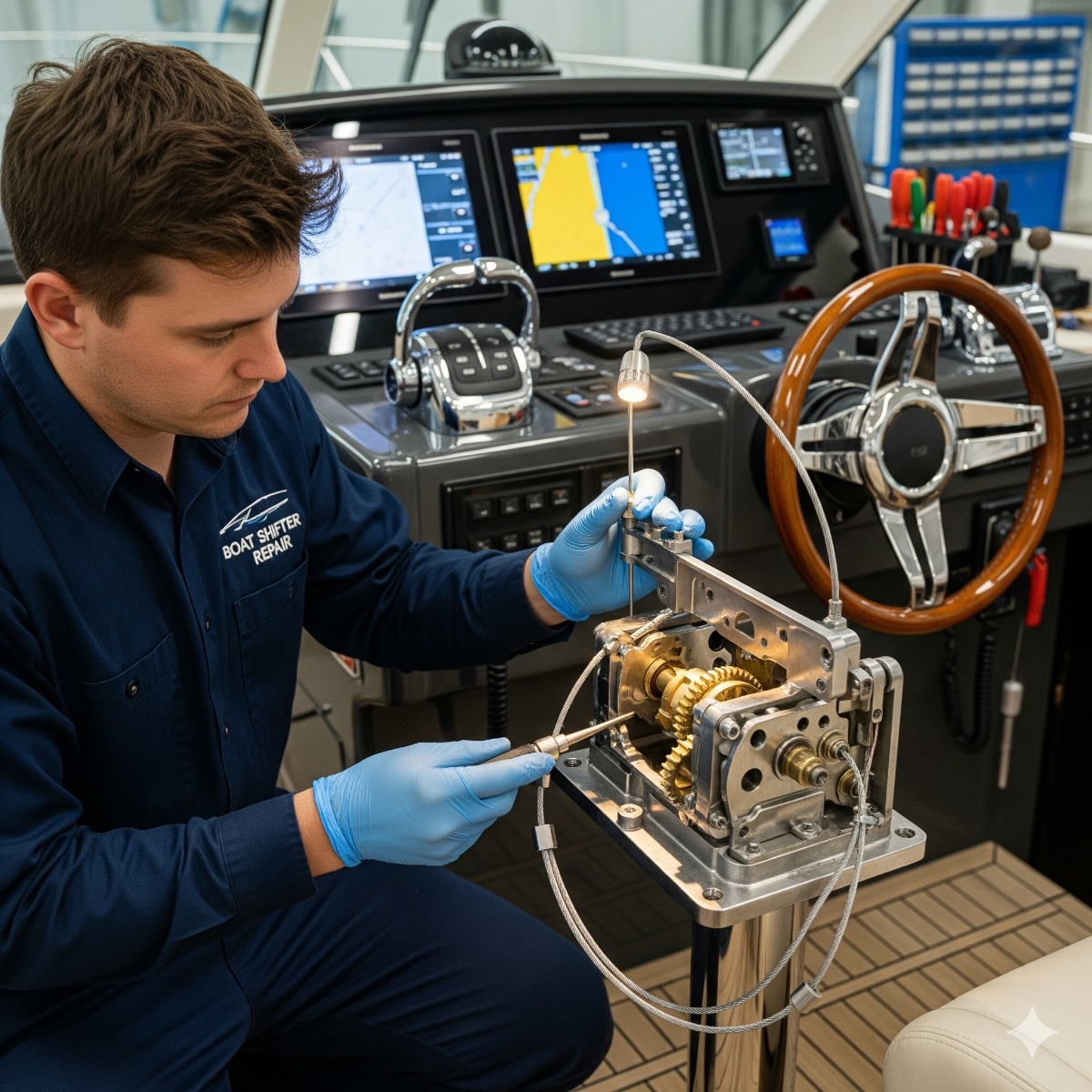
We replace the entire set: The U-Joint Bellows (keeps water out of the boat), the Exhaust Bellows (carries exhaust into the drive and keeps it quiet), and the Shift Cable Bellows (seals the shift cable opening; a torn one can also let water into the boat). We fit Quicksilver or Volvo Penta bellows, or parts of equal quality, and the estimate says which.
Gimbal Bearing Service
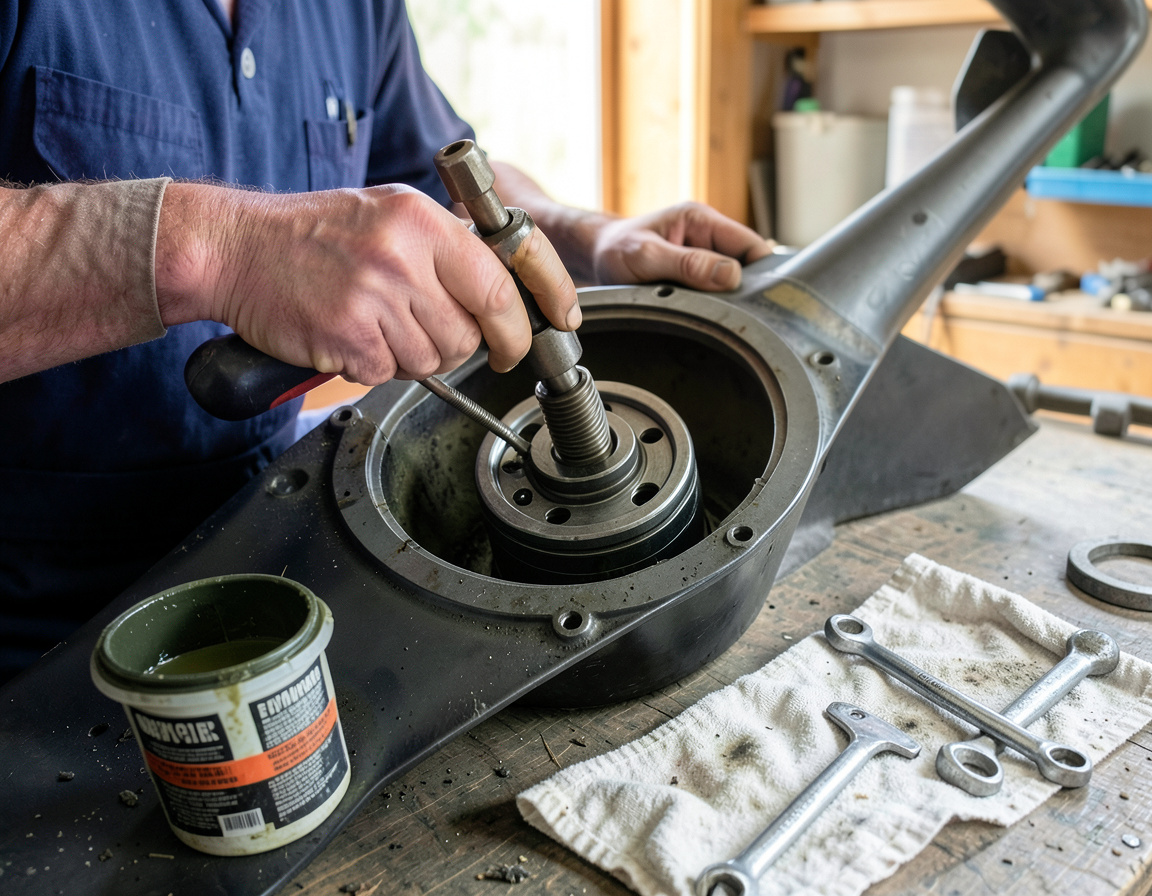
Hearing a "growl" or rumble that rises and falls with engine rpm, even in neutral? That often points to a worn gimbal bearing, usually after a leaking bellows let water wash away the grease. For gimbal bearing replacement, we install new sealed bearings.
Engine Alignment
Whenever the drive comes off, the engine alignment should be checked. We use an alignment tool to check that the engine coupler is centered with the gimbal bearing and adjust the engine mounts if it is not, which protects the coupler and the bearing from early wear.
The Replacement Protocol.
A deep dive into the transom.
Drive Removal
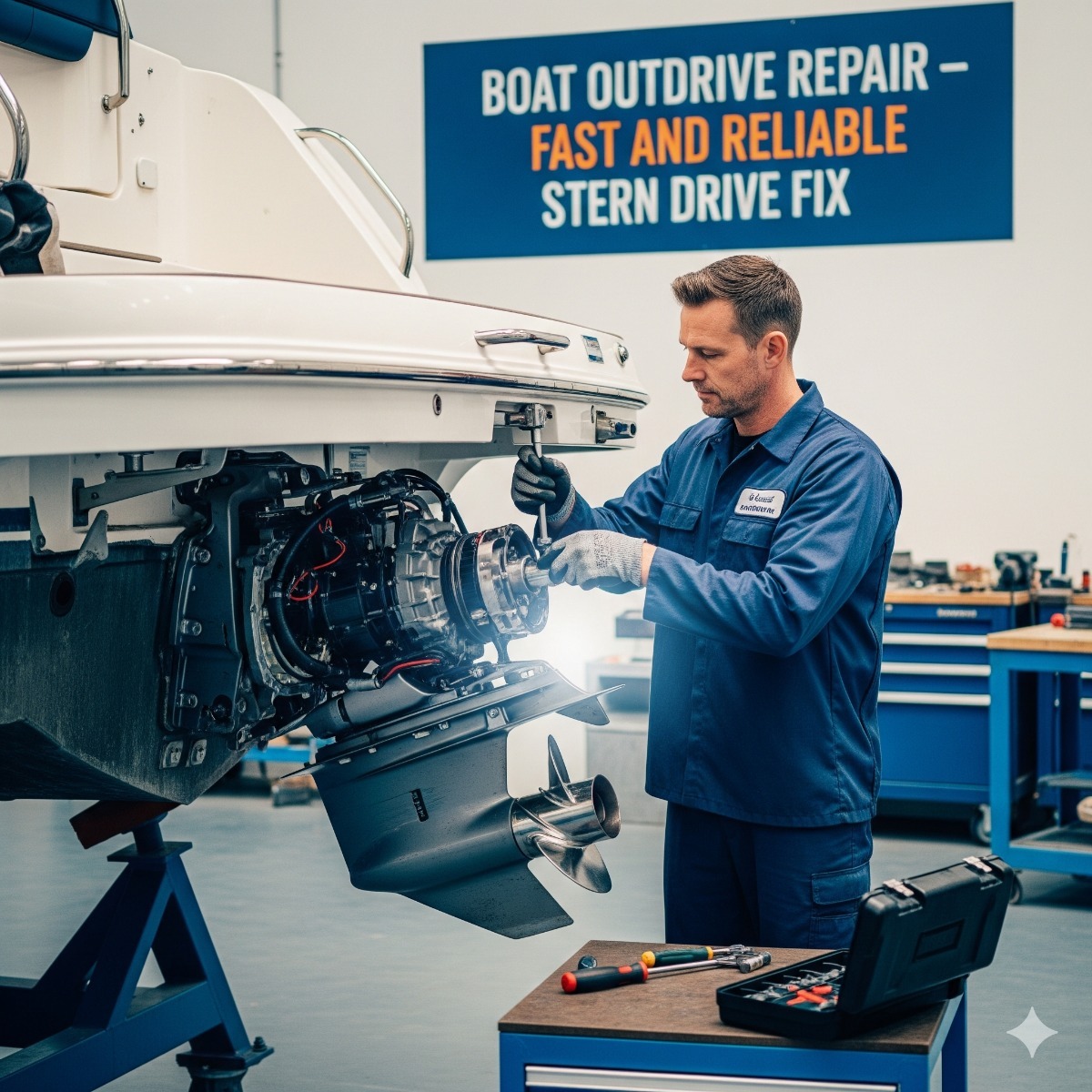
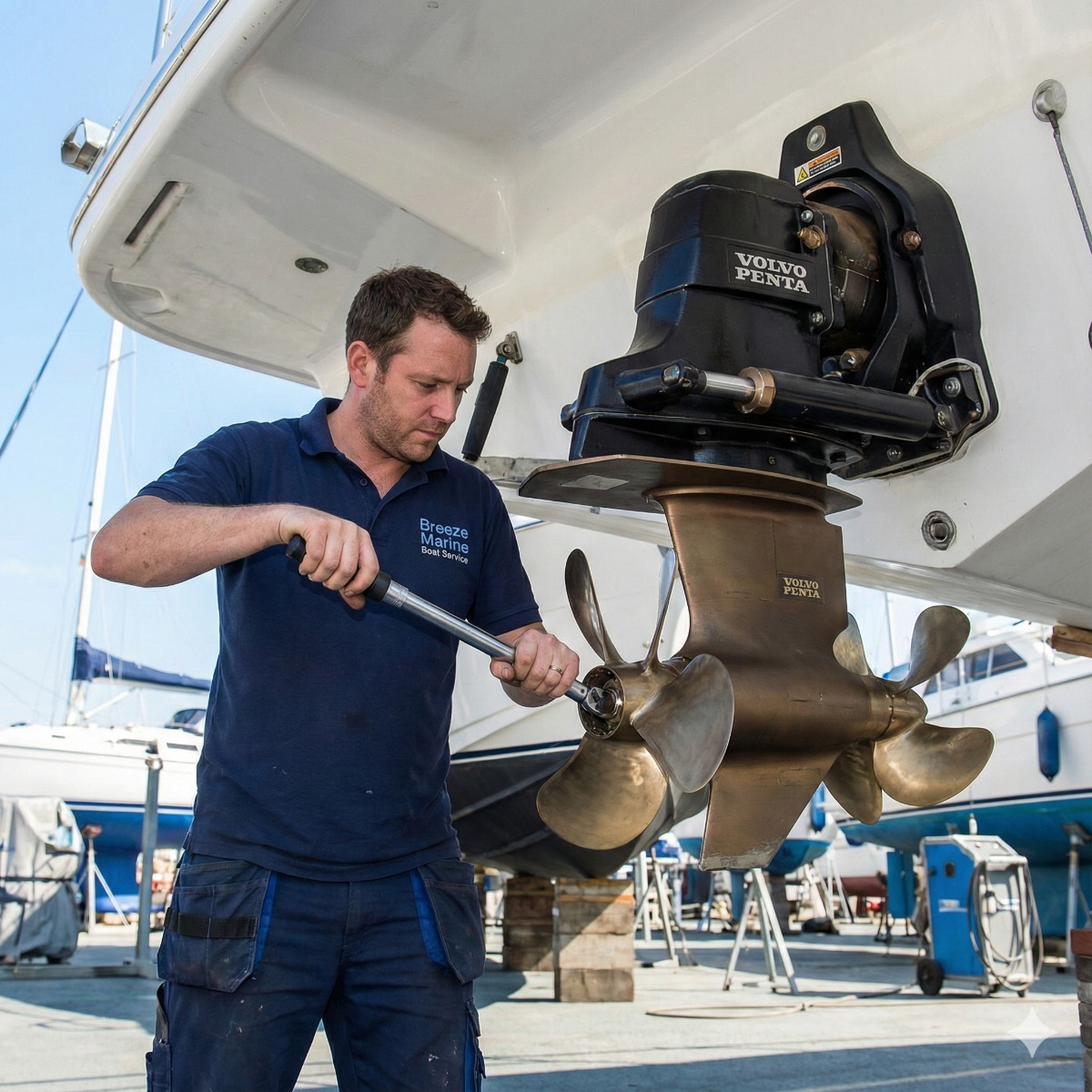
With the boat out of the water, we remove the outdrive unit completely to access the transom assembly. It is also a good time to check the U-joints for rust.
Clean & Prep
Old glue and corrosion are the enemy. We clean the old adhesive and corrosion off the aluminum mounting surfaces on the transom shield, so the new bellows seal tightly.
Install & Bond
We install the new bellows using marine-grade bellows adhesive and stainless steel clamps, positioning them exactly to allow full trim and tilt range without binding.
Alignment
We insert the alignment tool. If it doesn't slide in with two fingers, we adjust the front engine mounts until it does. Only then do we reinstall the drive.
Silence the Growl.
Smooth operation starts here.
Service Life.
Don't wait until they leak.
Common Questions
How do I know if my bellows are bad?
The simplest check is a visual one. Look for cracks in the rubber folds when the drive is tilted up. If you see water in the bilge that isn't coming from the engine, have the bellows checked.
Should I change the shift cable too?
Yes, we recommend it. The shift cable runs through the bellows, and with the drive already off, replacing the cable now saves taking the drive off again later just for the cable.
Bellows and Gimbal Bearing Service Together
The bellows and gimbal bearing are serviced as a pair for a practical reason: a leaking bellows lets water wash the grease out of the bearing, and the drive has to come off to reach either one. Doing both in one visit means the transom assembly is opened only once, and the engine alignment is checked before the drive goes back on.
You can spot the warning signs yourself. Tilt the drive up and look for cracks in the rubber folds, check for water in the bilge that is not coming from the engine, and listen for a growl that changes with engine speed. Follow the maker's replacement schedule, have the bellows checked at every annual service, and consider replacing the shift cable at the same time, since it runs through the bellows.
Reviews 5
Questions 7
Related Posts
-
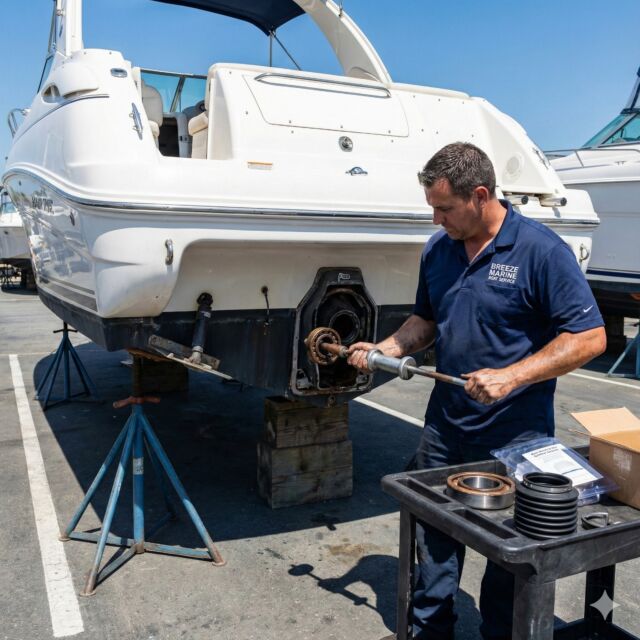


 Why a sterndrive growls when you turn, how a leaking bellows ruins the gimbal bearing, what owners can check at the transom and what the repair involves.