
Marine Autopilot Installation & Calibration
Labor estimate Usually 4–8 hours
Book sends us a ticket; nothing is charged online. Before any work you get a written estimate for labor, parts and the trip fee, and nothing is done without your OK.
Trip fee By distance, one way: $30 in San Pedro, $50 in Long Beach
- San Pedro$30
- Wilmington, Terminal Island$40
- Long Beach: Shoreline, Rainbow Harbor$50
- Long Beach Marina, Alamitos Bay$60
- Redondo Beach$60
- Seal Beach, Huntington Harbour$75
- Marina del Rey$85
- Newport Beach$110
Farther away: $25 plus $2.50 a mile, one way from our San Pedro shop. No trip fee when the boat comes to our shop, or for plan members. The work of a visit is at least $150; the trip fee is on top.
- Registered in California
- Breeze Marine Boat Service LLC, San Pedro
- Where we work
- At your slip from Marina del Rey to Newport Beach, or in our San Pedro shop
- Questions first
- (213) 693-0224 or submit a ticket
About this service
The Virtual
Crew Member.
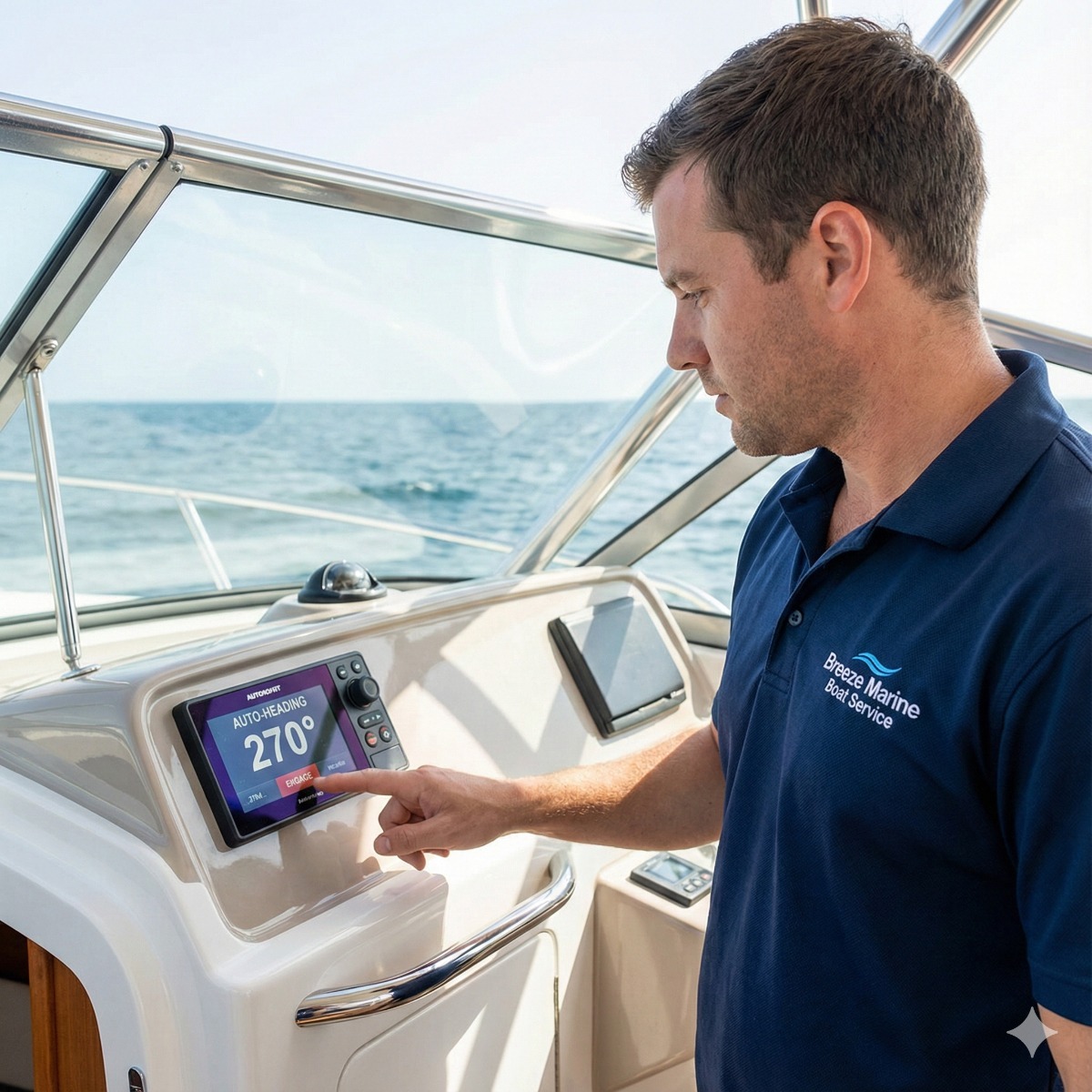
Hand-steering for hours across the channel is exhausting. Our marine autopilot installation covers advanced systems that hold a steady heading, so you can focus on navigation, fishing and keeping a good lookout.
Solid-State Sensing
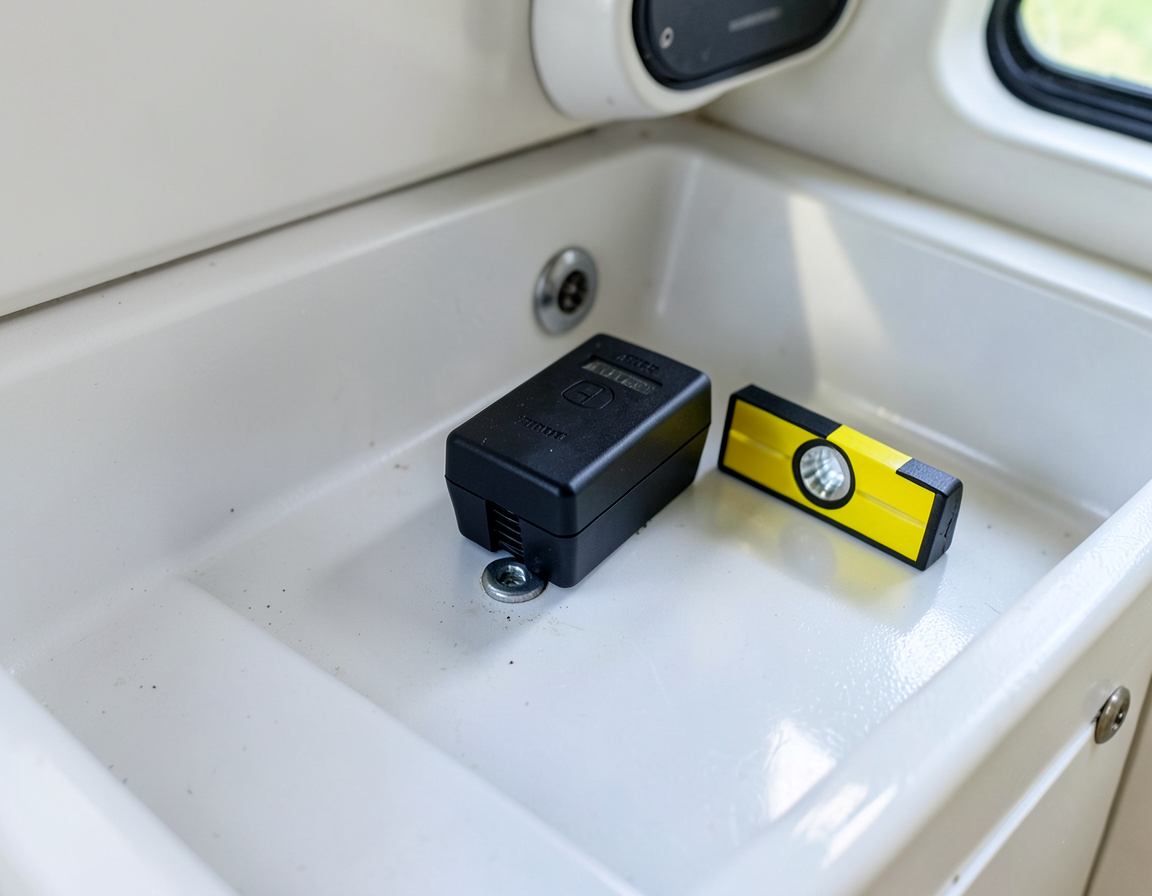
Modern autopilots use 9-axis solid-state sensors (like the Garmin Reactor or Raymarine EV-1) to detect boat movement in 3D. They react to waves quickly and correct the rudder as the bow starts to swing off course.
Hydraulic Integration
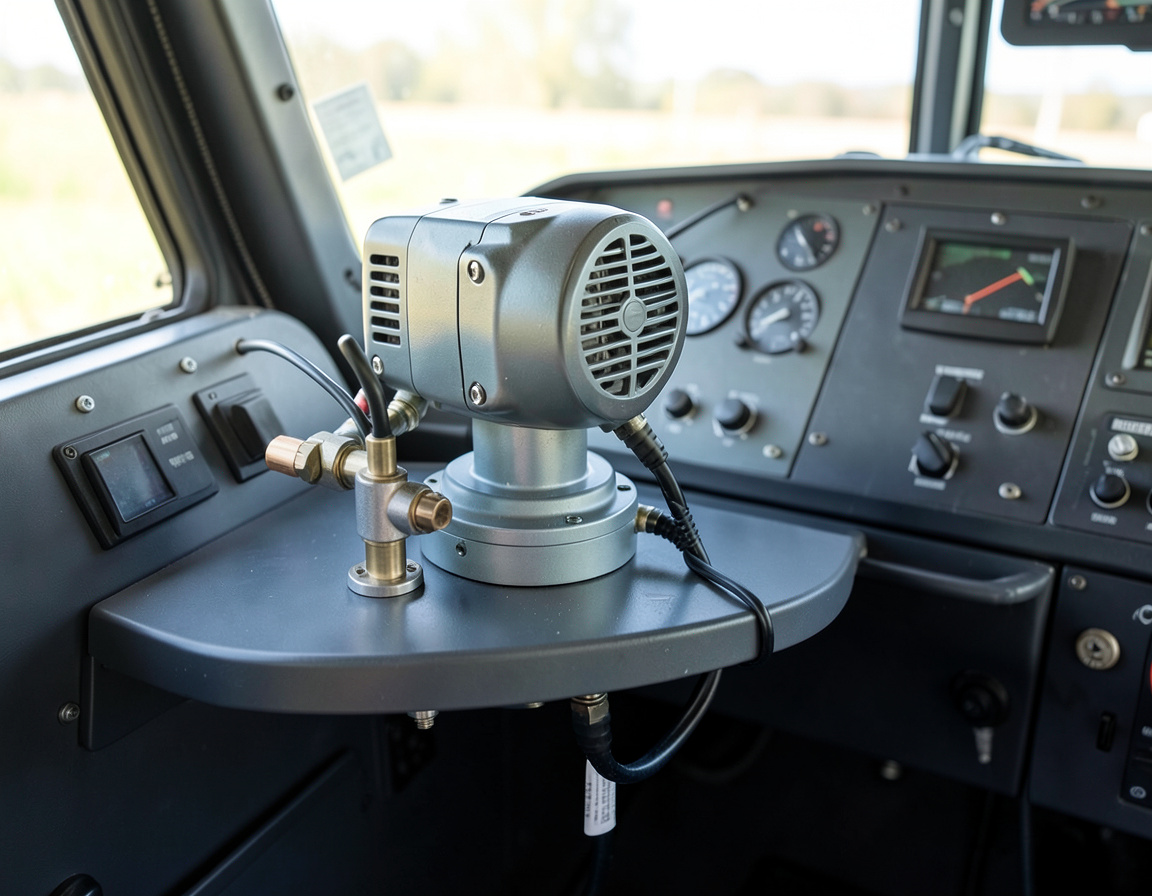
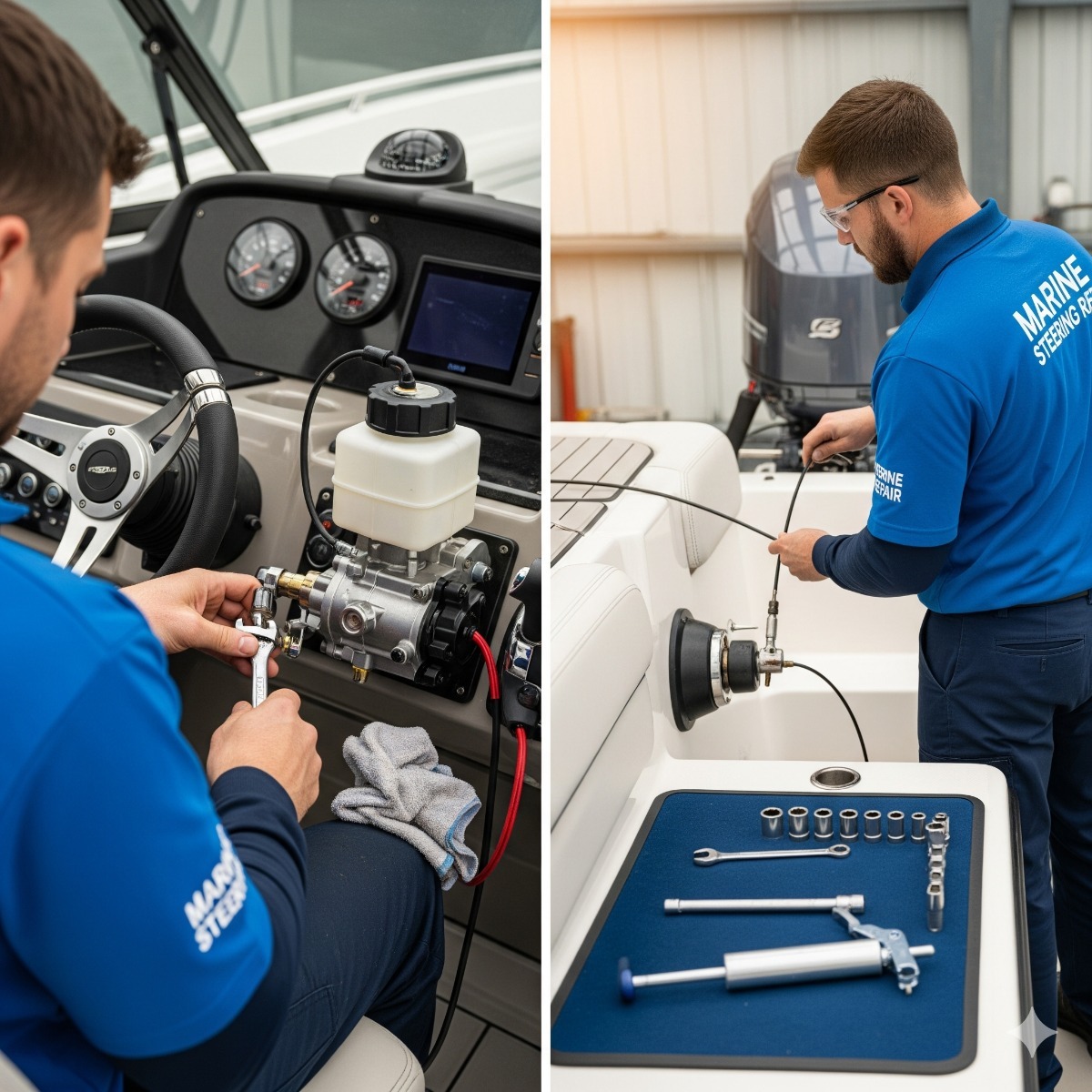
For a hydraulic steering autopilot, we plumb the autopilot pump directly into your existing SeaStar or U-Flex hydraulic lines. The pump sits out of sight below decks and moves the steering when the autopilot is engaged.
Route Following
Once connected to your chartplotter via NMEA 2000, the autopilot can follow complex routes, zig-zag patterns for fishing, or simply steer to a waypoint at the touch of a button.
Installation Protocol.
Precise plumbing and magnetic isolation.
Pump Splicing
We cut into the hydraulic steering lines, install T-fittings, and mount the electric autopilot pump securely to avoid vibration noise.
Sensor Placement
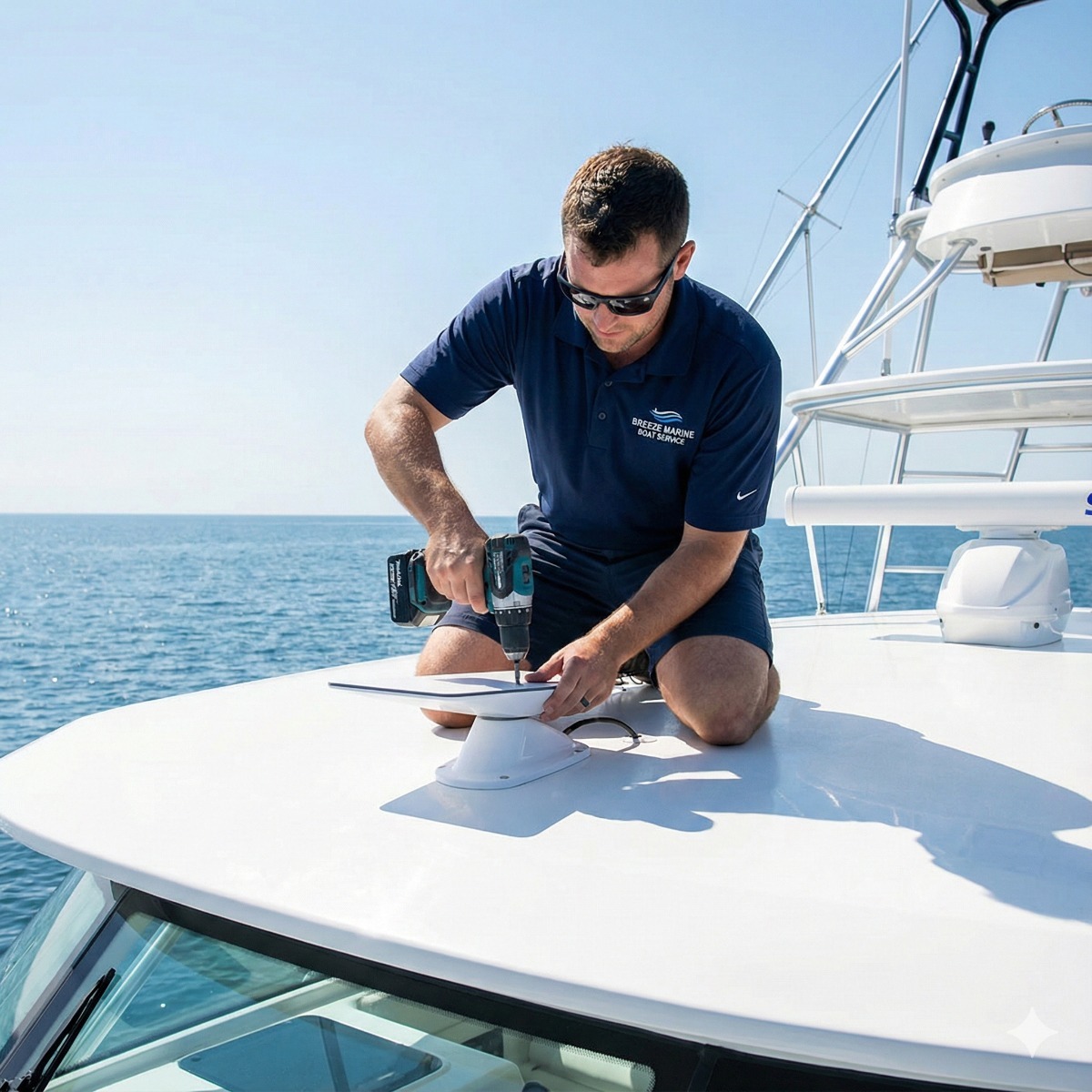
The Heading Sensor (Compass) is critical. We check your boat to mount the heading sensor low and center, far away from speakers, magnets, or high-current wires.
Bleed & Purge
We bleed the hydraulic lines until no air is left. Air bubbles cause "spongy" steering and autopilot wandering.
Sea Trial
We take the boat out to perform the "Auto-Learn" procedure. The computer learns the boat's turning radius and reaction time for smooth steering.
Hands-Free Control.
Steady steering on long runs.
Supported Platforms.
Autopilots we install.
Common Questions
Will it weave back and forth?
Usually only when it is not calibrated well. The "snake" pattern happens when the pilot over-steers. Our autopilot calibration during the sea trial tunes the "Gain" and "Counter-Rudder" settings to stop this behavior in normal conditions.
I have cable steering. Can I get one?
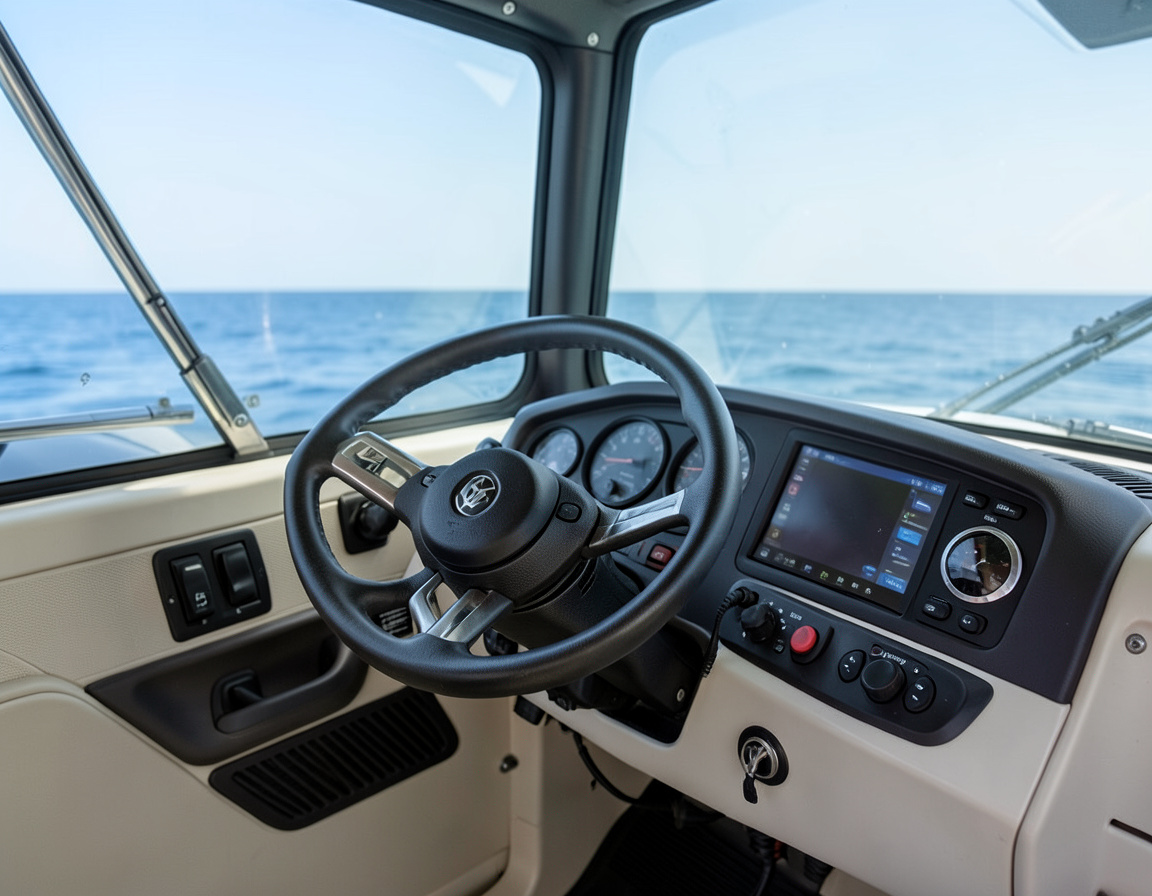
Yes, but a cable steering autopilot requires a different drive unit (Linear Drive or Rotary Drive) rather than a hydraulic pump. We check your helm and steering and quote the right drive.
Matching the Autopilot Drive Unit to Your Steering
The autopilot drive unit is the part that physically moves the steering, so it is chosen to suit the helm, the steering cylinder and the size of the boat. Hydraulic systems take a pump teed into the steering lines, while mechanical cable steering needs a linear or mechanical drive.
We plan the drive, course computer and heading sensor together as one marine electronics installation, so power cables, NMEA 2000 connections and the chartplotter work as a single system.
Reviews 4
Questions 7
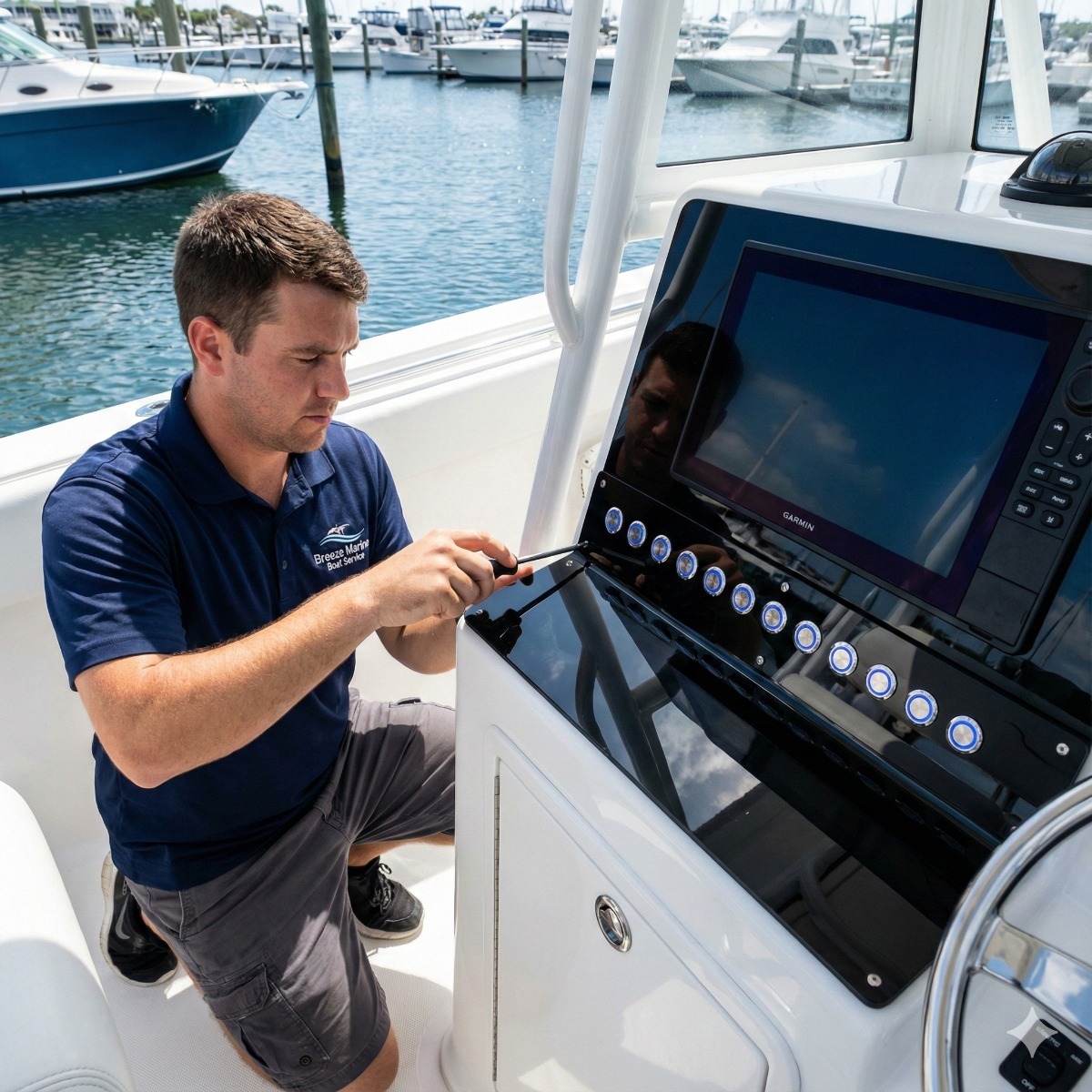
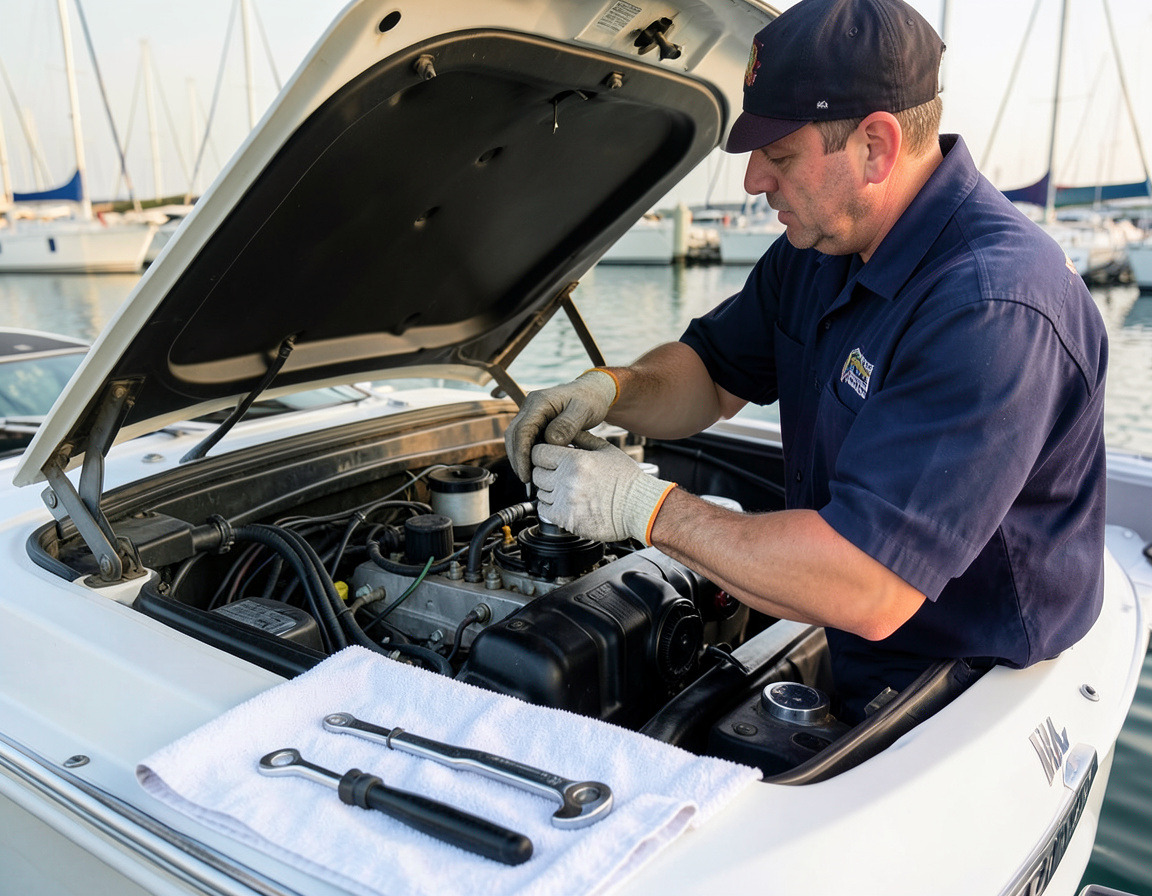
Related Posts
-
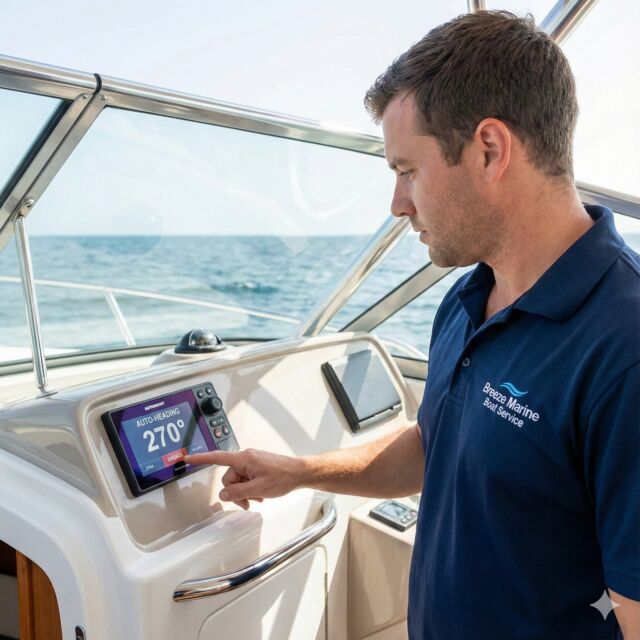


 A good autopilot installation is more than a control head at the helm. Learn the parts of an autopilot system, how the drive is matched to your steering, where the heading sensor should go, why...