
Lower Unit Reseal & Pressure Testing
Labor estimate Usually 2–4 hours
Book sends us a ticket; nothing is charged online. Before any work you get a written estimate for labor, parts and the trip fee, and nothing is done without your OK.
Trip fee By distance, one way: $30 in San Pedro, $50 in Long Beach
- San Pedro$30
- Wilmington, Terminal Island$40
- Long Beach: Shoreline, Rainbow Harbor$50
- Long Beach Marina, Alamitos Bay$60
- Redondo Beach$60
- Seal Beach, Huntington Harbour$75
- Marina del Rey$85
- Newport Beach$110
Farther away: $25 plus $2.50 a mile, one way from our San Pedro shop. No trip fee when the boat comes to our shop, or for plan members. The work of a visit is at least $150; the trip fee is on top.
- Registered in California
- Breeze Marine Boat Service LLC, San Pedro
- Where we work
- At your slip from Marina del Rey to Newport Beach, or in our San Pedro shop
- Questions first
- (213) 693-0224 or submit a ticket
About this service
Hold Pressure.
Keep Water Out.
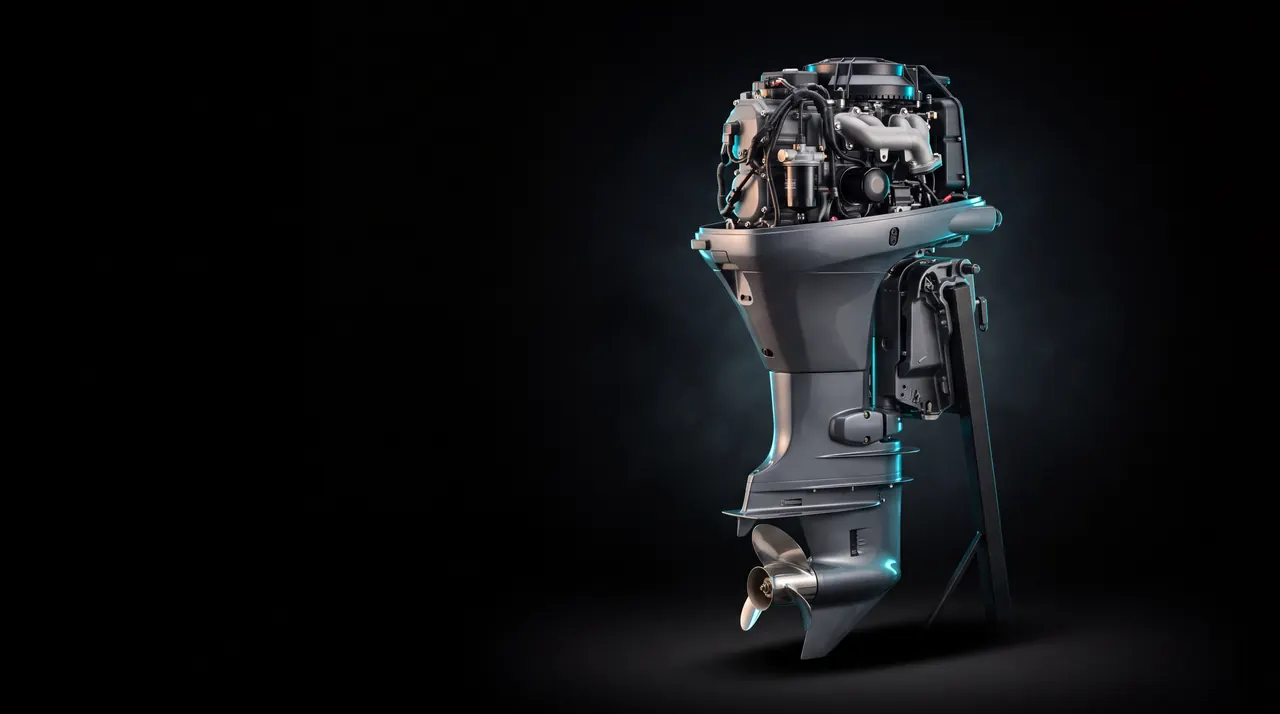
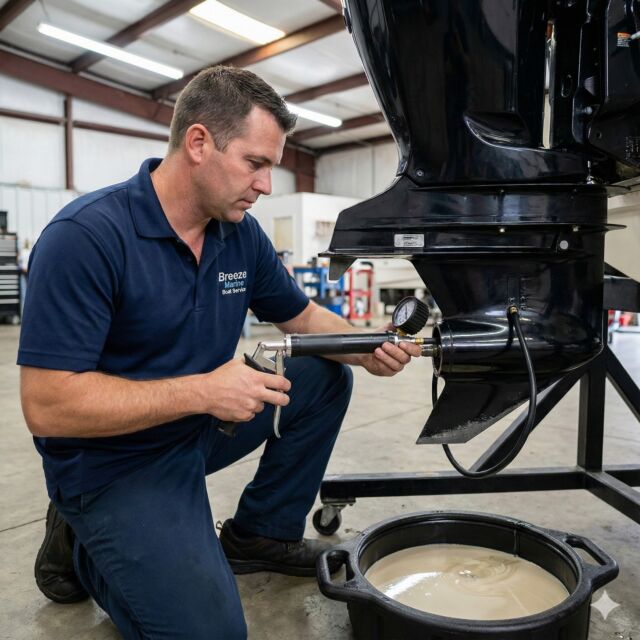
Milky gear lube is the first sign of disaster. Water in lower unit gear oil rusts gears and destroys bearings. We use precision pressure and vacuum testing to identify failing seals before they cost you a lower unit.
Pressure & Vacuum
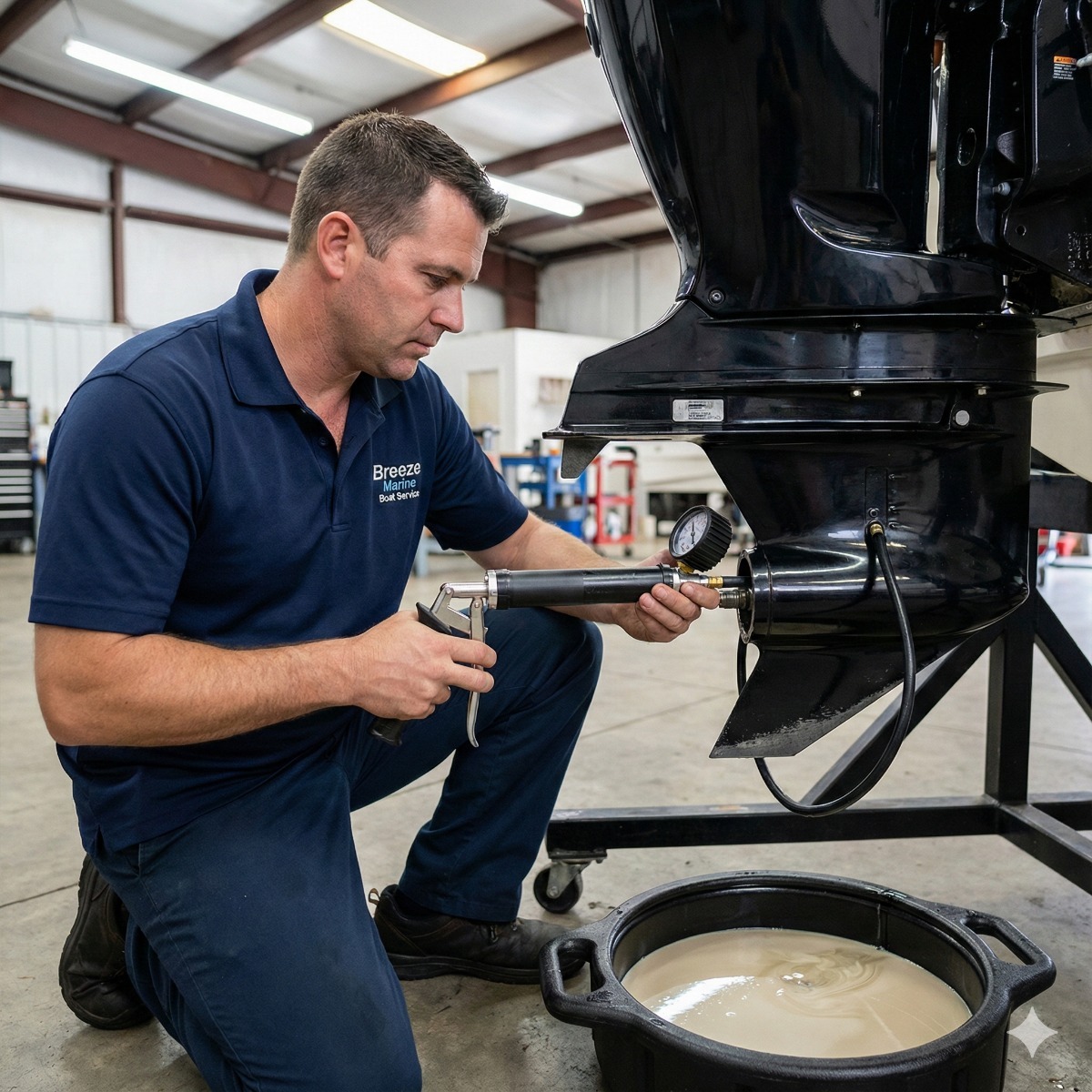
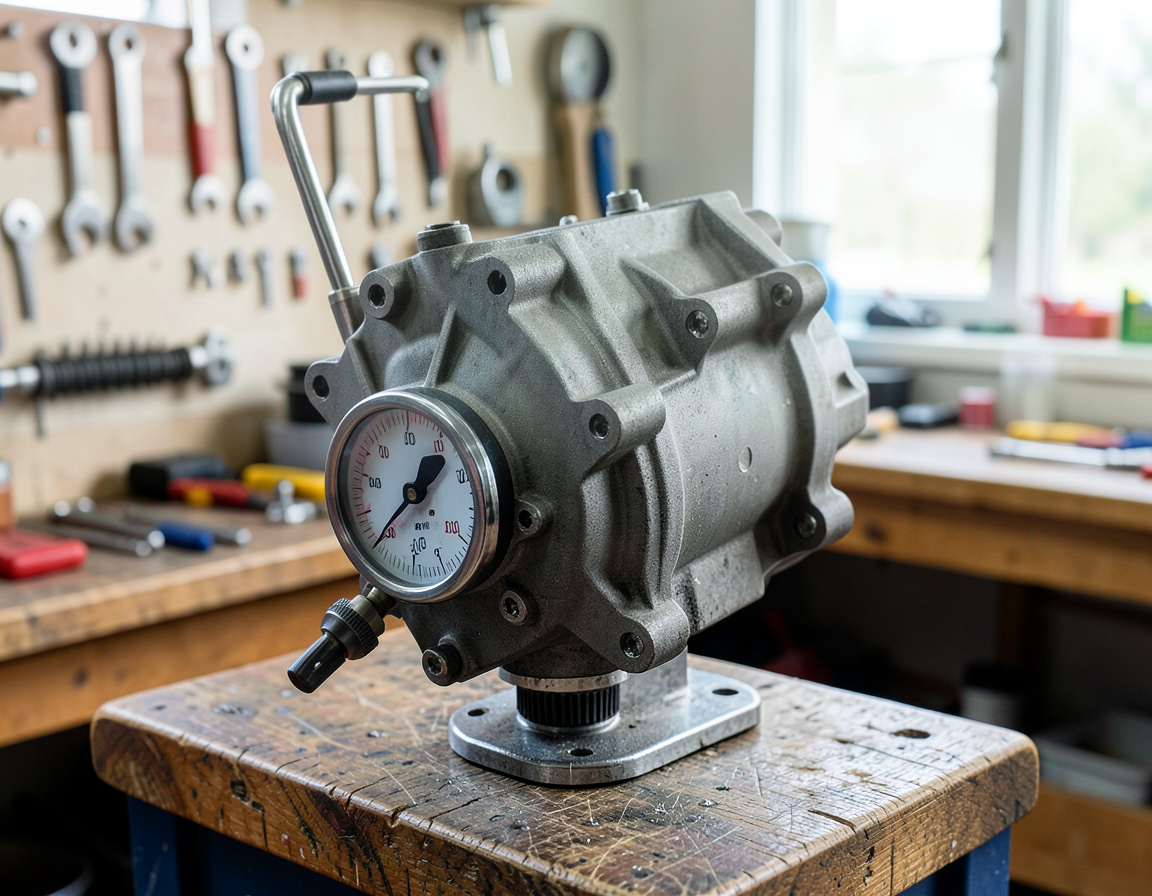
We don't just guess. For a lower unit pressure test, we drain the unit and pressurize it to 10-15 PSI to find leaks that let oil out. Then we pull a vacuum to find leaks that suck water in (cooling phase). If it holds both, the seals are sound.
Complete Reseal
When a leak is found, we perform a complete teardown, with the boat out of the water. We replace the prop shaft seals, drive shaft seals beneath the water pump, shift shaft seals, and all carrier O-rings with OEM quality parts.
Leak Detection
Using soapy water and UV dye, we pinpoint the exact failure point. Is it a fishing line cut on the prop shaft? A corroded shift seal? We identify the root cause so the new seals last.
The Reseal Procedure.
A rigorous defense against saltwater.
Drain & Pressure Test
We drain the old lube (checking for water/metal) and hook up the pressure tester. We inflate to 12 PSI and watch for a drop. A drop = a leak.
Disassembly
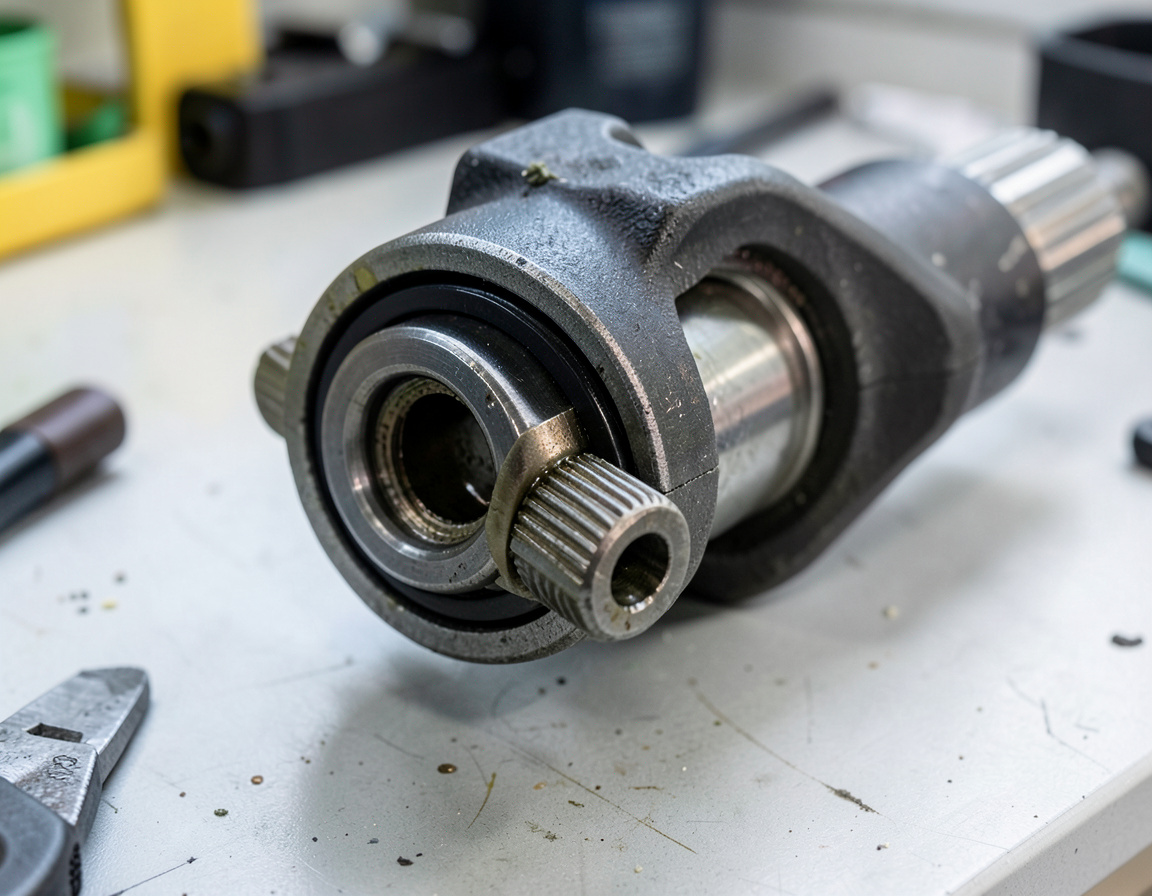
We pull the bearing carrier and water pump base. We inspect the shafts for grooving (which ruins new seals): light wear is polished out, and a grooved shaft gets a repair sleeve (Speedi-Sleeve) or is replaced.
Seal Installation
Using specialized drivers, we install new double-lip seals. We ensure the springs face the correct direction (oil side vs water side) for maximum protection.
Final Verification
Before adding oil, we test the unit again. It must hold pressure and vacuum for the time the maker specifies, with no drop. Only then do we fill it with the gear lube the maker specifies.
Sealed Tight.
Quality components make the difference.
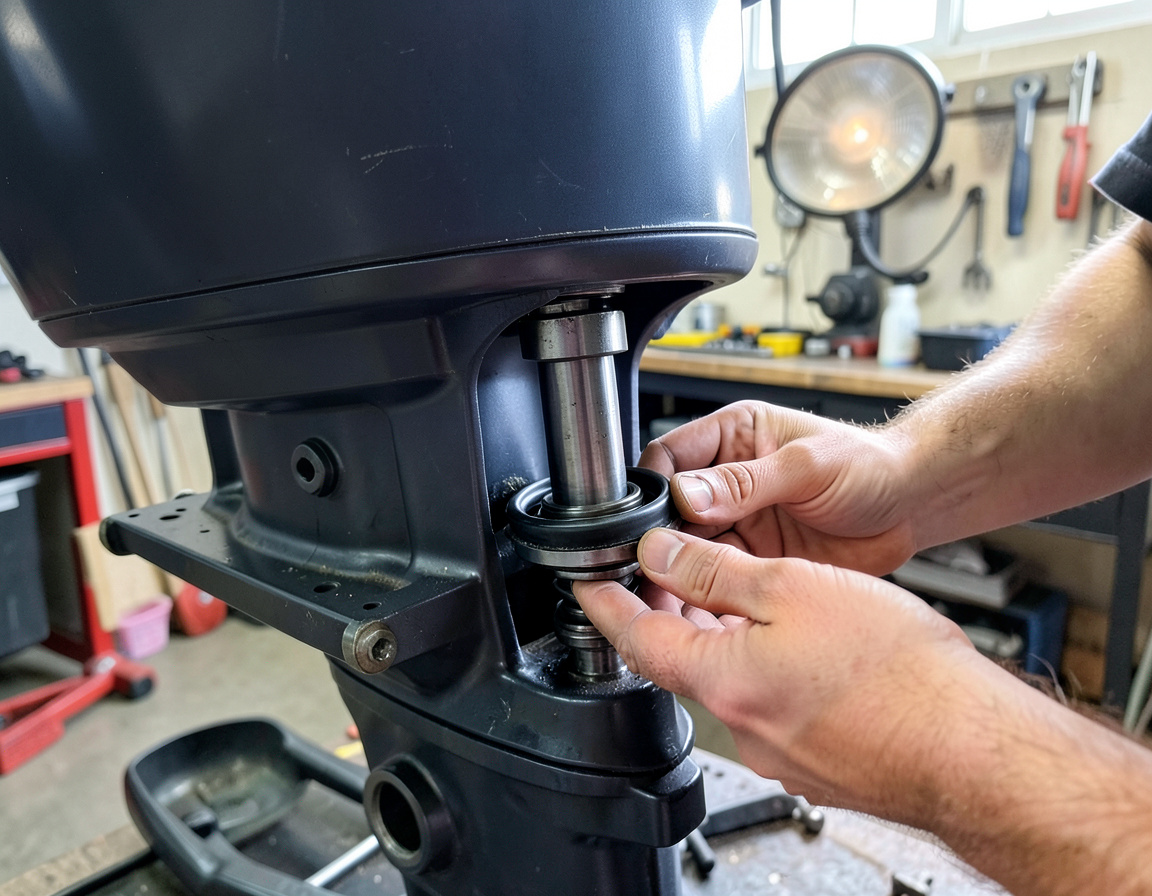
Test Specs.
We follow factory standards.
Common Questions
What causes seals to fail?
The most common culprit is fishing line wrapped around the prop shaft, which cuts the rubber and makes prop shaft seal replacement necessary. Age, heat cycling, and sitting dry for long periods also cause the rubber to crack.
Can I just refill the oil and ignore it?
No. Water is heavier than oil and settles at the bottom, rusting the gears and bearings. A lower unit leak left alone usually ends in a gearcase failure, which costs far more than a reseal.
Reviews 4
Questions 7


Related Posts
-


 Milky or watery gear oil means seawater is getting into the gearcase. Learn which seals fail, how leaks are tested and what a reseal involves before damage spreads.