

Exhaust Riser & Elbow Replacement
The $30,000
Mistake.
Exhaust risers are the #1 killer of marine engines. They fail internally, silently leaking saltwater into your cylinders. We catch it before it happens.
The Mixing Point
The "elbow" is where 1200°F exhaust gas meets cold seawater. It's a harsh environment that corrodes cast iron from the inside out, often invisible until it's too late.
"Weeping" Rust
See a small rust streak at the joint between the manifold and riser? That is a critical warning sign. It means the gasket has failed, and internal failure is imminent.
OEM or Upgrade
We install factory-spec cast iron replacements for Mercruiser and Volvo Penta, or upgrade you to custom 316 Stainless Steel mixers for Yanmar diesels.
Replacement Protocol.
Careful extraction to protect the engine block.
Inspect
We visually inspect the exterior joints for rust "bleeding" and check the manifold temperature with thermal imaging.
Remove
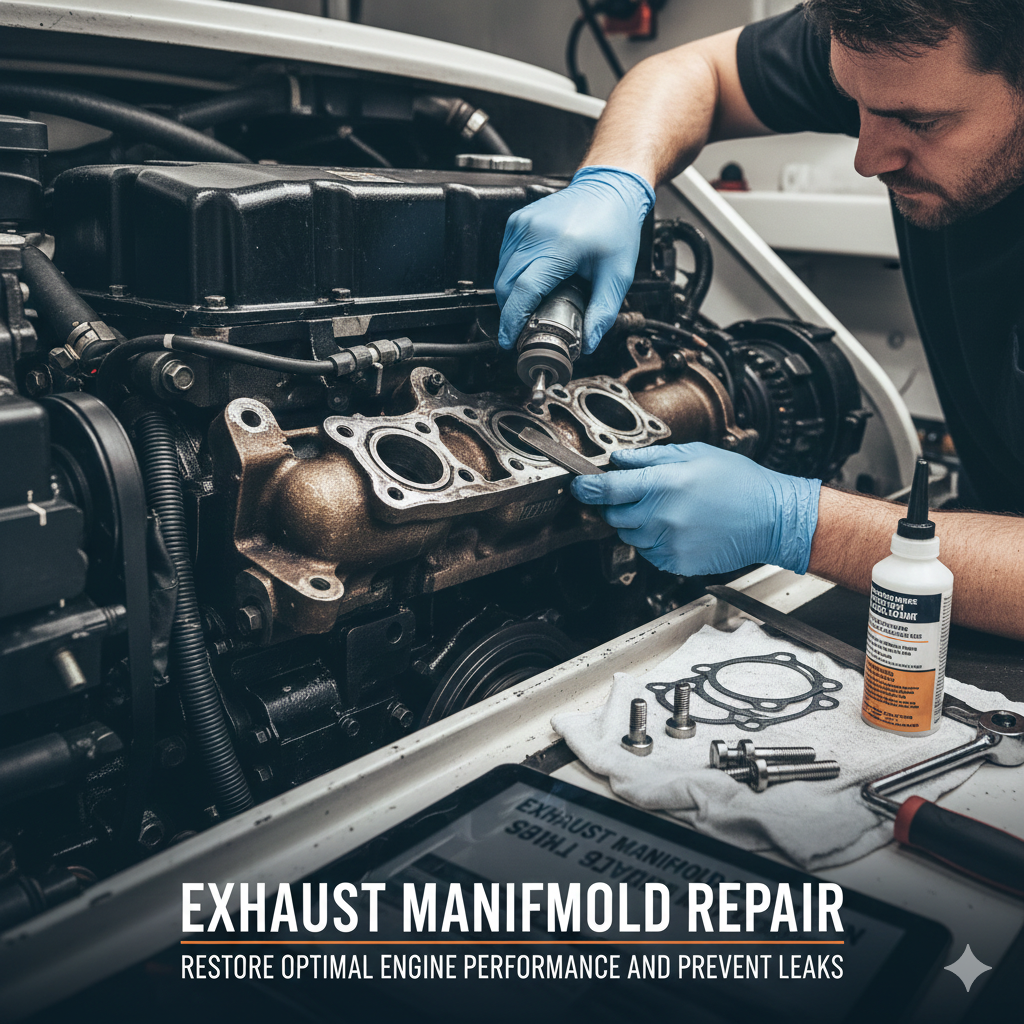
We carefully remove the old elbows, often dealing with seized bolts. We check the manifold mating surface for flatness.
Install
New risers are installed with high-quality gaskets (graphite or multi-layer steel) and torqued to spec.
Test
We run the engine to verify water flow and ensure there are absolutely no leaks at the new joints.
Prevent the Leak.
Replacing the part before it kills the engine.
Materials Matter.
We use components designed to survive the salt.
Common Questions
How often should I replace them?
In saltwater, cast iron risers should be inspected every year and typically replaced every 3 to 5 years. Waiting longer is gambling with your engine.
What happens if they fail?
Water drains backward into the engine through the open exhaust valves. This causes "hydro-lock," bending rods and rusting pistons. The engine is usually a total loss.
| Manufacturer | Breeze Marine Boat Service |
|---|
-
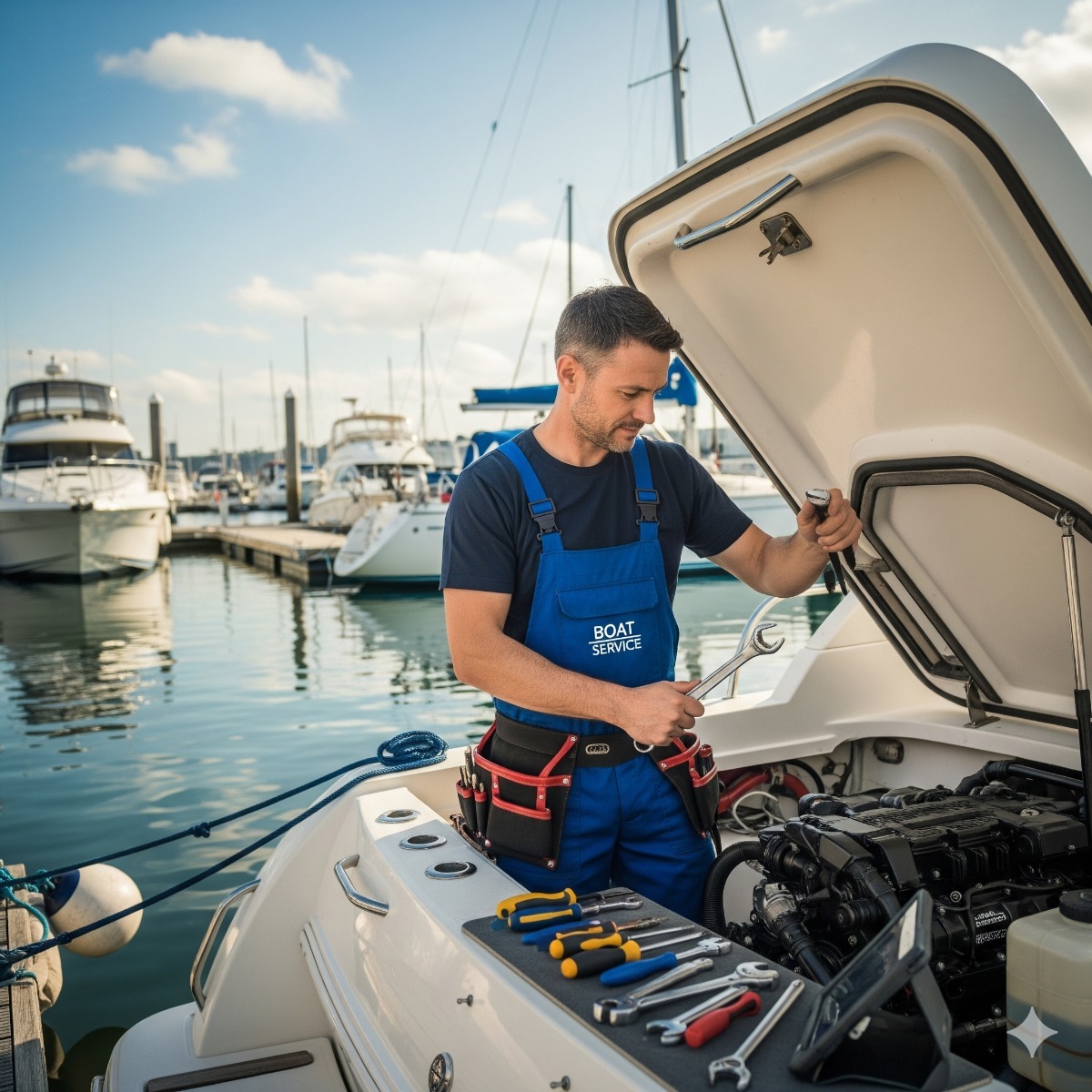 Boat Service$150.00
 -
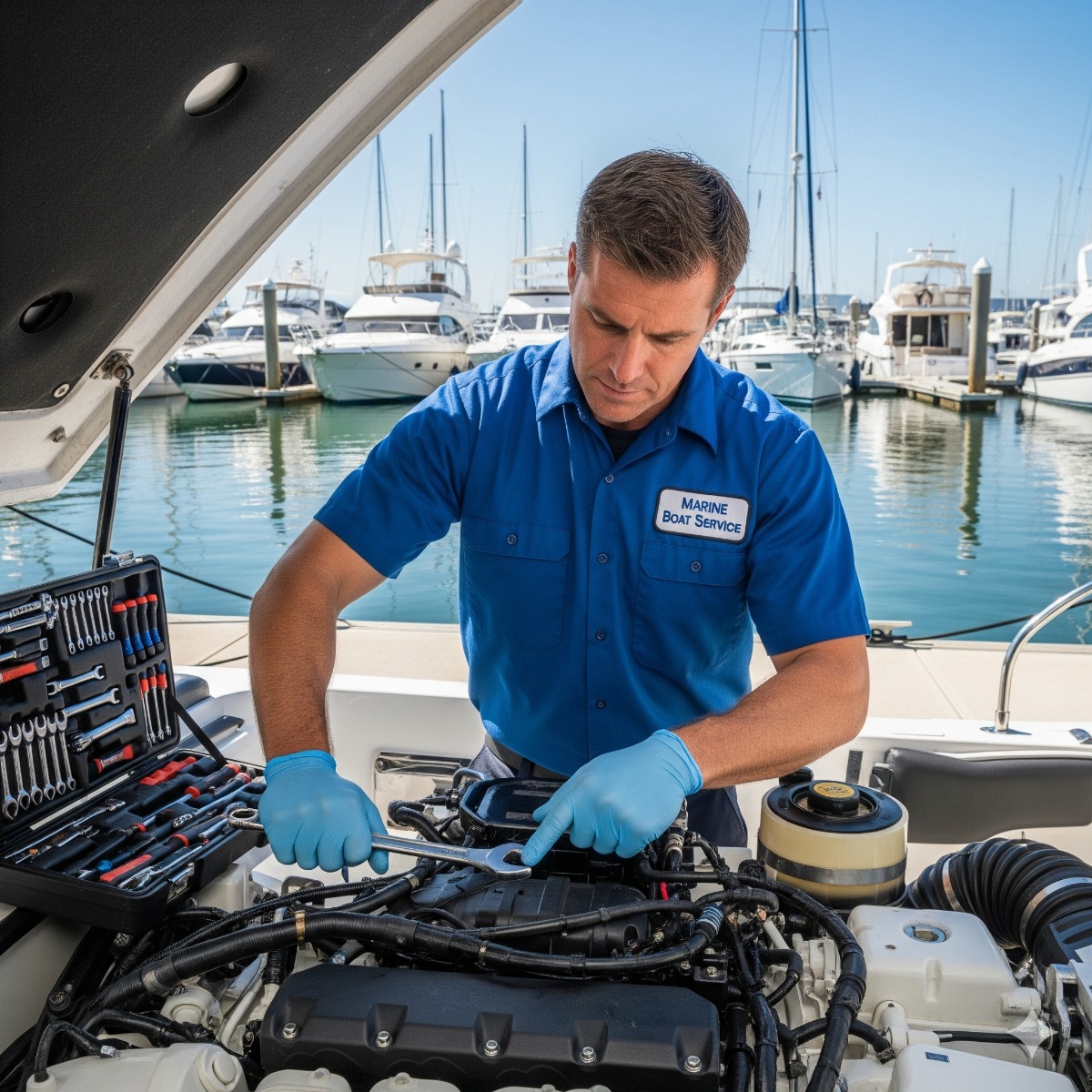 Marine Boat Service$150.00