

Engine Block Boring & Honing
The Foundation
of Power.
When cylinders are scored, tapered, or out-of-round, compression is lost. We don't just patch engines; we re-machine the block to better-than-factory specifications for a true zero-hour marine engine rebuild.
Precision Boring
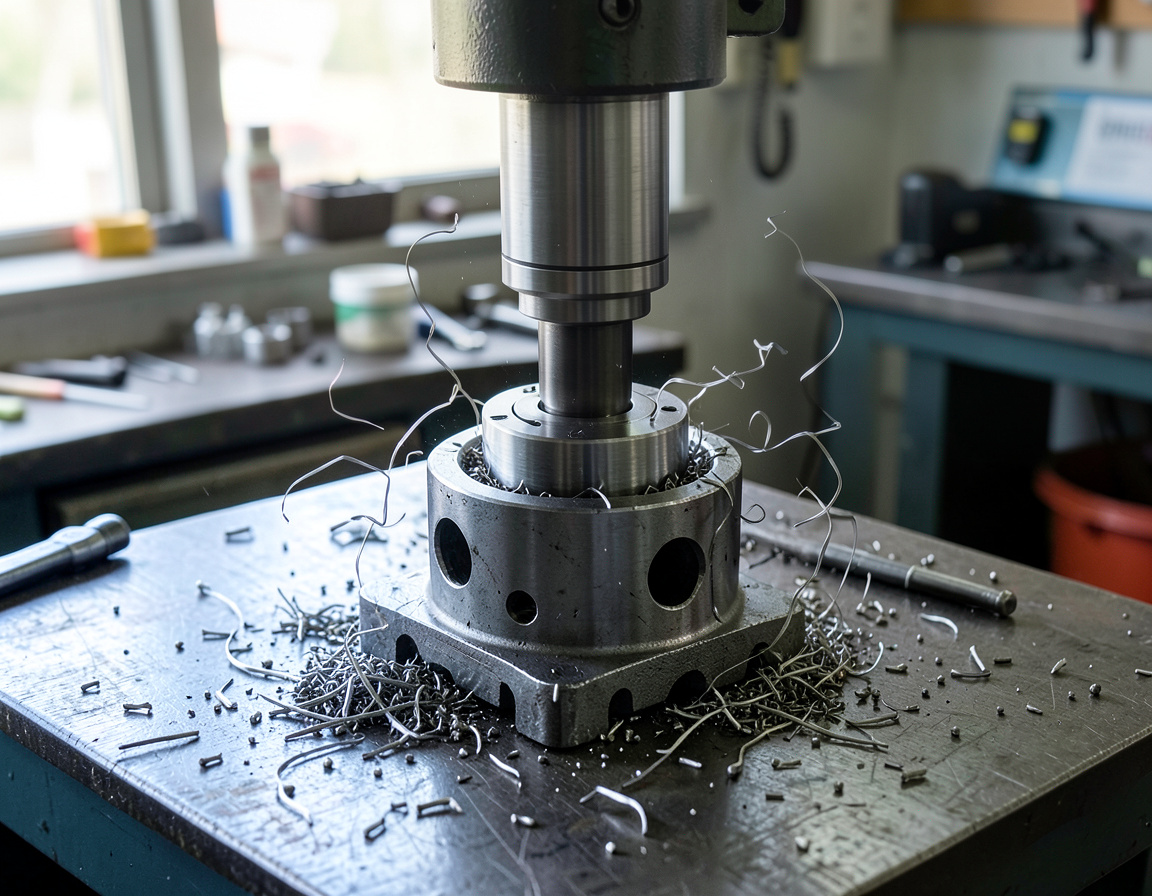
Using heavy-duty vertical boring mills, we cut the cylinder walls square and true, removing damage and enlarging the bore to match new, oversized pistons precisely.
Diamond Honing
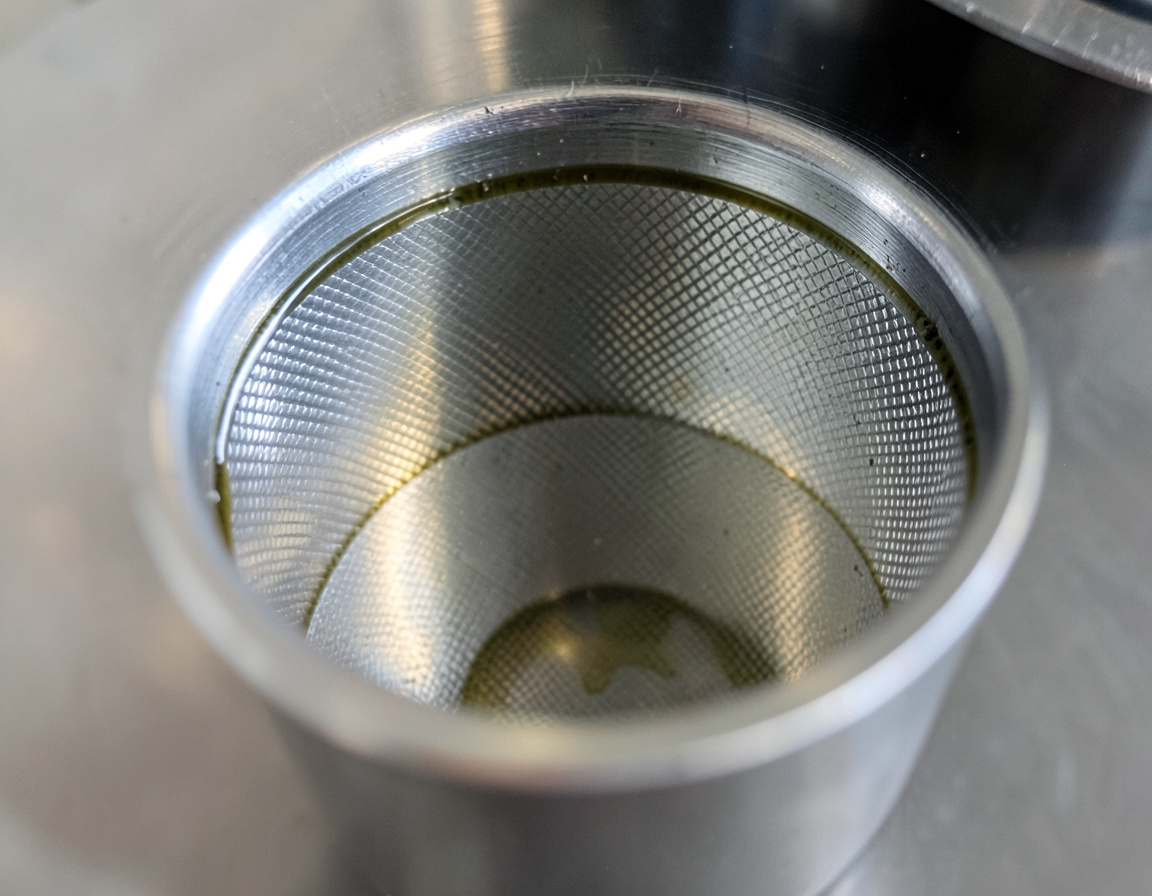
The finish is everything. For cylinder honing, we use diamond abrasives to create the perfect cross-hatch pattern. This holds oil for ring lubrication while ensuring immediate piston ring seating and sealing.
Cylinder Sleeving
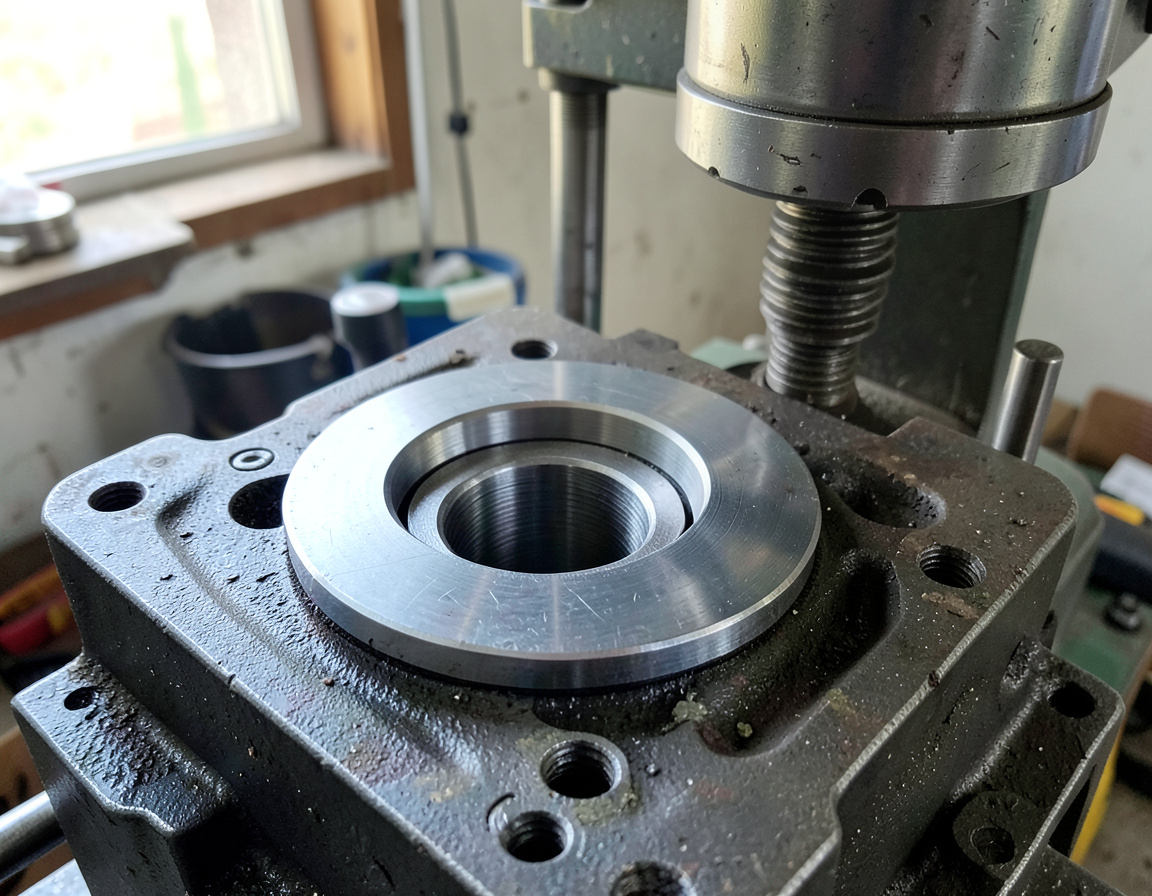
Is one cylinder damaged beyond boring? We can save the block by machining out the damage and pressing in a new, hardened steel cylinder sleeve, returning it to standard bore size.
The Machining Protocol.
Accuracy measured in ten-thousandths of an inch.
Measure & Qualify
We use bore gauges to measure taper and out-of-roundness. We determine the required oversize piston and verify block integrity before cutting.
The Bore
The block is fixture-mounted in our boring mill. We make precise cuts to enlarge the cylinder, leaving just enough material for the final torque plate honing.
Torque Plate Hone
We bolt a heavy "torque plate" to the deck to simulate the stress of an installed cylinder head, ensuring the bores stay perfectly round under operating conditions.
Final Wash
Honing creates microscopic grit. We hot-tank and pressure wash the block repeatedly until a white glove test comes back spotless, ready for assembly.
The Finishing Touch.
Visible precision on the cylinder walls.
Machine Shop Capabilities.
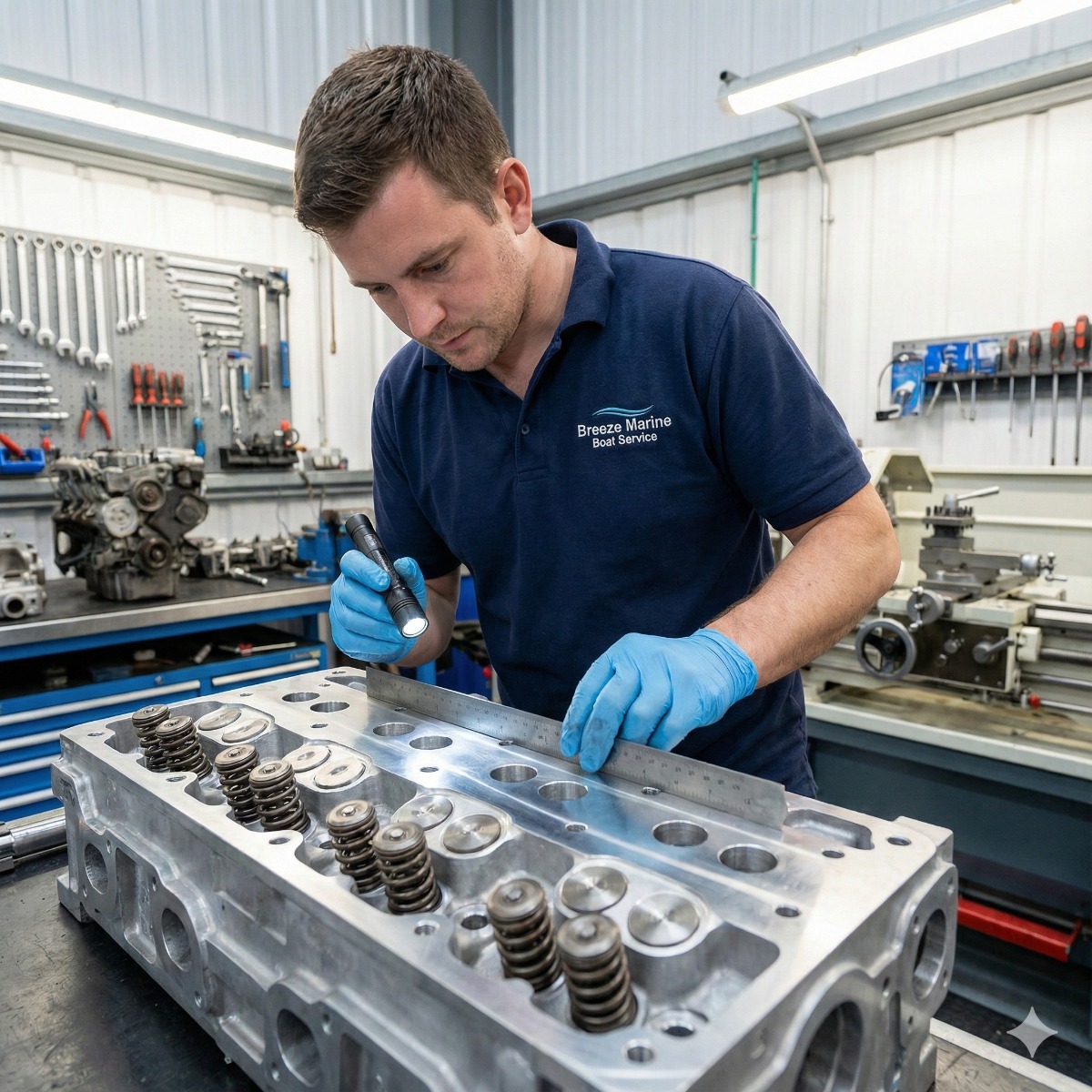
Handling both cast iron and aluminum blocks.
Common Questions
Why bore instead of just honing?
If a cylinder has deep scoring, rust pits, or significant wear "lips" at the top, simple honing won't fix it. Boring is required to remove the damaged metal and create a new, true surface for oversized pistons.
Do you supply the pistons?
Yes. We strongly prefer to supply the new pistons and rings. We must have the *exact* pistons in hand before final honing to ensure the specific piston-to-wall clearance is perfect for that manufacturer.
Marine machine shop Long Beach: getting a quote
When you request a quote for machine work, tell us the engine make and model, whether it is gas or diesel, and what you found at teardown, such as deep scoring, rust pits, a wear lip or a cylinder damaged beyond boring.
Final honing is matched to the exact pistons, so let us know if you want us to supply the new pistons and rings. We work with boat owners in Long Beach, San Pedro, Huntington Beach, Newport Beach and across LA and Orange County.
| Manufacturer | Breeze Marine Boat Service |
|---|

Related Posts
-
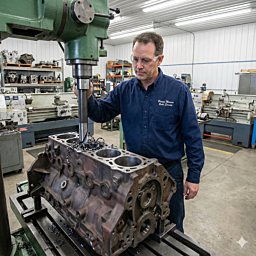


 How cylinder wear is measured during a marine engine rebuild, and when a block needs only a hone, a full bore with oversized pistons, or a new sleeve.