
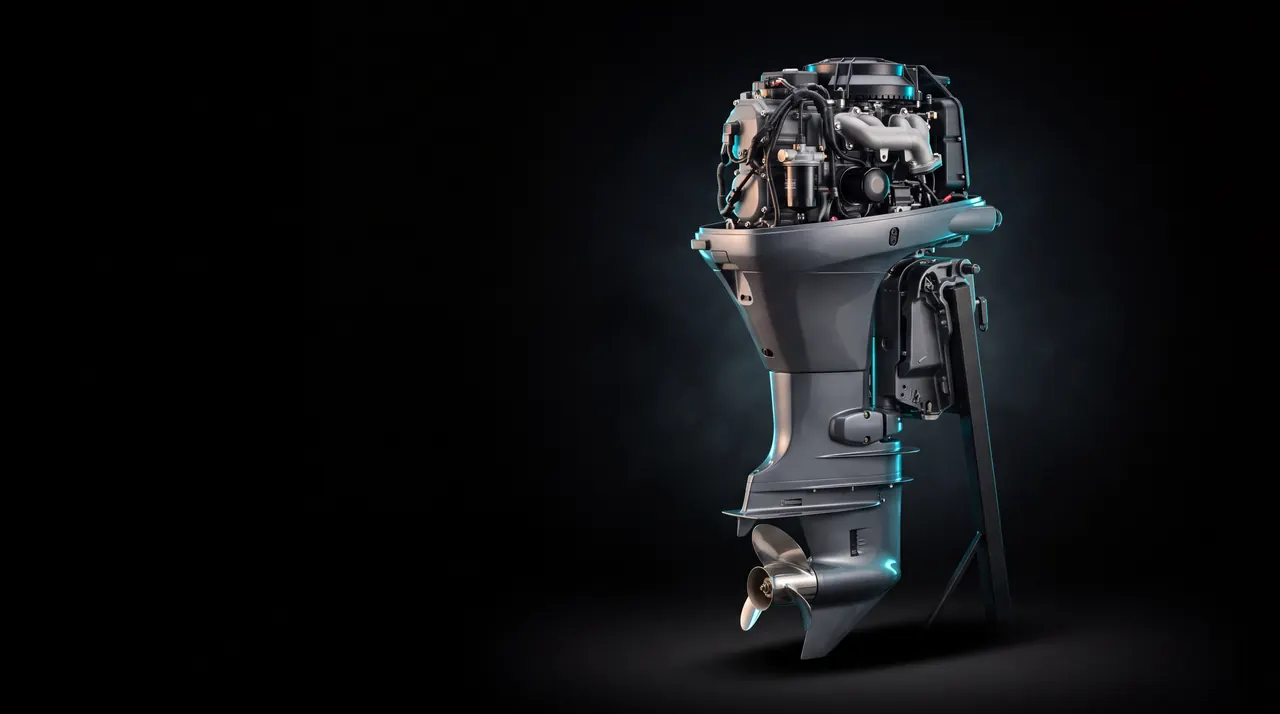
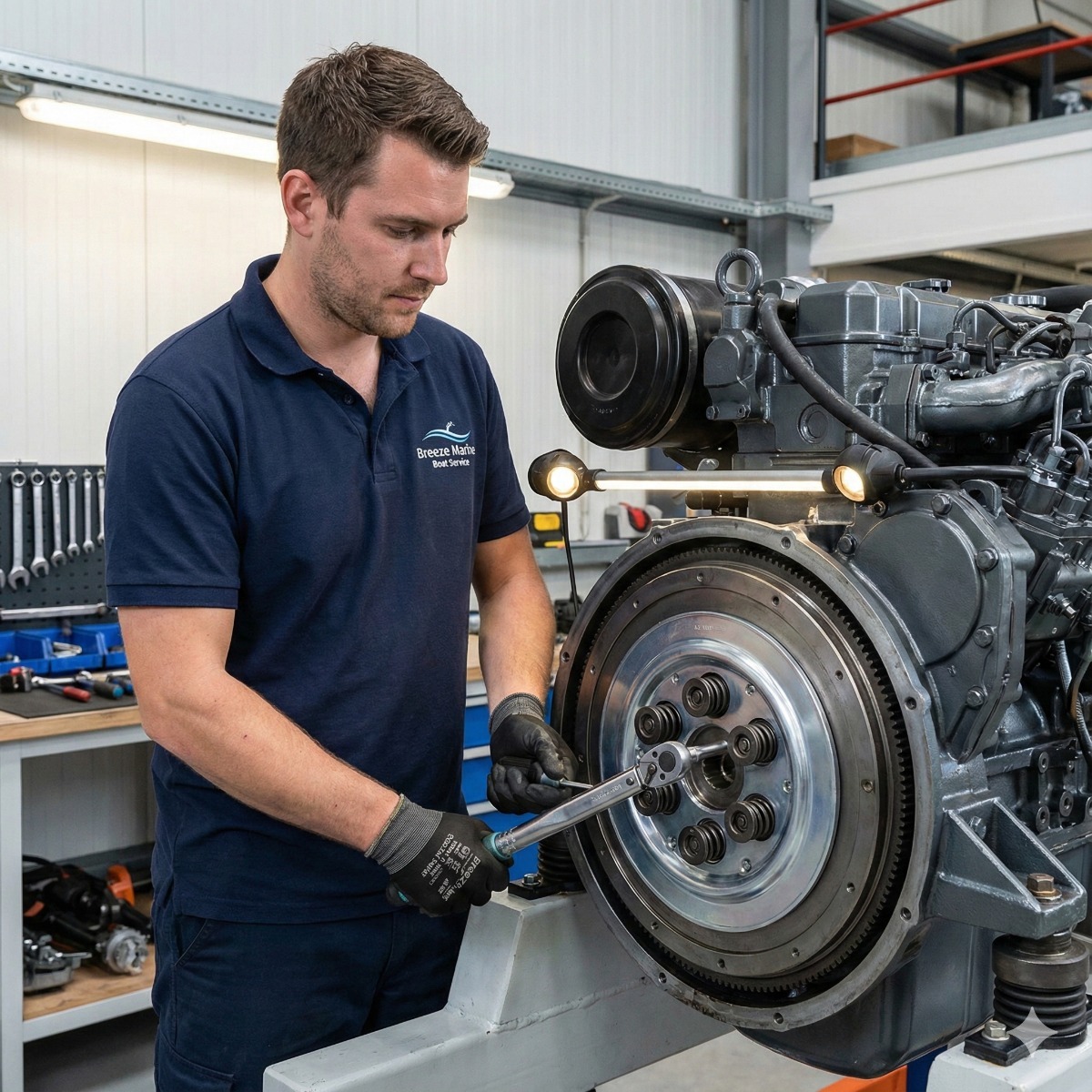
Damper Plate Replacement– Idle Rattle
Labor estimate Quoted after inspection
Book sends us a ticket; nothing is charged online. Before any work you get a written estimate for labor, parts and the trip fee, and nothing is done without your OK.
Trip fee By distance, one way: $30 in San Pedro, $50 in Long Beach
- San Pedro$30
- Wilmington, Terminal Island$40
- Long Beach: Shoreline, Rainbow Harbor$50
- Long Beach Marina, Alamitos Bay$60
- Redondo Beach$60
- Seal Beach, Huntington Harbour$75
- Marina del Rey$85
- Newport Beach$110
Farther away: $25 plus $2.50 a mile, one way from our San Pedro shop. No trip fee when the boat comes to our shop, or for plan members. The work of a visit is at least $150; the trip fee is on top.
- Registered in California
- Breeze Marine Boat Service LLC, San Pedro
- Where we work
- At your slip from Marina del Rey to Newport Beach, or in our San Pedro shop
- Questions first
- (213) 693-0224 or submit a ticket
About this service
Quiet the
Rattle.
That loud, metallic clatter at idle isn't your engine falling apart. It's usually an inexpensive part hidden between your engine and transmission. We replace it to quiet the rattle.
"Rocks in a Can"
The symptom of engine rattle at idle is unmistakable: a loud, rhythmic clattering sound that disappears as soon as you rev the engine. It sounds catastrophic, but it's usually just loose springs.
The Shock Absorber
The damper plate (marine drive plate) uses springs to absorb the shock pulses of the engine firing before they hit the transmission gears. When these springs wear out, the plate rattles against the flywheel.
Transmission Safety
Replacing a rattling plate isn't just about noise. A broken spring can fall out and lock up the flywheel or damage the starter. A damper plate replacement now can prevent transmission damage and a costlier boat transmission repair later.
Deep Access Repair.
A simple part that requires major access.
Split Drivetrain
On an inboard we unbolt and slide back the transmission to expose the bell housing area; on a stern drive the engine usually has to come out to reach the coupler.
Remove Plate
We unbolt the old damper plate from the flywheel. This is where we usually find broken springs or loose hubs.
Install Upgrade
We install a new Heavy Duty or High Deflection plate (like R&D Marine) designed to dampen vibration better than stock.
Realign
Crucial step: We reinstall the transmission and check engine alignment at the coupling with feeler gauges (or with the alignment tool on a stern drive), so the input shaft enters straight.
Quiet Confidence.
Return to a smooth, quiet idle.
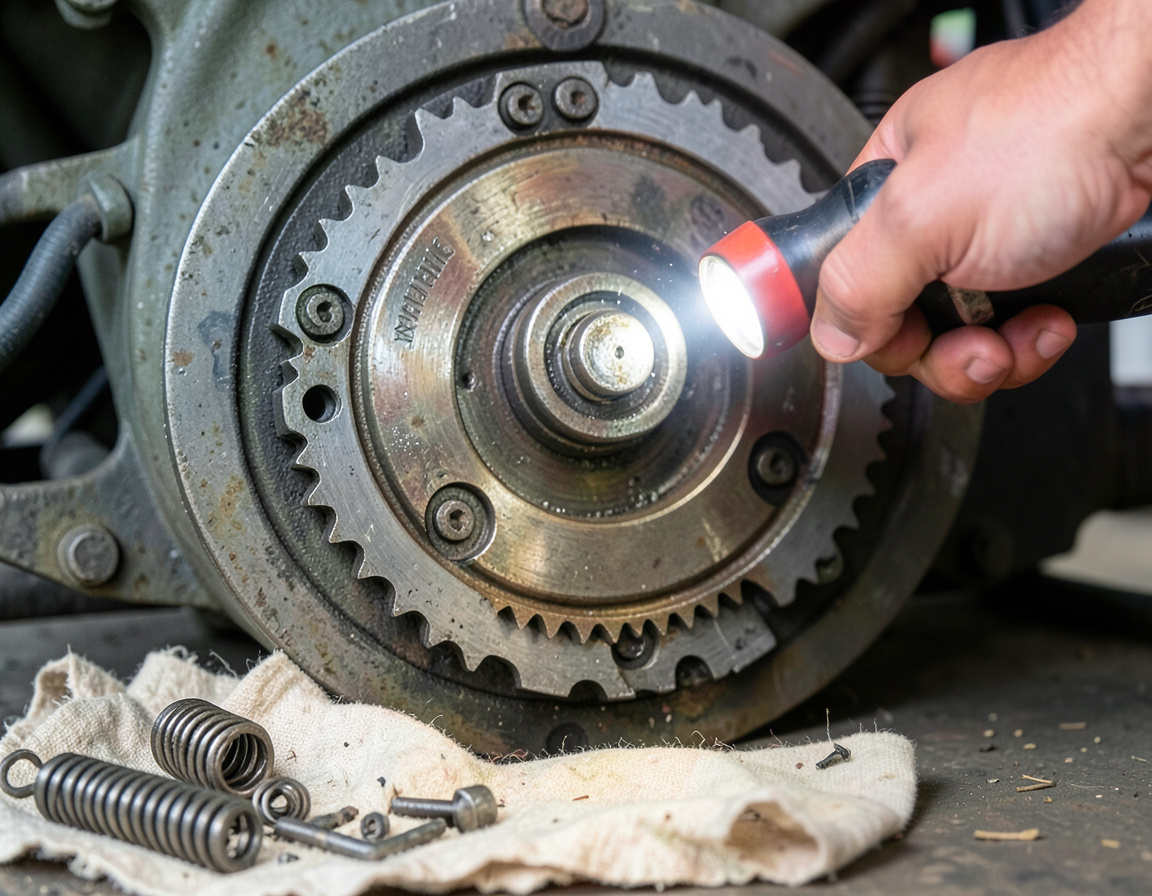
Component Options.
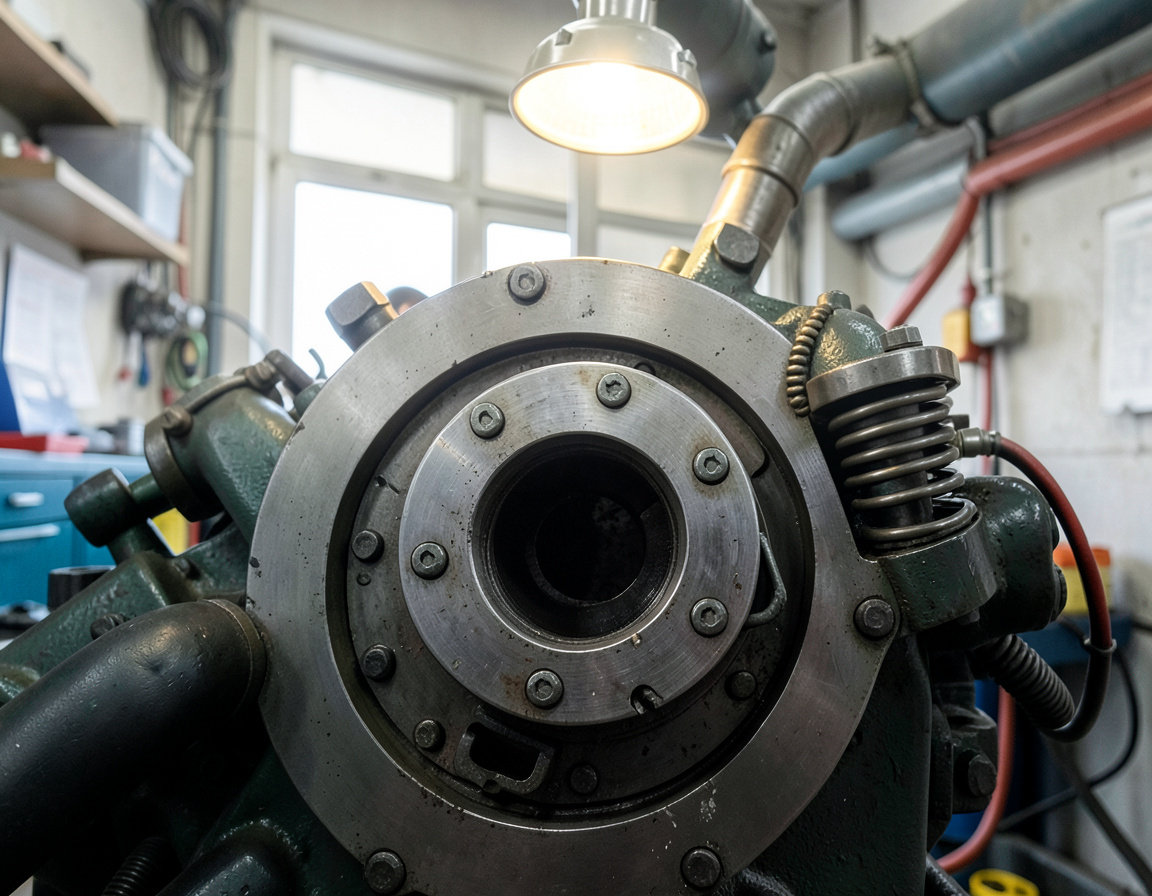
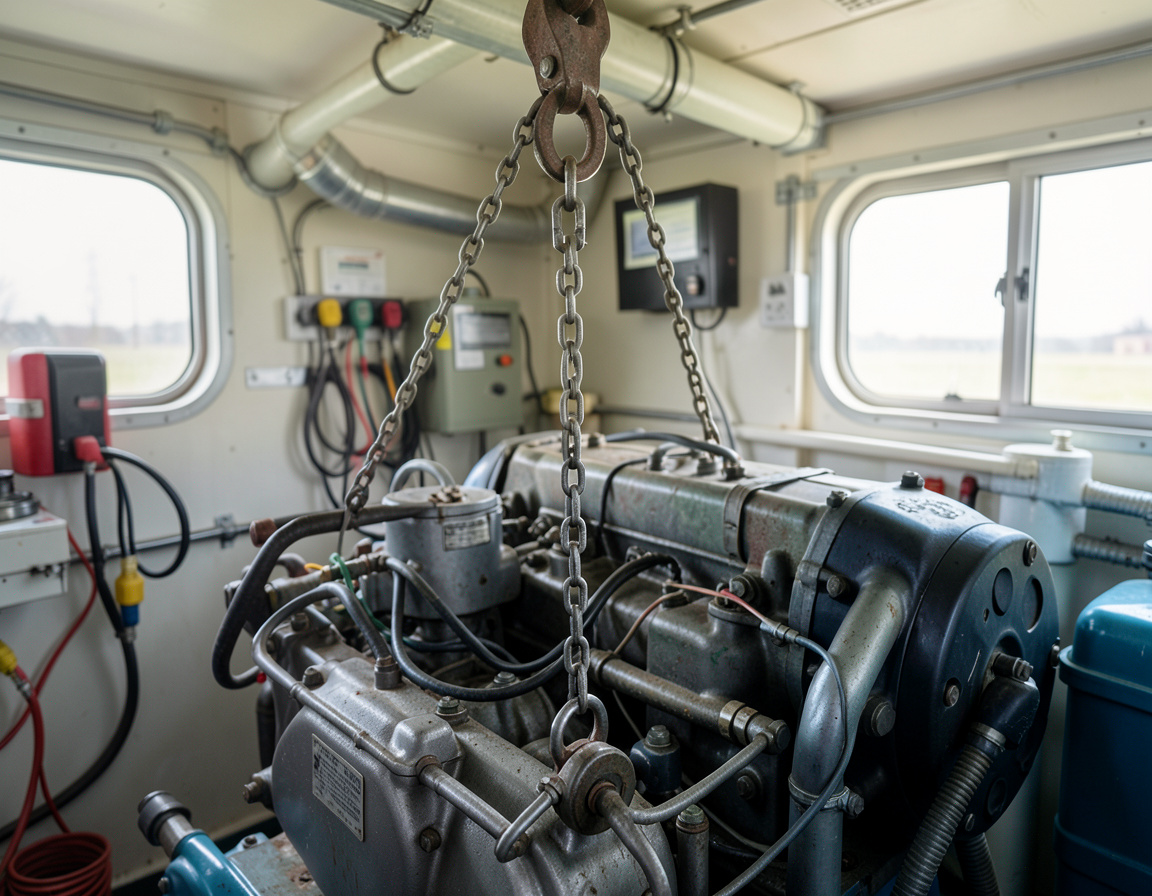
We fit damper plates and couplings from these makers.
Common Questions
Is my engine blown?
Probably not. If the noise goes away when you increase RPMs above 1000, it's most likely damper plate rattle from worn springs, not a rod knock.
Why is the labor high?
The part is usually inexpensive next to the labor; your written estimate lists the exact price. Reaching it means separating the engine from the transmission, which often involves moving the engine forward or, on a stern drive, removing the engine.
Damper Plate or Torsional Coupling?
On a typical inboard engine the damper plate bolts to the flywheel and the transmission input shaft slides into its splined hub. Some drivetrains, often diesels on soft mounts, use a torsional coupling instead: a flexible rubber element that absorbs firing pulses in place of steel springs. Both wear with heat and hours, and both can rattle or clunk when tired.
Identifying which design your boat uses, and checking the input shaft splines for wear, should come before any parts are ordered.
Reviews 4
Questions 7




Related Posts
-
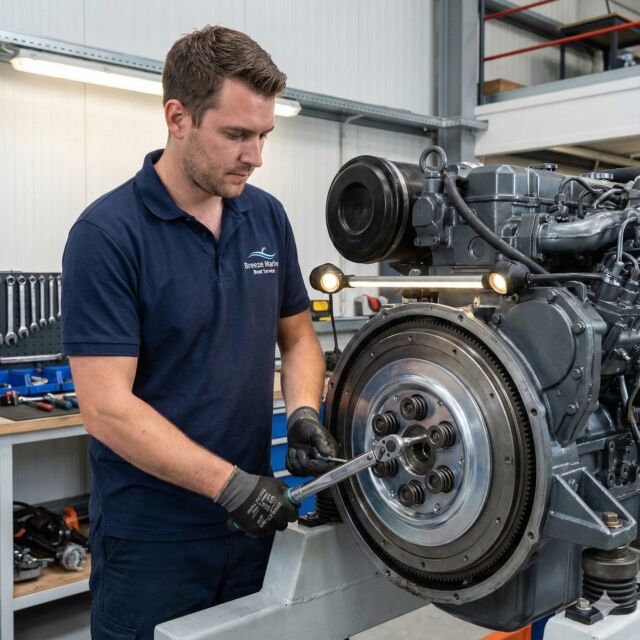


 A clatter at idle that fades as rpm rises usually points to worn damper plate springs. Learn the warning signs, owner checks and what the repair involves.