

Boat Fiberglass Repair
Gelcoat and small non-structural fiberglass repairs in Long Beach: chips, scratches, cosmetic cracks and dock rash, color-matched to your boat. Get a quote.
- 4 services
- Labor $150/hr
- Trip fee from $30
- At your slip or in the shop


Boat Fiberglass Repair in Long Beach and San Pedro
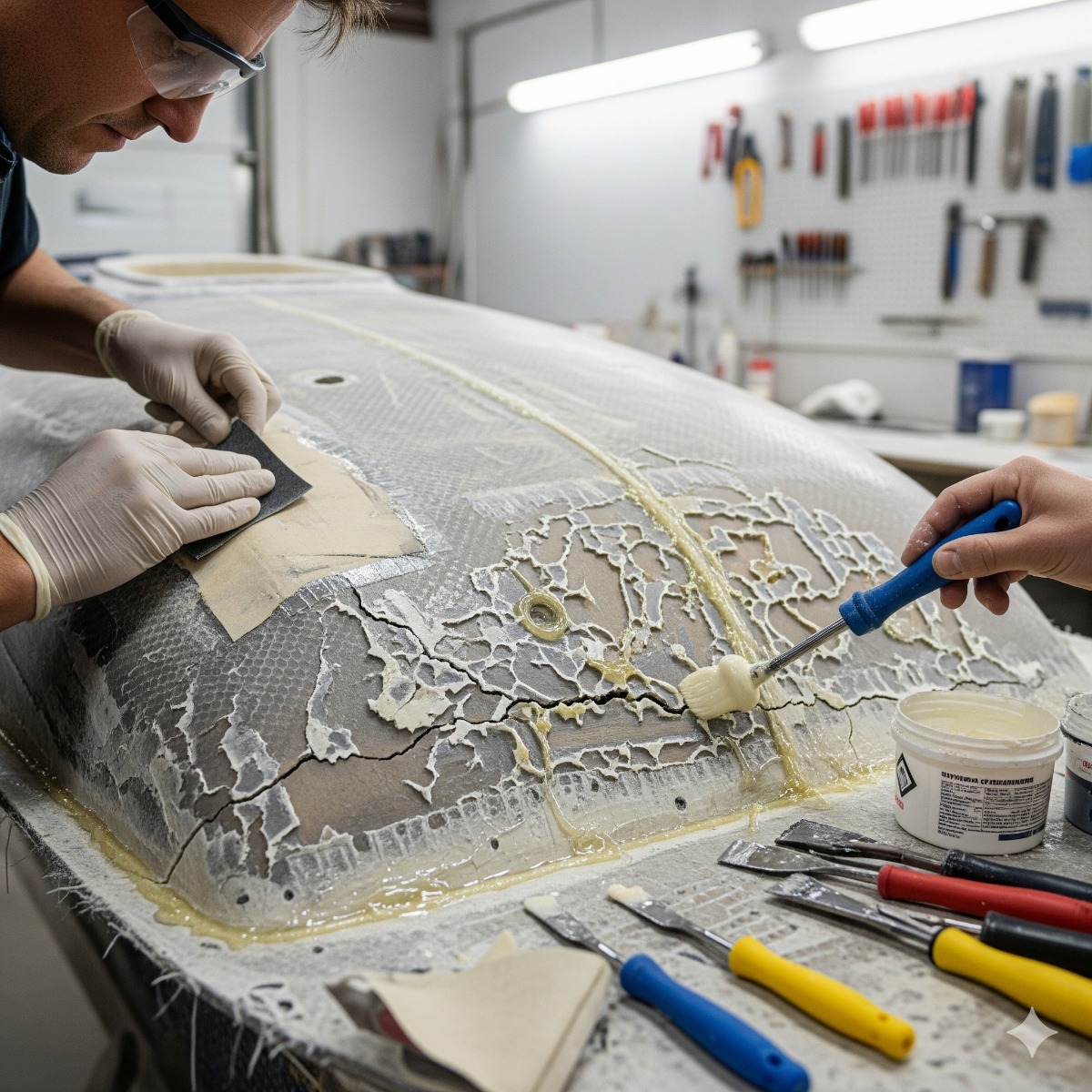
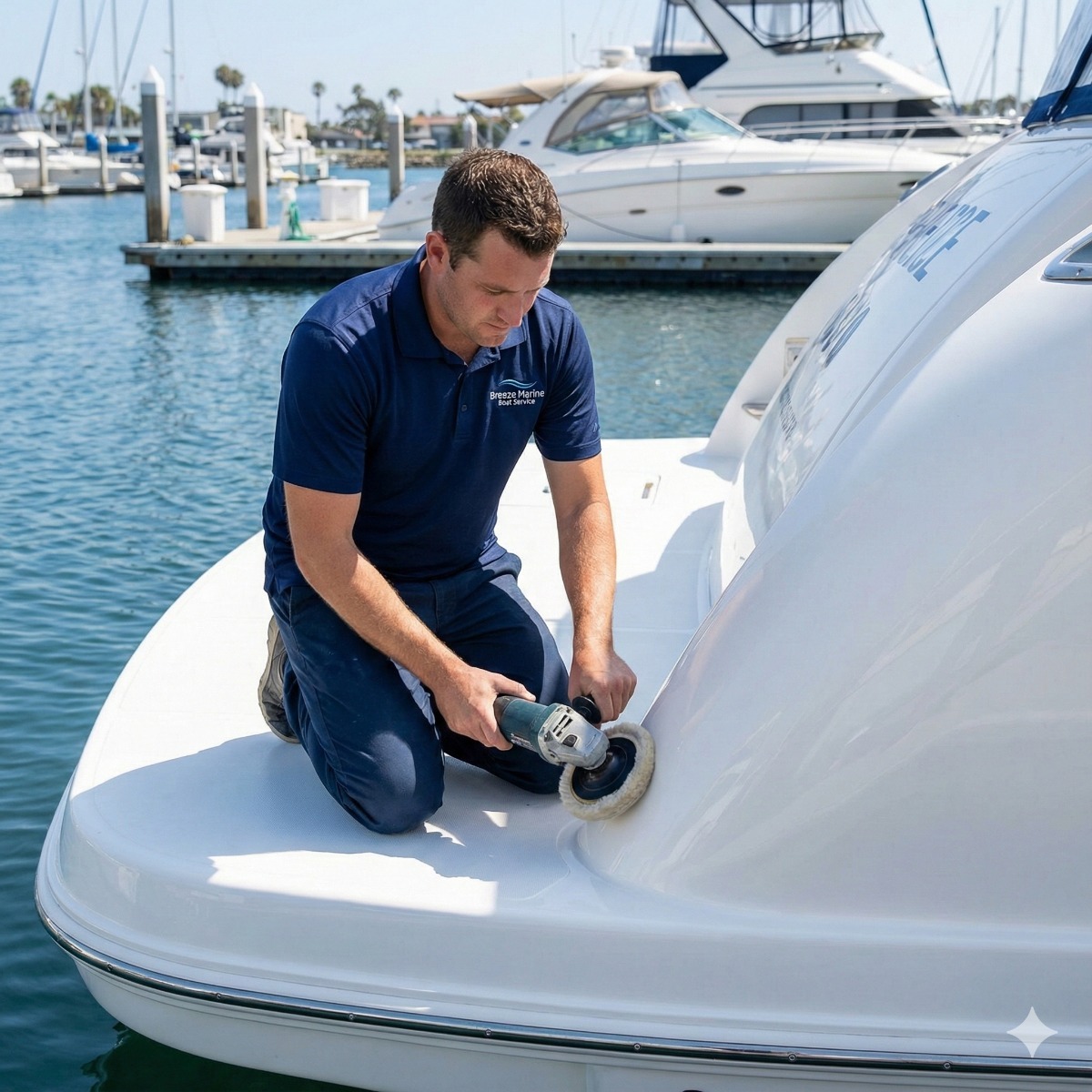
We repair fiberglass and gelcoat damage at your slip, dock or storage yard from Marina del Rey to Newport Beach, or at our San Pedro shop. That covers cosmetic chips, scratches and cracks in the gelcoat and small non-structural fiberglass repairs; structural hull, transom and deck work is referred to a boatyard.
What the work covers
- Gelcoat and cosmetic fiberglass repair: chips, cosmetic cracks and small dings in the hull and deck. Delamination and other structural damage are referred to a boatyard.
- Gelcoat color matching and scratch restoration for scratches, gouges and chips, with the color matched to your boat.
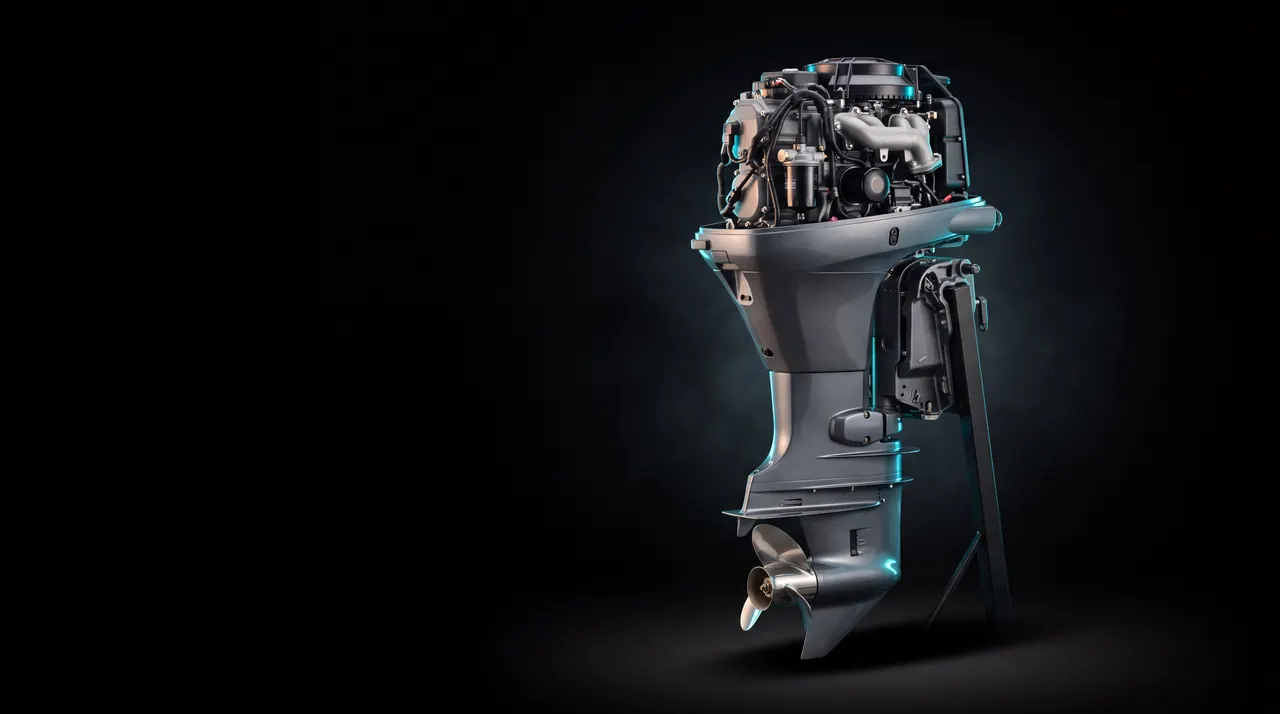
- Transom repair: engine removal and refit. On outboard and sterndrive boats the transom carries the load of the engine or drive, so a weak transom needs attention early. A boatyard rebuilds the transom; we check it, take the engine and drive off and refit them afterwards.
- Swim platform repair for cracked, loose or damaged bolt-on platforms, and bolt-on extensions. Anything glassed into the hull, and work on the transom core, is referred to a boatyard.
If the damage came from a collision, see insurance repair estimates: we document the damage with photos and give you a written estimate to send to your insurer.
Signs of fiberglass damage
- Spider cracks in the gelcoat, often around fittings and corners
- Soft or spongy spots when you walk on the deck
- The transom flexes or the engine mount moves under load
- Chips and gouges from docking, trailering or an impact
- Water weeping from cracks or around fittings
- A swim platform that is cracked, loose or moves
Questions about fiberglass repair
Is a gelcoat crack always structural?
Not always. Some cracks stay in the gelcoat, and we repair those. Others go into the fiberglass underneath and point to flexing or impact damage; that is structural work, which we refer to a boatyard. We look at what is behind the crack before quoting the repair.
Why do soft spots matter?
Many decks and transoms have a core between layers of fiberglass. When water gets in through fittings or cracks, the core can soften or rot over time, and the damage often spreads. Catching it early usually keeps the repair smaller. Core repairs are structural work, which a boatyard does.
Book a visit: submit a ticket with the boat, where it is kept and what the damage looks like, or call (562) 542-7296.
See also: swim platform damage or extension planning the stern upgrade.
See also: soft spots and delamination in fiberglass hulls what to know.
-

#818 Common question asks
Is a swim platform extension safe for my boat’s transom?
-
Yes, when it is properly designed and installed. We check the transom where the brackets mount; if the transom core is wet or needs reinforcement, that work goes to a boatyard before we mount the extension.
-
-
#816 Common question asks
What materials do you use for swim platform extensions?
-
We build extensions from fiberglass over a high-density foam core, mount them on 316 stainless steel brackets with through-bolts, and finish them in color-matched gelcoat with non-skid, EVA foam or teak. Materials are chosen for your boat type and how you use the platform.
-
-
#814 Common question asks
Can you repair cracks or soft spots on an existing swim platform?
-
On bolt-on platforms, yes: we repair cracks, delamination and soft spots with marine-grade materials and match the gelcoat. If the platform is molded into the hull, or the damage reaches the transom core, we refer the repair to a boatyard.
-
-
#812 Common question asks
What are the benefits of extending a swim platform on my boat?
-
A swim platform extension gives you more usable space for swimming, boarding, relaxing and water sports. It makes getting in and out of the water easier and safer, and it adds comfort on board.
-
-
#810 Common question asks
Can transom reinforcement handle heavier or upgraded engines?
-
Reinforcement can restore or add strength for a new engine that is within your boat's rating. It does not raise the maximum horsepower or engine weight on your boat's capacity plate, so a bigger engine must still be within that rating. We check the transom and tell you what it needs; any structural reinforcement is done by a boatyard.
-
-
#808 Common question asks
Do you provide documentation and warranty for transom repairs?
-
Yes. You get a written record of our work, which is warranted for 90 days from the invoice date, and parts carry their manufacturer's warranty. The structural rebuild is the boatyard's work and falls under the boatyard's own terms.
-
-
#806 Common question asks
Can the transom be reinforced without full replacement?
-
Only when the core is still dry and solid: then added fiberglass, a backing plate or knee braces can stiffen it. If the core is wet or rotten, reinforcing over it does not last, and the rotten core has to come out and be replaced. An inspection tells which case you have, and the reinforcement itself is done by a boatyard.
-
-
#804 Common question asks
What does transom repair include, and who does it?
-
A boatyard does the structural work: removing the rotten core, fitting a new core and new fiberglass, and reinforcing the transom where needed. We check the transom and the engine mounting first, take the engine and drive off before the rebuild, and afterwards refit them with sealed mounting bolts, align them and test the boat on the water. Our labor and the boatyard's charges are both on your written estimate.
-
-
#802 Common question asks
What causes transom damage or rot?
-
Transom damage is commonly caused by water intrusion through unsealed bolts, aging core materials, corrosion, or stress from larger engines. Over time, trapped moisture leads to rot and loss of structural integrity.
-
-
#800 Common question asks
Is a damaged transom dangerous to operate?
-
Yes. A compromised transom can fail under engine load, especially at speed or in rough water. This can lead to engine misalignment, hull damage, or complete structural failure. Repairing it early prevents major safety risks.
-