

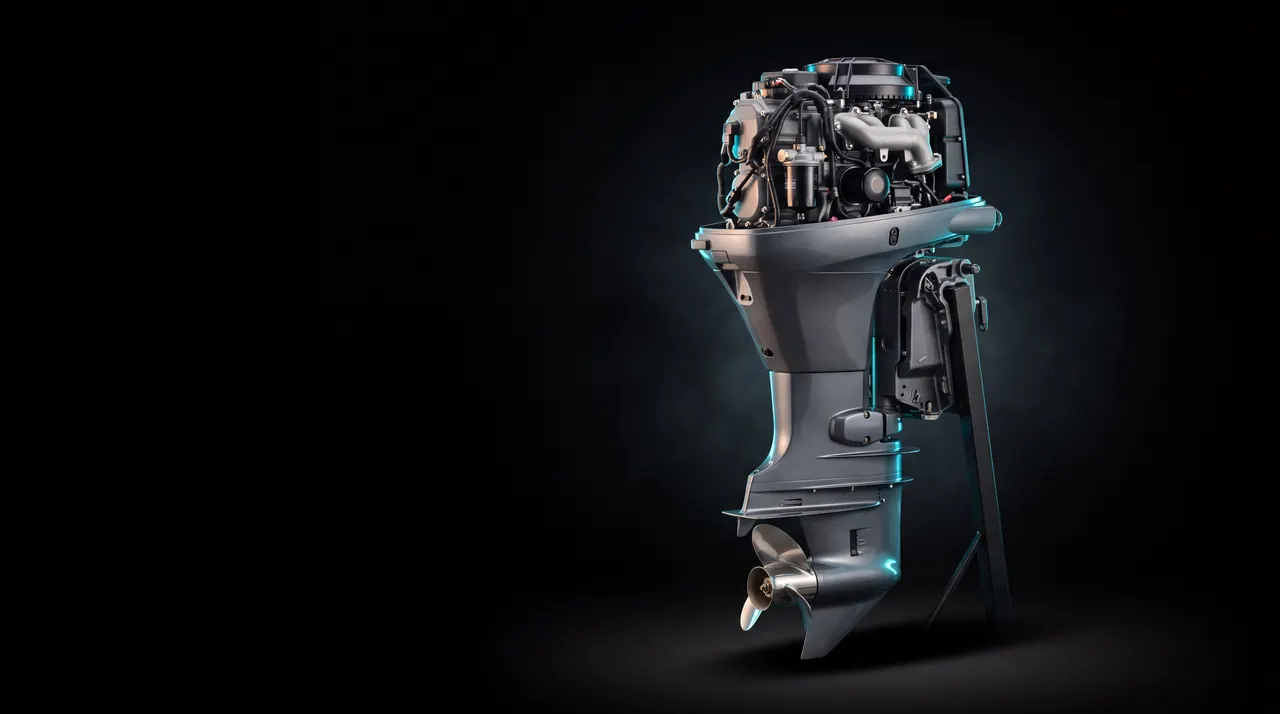
Boat Engine Repair
Boat engine repair in Long Beach and San Pedro for Mercury, Volvo Penta, Indmar, Yanmar, Cummins and more, from diagnostics to rebuilds. Get a quote.
- 5 services
- Labor $150/hr
- Trip fee from $30
- At your slip or in the shop

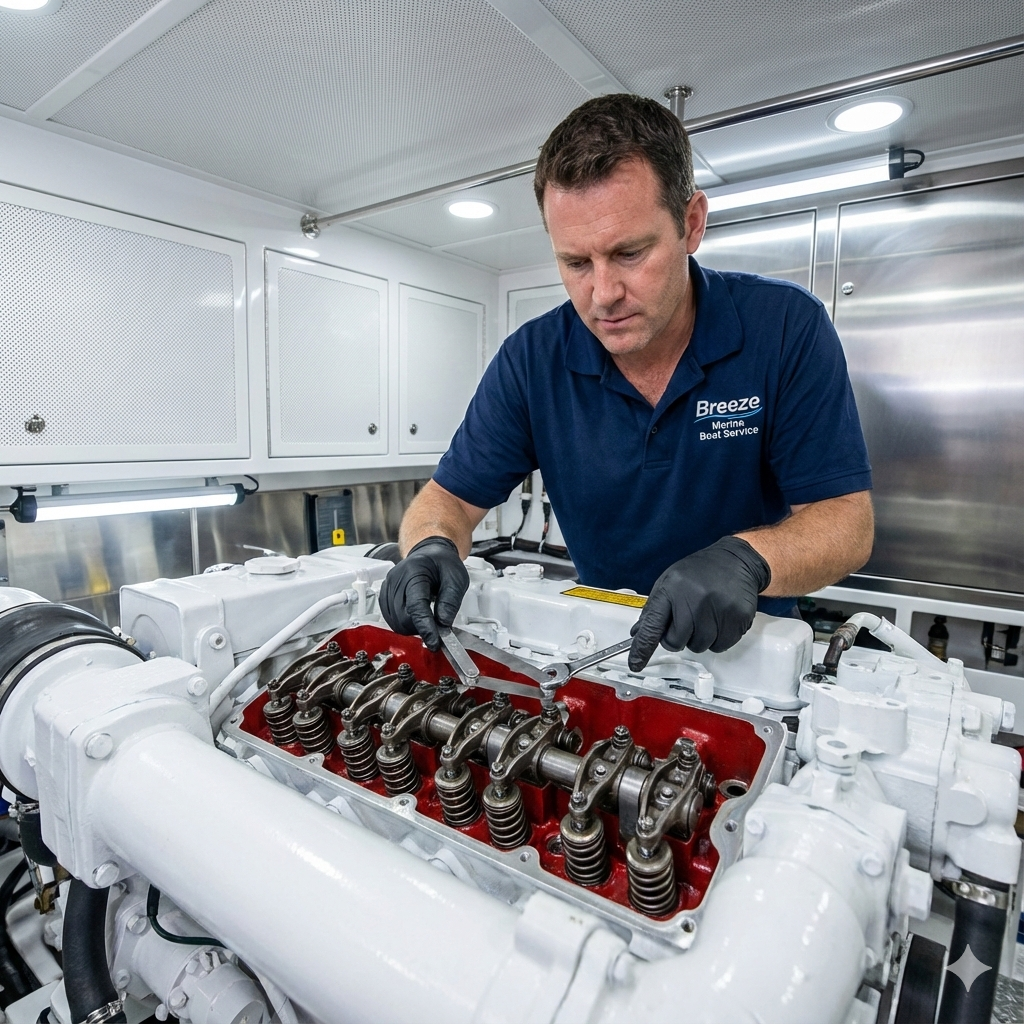
Boat Engine Repair in Long Beach and San Pedro
We find and fix boat engine problems, from hard starting and overheating to lost power. We work on Mercury, MerCruiser, Yamaha, Volvo Penta, Indmar, Yanmar and Cummins engines at your slip, dock or storage yard from Marina del Rey to Newport Beach, or at our San Pedro shop.
What the work covers
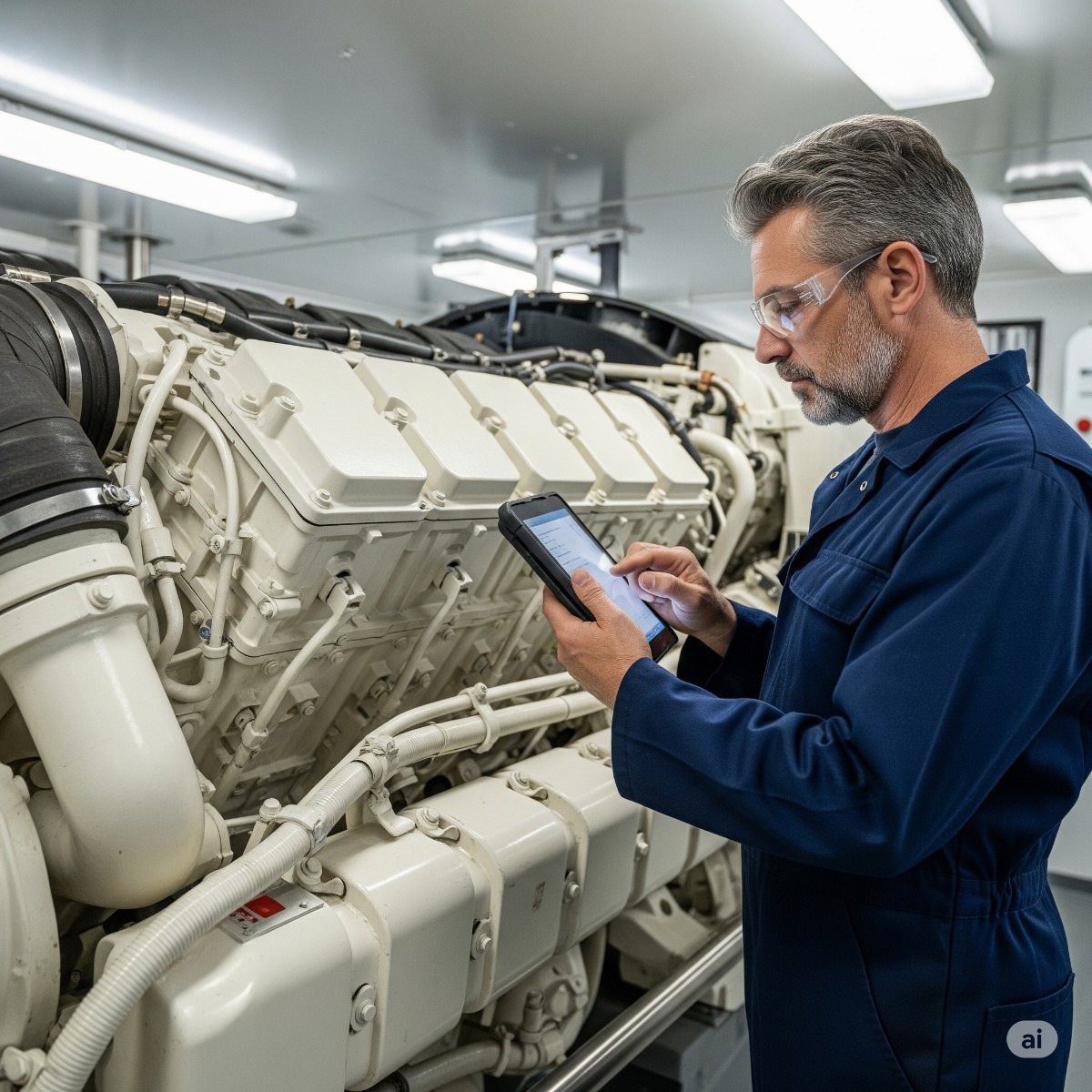
- Diagnosis and repair: marine engine repair starts with finding the cause, tracing the problem through fuel, ignition, compression and cooling.
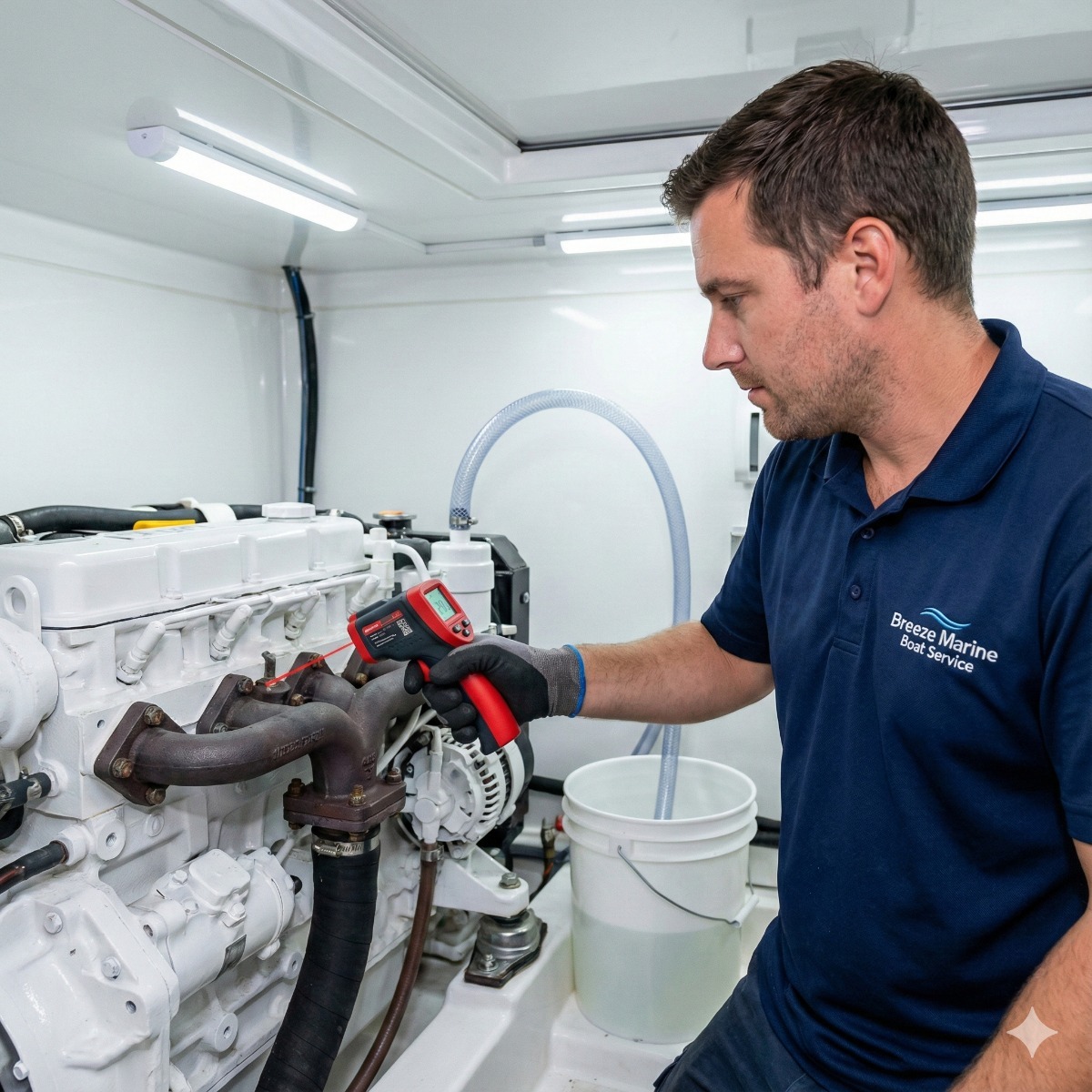
- Overheating: overheating diagnosis and a cooling system flush. Common causes are a worn raw-water impeller, a clogged heat exchanger, a stuck thermostat or scale in the cooling passages.
- Exhaust: exhaust riser and elbow replacement when corrosion or leaks put the engine at risk of taking on water.
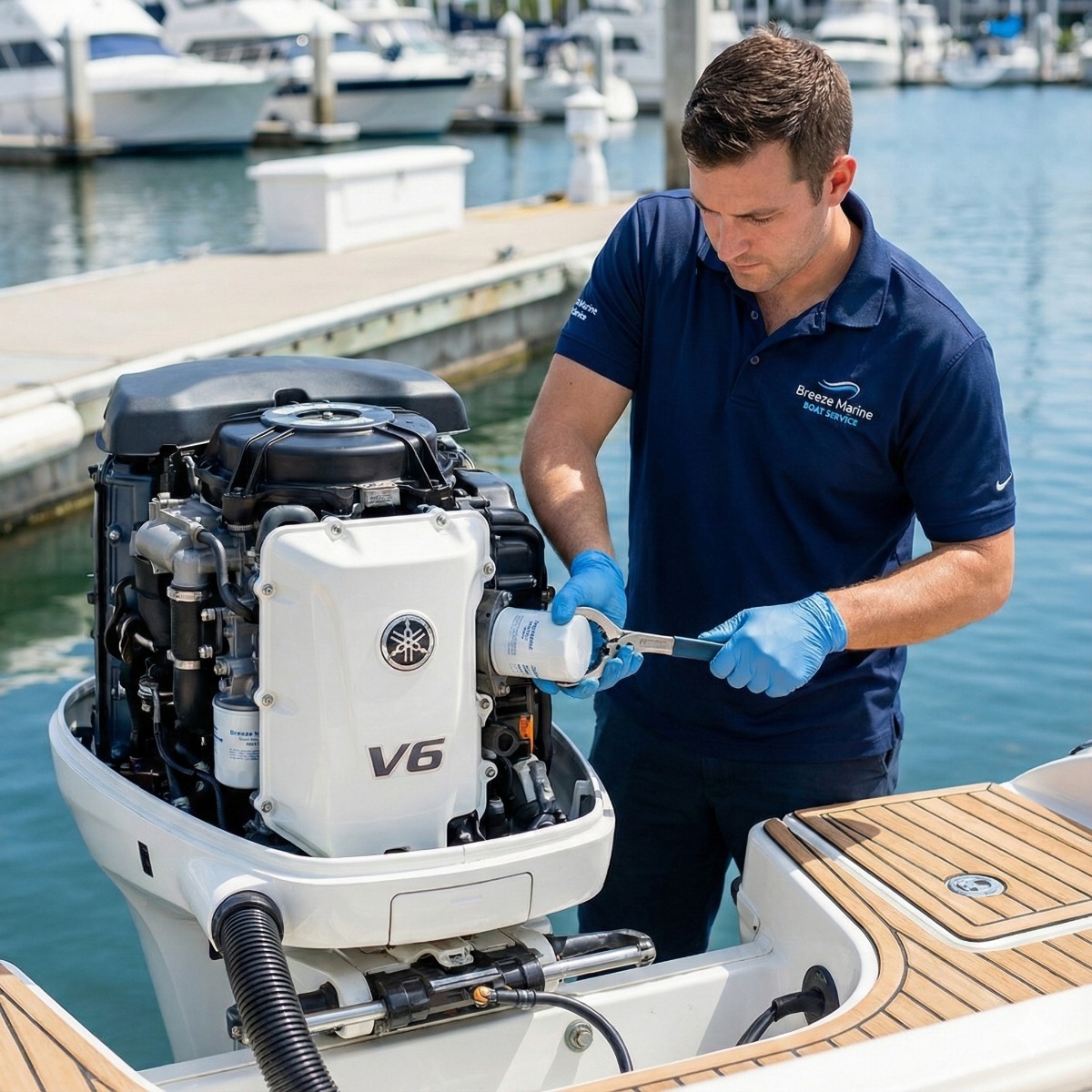
- Scheduled service: a 100-hour service or annual engine maintenance at your engine maker's interval. It typically covers oil and filters, fuel filters, the impeller and belts, plus a look at hoses, clamps and anodes.
- Valves and compression: valve adjustment and compression testing. Many engines need valve clearance set on a schedule, and compression numbers show the condition of the rings and valves.
When to call
- The engine cranks but will not start, or starts and dies
- The temperature gauge climbs or the overheat alarm sounds
- Rough idle, misfires or hesitation when you throttle up
- Lost top speed or RPM
- Smoke, a new noise or a fuel smell; with a fuel smell, leave the engine off and air out the boat
Questions about boat engine repair
Can you check my engine where the boat is kept?
Yes. We come to your slip, dock or storage yard from Marina del Rey to Newport Beach. If the check turns up a repair, we quote it before any work is done.
When does a repair turn into a rebuild?
When a compression test and inspection show wear across the engine, such as low compression on several cylinders, heavy oil use or damage from water or overheating. In that case we explain the rebuild option and quote it.
Book a visit: submit a ticket with the boat, where it is kept and what the engine is doing, or call (562) 542-7296.
Is your boat struggling to start, losing power, or overheating? Our marine engine repair service in Long Beach and San Pedro identifies and fixes the problem. We diagnose issues with fuel, ignition, compression, and cooling systems, including worn raw-water impellers, clogged heat exchangers, stuck thermostats, and scale buildup. From diagnosis to exhaust system repairs, we get your boat running smoothly again.
Marine Engine Repair: FAQ
What is involved in a marine engine repair?
Our process starts with a thorough examination of the fuel, ignition, compression, and cooling systems to pinpoint the cause of the problem. We then perform any necessary repairs or replacements, including cleaning or replacing raw-water impellers, heat exchangers, thermostats, or exhaust components.
Can you repair my boat's engine at its slip or in a storage yard?
Yes, our mobile service team comes to your boat wherever it is moored – from Marina del Rey to Newport Beach – so you don't need to trailer or transport it to a shop. We also have a San Pedro shop for larger projects and more extensive repairs.
See also: marine engine thermostat problems stuck open vs closed.
See also: boat engine overheating diagnosis order and cooling flush.
-

#930 Common question asks
How often should I flush my engine cooling system?
-
On outboards and sterndrives used in saltwater, engine makers recommend a fresh-water flush after every trip, which most owners can do themselves. The chemical descaling flush we do is needed far less often: follow the maker's service schedule, and have it done sooner if the engine starts running warmer than normal.
-
-
#928 Common question asks
What is involved in a cooling system flush?
-
We connect a pump to the raw-water side and circulate a marine descaler (Barnacle Buster) for 2-4 hours to dissolve salt and scale, then flush with fresh water at normal hose pressure and re-test the engine temperature.
-
-
#926 Common question asks
How do you diagnose an overheating engine?
-
We perform a full cooling system inspection, including checking water pumps, impellers, thermostats, hoses, and the heat exchanger. We also monitor engine temperature under load to pinpoint the cause and recommend targeted repairs.
-
-
#924 Common question asks
What causes my boat engine to overheat?
-
Boat engines can overheat due to blocked or corroded cooling passages, faulty thermostats, worn impellers, or low coolant levels. Saltwater deposits and debris in the system often reduce water flow, which is why regular inspection and flushing are essential.
-
-
#922 Common question asks
Can a failing exhaust riser damage my engine?
-
Yes. A corroded or leaking riser can let water into the cylinders, cause overheating and cost you power. Replacing it in time helps prevent costly engine damage.
-
-
#920 Common question asks
How long does an exhaust riser replacement usually take?
-
Usually 4-8 hours of labor, depending on the engine, how badly the old bolts are seized and whether the manifolds are replaced too. Your written estimate gives the time for your boat, and we check the whole system after the replacement.
-
-
#918 Common question asks
Do you test the exhaust system after replacement?
-
Yes. After installation we run the engine, check that cooling water flows properly through the new parts, and look for leaks at every joint.
-
-
#916 Common question asks
What type of parts do you use for replacements?
-
We install factory-spec cast iron risers and elbows for MerCruiser and Volvo Penta engines, or a 316 stainless mixing elbow as an upgrade for Yanmar diesels. In salt water, cast iron typically lasts 3 to 5 years; your written estimate names the exact parts.
-
-
#914 Common question asks
Can I replace just the riser or do I need the whole exhaust system?
-
In most cases, only the exhaust riser and/or elbow need replacement. We inspect the entire exhaust system to ensure other components are sound, and we replace only what is necessary to restore proper function and prevent future leaks.
-
-
#912 Common question asks
How do I know if my exhaust riser or elbow is failing?
-
Signs include rust streaks or weeping at the joint between the manifold and riser, milky engine oil, a cylinder that misfires or is hard to start after the boat sits, steam or white smoke at start-up, overheating, and exhaust leaks or soot at the joints. Cast iron risers can fail inside with no outside sign, so their age matters too.
-